






Victorian Instrument Case
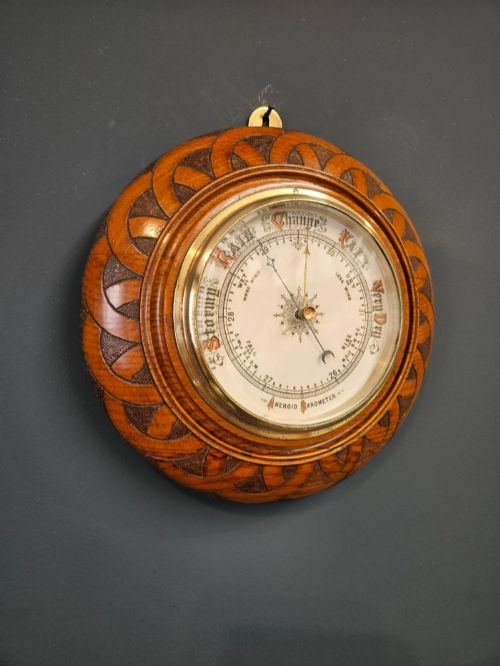
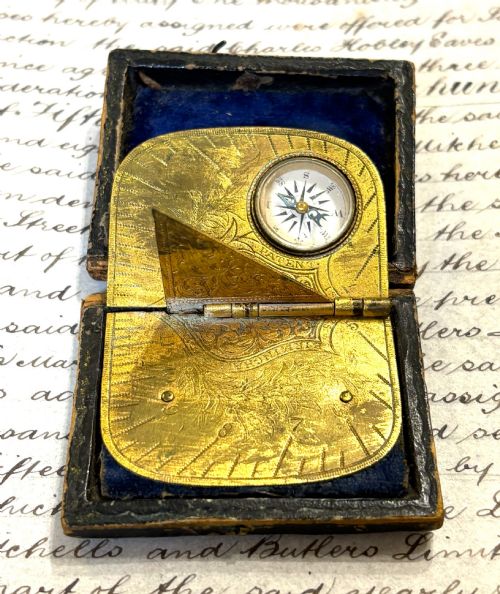
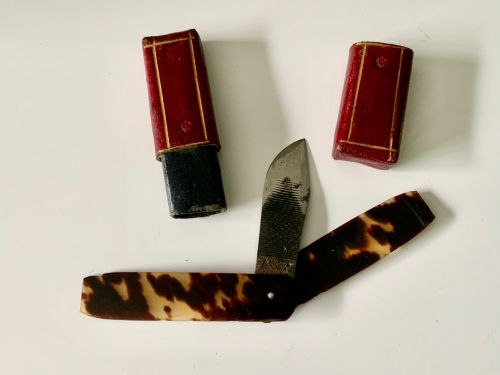
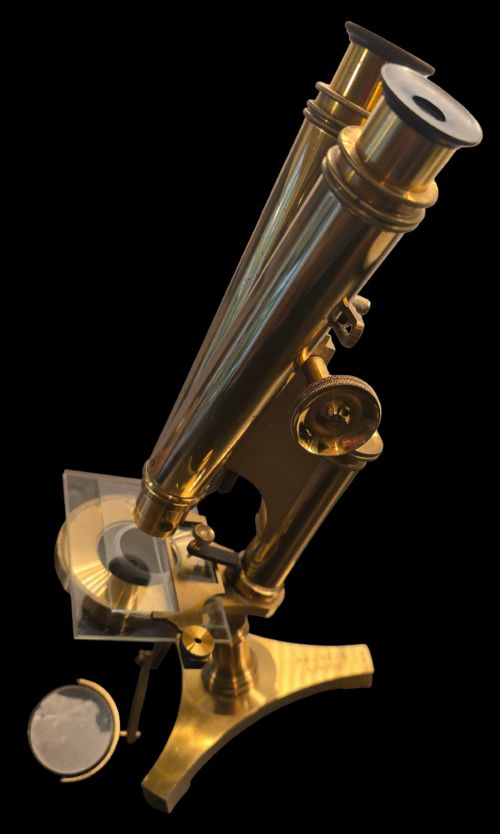
A victorian instrument case houses precision brass and timber apparatus designed to measure, navigate, and observe the natural world.
Victorian Instrument Case
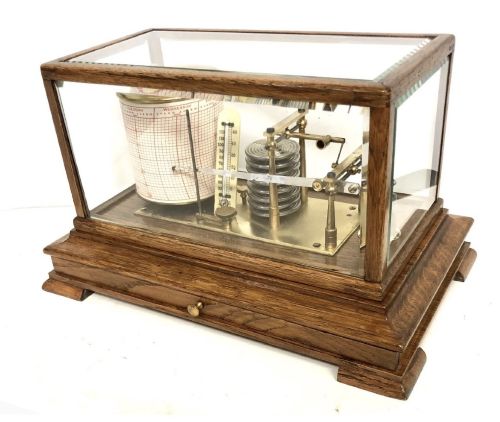
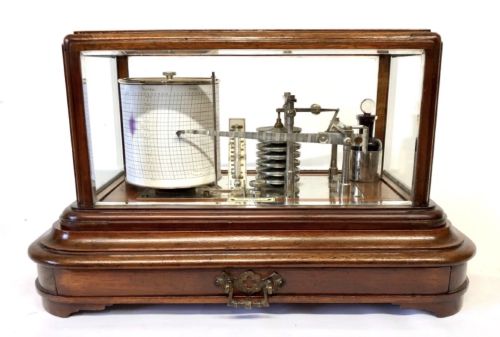
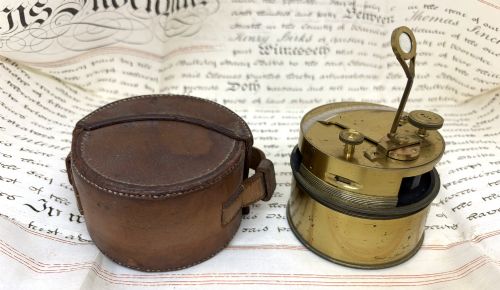
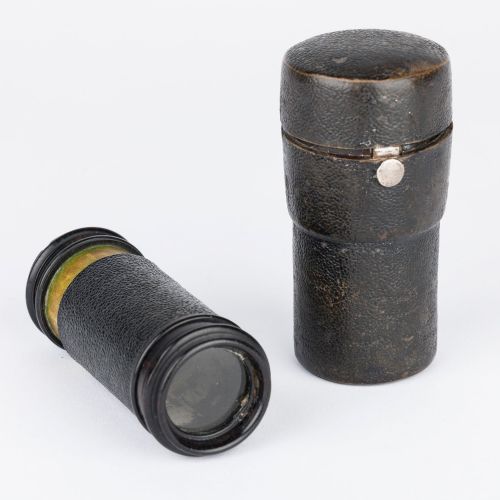
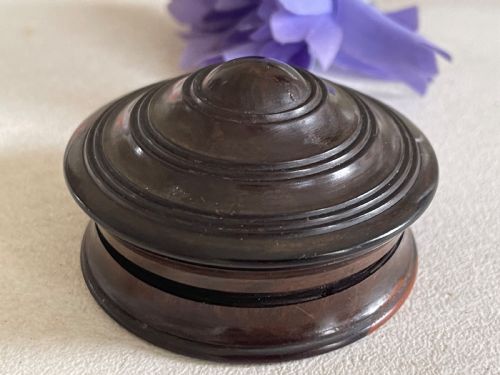
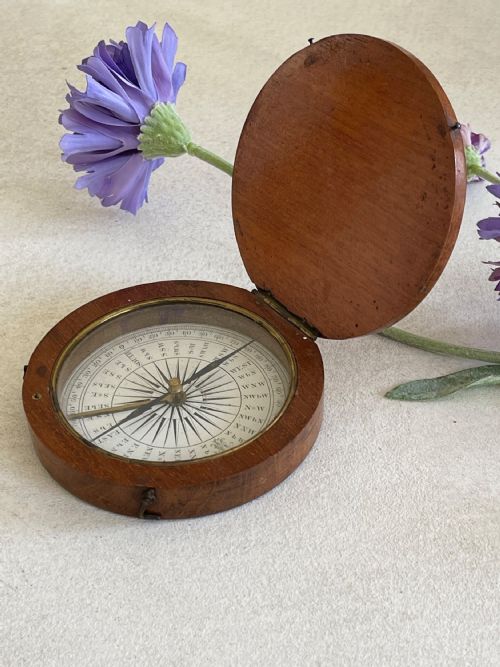
When you search for a victorian instrument case, you encounter robust protective housings built for scientific, maritime, and medical equipment during the nineteenth century. These containers range from fitted mahogany boxes for microscopes and barographs to leather-bound cylinders for telescopes and pocket compasses.
The version you meet most often on this page is the fitted mahogany or oak housing constructed to protect delicate weather-recording apparatus and optical instruments. Such enclosures preserve instruments made by prominent makers including Negretti and Zambra or Short and Mason.
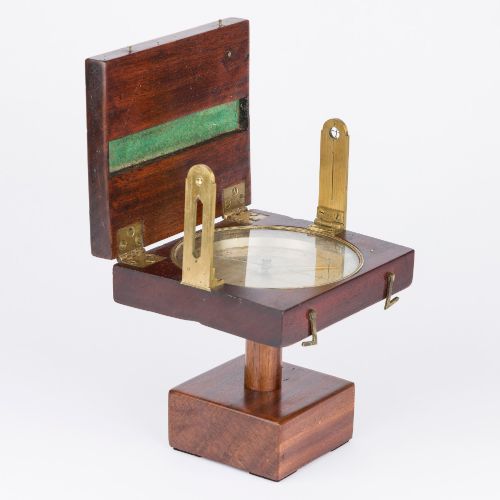
Beyond barographs and barometers, the selection includes specialised gear such as surveyors' compasses, drainage levels, and tax-funded standards housed in polished timber. Each enclosure serves as both a secure transport container and a display piece for brass and glass mechanics.
Materials and construction
Makers relied on dense hardwoods like mahogany, walnut, and oak to build durable frames that could withstand field travel and maritime conditions. These timbers were often dovetailed or corner-blocked to absorb impact while securing internal brass brackets and mounting blocks.
Interiors were typically lined with velvet, baize, or leather to cushion vulnerable glass components, lenses, and dial faces against vibration. Precision fitting ensured that scientific instruments, from barographs to microscopes, remained immobilized during transport.
Brass fittings, hinges, and lock plates reinforced the wooden carcasses, while bevelled glass panels allowed instrument faces to be read without opening the protective housing.
Victorian Instrument Case Retail Price Guide 2026
Typical asking prices for victorian instrument case among the pieces listed under this phrase on Sellingantiques today, from the lower quarter to the upper quarter. They describe what is for sale here now, not the wider market.
Listings feature mahogany, oak, and walnut woods paired with brass fittings, velvet linings, and bevelled glass panels across nineteenth-century scientific apparatus.
Assessing quality
The distinction between ordinary and superior pieces rests on the precision of the internal joinery and the integrity of the original housing. Master craftsmen selected timber with tight grain patterns and engineered bespoke internal compartments tailored precisely to each instrument.
Signatures on paper labels or engraved brass plaques from established retailers like L Casella or Hughes and Son elevate a piece above standard workshop production. The survival of original velvet linings, winding keys, and matching component parts determines the overall integrity of the survivor.
G Davis of Leeds·Baker, London·GAUPP and CO HONGKONG and SINGAPORE·L Casella and Co·R and J Beck, London·Poulenc Freres of Paris·Hughes and Son London·M Pillischer of London·Antoine Redier of Paris·Alfred Apps·W E Hill·Newton and Co·Alexander Wright·Negretti and Zambra·Short and Mason·Baines Harrogate·J Hughes London
The Victorian Instrument Case Glossary
- Barograph
- A self-recording meteorological instrument that plots barometric pressure onto a rotating drum chart. It is typically housed in an oak or mahogany case with bevelled glass panels.
- Theodolite
- A precision optical instrument used for measuring angles in horizontal and vertical planes. It appears mounted on a tripod base and stored within a fitted wooden box.
- Hygrometer
- An instrument used for measuring humidity levels in the atmosphere. The Saussure hair hygrometer uses human hair to detect moisture changes.
- Octant
- A navigational instrument used to measure the angle between an astronomical object and the horizon. It is generally found in a triangular or wedge-shaped wooden box.
- Galvanometer
- An electromechanical measuring instrument for detecting and measuring electric current. Portable examples are secured in compact timber cases for field diagnostics.
Victorian Instrument Case: Frequently Asked Questions
What instruments belong in these cases?
These enclosures primarily contain scientific, medical, and navigational apparatus. Common contents include barometers, microscopes, compasses, and telescopes.
Each box was built to measure or observe physical phenomena, requiring custom internal partitions to secure delicate glass and brass components.
How should I clean the wood?
Dust timber surfaces gently with a dry, soft cloth to prevent accumulation. Avoid abrasive modern polishes that can degrade nineteenth-century varnish and wax finishes.
Preserve the dry lustre of mahogany and oak by applying traditional beeswax sparingly when the timber appears dry.
Are original interiors common?
Many survivors retain their fitted baize, velvet, or leather linings. These textile inserts were glued directly into the timber to cushion specific instruments.
Replacements do occur during restoration work, so examine the glue residues and wear patterns to confirm period authenticity.
How do I identify the maker?
Look for paper trade labels pasted inside the lid or brass maker plates screwed to the timber base. Retailers and manufacturers often signed the instrument dials as well as their storage boxes.
Names like Negretti and Zambra or L Casella frequently appear on both the apparatus and the carrying case.