



Victorian Insect Pin
These victorian insect pin examples bring natural history to life in gold and silver, offering wearable specimens that collectors prize for their intricate detail.
Victorian Insect Pin
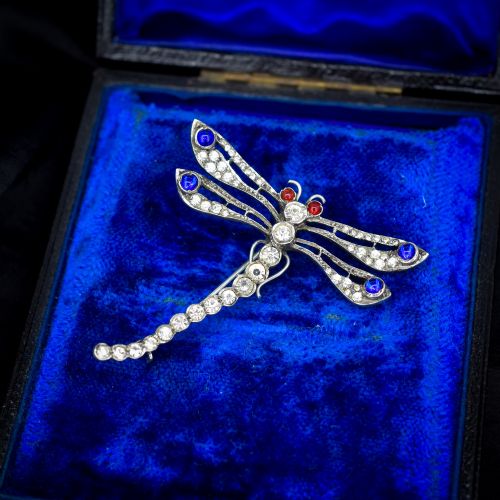
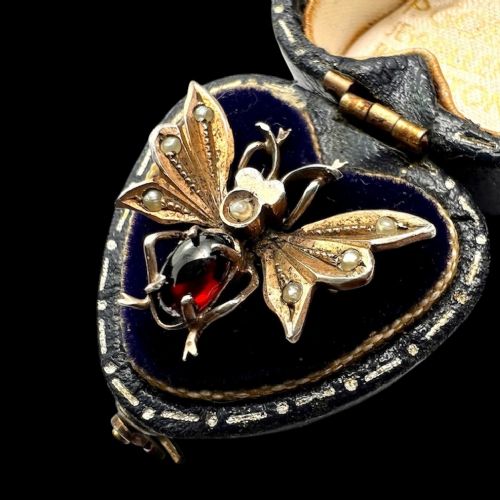
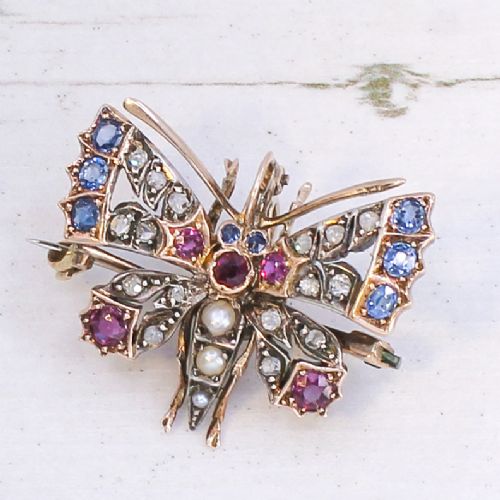
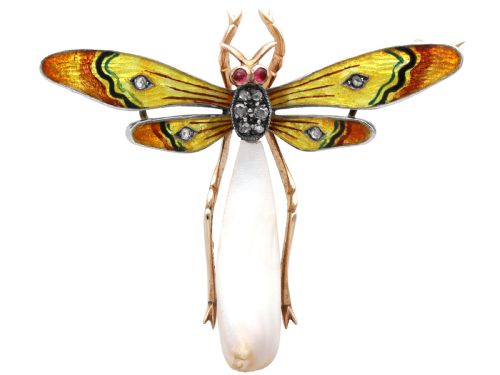
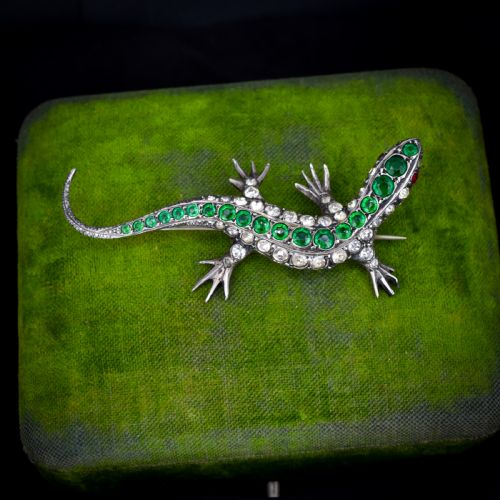
When you search for a victorian insect pin, you encounter miniature sculptures representing beetles, butterflies, dragonflies, spiders, and lizards fashioned as brooches and pins. Most pieces on this page stem from the Victorian and Edwardian periods, capturing the nineteenth-century fascination with natural history.
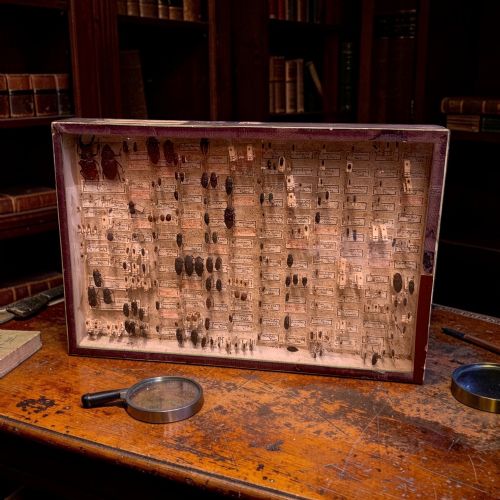
The assortment spans delicate bar brooches set with pink and blue topaz alongside substantial multi-gem butterfly pendants. You also find novelty items like silver spider pincushions and antique entomology specimen display cases.
Materials and construction
Maker utilise yellow gold and silver as the primary metals for mounting these creatures, shaping nine-carat, fifteen-carat, and twenty-one-carat alloys. Gemstones such as diamonds, sapphires, emeralds, rubies, and paste stones fill the wings and bodies to catch the light.
Pearls and bloodstones add organic texture and colour variation to the insect forms, while specific pieces incorporate green paste for striking visual impact. Construction techniques combine secure claw settings for precious stones with detailed metalwork to render legs and antennae.
Victorian Insect Pin Retail Price Guide 2026
Typical asking prices for victorian insect pin among the pieces listed under this phrase on Sellingantiques today, from the lower quarter to the upper quarter. They describe what is for sale here now, not the wider market.
Listings feature items from the Victorian and Edwardian eras, incorporating silver, yellow gold, diamonds, sapphires, emeralds, rubies, and paste.
Assessing quality in these pieces
Quality rests in the anatomical accuracy of the carving and the clever integration of gemstones into naturalistic forms. Superior examples balance heavy precious metal framing with fine stone-setting that brings out the iridescent quality of insect wings.
The distinction between ordinary and exceptional lies in the complexity of the gem combination, such as pairing basaltic sapphires, emeralds, and diamonds within a single yellow gold butterfly. Finer specimens display superior preservation of delicate silver wirework and securely boxed presentations.
The Victorian Insect Pin Glossary
- Bar brooch
- A narrow horizontal pin featuring an ornament mounted centrally across the metal bar. This form frequently supports spiders and smaller insects.
- Paste
- Hand-cut glass used to imitate gemstones in antique jewellery. Green paste provides vibrant colour on lizard and beetle brooches.
- Specimen display case
- A glass-fronted container designed to house and protect natural history collections or entomology specimens. These items set the contextual scene for wearable insect jewellery.
- Pincushion
- A small decorative object stuffed to hold sewing pins. Silver spider pincushions combine domestic utility with natural history motifs.
Victorian Insect Pin: Frequently Asked Questions
What materials make up a victorian insect pin?
These pieces utilise silver and yellow gold ranging from nine to twenty-one carats. Stones like diamonds, rubies, sapphires, emeralds, and paste provide colourful ornamentation.
Pearls and bloodstones also appear within the settings to add natural texture and varied tones to the wings and bodies.
How did people wear a victorian insect pin?
Owners pinned these ornaments to lapels, bodices, and hats as decorative statements. Some versatile designs functioned simultaneously as brooches and pendants.
Display cases and pincushions served static decorative and domestic roles rather than functioning as personal adornment.
How do I distinguish Victorian pieces from Edwardian ones?
Victorian examples often feature heavier gold work and natural history themes developed during the mid-to-late nineteenth century. Edwardian pieces tend toward lighter silver mountings and refined stone settings.
Exact dating relies on hallmarks, construction methods, and stylistic shifts toward airier compositions in the twentieth century.
Are all these items jewellery?
Not every item functions as personal adornment. While the majority are brooches and pins designed to be worn, the category also includes entomology display cases and silver pincushions.
These domestic objects share the same nineteenth-century fascination with insects and natural history.