



Victorian Inlaid Frame
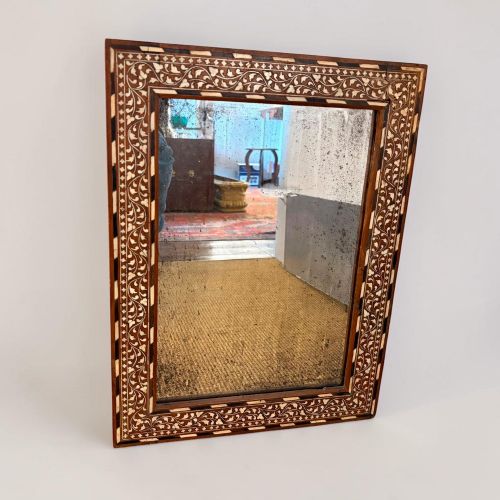
A victorian inlaid frame brings substance and pattern into a room through the careful contrast of timber and shell.
Victorian Inlaid Frame
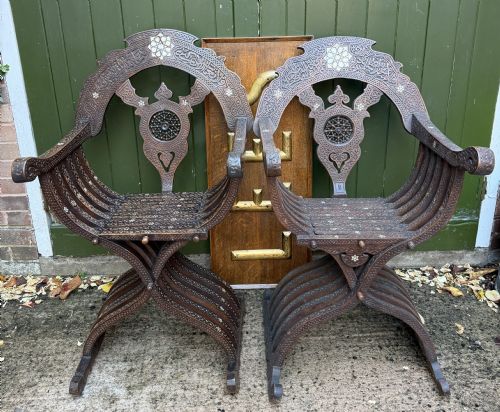
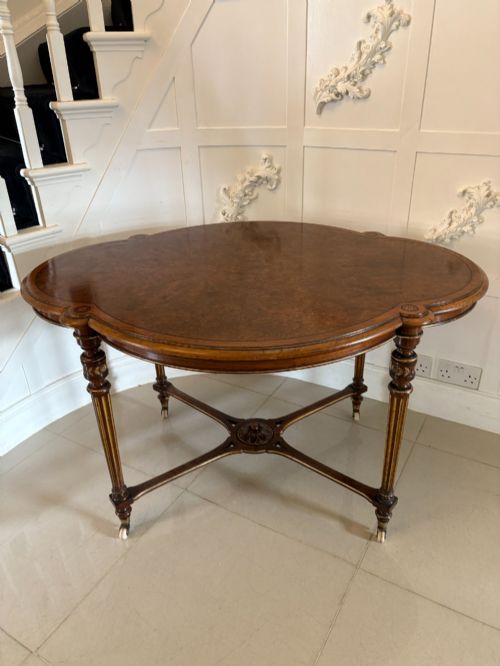
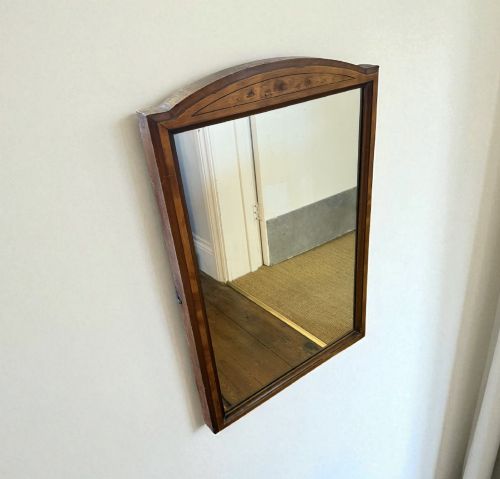
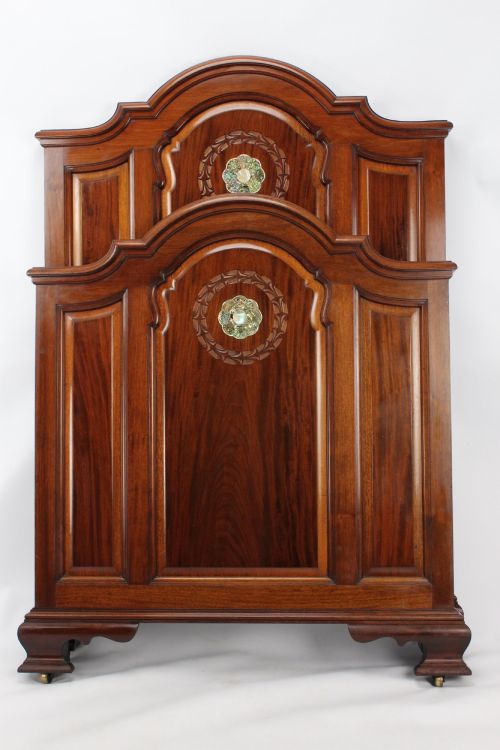
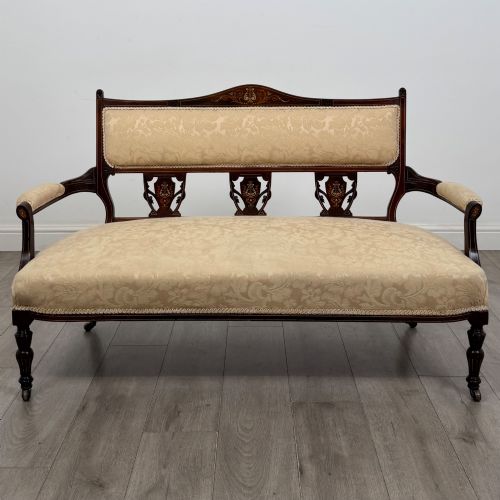
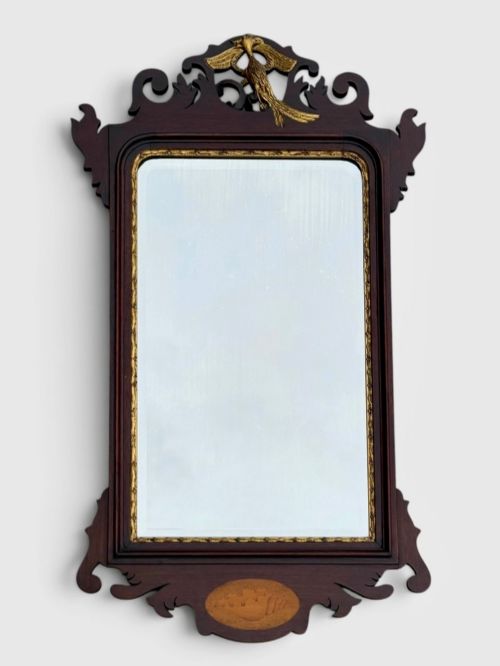
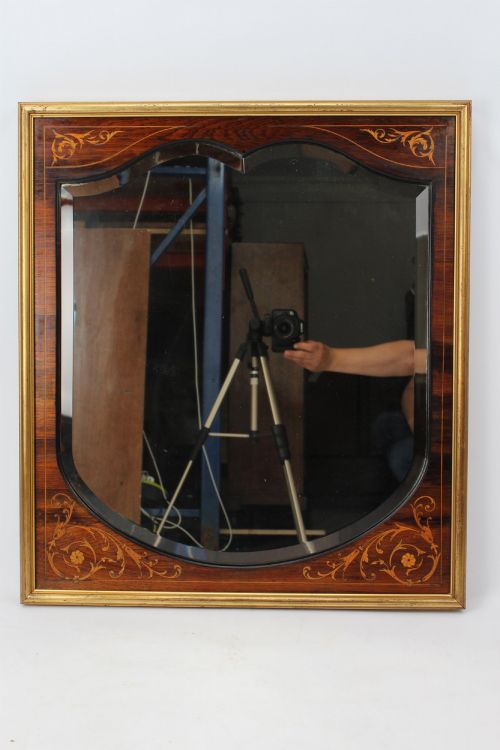
A victorian inlaid frame typically appears on wall mirrors, overmantel mirrors, and seating such as armchairs and settees. These objects combine domestic utility with decorative marquetry, reflecting the period's taste for detailed surface ornament.
The materials span walnut, rosewood, mahogany, and ebonised wood, often enriched with contrasting woods and shell details. Walnut and rosewood dominate the selection, providing a dark, rich ground for lighter floral or geometric motifs.
Many items date from the latter half of the nineteenth century, ranging from simple domestic mirrors to elaborate Syrian revival and Anglo-Indian seating. Buyers encounter everything from compact pier glasses to large, architectural overmantels designed to anchor a Victorian interior.
Materials and Construction
Cabinetmakers built these frames using solid hardwoods like mahogany and walnut, frequently applying fine veneers to create stable expanses for decoration. Marquetry and parquetry patterns relied on precise hand-cutting of diverse timber species to fit flush within the primary wood.
Mother of pearl, abalone, and brass detailing were hand-inset into routed channels, adding luminous contrast against dark polished surfaces. Joinery techniques such as mortise and tenon ensured structural strength for seating frames and heavy mirror surrounds.
Victorian Inlaid Frame Retail Price Guide 2026
Typical asking prices for victorian inlaid frame among the pieces listed under this phrase on Sellingantiques today, from the lower quarter to the upper quarter. They describe what is for sale here now, not the wider market.
Listings feature walnut, rosewood, and mahogany, frequently enhanced with mother of pearl and brass detailing across the nineteenth century.
Distinctions in Quality
The refinement of the marquetry and the precision of the timber matching separate standard examples from exceptional ones. Master craftsmen selected woods with lively grain patterns and fitted intricate shell elements with virtually invisible joins.
Secondary detailing such as carved giltwood accents, brass mounts, and original bevelled glass plates indicate higher status production. Pieces retaining their deep, original polish and crisp surface carving demonstrate better preservation over time.
The Victorian Inlaid Frame Glossary
- Marquetry
- Decorative veneer work forming pictures or geometric patterns by assembling pieces of different woods.
- Mother of Pearl
- The iridescent inner layer of mollusc shell utilised for shimmering inlays.
- Overmantel Mirror
- A large mirror designed to hang specifically above a fireplace mantelpiece.
- Ebonised Wood
- Timber treated with a dark stain or finish to imitate expensive ebony.
- Peer Glass
- A tall mirror traditionally placed on the pier of wall between two windows.
Victorian Inlaid Frame: Frequently Asked Questions
What is a victorian inlaid frame?
A victorian inlaid frame refers to decorative surrounds on mirrors, seating, and furniture embellished with contrasting wood veneers or shell.
These pieces showcase the Victorian preference for ornate domestic decoration and skilled craftsmanship.
How were these frames used originally?
Mirrors with inlaid frames hung in reception rooms and hallways to reflect light and visually expand interior spaces.
Inlaid chairs and settees served as formal seating in parlours, combining structural utility with ornamental display.
How do I care for inlaid wood?
Keep inlaid items away from direct sunlight and fluctuating heat sources to prevent timber shrinkage and veneer lifting.
Apply microcrystalline wax occasionally to nourish the wood and protect the delicate shell or brass inlays.
How can I tell the period?
Examine the backboards, fixings, and secondary timbers used in the construction of the frame.
Victorian pieces often display specific joinery methods, hand-bevelled glass, and characteristic timber choices like walnut and rosewood.