







Victorian Hunting Decor
These pieces of victorian hunting decor bring field sports inside through oil paintings, taxidermy, carved wood and metalwork.
Victorian Hunting Decor
Victorian hunting decor encompasses the sporting art, taxidermy and functional objects that defined nineteenth-century country house interiors. These items reflect a society deeply engaged in field sports, equestrian pursuits and the appreciation of wildlife.
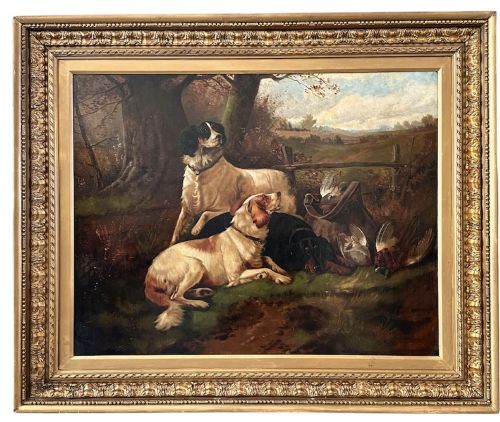
Oil paintings depicting hounds, huntsmen, gun dogs and game birds form a substantial part of the selection. Alongside canvases, buyers find taxidermy trophies, carved oak panels and metalwork accessories.
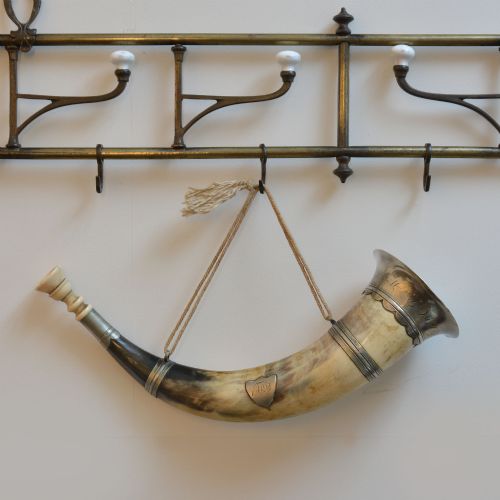
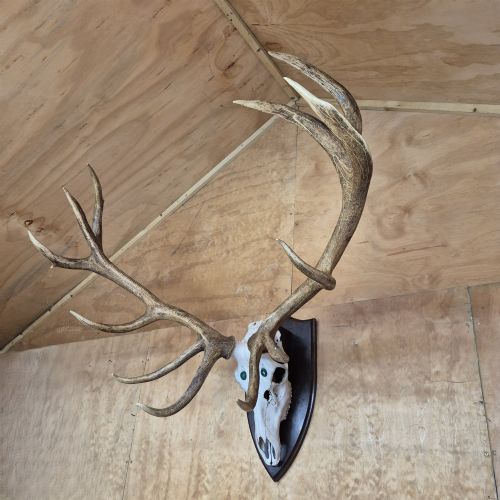
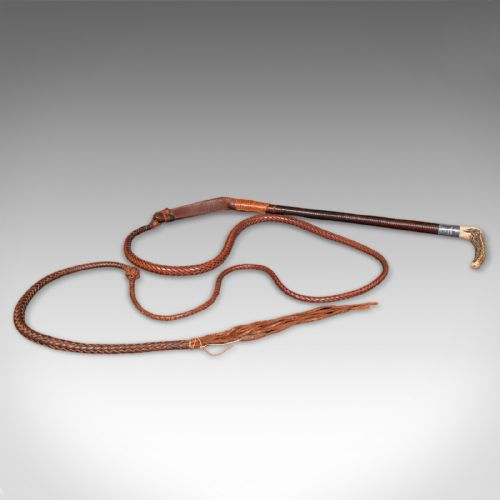
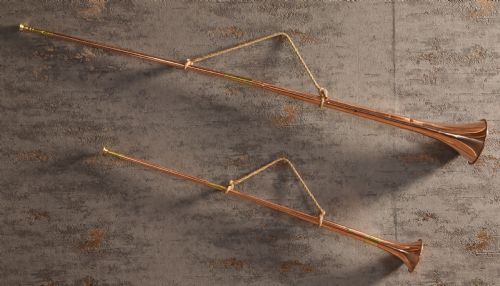
The physical objects range from mounted red deer antlers and gazelle trophies to coaching horns, whips, doorstops and tableware. Many items combine utility with rural imagery, serving practical functions while displaying sporting motifs.
How they were made
Natural materials dominate the selection, utilising oak, brass, leather, horn, bone and antler shaped by traditional craftsmen. Carved tiger oak panels, cast iron doorstops and silver-collared hunting whips demonstrate period manufacturing techniques.
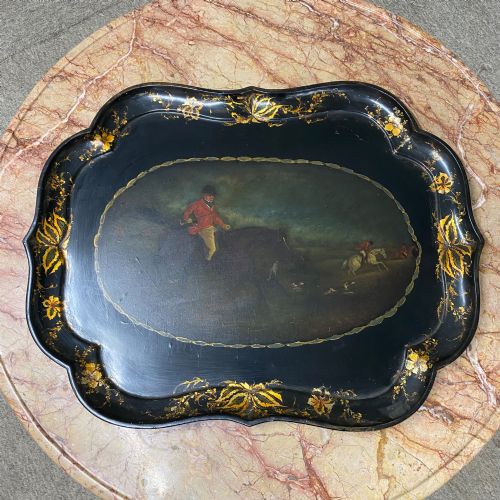
Painters employed oil on canvas to capture detailed equestrian scenes, portraits of dogs and still lifes of game. Glass and ceramics received hand-painted enamelled decorations, while papier-mâché trays were finished with detailed landscape scenes.
Victorian Hunting Decor Retail Price Guide 2026
Typical asking prices for victorian hunting decor among the pieces listed under this phrase on Sellingantiques today, from the lower quarter to the upper quarter. They describe what is for sale here now, not the wider market.
Listings feature 19th century oil paintings, taxidermy horns, carved oak panels and brass coaching horns.
What varies in quality
The standard of execution separates workshop pieces from master works, particularly in oil paintings where brushwork and anatomical accuracy define the composition. Signed canvases by recorded artists demonstrate higher levels of artistic skill than anonymous works.
Material selection and handling dictate the calibre of physical objects, seen in the depth of woodcarving on oak panels and barometers. Fine metalwork shows crisp casting in brass and clean chasing on silver collars.
Michelangelo Meucci·John Sargent Noble·Tom Firr·Basil Nightingale·Swaine Adeney·Charles Faulkner·John Charles Tunnard·Jules Chardigny·George Goodwin Kilburne·Edgar Hunt·Jennens & Bettridge
The Victorian Hunting Decor Glossary
- Taxidermy
- The art of preserving and mounting animal skins for display. Mounted antlers, horns and game heads form the primary examples in this category.
- Trompe l'oeil
- An art technique involving extremely realistic imagery that creates an optical illusion of three dimensions. This style appears in painted still lifes of hanging songbirds.
- Coaching horn
- A long brass or copper horn used by coachmen to signal arrival and departure. These instruments often accompany equestrian and hunting collections.
- Papier-mâché
- A composite material consisting of paper pieces or pulp bound with glue, moulded and painted. Trays decorated with hunting scenes utilise this durable surface.
- Black Forest
- A style of woodcarving originating in Central Europe, known for intricate animal subjects and furnishings. Barometers and centrepieces represent this tradition.
Victorian Hunting Decor: Frequently Asked Questions
What is victorian hunting decor?
Victorian hunting decor comprises the art, taxidermy and decorative objects associated with nineteenth-century field sports and country pursuits.
These items range from oil paintings of hounds and horses to mounted antlers, coaching horns and carved wooden panels.
How were taxidermy trophies displayed?
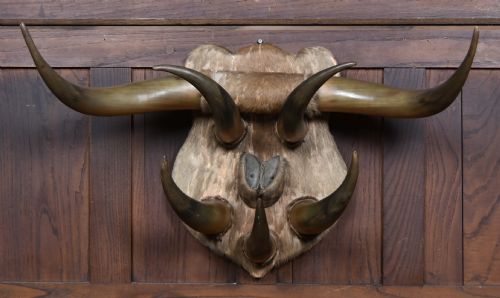
Taxidermy trophies were typically mounted on carved wooden shields or plaques designed to be hung on library or hallway walls.
Antlers, horns and stags' heads served as architectural decoration in country houses and sporting estates.
Are hunting whips still usable?
Historical hunting whips constructed from English leather and fitted with silver collars were built for durability in the field.
Many retain their structural integrity, though contemporary buyers frequently display them alongside equestrian accessories.
How do I identify Black Forest carvings?
Black Forest carvings are distinguished by naturalistic depictions of animals and foliage rendered in dark carved wood.
Items such as barometers and centrepieces feature detailed sculptural elements reflecting 19th-century European craftsmanship.