




Victorian Heraldic Wood Carving
Victorian heraldic wood carving brings coats of arms and armorial crests into your rooms through substantial oak, walnut and mahogany panels, chairs and mirrors.
Victorian Heraldic Wood Carving
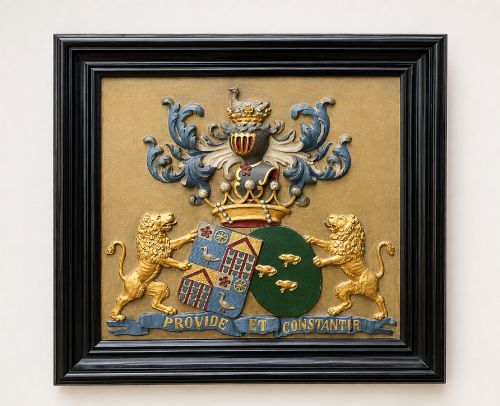
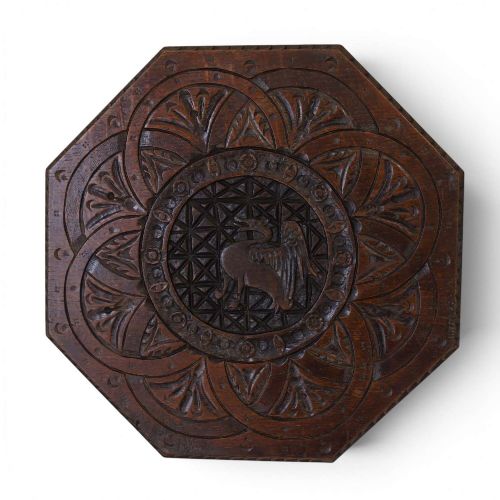
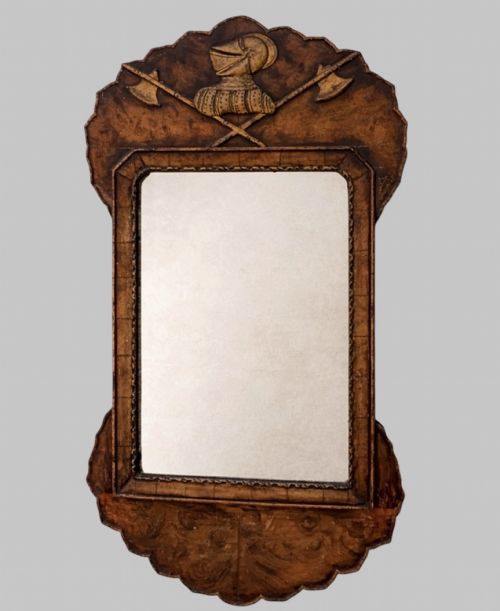
Victorian heraldic wood carving comprises wall plaques, armorial panels, mirrors and seating decorated with family crests and coats of arms. These pieces draw on Gothic Revival, Renaissance Revival and Baroque Revival styles, often incorporating embossed brass or carved fruitwood alongside solid oak, walnut and mahogany.
You will most frequently encounter wall plaques and seating such as hall chairs, armchairs and hall benches dating from the nineteenth century. These objects range from seventeenth-century Dutch examples repurposed into fire screens to nineteenth-century carved marriage plaques and mirrors formed as heraldic shields.
Materials and construction
Makers utilised dense timbers such as oak, walnut and mahogany, often pairing carved wood with chased brass, iron and gilt elements. Fruitwood and carved oak details highlight portraits and armorial crests on panels and cabinets.
The construction relies on deep relief carving, combining cabinetmaking techniques with heraldic embossing and inset brass frames. Joinery on chairs and benches involves solid timber framing suited to heavy domestic use.
Victorian Heraldic Wood Carving Retail Price Guide 2026
Typical asking prices for victorian heraldic wood carving among the pieces listed under this phrase on Sellingantiques today, from the lower quarter to the upper quarter. They describe what is for sale here now, not the wider market.
Listings feature items spanning the seventeenth to the twentieth century, with a strong concentration of nineteenth-century oak, walnut and mahogany pieces.
Distinguishing quality
Quality rests in the crispness and depth of the wood carving, where sharply rendered heraldic details and balanced proportions distinguish superior armorial panels and mirrors from simpler items. The choice of timber grain and the integration of secondary materials like embossed brass further separate standard production from exceptional work.
Authenticity of the heraldic attribution and the integrity of the original structure dictate value, particularly when seventeenth-century elements are incorporated into later pieces or when panels are converted from tabletops into wall plaques.
The Victorian Heraldic Wood Carving Glossary
- Armorial
- Relating to heraldry or coats of arms. These displays often mark family alliances and marriages.
- Cartouche
- An oval or oblong sculptural frame or tablet, usually with ornamental scrollwork. It frequently bears an emblem or inscription.
- Gothic Revival
- An architectural and decorative style drawing inspiration from medieval forms. It dominates much of the nineteenth-century woodwork seen here.
- Repoussé
- Metalwork hammered into relief from the reverse side. This technique appears on the brass elements integrated into wood panels and fire screens.
Victorian Heraldic Wood Carving: Frequently Asked Questions
What are Victorian heraldic wood carvings?
These are decorative items and furniture pieces featuring carved coats of arms, crests and family insignia produced primarily in the nineteenth century.
They reflect an era fascinated by lineage and historical revivals, using materials like oak, walnut and mahogany.
How were armorial plaques used?
Armorial plaques and carved panels served as wall decorations, marriage memorials or centerpieces of domestic display in halls and reception rooms.
Some items originated as tables or cabinet parts before being adapted into wall hangings.
Where should I place these pieces?
Hall benches, armchairs and wall mirrors fit naturally into entrance halls, libraries or studies where their dark timbers and heraldic motifs complement traditional interiors.
Fire screens and framed panels suit placement near fireplaces or as focal points on wood-panelled walls.
How do I date these carvings?
Dating relies on timber selection, carving depth, construction methods and stylistic markers such as Gothic or Renaissance revival influences.
Some pieces incorporate earlier seventeenth-century elements mounted within nineteenth-century frames or brass surrounds.