

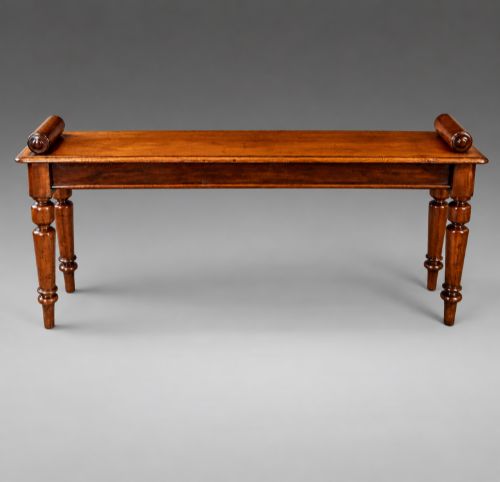
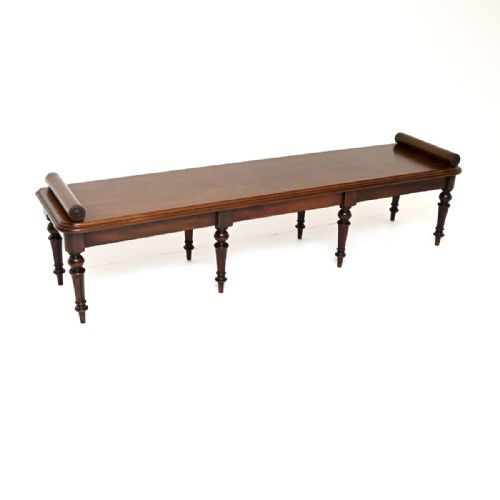
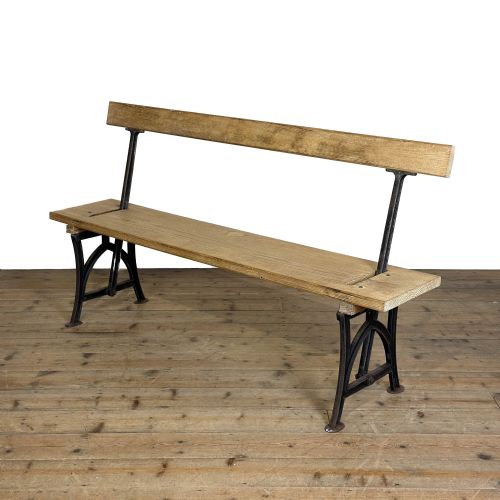
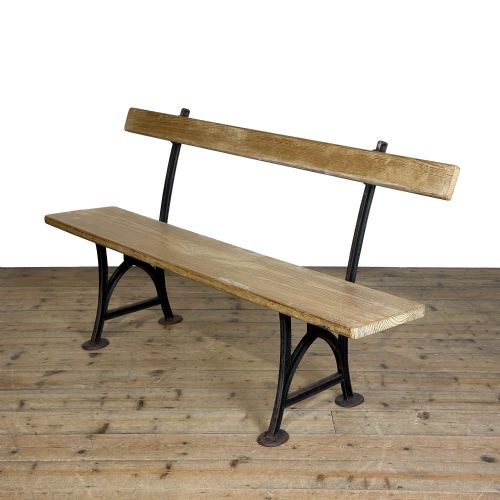

Victorian Hallway Seat
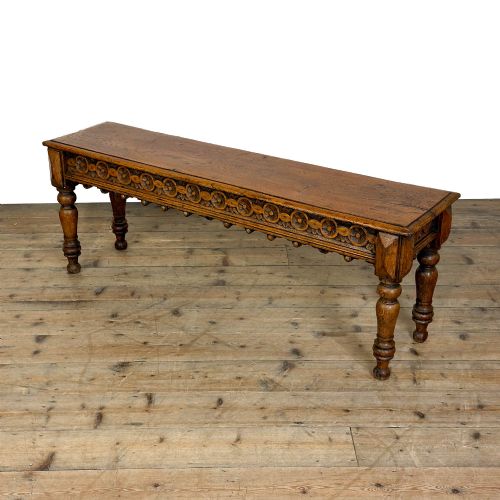
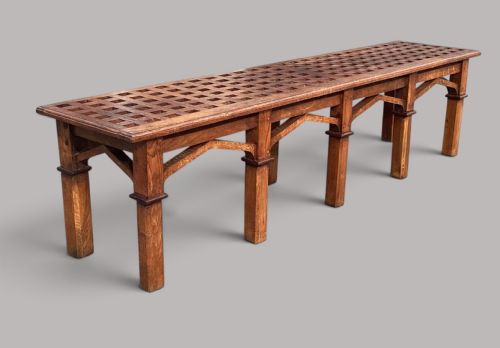
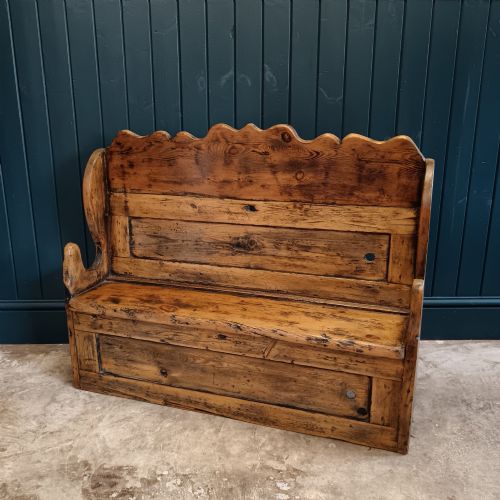
A victorian hallway seat greets visitors the moment they step inside, offering a sturdy place to sit while pulling off boots.
Victorian Hallway Seat
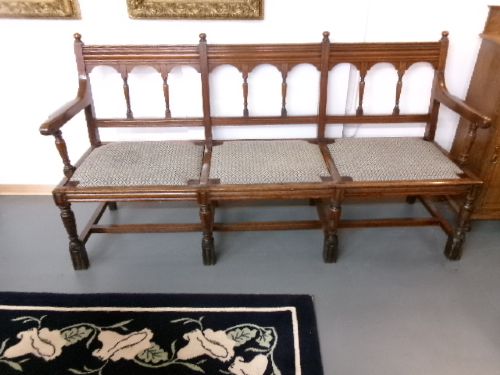
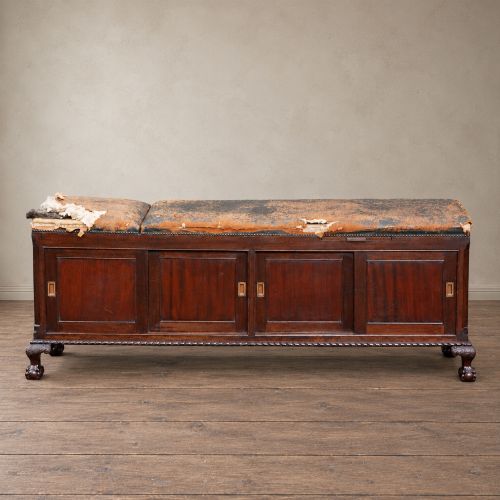
A victorian hallway seat encompasses a broad range of domestic furniture designed specifically for entrance spaces and corridors. Buyers typically encounter sturdy wooden benches, settle boxes, and tall hall stands that combine seating with coat hooks or umbrella storage.
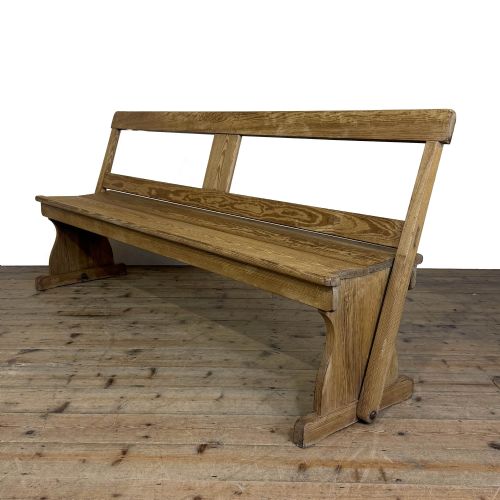
Many examples draw upon earlier traditions, appearing in styles from simple country pine forms to elaborate Gothic Revival and Arts and Crafts interpretations. The selection frequently includes church pews adapted for domestic use alongside dedicated hallway seating.
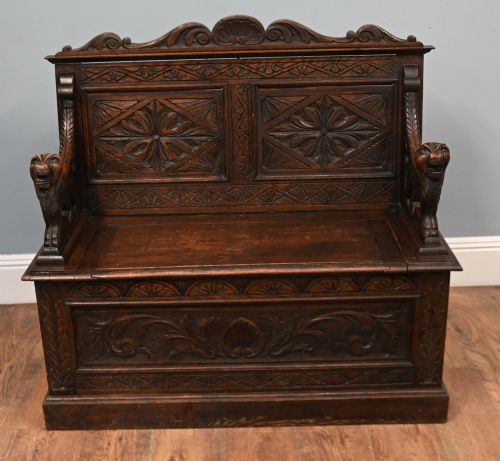
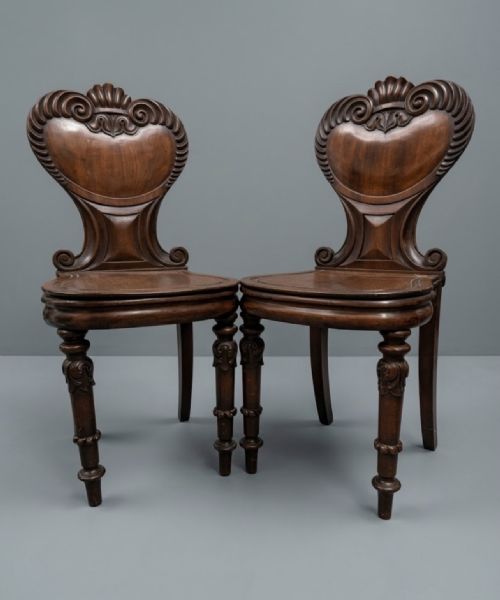
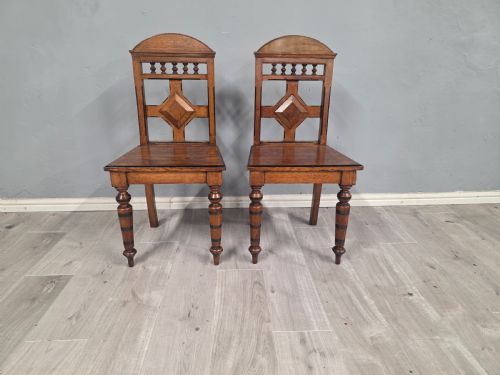
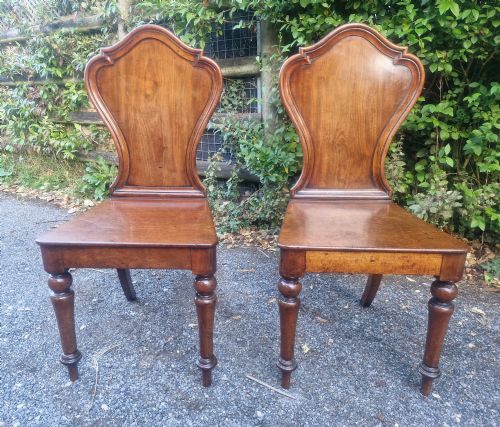
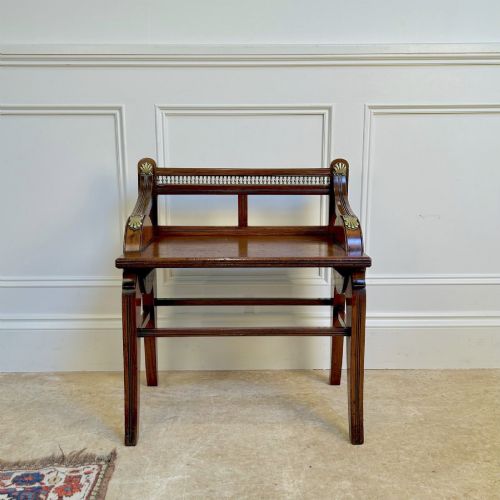
Makers utilised practical forms ranging from compact single-seater chapel pews to expansive oak settles with hinged storage lids. Window seats and pairs of carved side chairs also serve the function of a victorian hallway seat in narrower passages.
Materials and construction
Cabinet makers relied heavily on domestic hardwoods and softwoods, predominantly fashioning these hallway pieces from solid oak, pine, and mahogany. Walnut and pitch pine appear alongside painted finishes, reflecting both regional preferences and the specific demands of utilitarian furniture.
Construction techniques prioritised durability to withstand heavy daily use in busy entrance halls. Joinery often incorporated heavy pegging, robust box settle compartments, and detailed hand-carved heraldic shields or linenfold panels on backrests.
Victorian Hallway Seat Retail Price Guide 2026
Typical asking prices for victorian hallway seat among the pieces listed under this phrase on Sellingantiques today, from the lower quarter to the upper quarter. They describe what is for sale here now, not the wider market.
Listings feature oak, pine, and mahogany alongside styles ranging from Gothic Revival to Arts and Crafts.
Assessing craftsmanship and proportion
Superior examples distinguish themselves through the selection of timber, such as heavily figured oak or well-chosen mahogany, rather than plain utility deals. The depth of hand-carving on back panels and the crispness of architectural details separate standard workshop production from exceptional pieces.
Proportion and scale dictate the success of a piece in a modern interior, with well-balanced dimensions commanding greater interest. Original surfaces, whether waxed pine or polished hardwoods, retain a depth of character that heavily refinished pieces often lack.
Gillows·Jas Shoolbred·James Shoolbred & Co.
The Victorian Hallway Seat Glossary
- Settle
- A wooden bench with a high solid back and enclosed storage beneath the seat. This form protected sitters from draughts in entrance halls.
- Pew
- A long wooden bench originally designed for ecclesiastical settings. Domestic examples in pine frequently entered hallway use.
- Gothic Revival
- An architectural and decorative style drawing inspiration from medieval forms. Pieces often display pointed arches and heavy tracery.
- Arts and Crafts
- A design movement valuing honest construction and visible hand craftsmanship. Furniture from this ethos prioritises utility and plain timber surfaces.
Victorian Hallway Seat: Frequently Asked Questions
What is a hall box settle?
A hall box settle combines a high-backed wooden bench with a hinged seat lid that opens to reveal storage space below.
These pieces were kept in entrance areas to store heavy garments, boots, and walking equipment out of sight.
How do I use a hallway seat today?
A hallway seat provides a practical spot in narrow corridors for sitting down to remove shoes or place bags.
Many versions include integrated umbrella stands or coat hooks that help organise modern entryways.
Are church pews suitable for hallways?
Church pews adapted for domestic hallways offer long, narrow seating that fits neatly against walls without blocking movement.
Their simple pine or pitch pine construction brings robust character to entrance spaces.
What distinguishes Gothic Revival hallway seats?
Gothic Revival pieces display architectural motifs such as pointed arches, tracery panels, and heavy carved woodwork.
These designs reflect a nineteenth-century fascination with medieval craftsmanship.