





Victorian Hallway Light
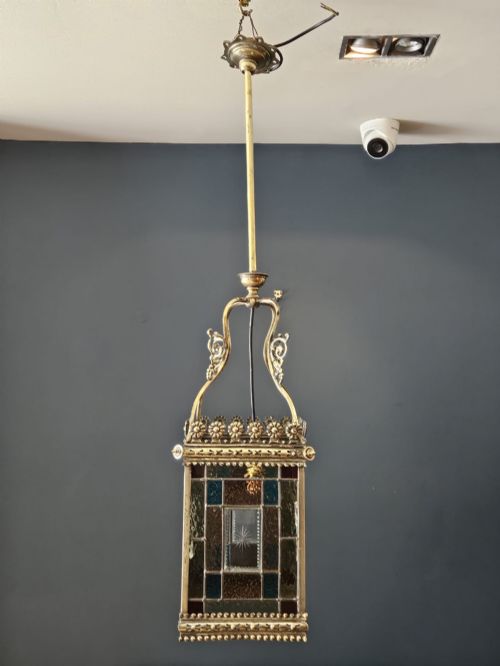
A victorian hallway light casts a welcoming glow through leaded or coloured glass, offering an immediate sense of period character the moment visitors step inside.
Victorian Hallway Light
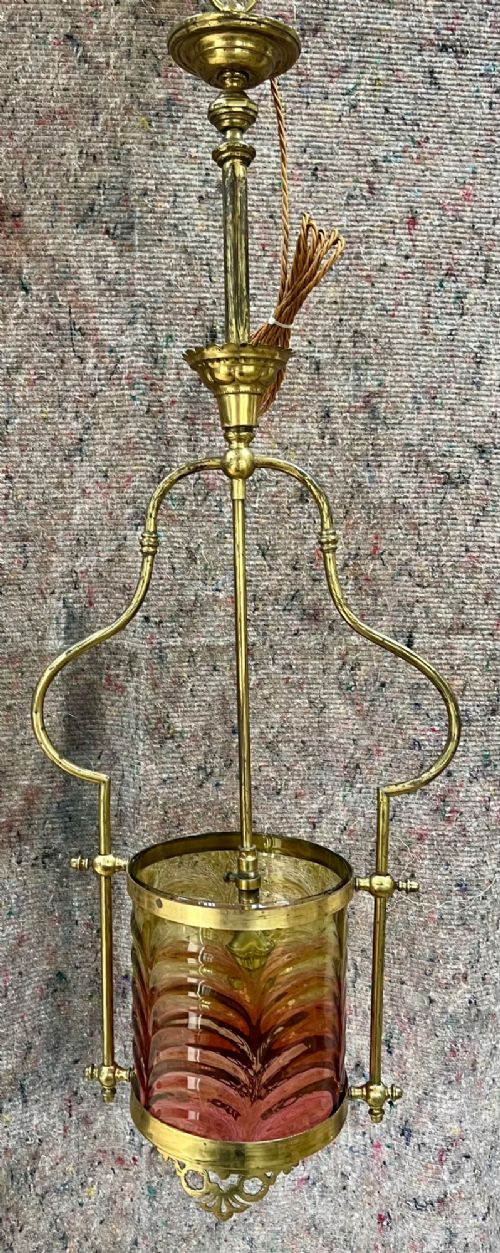
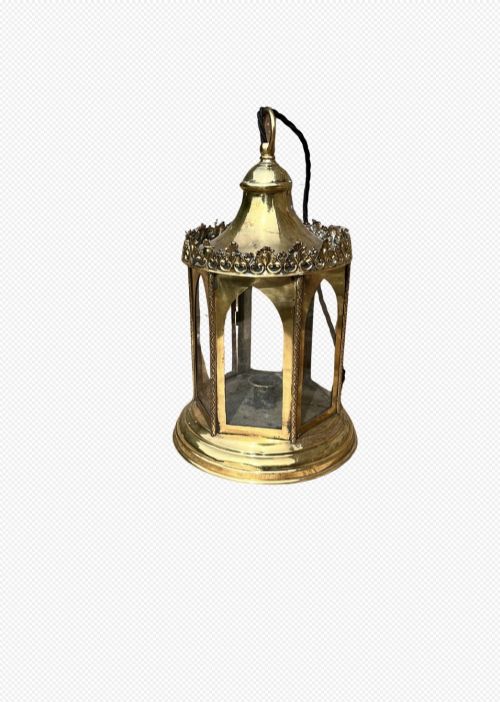
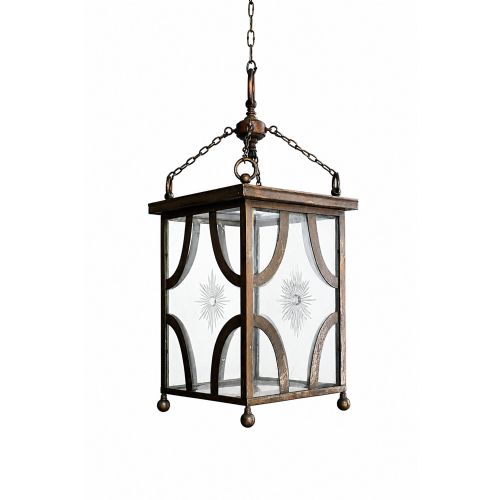
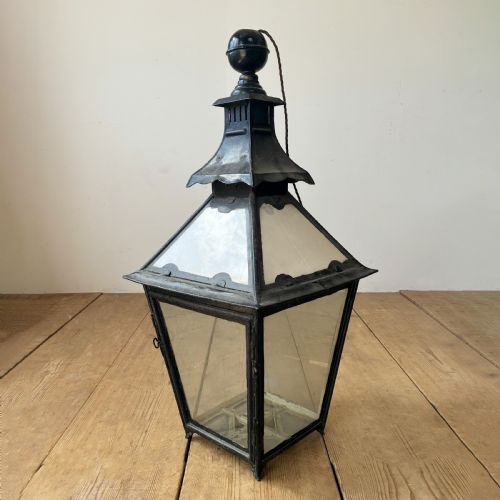
When searching for a victorian hallway light, buyers encounter a focused selection of ceiling fixtures, hanging lanterns, and wall lights designed to illuminate entrance spaces. The primary form met on this page is the hanging brass or copper lantern, frequently fitted with glass panels.
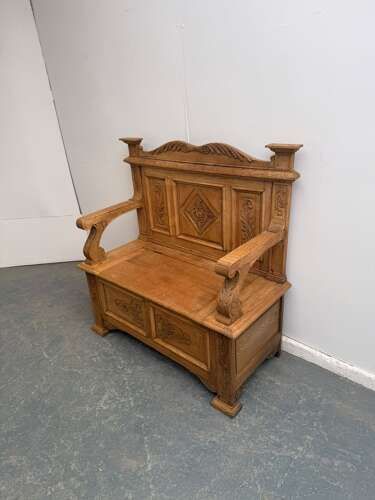
The material palette extends beyond metal and glass to include oak and maple framed mirrors, alongside occasional oak hall benches and settles. Dating spans the nineteenth century into the Edwardian era, incorporating styles such as Gothic Revival and rococo revival.
Lighting origins on this page range from early candle-lit specimens to electrified formats. Alongside lanterns, buyers discover related entrance furniture like serving tables and wall mirrors that complete a period hallway scheme.
Distinctions in quality
Superior examples distinguish themselves through heavier metal gauges, crisp casting detail on brass frames, and complex glasswork such as hand-blown diamond cut crystal. Simpler utility lanterns contrast with elaborate rococo or Gothic Revival designs boasting intricate metalwork and coloured glass.
The integrity of the construction, from secure lead glazing to substantial timber framing in oak pieces, dictates the standing of an item. Original hanging mechanisms and period conversion work also separate standard production from exceptional country house pieces.
Listings combine lighting with oak hall furniture and mirrors, spanning the nineteenth century through the 1940s.
The Victorian Hallway Light Glossary
- Hall lantern
- A ceiling-hung lighting fixture enclosed in glass and metal, specifically proportioned for narrow entrance spaces and corridors. These fixtures often feature hexagonal or round profiles.
- Gothic Revival
- An architectural and decorative style drawing inspiration from medieval forms, frequently seen in lanterns with pointed arches and traceried metalwork. This aesthetic remained popular throughout the nineteenth century.
- Lead glass
- Glass panes held together by flexible lead strips known as cames, allowing for geometric patterns or stained glass effects. It provides both structural support and decorative colour in lanterns.
- Carved settle
- A wooden bench with a high back and enclosed lower storage box, positioned in hallways for seating and removing boots. These pieces frequently employ solid oak.
- Bell jar lantern
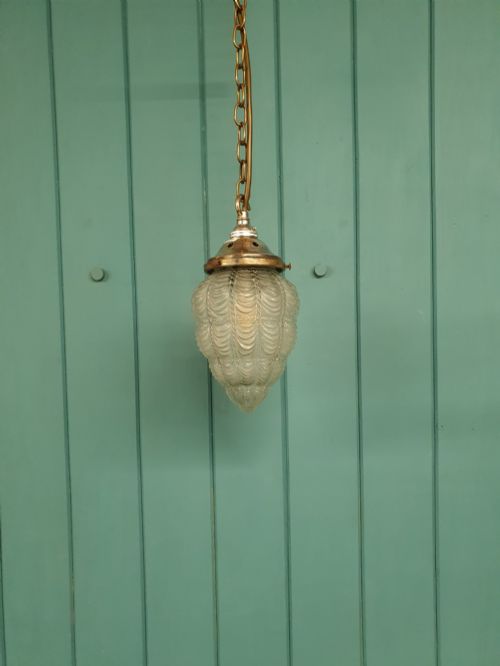
- A lighting fixture featuring a curved glass shade resembling an inverted bell, often complemented by cut crystal details. This form directs light downward effectively in compact spaces.
Victorian Hallway Light: Frequently Asked Questions
How do I hang a heavy brass lantern safely?
Hanging a heavy brass or copper lantern safely requires locating a secure ceiling joist or installing a proper weight-bearing hook. Professional electrical installation ensures the internal wiring supports the historical frame without compromising structural integrity.
Weight distribution matters greatly with antique metal fixtures, particularly larger hexagonal designs. Consulting a qualified electrician guarantees the hanging chain and ceiling rose can bear the load securely.
Were these lights originally electrified?
Many early fixtures on this page began life burning candles or oil before undergoing later conversion to electricity. Traces of early burners or wick adjusters often remain visible inside historical lanterns.
Electrification usually occurred during twentieth-century modernization programmes. Buyers frequently find a mix of original candle-lit configurations and later wired adaptations.
How do I distinguish Gothic Revival from rococo styles?
Gothic Revival pieces display architectural motifs like pointed arches, heavy tracery, and formal symmetry derived from medieval buildings. They project a solid, structured character.
In contrast, rococo style items favour flowing asymmetrical curves, C-scrolls, and organic shell motifs. Gilded brass frames often highlight these lighter, more theatrical flourishes.
What maintenance do antique glass and brass require?
Maintaining antique brass involves gentle dusting and occasional cleaning with non-abrasive cloths to preserve the natural patina. Avoid harsh commercial metal polishes that strip historical surface ageing.
Glass panels benefit from careful removal or wiping with mild glass cleaner while supported in their frames. Ensuring lead cames remain stable prevents glass panes from rattling.