
Victorian Gold Watch
When you search for a victorian gold watch, you find timepieces and associated gold chains from the nineteenth century designed for personal timekeeping and daily wear.
Victorian Gold Watch
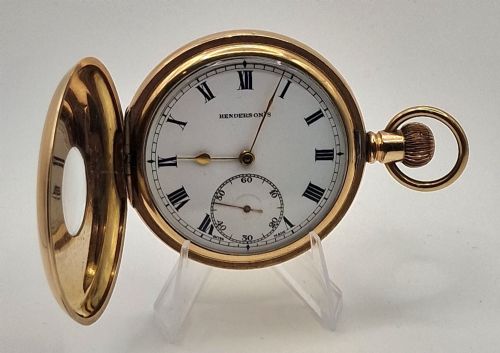
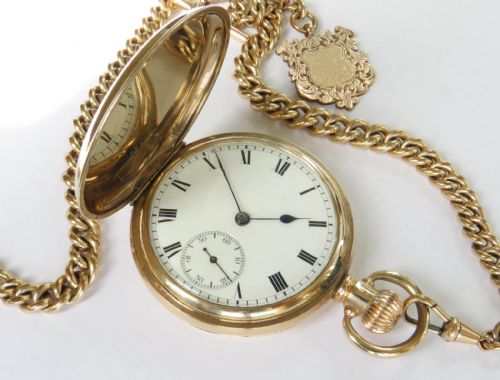
A buyer examining a victorian gold watch typically encounters pocket watches, half hunters, and full hunters alongside related albert chains and fobs. The market encompasses items ranging from solid 18ct yellow or rose gold to rolled gold and 9ct variants made during the nineteenth century.
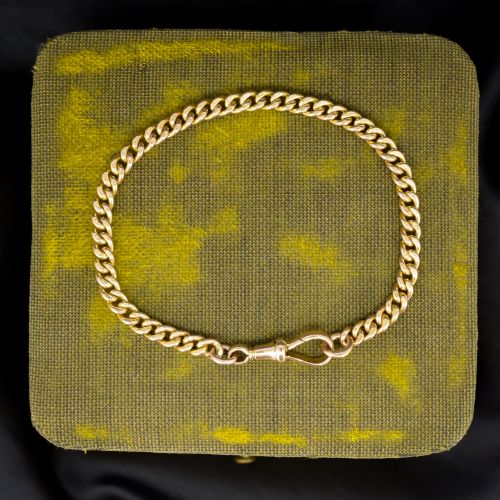
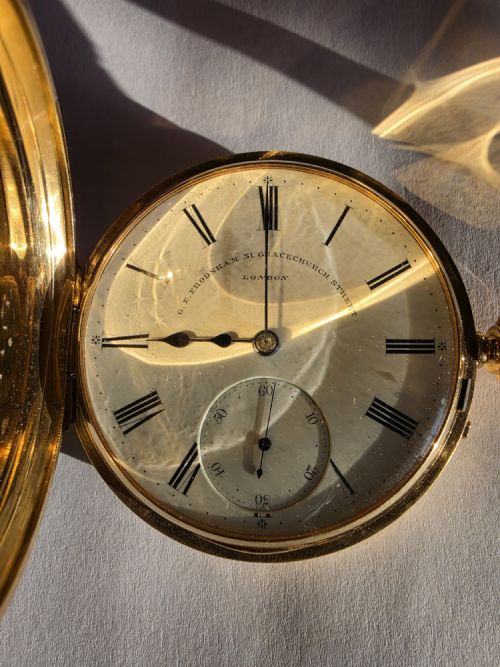
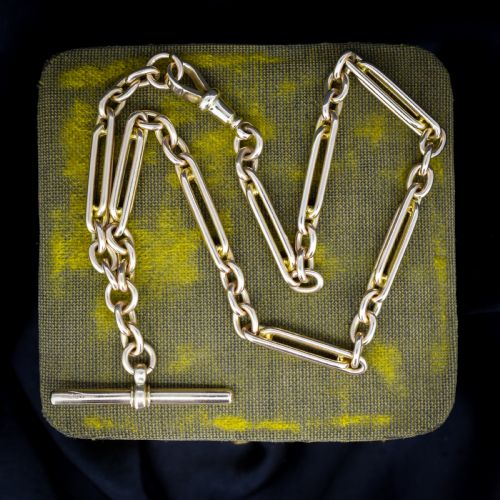
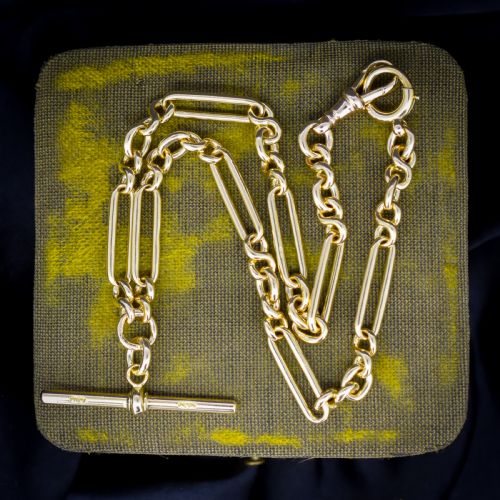
Pocket watches from this period range from simple open-faced designs by makers like Waltham and Frodsham to fusee movements housed in heavy gold cases. Many listings pair these watches with longuard chains, curb links, or trombone links intended to secure the piece to a waistcoat or garment.
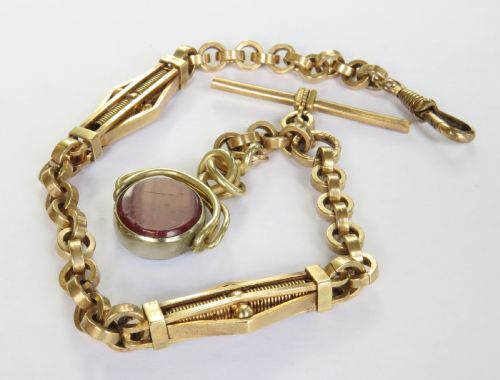
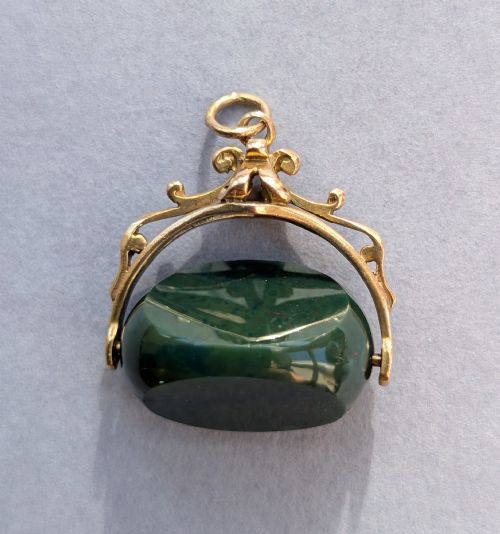
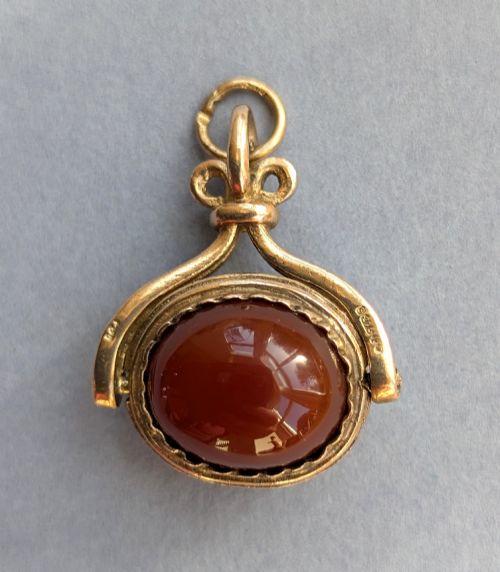
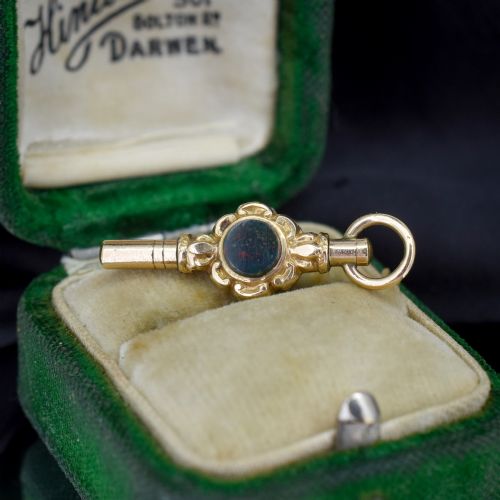
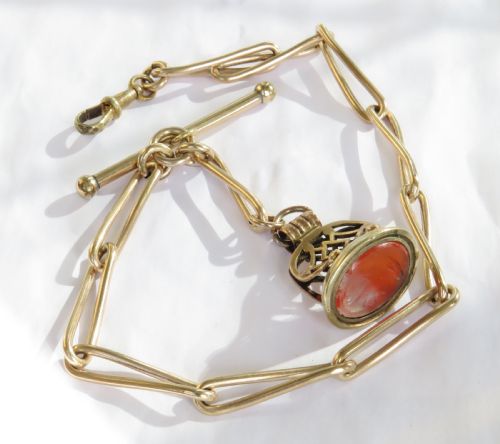
Fobs and charms frequently accompany these chains, incorporating bloodstone, carnelian, and engraved seals. These decorative elements reflect the functional requirements and personal style of Victorian dress.
Materials and Construction
Makers utilised various grades of gold, notably 9ct, 15ct, and 18ct yellow and rose gold, alongside rolled gold for more accessible pieces. Glass protected the dial fronts of pocket watches, while internal mechanical movements relied on hand-finished brass and steel components.
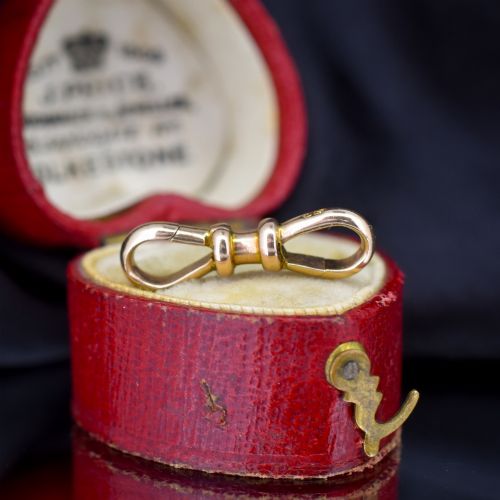
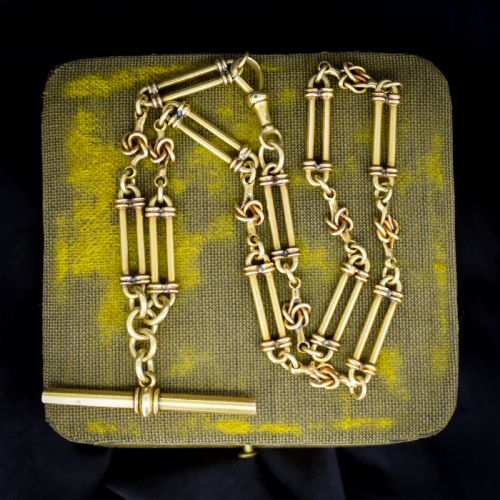
Watch chains and fobs incorporated hollow or solid links, tubular bars, and dog clips assembled by hand. Gemstones such as bloodstone and carnelian were bezel-set into rotating or stationary fobs, often featuring hand-engraved initials or heraldic crests.
Listings feature yellow gold, rose gold, and rolled gold across Victorian, Edwardian, and Art Deco periods, encompassing pocket watches, chains, and fobs.
Factors Determining Quality
The standard of a victorian gold watch depends largely on the weight of the metal and the reputation of the movement maker. Heavy solid gold cases and fully jewelled lever movements by notable makers command greater interest than rolled gold alternatives or unsigned mechanisms.
The integrity of the chain links, the original function of the dog clips and T-bars, and the crispness of hand-engraving on attached fobs distinguish superior examples from standard production pieces.
The Victorian Gold Watch Glossary
- Albert chain
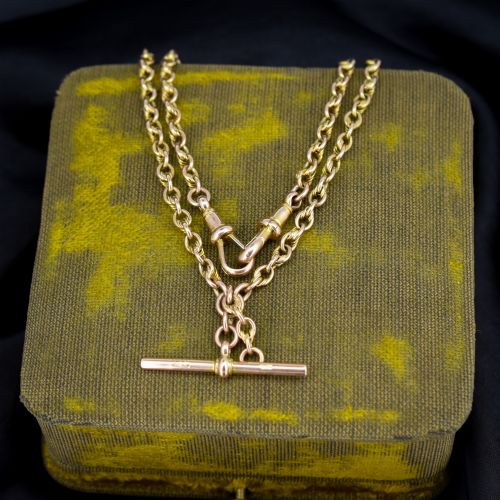
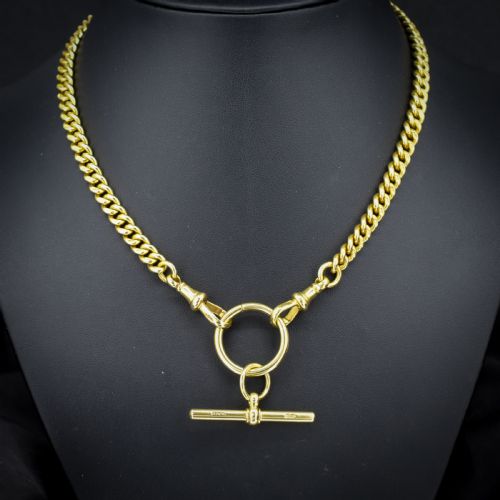
- A pocket watch chain designed to be worn across a waistcoat, named after Prince Albert. These chains frequently feature a T-bar at one end and a dog clip at the other.
- Half hunter
- A pocket watch featuring a case with a small glass-covered central aperture on the outer lid. This allows the wearer to check the time without opening the case.
- Fusee
- A conical pulley mechanism used in older pocket watches to equalize the declining power of the mainspring as it unwinds. It represents a higher level of watchmaking skill.
- Spinning fob
- A pendant attached to a watch chain containing a rotating stone or seal, often set with bloodstone on one side and carnelian on the other.
- Dog clip
- A spring-loaded swivel clasp attached to watch chains and bracelets to secure fobs or secure the chain to a garment buttonhole.
Victorian Gold Watch: Frequently Asked Questions
How do I wear a pocket watch chain today?
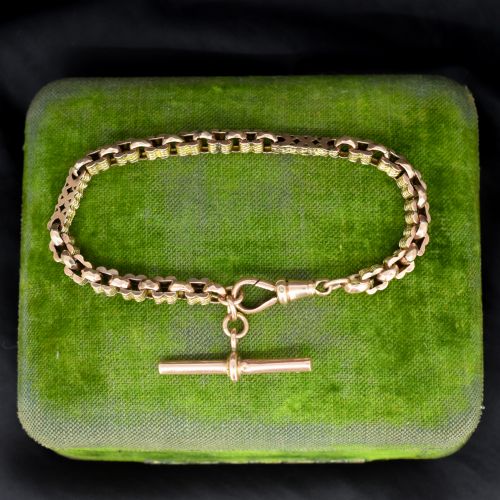
Many buyers repurpose vintage watch chains to wear as necklaces or bracelets by fastening the dog clips to existing links. Others attach them to waistcoats or belts using the original T-bar.
The substantial links and varied lengths, such as trombone or curb patterns, lend themselves well to contemporary jewellery display while retaining their historical function.
What gold purity should I look for?
Victorian items appear in various gold standards, including 9ct, 15ct, and 18ct, alongside rolled gold versions. Higher carat numbers indicate a greater proportion of pure gold in the alloy.
Solid 18ct pieces offer a richer colour and heavier weight, whereas 9ct and 15ct varieties were widely used for durable daily wear during the period.
What are watch fobs used for?
Watch fobs served as decorative pendants suspended from albert chains, often incorporating hardstones like bloodstone or carnelian used as signet seals for stamping wax. They added weight to the chain and displayed personal taste or affiliation.