

Victorian Gold T Bar
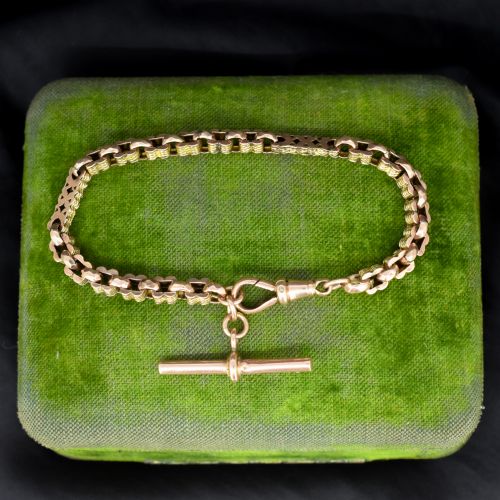
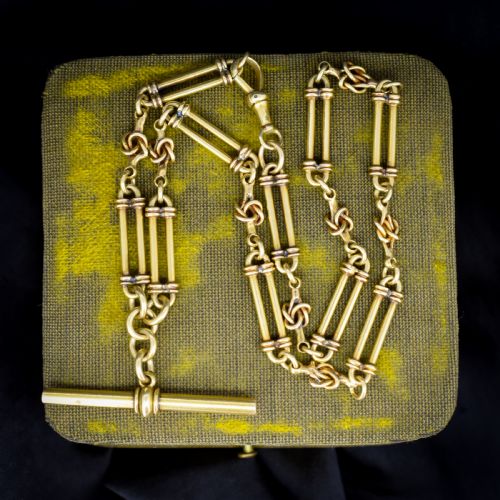
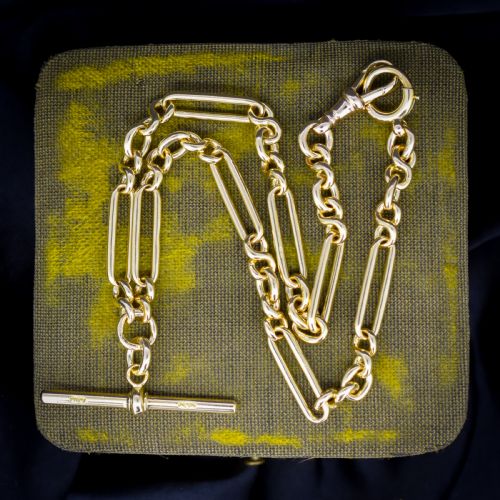
A victorian gold t bar anchors a pocket watch chain or secures a lapel, bridging functional horology and refined nineteenth-century ornament.
Victorian Gold T Bar
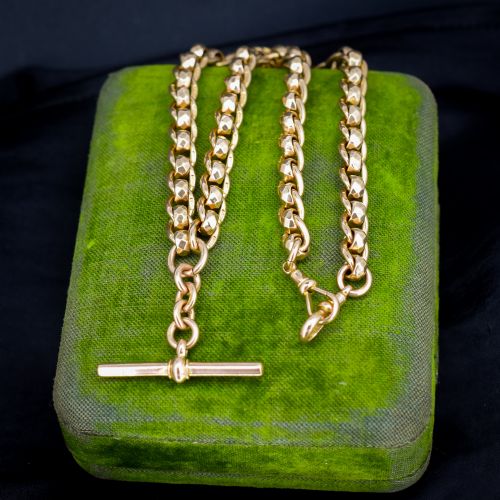
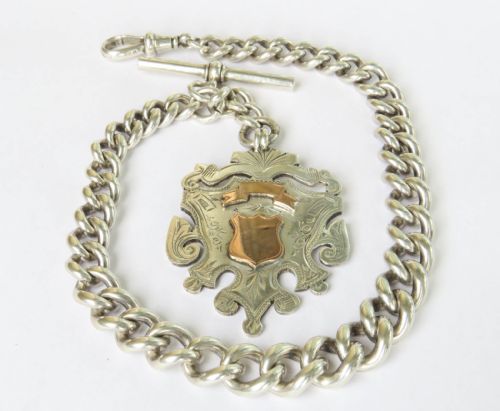
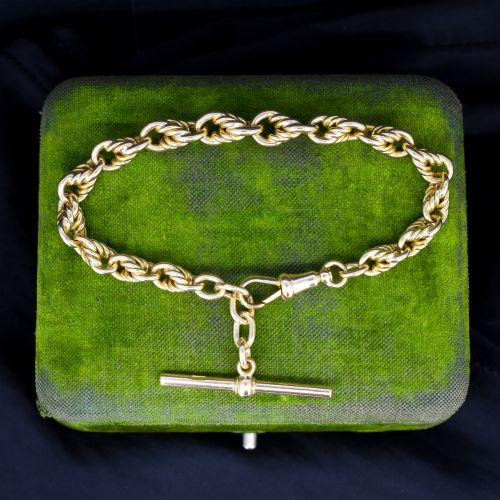
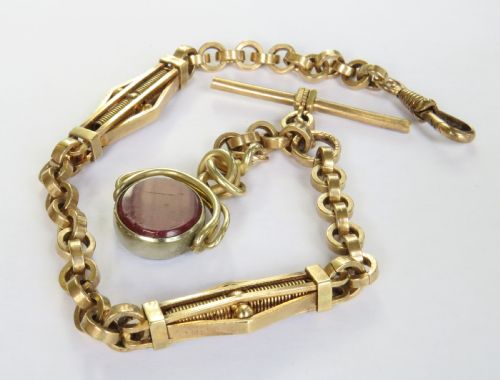
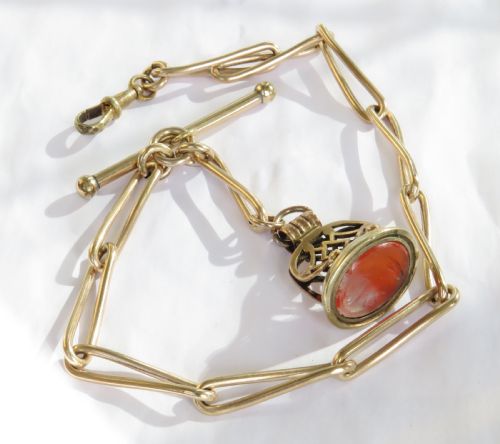
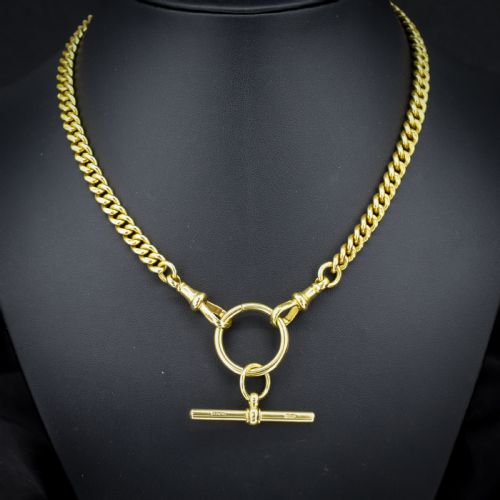
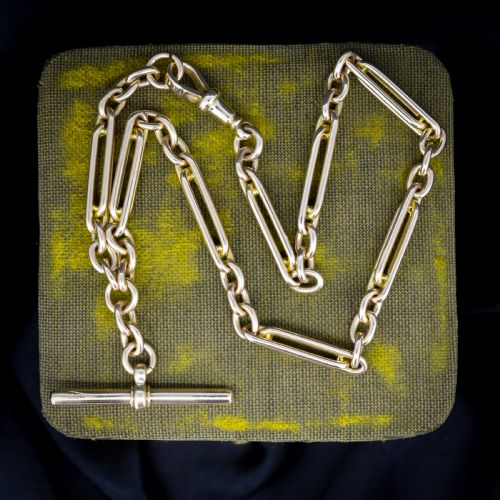
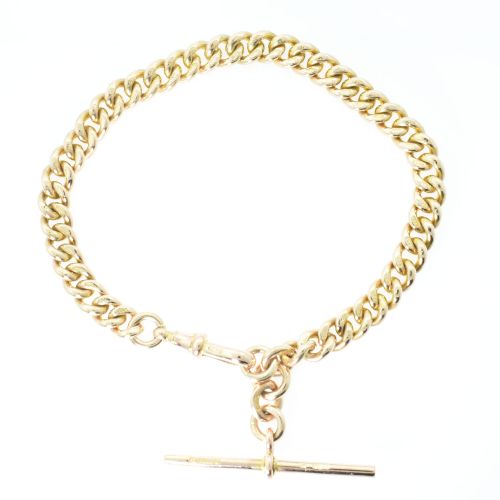
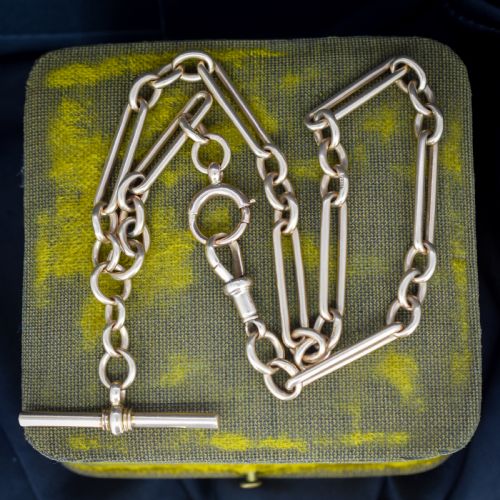
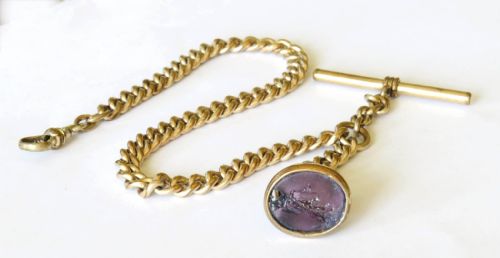
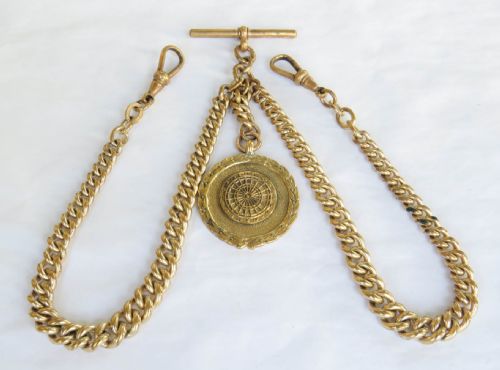
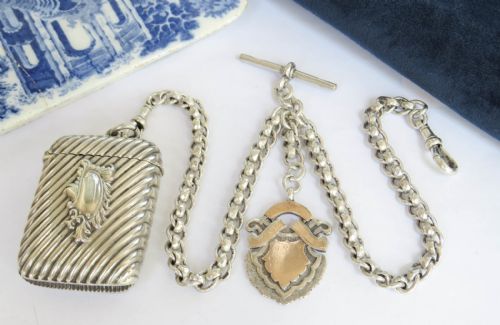
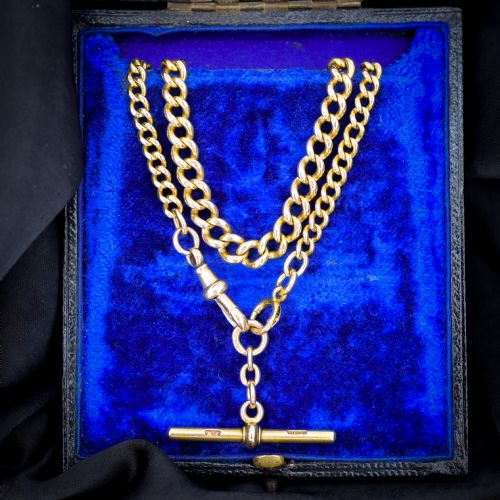
A victorian gold t bar typically appears suspended from a pocket watch chain, often called an albert chain, or integrated into bar brooches and bracelets from the nineteenth century and the early twentieth century.
The selection spans substantial curb, trombone, and paperclip link chains alongside gem-set bar brooches featuring seed pearls, garnets, diamonds, and opals.
Pieces originate predominantly from the Victorian and Edwardian periods, stretching into the 1920s and 1930s with rolled gold and higher carat variations.
Materials and Construction
Goldsmiths utilised 9ct gold, 15ct gold, 18ct gold, and rolled gold, frequently shaping the metal into hollow or solid links, tubular bars, and intricate wirework.
Gemstones such as turquoise, almandine garnets, rubies, sapphires, and seed pearls were flush-set or claw-set into pins and fob pendants.
Secure fastening relied upon functional components including dog clips, bolt rings, barrel clasps, and swivels soldered directly to the chain assemblies.
Victorian Gold T Bar Retail Price Guide 2026
Typical asking prices for victorian gold t bar among the pieces listed under this phrase on Sellingantiques today, from the lower quarter to the upper quarter. They describe what is for sale here now, not the wider market.
Listings demonstrate a frequent pairing of 9ct and 15ct rose gold alongside rolled gold across the Victorian, Edwardian, and 1920s eras.
Assessing the Pieces
Gold purity heavily influences the piece, distinguishing high-carat 15ct and 18ct examples from standard 9ct gold and rolled gold alternatives.
Construction weight and link integrity separate hollow, everyday chains from heavier, solid curb and trombone variations designed to endure daily wear.
Gemstone selection and the intricacy of auxiliary elements, such as engraved fobs or matched seed pearls, elevate standard items into finer specimens.
The Victorian Gold T Bar Glossary
- T-Bar
- A short horizontal bar attached by a small length of chain to a pocket watch chain, designed to pass easily through a waistcoat buttonhole.
- Albert Chain
- A pocket watch chain named after Prince Albert, worn across the chest or waistcoat and often fitted with dog clips and a T-bar.
- Dog Clip
- A small spring-loaded snap hook used on watch chains and bracelets to attach fobs, pendants, or secure the chain end.
- Bar Brooch
- A decorative pin featuring a narrow horizontal metal bar, frequently embellished with gemstones, pearls, or central motifs.
- Trombone Link
- An elongated hollow or solid rectangular watch chain link resembling the slide of a musical instrument.
- Rolled Gold
- A manufacturing technique where a layer of gold is mechanically bonded to a base metal core, providing the appearance of solid gold.
Victorian Gold T Bar: Frequently Asked Questions
How was a T-bar worn originally?
In the nineteenth century, gentlemen threaded the T-bar through a central buttonhole of a waistcoat to anchor a pocket watch tucked securely into the pocket.
The watch chain draped across the front, displaying any attached fobs or seals while keeping the timepiece safely tethered.
Can I wear an antique watch chain as a necklace?
Many watch chains and albert chains adapt readily for contemporary wear as necklaces or bracelets, depending on their length and weight.
The integrated dog clips and spring rings allow the T-bar to drop gracefully at the front or detach entirely.
What is the difference between 9ct and 15ct gold?
Fifteen-carat gold contains a higher proportion of pure gold than 9ct gold, yielding a richer, warmer tone traditionally favoured in Victorian high-end jewellery.
Nine-carat gold offers greater durability for daily utility while retaining the genuine period aesthetic of the era.
How do I identify a bar brooch?
A bar brooch presents a distinct linear metal frame stretching horizontally across the garment, pinned safely with a rolling C-clasp or safety catch.
These pieces often highlight a central cluster of seed pearls, garnets, or diamonds mounted directly onto the central bar.