




Victorian Gold Photo Locket
A victorian gold photo locket carries portraits and keepsakes close, prized for its miniature intimacy and intricate period craftsmanship.
Victorian Gold Photo Locket
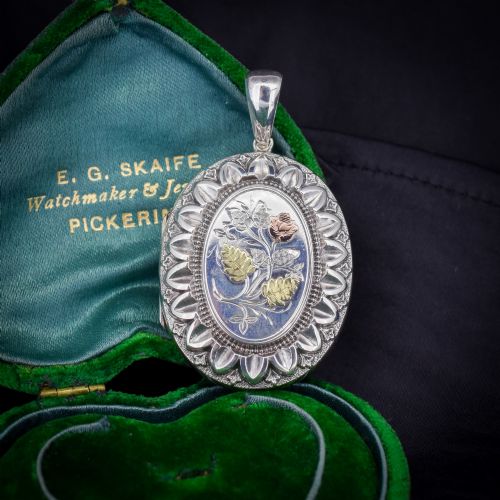
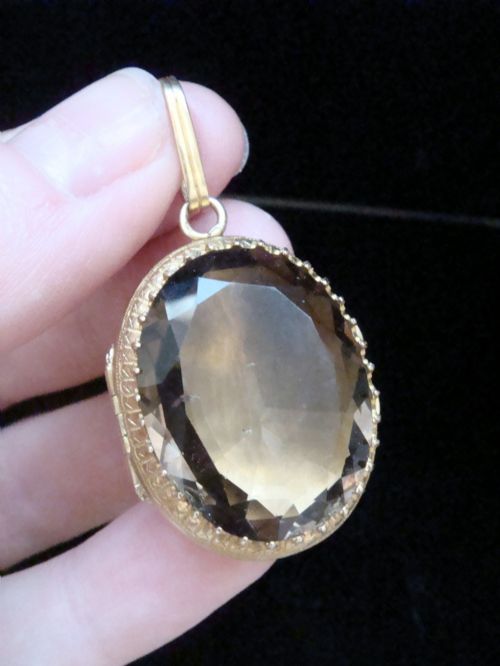
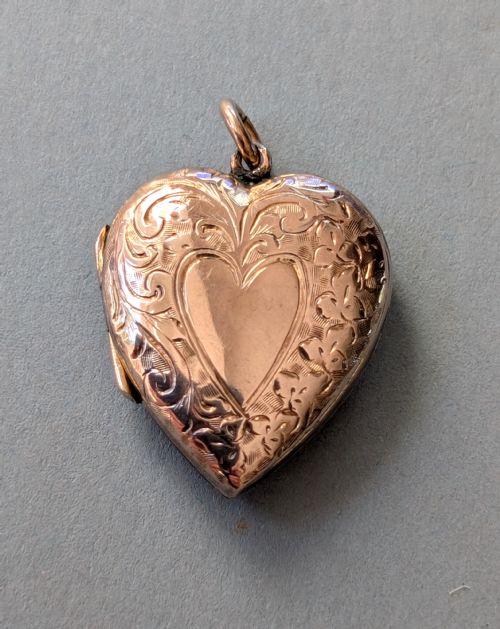
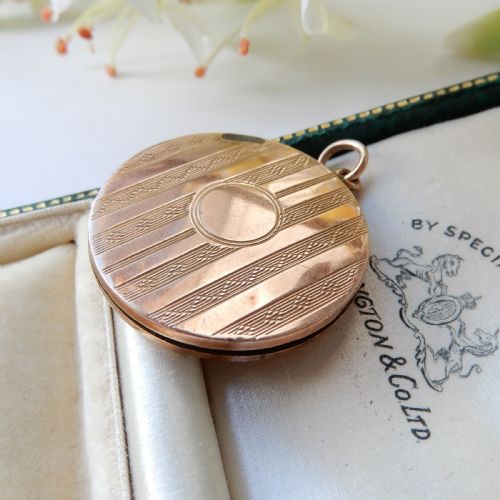
A victorian gold photo locket typically takes the form of an oval, round or heart-shaped pendant designed to hold miniature photographs or hair. These pieces span the nineteenth century and extend into Edwardian and later revivals, reflecting diverse stylistic influences from Georgian traditions to Belle Epoque elegance.
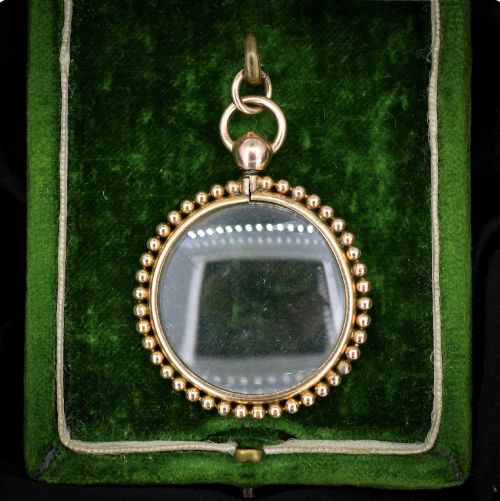
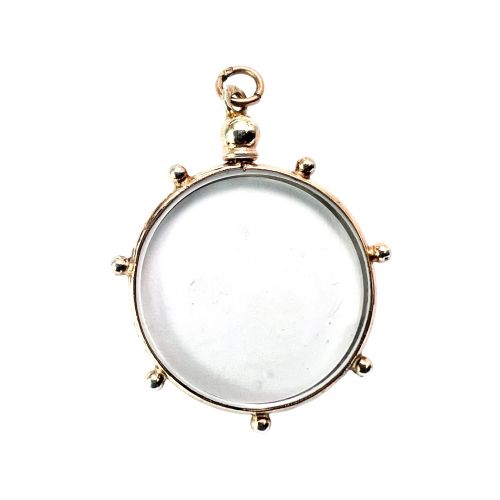
The versions most commonly met on this page include 9ct and 18ct yellow or rose gold pendants featuring ornate engravings, floral motifs, or glass-fronted compartments. Some examples incorporate multi-photo family frames or mimic pocket watches, while others function as mourning pieces adorned with enamel and pearls.
Materials and Construction
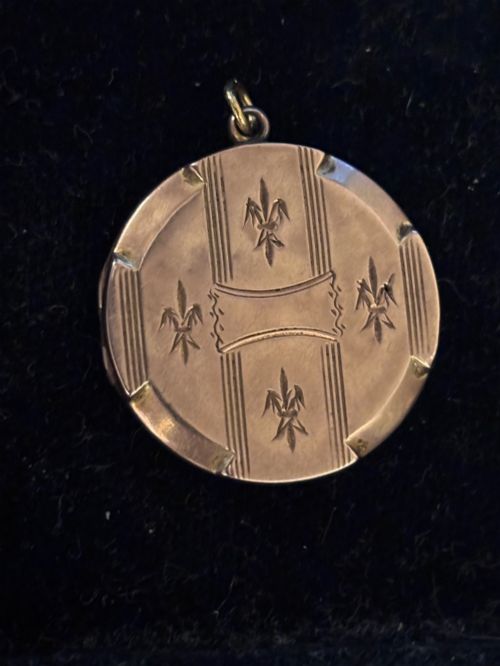
Makers constructed these lockets primarily from 9ct and 18ct gold, alongside rolled gold and gold-on-silver combinations, often employing engine-turning and detailed engraving for exterior texture. Interior compartments frequently utilise glass covers to secure photographs or woven hair work.
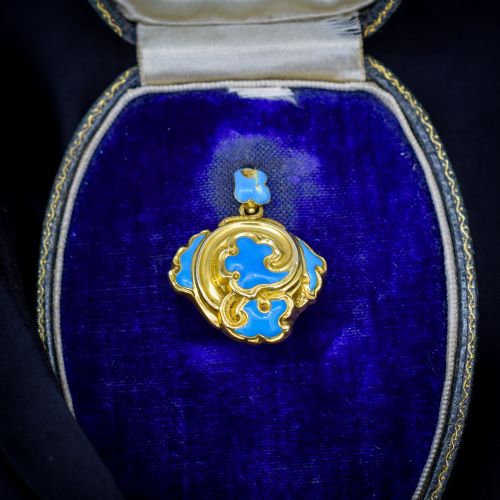
Decoration relies on applied gemstones such as diamonds, turquoise, sapphires, rubies and pearls, alongside polychrome enamel work. Mourning and sentimental pieces integrate these elements with high-carat yellow and rose gold to create lasting commemorative jewellery.
Victorian Gold Photo Locket Retail Price Guide 2026
Typical asking prices for victorian gold photo locket among the pieces listed under this phrase on Sellingantiques today, from the lower quarter to the upper quarter. They describe what is for sale here now, not the wider market.
Listings feature 9ct and 18ct gold alongside glass, enamel, pearl, and diamond materials across Victorian and Edwardian periods.
Determinants of Quality
Quality rests upon the purity of the metal, ranging from rolled gold and gold back-and-front constructions to solid high-carat 15ct and 18ct gold bodies. Superior examples display crisp, hand-engraved foliate patterns, precise engine-turning, and robust hinge mechanisms.
The presence and selection of gemstones, hand-painted miniatures or intricate enamel and pearl star motifs elevate a piece above standard production. Superior execution in glass-fronted frames and internal picture surrounds distinguishes finer workshop output.
B and F
The Victorian Gold Photo Locket Glossary
- Back and Front
- A method of construction where the exterior shell of the locket consists of gold while the internal framing or backing employs a base metal.
- Engine-Turned
- A decorative technique involving precise geometric patterns carved mechanically into the metal surface using a lathe.
- Mourning Locket
- A commemorative piece of jewellery created to remember a deceased person, frequently incorporating woven hair, enamel, and pearls.
- Rolled Gold
- A material formed by bonding a thin sheet of gold to a base metal core, providing the appearance of solid gold.
- Belle Epoque
- A period of refined stylistic elegance spanning the late nineteenth and early twentieth centuries, known for delicate sapphire and diamond work.
Victorian Gold Photo Locket: Frequently Asked Questions
What fits inside a victorian gold photo locket?
These pieces were designed to hold small paper photographs, painted miniatures, or sentimental locks of human hair. Many configurations allow for multiple images within folding frames or behind glass panels.
Interior spaces vary according to the shape and depth of the pendant. Round, oval and heart formats each accommodate specifically trimmed portraits secured by thin metal rims.
How do I date a victorian gold photo locket?
Dating relies upon hallmarks, carat stamps, stylistic motifs, and construction methods. Pieces from the middle of the nineteenth century often feature heavy engine-turning and mourning elements, while later Edwardian examples incorporate lighter high-carat mounts and gemstones.
Enamel colours, clasp designs, and the presence of glass-fronted compartments also provide chronological clues. Stylistic overlaps with Georgian traditions or later 1950s revivals help narrow the era of manufacture.
Can I wear a locket every day?
Wearing these pieces daily depends upon the gold carat, clasp security, and internal glass components. Solid 18ct gold items offer greater durability than rolled gold or back-and-front variants.
Care must be taken to protect antique glass faces and delicate enamel or pearl decorations from impact. Removing the pendant during physical activity prevents wear to the hinges and engraving.