

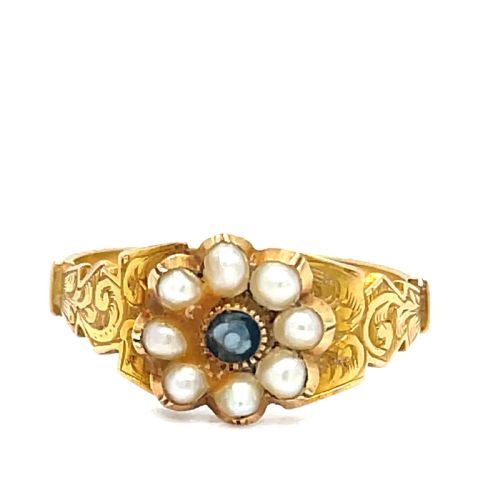


Victorian Gold Pearl Ring
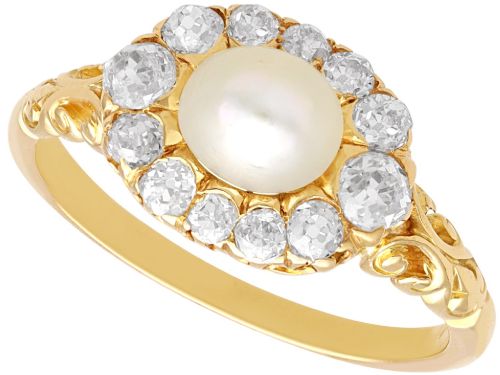
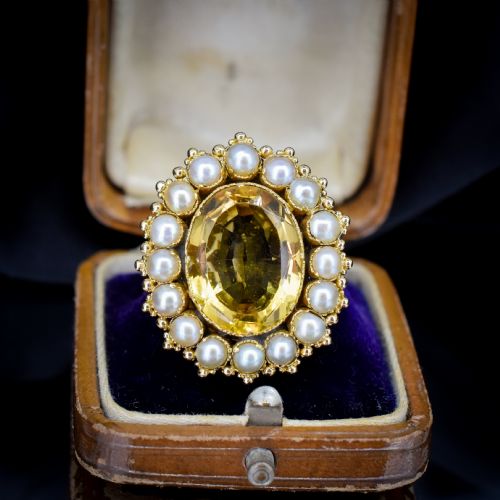
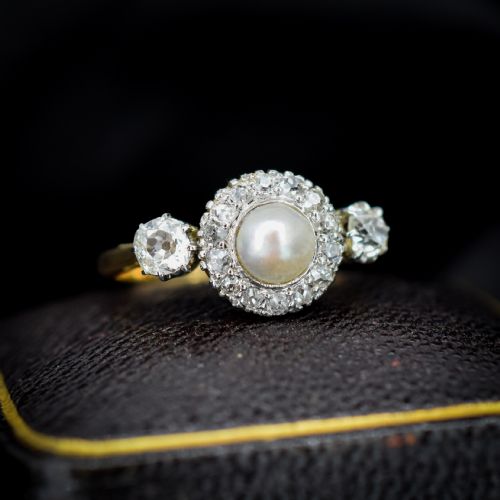
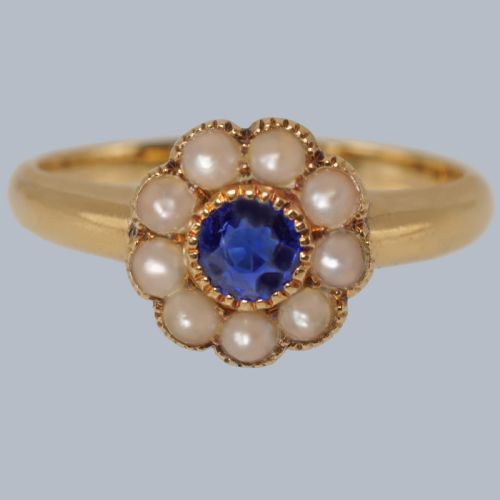
A victorian gold pearl ring brings together luminous organic gems and rich metalwork from the nineteenth and early twentieth centuries.
Victorian Gold Pearl Ring
A victorian gold pearl ring encompasses various historical designs, predominantly featuring cluster formations, band configurations, and multi-stone settings. Buyers searching this phrase will find pieces originating from the Victorian and Edwardian eras, alongside later revival examples.
The selections span simple gold bands set with split pearls to elaborate navette and halo cluster designs incorporating coloured gemstones like turquoise, amethyst, garnet, and diamond. Memorial pieces, including mourning rings containing enamel and agate, also appear alongside traditional dress rings.
Materials and construction
Gold forms the structural foundation of these rings, utilised in varying purities including nine, fifteen, and eighteen carat yellow and rose varieties. Goldsmiths shaped this metal into sturdy bands, intricate bezels, and multi-row configurations to securely house the gems.
Pearls and seed pearls are integrated alongside coloured stones such as turquoise, garnet, ruby, and diamond, often arranged in floral clusters or alternating stone bands. Enamelwork and carved stones occasionally supplement the primary gems in mourning and decorative rings.
Evil eye motifs occasionally peer out from Edwardian gold bands, watching over the wearer with tiny turquoise beads.
Distinctions in quality
The standard of a victorian gold pearl ring relies heavily on the integrity of the pearls and the precision of the metalwork. Higher grade examples exhibit well-matched, lustrous pearls with minimal surface blemishes and secure claw or bezel settings.
The weight and purity of the gold, alongside the complexity of the design such as hand-engraved shanks or intricate gallery work, separate finer pieces from standard production. The inclusion of certified gemstones and legible hallmarks further distinguishes superior specimens.
The Victorian Gold Pearl Ring Glossary
- Seed pearl
- A very small natural or cultured pearl, often drilled and threaded or set collectively in clusters.
- Split pearl
- A pearl that has been halved, typically used in nineteenth-century jewellery to sit flush against a gold backing.
- Navette
- A boat-shaped gemstone setting, also known as a marquise cut, which elongates visually along the finger.
- Mourning ring
- A commemorative piece of jewellery containing hair, enamel, or dark stones, created to remember a deceased person.
- Halo cluster
- An arrangement where a central gemstone is completely surrounded by a ring of smaller stones, such as pearls or diamonds.
Victorian Gold Pearl Ring: Frequently Asked Questions
How do I care for a pearl ring?
Pearls are organic and relatively soft, requiring gentle cleaning with a soft cloth and avoidance of harsh chemicals or ultrasonic cleaners.
Store them separately from harder gemstones to prevent scratching the delicate nacre surface over time.
Are these pearls natural or cultured?
Many nineteenth-century pieces incorporate natural saltwater pearls formed without human intervention, whilst others utilise seed pearls.
Gemmological testing is generally required to definitively separate natural pearls from later cultured alternatives.
What is a mourning ring?
Mourning rings were commissioned to remember deceased loved ones, frequently incorporating black enamel, hairwork beneath crystal, and dark gems like garnets or jet.
They serve as poignant historical artefacts reflecting Victorian social customs surrounding bereavement and remembrance.
How can I tell the difference between Victorian and Edwardian rings?
Victorian rings often feature heavier gold weights, romantic motifs like flowers and snakes, and rose-cut diamonds or coloured stones.
Edwardian pieces generally lean towards lighter, airier platinum or yellow gold settings, frequently incorporating milgrain edges and bright old-cut diamonds.