



Victorian Gold Locket Necklace
These victorian gold locket necklace pieces combine sentimental remembrance with intricate metalwork, offering wearers a tangible link to nineteenth-century design.
Victorian Gold Locket Necklace
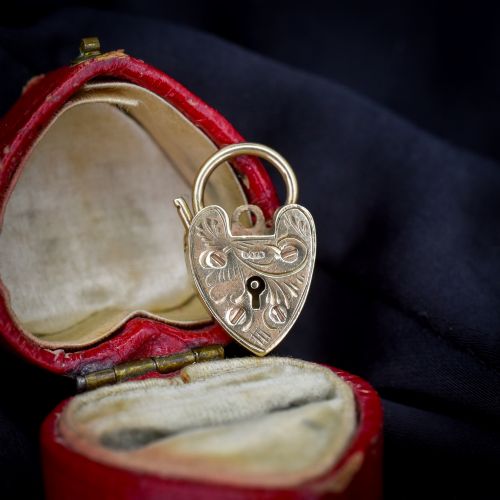
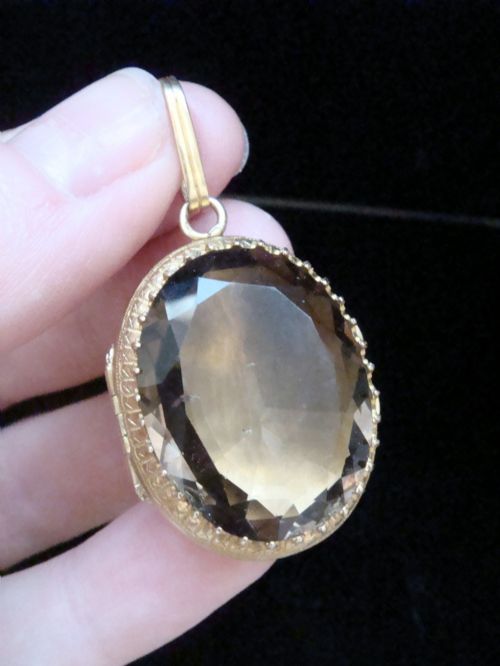
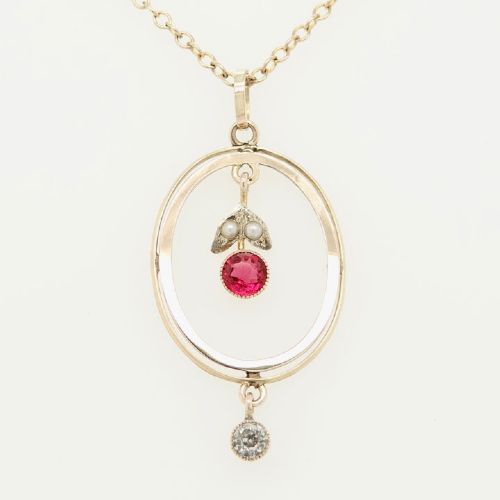
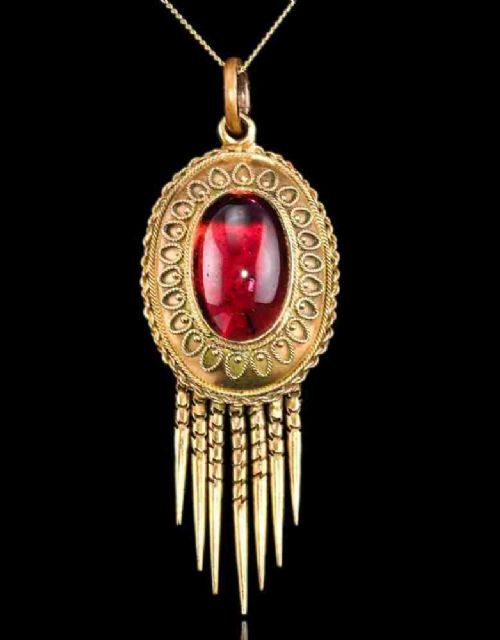
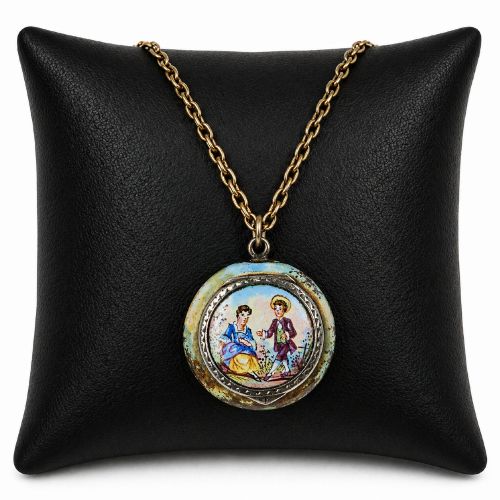
When you search for a victorian gold locket necklace, you encounter items designed to hold photographs, hair, or small mementoes close to the heart. The forms range from simple engraved heart padlocks and round lockets to elaborate puffy hearts, star motifs, and double-sided glazed compartments.
Most examples originate from the Victorian period, spanning decades from the eighteen-sixties through the eighteen-nineties, alongside related Edwardian pieces and early twentieth-century variations. These items function simultaneously as jewellery and miniature portable shrines, often suspended from matching chains or collars.
Materials and construction methods
Goldsmiths utilised varying purities of yellow and rose gold, notably nine-carat, fifteen-carat, and eighteen-carat standards, alongside gilt metal and silver combinations. Pieces frequently employ hollow construction techniques like repousse work to create puffed heart shapes without excessive weight.
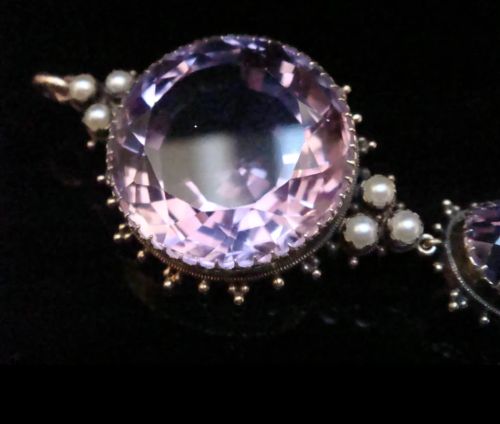
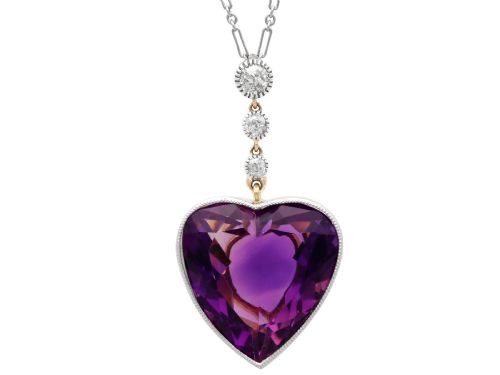
Surface decoration relies heavily on seed pearls, rose-cut diamonds, garnets, amethysts, turquoise, and coloured enamel work. Artisans also incorporated specialist techniques including pietra dura inlay, niello work, and detailed hand engraving to adorn the exterior surfaces.
Victorian Gold Locket Necklace Retail Price Guide 2026
Typical asking prices for victorian gold locket necklace among the pieces listed under this phrase on Sellingantiques today, from the lower quarter to the upper quarter. They describe what is for sale here now, not the wider market.
Current listings feature materials ranging from seed pearls and turquoise to nine-carat and fifteen-carat gold across the Victorian period.
Factors that distinguish individual pieces
Quality differentiates itself through the depth and clarity of the hand engraving and the complexity of gemstone settings. Pieces featuring high-carat gold alongside securely mounted stones like diamonds, opals, or large amethyst cabochons demonstrate superior craftsmanship.
The integrity of the internal framing, including glass photo compartments and secure hinge mechanisms, dictates the functional standard. Intricate decorative additions such as polychrome enamel work or multi-gem star clusters further elevate the sophistication of the item.
The Victorian Gold Locket Necklace Glossary
- Puff heart
- A hollow, three-dimensional heart pendant created from two stamped metal halves joined together. This technique allowed makers to produce voluminous charms without prohibitive weight or cost.
- Seed pearl
- A very small, naturally occurring or early cultured pearl, often drilled and sewn or glued onto backing materials. They frequently form floral and star patterns on nineteenth-century mourning and sentimental jewellery.
- Pietra dura
- An artistic technique involving the assembly and gluing of small cut and fitted slices of coloured stones to create pictorial motifs. Artisans used this method to depict flora and fauna directly onto gold pendants.
- Mourning locket
- A piece of jewellery specifically commissioned to commemorate a deceased person, often containing woven hair behind glass or an engraved rear panel. These items served as intimate personal tokens of remembrance during the Victorian era.
Victorian Gold Locket Necklace: Frequently Asked Questions
What fits inside these lockets?
These compartments were traditionally used to store tiny painted miniatures, locks of hair, or small photographic portraits of loved ones.
Modern wearers often place miniature printed photographs cut to the exact interior shape inside the glazed or metal frames.
How do I care for antique gold?
Clean these delicate items gently using a soft, dry cloth to remove daily oils without disturbing seed pearls or enamel work.
Avoid submerging pieces containing hair compartments, seed pearls, or foil-backed stones in liquid cleaning solutions.
Are chains original to the lockets?
Many surviving pendants were originally retailed separately from their accompanying chains, collars, or ribbon mounts.
Matching the metal colour and period style of a chain to the pendant requires careful attention to gold hallmarks and link construction.
How can I date my pendant?
Dating relies on examining the gold carat marks, maker stamps, stylistic motifs like Etruscan revival elements, and structural fastening methods.
Items from the eighteen-sixties often display distinct design differences compared to those produced toward the end of the nineteenth century.