



Victorian Gold Heart Charm
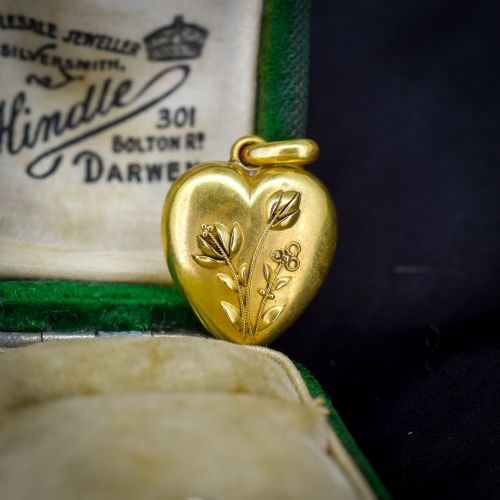
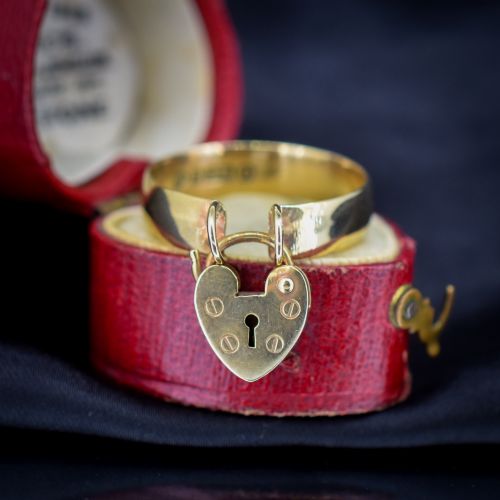
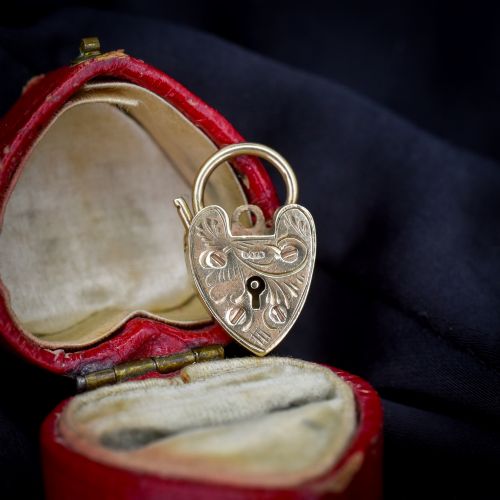
A victorian gold heart charm is a small token of affection crafted in yellow, rose, or higher carat gold.
Victorian Gold Heart Charm
A victorian gold heart charm embodies sentimental jewellery from the nineteenth century and subsequent related periods. Buyers search for these pieces to wear as pendants on necklaces or attach to charm bracelets.
The selections span from plain gold padlock shapes to intricate lockets and puffy hearts set with gemstones. Most examples on this page date from the Victorian and Edwardian eras, alongside later vintage interpretations.
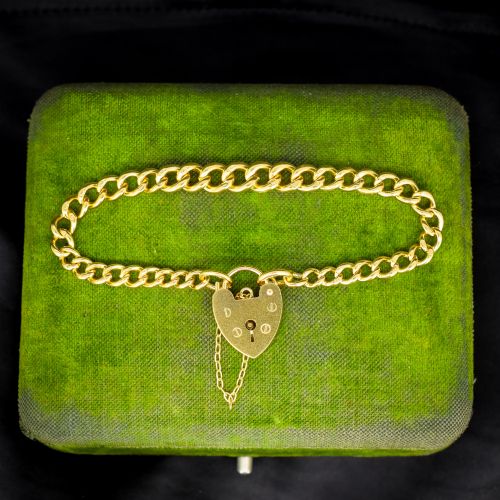
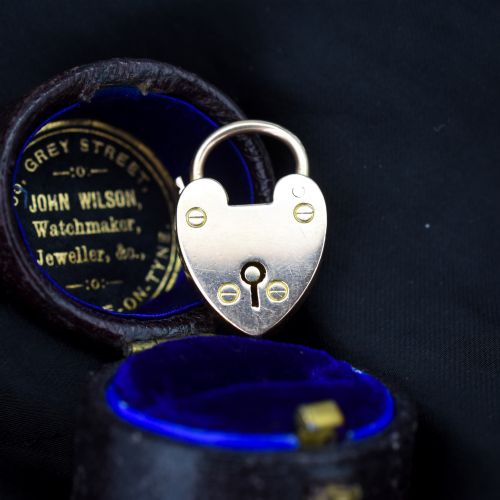
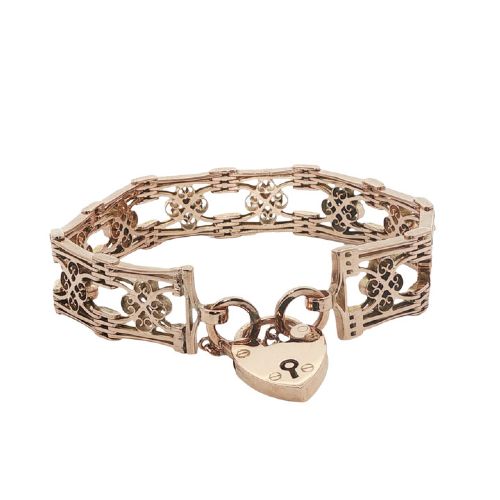
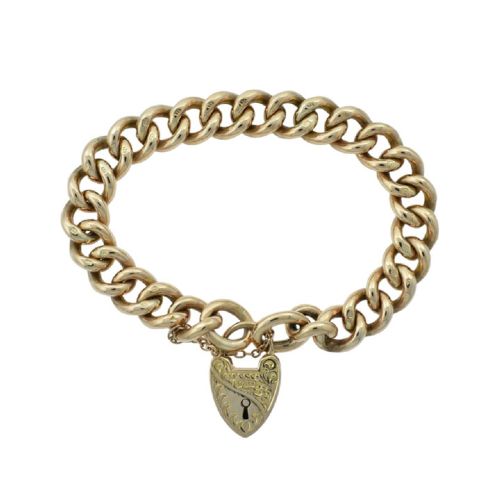
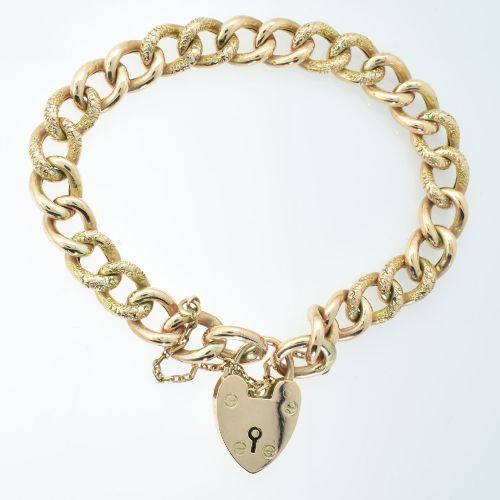
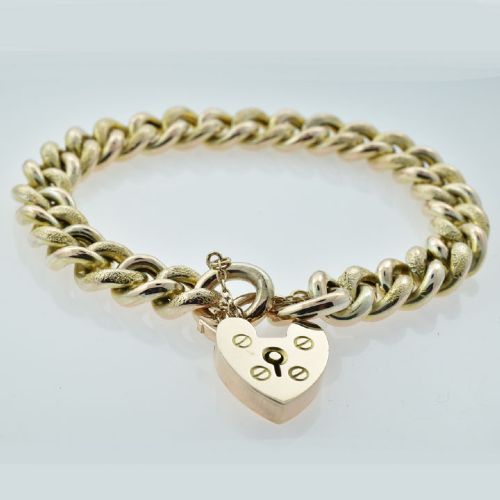
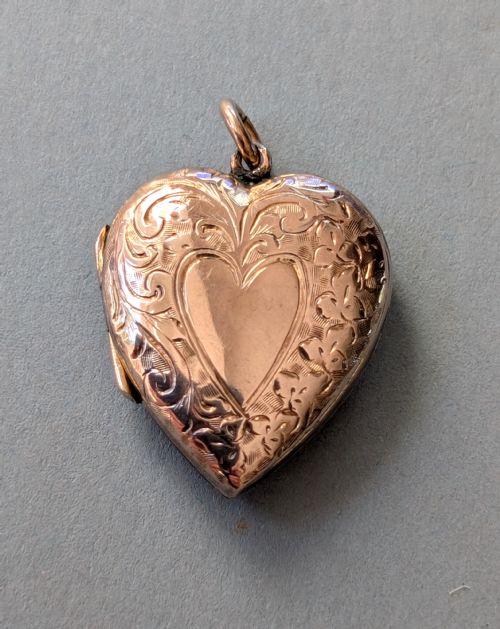
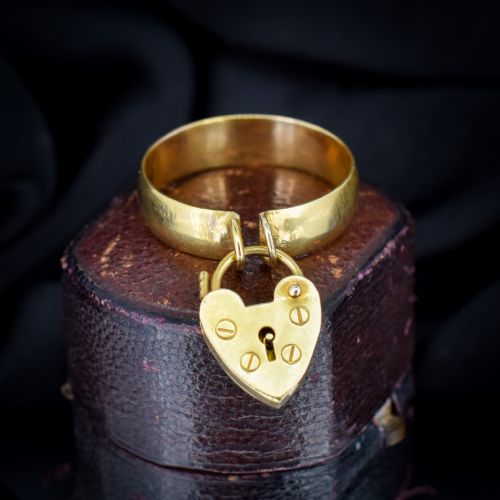
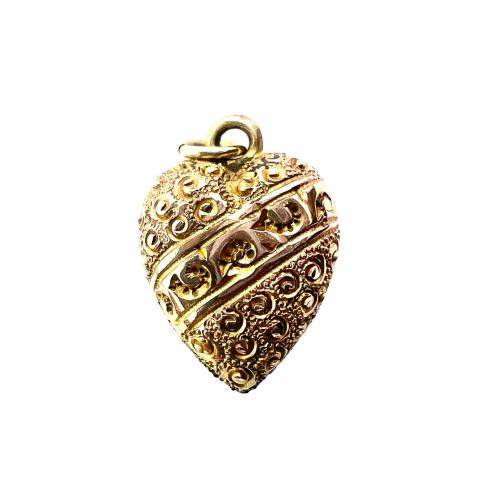
Common forms include heart padlocks designed to secure curb link bracelets, hinged lockets intended to hold miniature mementos, and solid or puffy pendants embellished with surface engraving.
Materials and Construction
Goldsmiths utilised various purities, ranging from standard nine-carat and fifteen-carat yellow and rose gold up to eighteen-carat French standards. Metal components were frequently stamped, cast, or hand-engraved with floral and geometric motifs.
Many hearts incorporate decorative elements such as seed pearls, turquoise, rubies, diamonds, enamel work, and rock crystal. These materials were flush-set or mounted into secure claws on the gold body of the charm.
Victorian Gold Heart Charm Retail Price Guide 2026
Typical asking prices for victorian gold heart charm among the pieces listed under this phrase on Sellingantiques today, from the lower quarter to the upper quarter. They describe what is for sale here now, not the wider market.
Victorian sweethearts sometimes hid secret locks of hair inside these tiny golden chambers, carrying a literal piece of loved ones wherever they roamed.
Markers of Quality
Quality depends upon the weight of the gold and the intricacy of the decorative technique employed. Pieces forged in fifteen-carat or higher gold with detailed chasing demonstrate superior craftsmanship compared to hollow, machine-stamped alternatives.
The presence of precious gemstones like diamonds, rubies, or natural seed pearls elevates a piece. Superior examples retain crisp hand-engraving and intact internal locket compartments without distortion to the puffy heart silhouette.
The Victorian Gold Heart Charm Glossary
- Puffy heart
- A hollow charm constructed from two domed plates of gold joined together to create a three-dimensional heart shape. These are sometimes hinged to open as a locket.
- Padlock
- A functional or decorative clasp shaped like a padlock, commonly attached to curb link charm bracelets. They often feature spring mechanisms and engraved fronts.
- Seed pearl
- A very small, natural or cultured pearl used in Victorian jewellery for delicate floral motifs and borders. They are traditionally threaded onto fine silk or wire.
- Guilloche enamel
- A decorative technique where transparent enamel is layered over engine-turned metalwork. This creates a geometric pattern visible beneath the coloured glass surface.
- Witches heart
- An asymmetric heart design with a curved tail swept to one side, popular in antique jewellery. This traditional Scottish form symbolised love and protection.
Victorian Gold Heart Charm: Frequently Asked Questions
How do I wear a heart charm?
These pieces function primarily as pendants suspended from neck chains or as hanging charms attached to link bracelets. Many include jump rings or original bails suitable for immediate suspension.
Heavier examples, particularly padlocks, were originally designed to secure gate and curb link bracelets. They integrate seamlessly into modern wristwear configurations.
How do I tell Victorian gold from newer gold?
Antique British pieces frequently display hallmarks indicating assay offices, such as Chester, alongside specific gold purities like nine-carat or fifteen-carat. These stamps provide direct evidence of the period of manufacture.
Construction methods also differ, as older items often display hand-engraving and warmer rose or yellow gold hues. Twentieth-century and modern items typically utilise standard nine-carat or eighteen-carat metal with distinct casting seams.
What stones are common in these hearts?
Seed pearls and turquoise feature prominently in nineteenth-century romantic jewellery, often arranged in floral or forget-me-knot configurations. Diamonds and rubies appear in higher carat pieces to accent the central gold work.
Coloured gemstones such as amethyst, tourmaline, and rock crystal also occur in pendant and bracelet drops. Each stone was chosen for its symbolic meaning or visual contrast against the gold.