




Victorian Glass Pedestal
These Victorian glass pedestal pieces combine heavy lead crystal, ruby glass, and cut bowls to elevate table displays.
Victorian Glass Pedestal
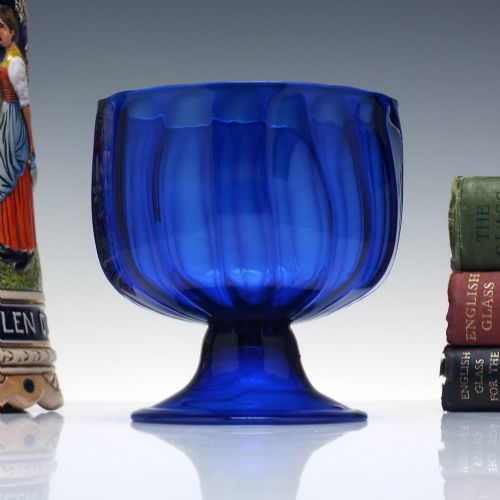
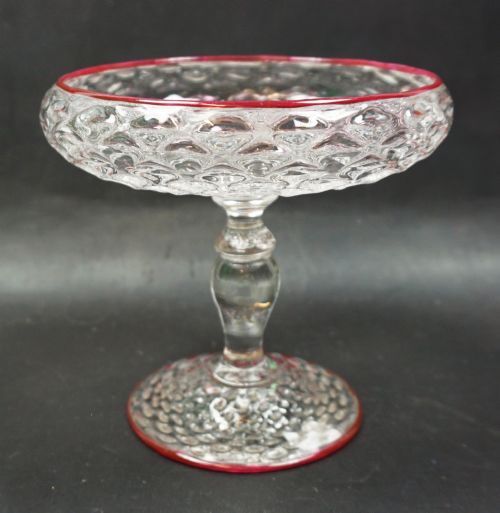
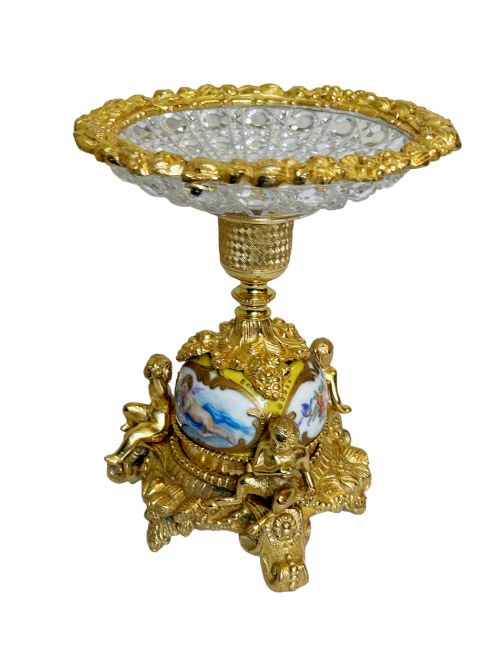
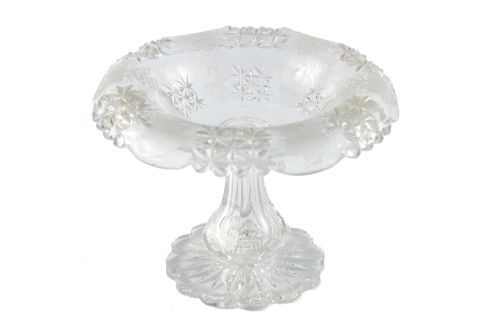
A victorian glass pedestal stands upon a raised foot or stem, supporting a bowl, tazza, or comport used for fruit, cakes, or table decoration. The form often incorporates moulded or cut patterns, utilising clear, ruby, green, or blue glass.
Most examples date from the nineteenth century, showing influences from standard Victorian production up to Edwardian iterations. They appear frequently as heavy bowls, comports, and tazze designed for prominent display on dining tables and sideboards.
Makers utilised distinct techniques like honeycomb moulding, acid etching, and gilding to decorate the upper sections. The supporting stem connects the display vessel to a stable circular or panel-cut foot.
Materials and manufacture
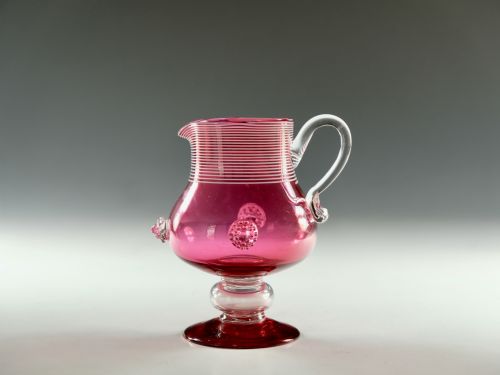
Artisans produced these objects using lead crystal, clear glass, or coloured varieties like cranberry, green, and yellow glass. Molten material underwent hand blowing into moulds or free-hand shaping before handlers applied distinct decorative treatments.
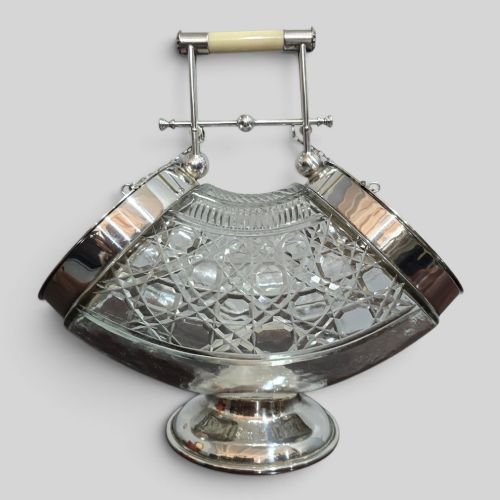
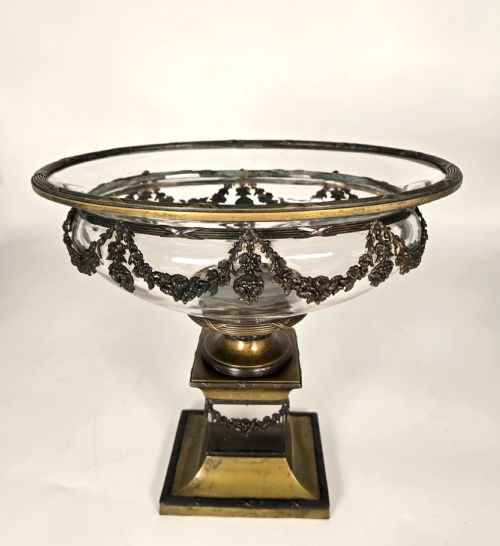
Cutting wheels carved deep geometric patterns such as hobnails and flutes into the hardened surface. Gilding, gold leaf, and enamel painting frequently decorated the rims and panels, while some pedestal bowls incorporated cast brass or bronze mounts.
Victorian Glass Pedestal Retail Price Guide 2026
Typical asking prices for victorian glass pedestal among the pieces listed under this phrase on Sellingantiques today, from the lower quarter to the upper quarter. They describe what is for sale here now, not the wider market.
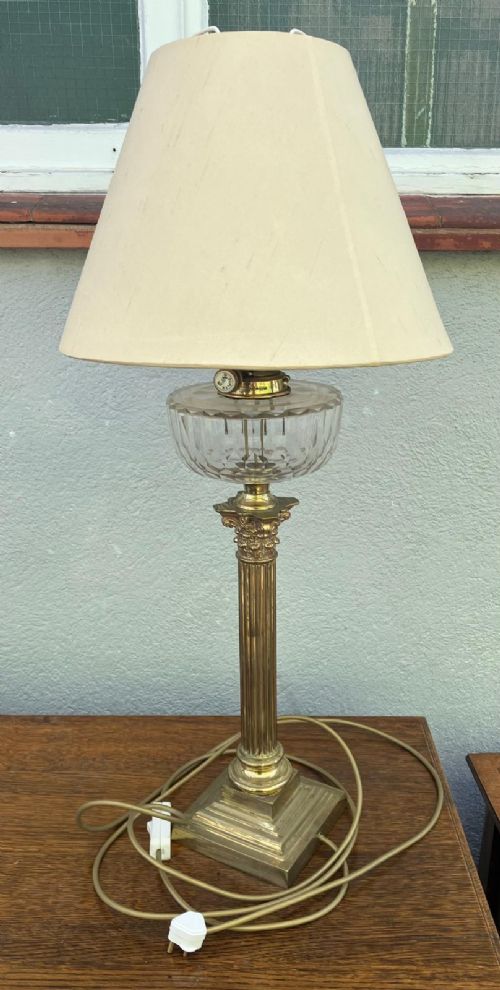
Listings feature nineteenth-century items incorporating cut glass, lead crystal, cranberry glass, and brass mounts.
Judging quality and craftsmanship
Clarity of the metal and depth of the wheel-cut facets separate superior vessels from standard moulded items. Sharp incisions on heavy lead crystal catch the light distinctly compared to softer, lighter pressed glass.
The integrity of applied gilding and the absence of heavy scratching across the bowl interior indicate how well a piece survived use. Proportion between the stem, base, and upper bowl dictates the visual balance of the object.
The Victorian Glass Pedestal Glossary
- Tazza
- A shallow ornamental bowl or cup set upon a foot and pedestal. These pieces function as centrepieces for serving fruit or sweets.
- Comport
- A large standing dish used for holding fruit or sweetmeats on a dining table. They frequently match the glass body to a raised stem.
- Hobnail
- A raised, point-cut pattern resembling the metal studs on heavy boots. This texture provides tactile grip and refractive sparkle.
- Lead crystal
- Glass containing lead oxide to increase brilliance, weight, and workability. It allows deeper cutting without fracturing the material.
- Cranberry glass
- Transparent red glass produced by adding gold chloride to the molten batch. It appears widely in Victorian tableware and lighting shades.
Victorian Glass Pedestal: Frequently Asked Questions
How were glass pedestals used?
These vessels served as centrepieces on dining tables, holding fruit, sweetmeats, or cakes during formal meals. Their elevated position improved visibility and added height to table arrangements.
Secondary uses included decorative display on sideboards or console tables without food. They functioned purely as decorative objects in prosperous Victorian households.
What colours are common?
Clear lead crystal dominates production, alongside vibrant coloured variants like ruby, green, cranberry, and yellow glass. Blue pearline glass also appears from specific nineteenth-century makers.
Coloured glass often featured overlaid treatments or gilded accents to enhance visual contrast. The choice of hue typically reflects the prevailing tastes of the mid to late Victorian era.
Can I use them for food?
Most antique glass pedestal bowls remain structurally sound for holding dry foods or fruit. Inspect the interior surface for any deep scratching that might harbour residue before use.
Acidic foods should not sit in pieces with damaged lead crystal or degraded surfaces. Hand washing is mandatory to preserve the historical material.