
Victorian Glass Paraffin Burner
A Victorian glass paraffin burner brings period illumination and decorative coloured glass into a room, offering both sculptural height and historic character.
Victorian Glass Paraffin Burner
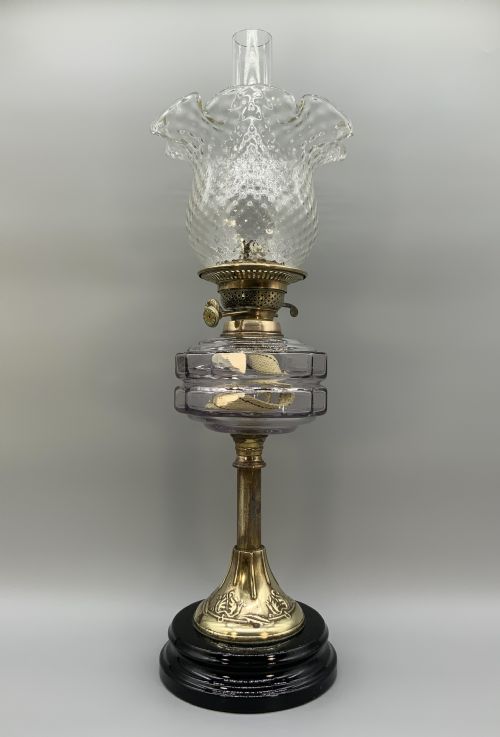
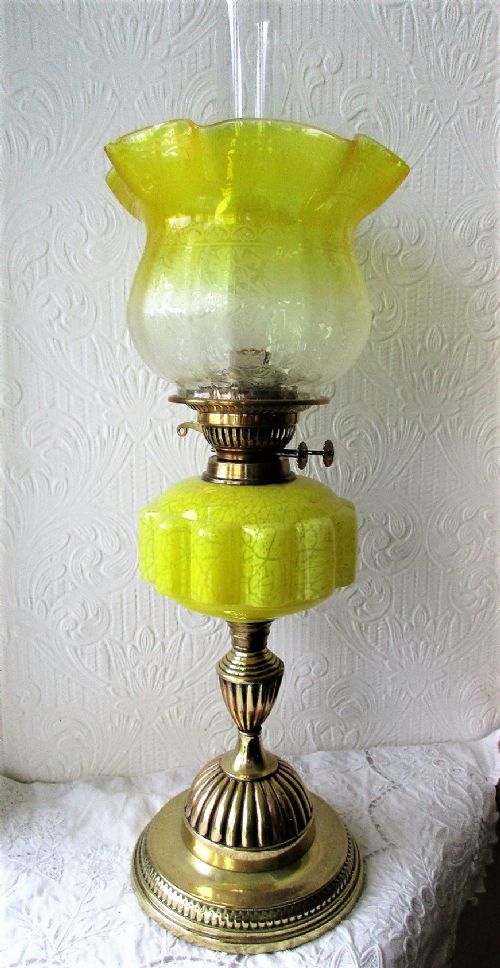
When you search for a Victorian glass paraffin burner, you are looking at domestic lighting fixtures designed to burn liquid fuel for illumination during the nineteenth and early twentieth centuries. These pieces combine functional fuel reservoirs with decorative glass fonts, columns, and shades, serving as both practical items and ornamental centrepieces for a table or interior space.
The versions most likely to meet you on this page date from the Victorian and Edwardian periods, stretching from the mid-nineteenth century into the early twentieth century. They appear primarily as table lamps and oil lamps, featuring combinations of glass and metal components.
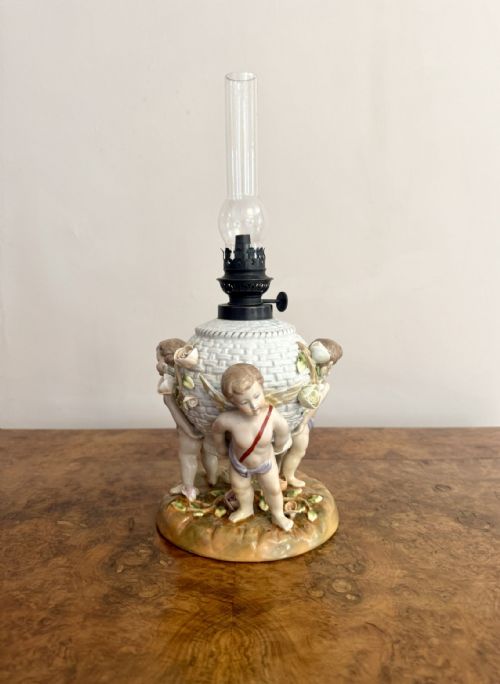
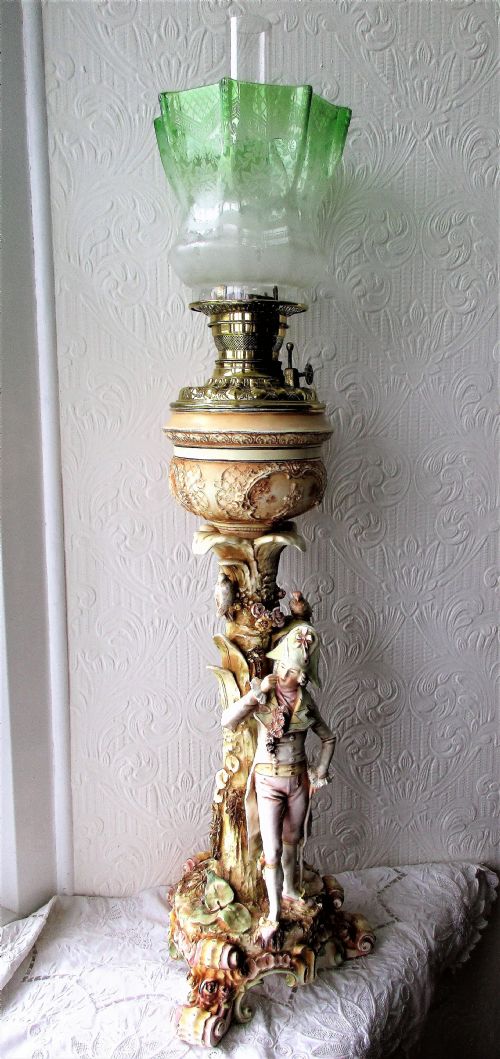
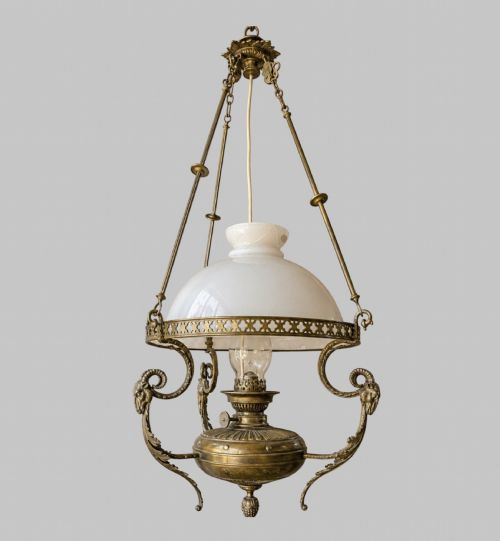
Makers and designers produced these items in various structural forms, ranging from simple columnar designs to elaborate figural or double-burner models. Surviving examples demonstrate how households lit their rooms before electric lighting became widespread.
Materials and construction
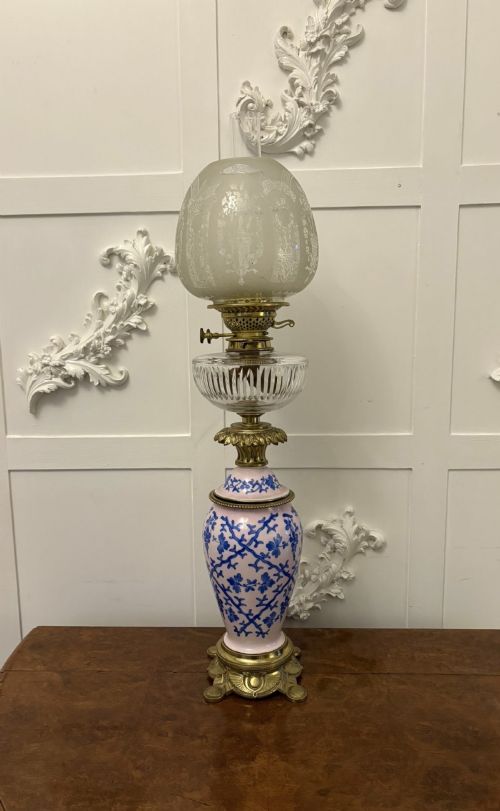
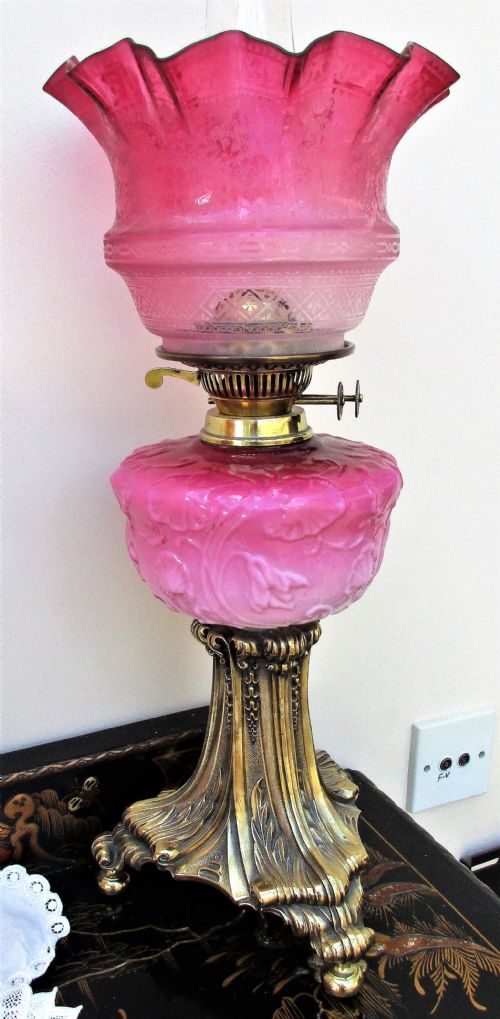
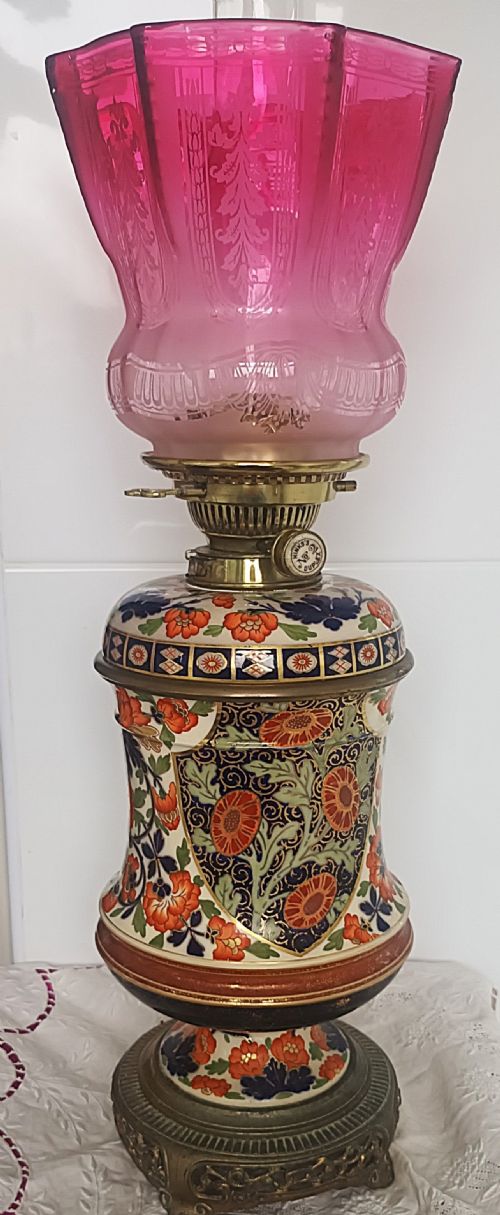
Makers constructed these lamps using combinations of brass, copper, and silver plating alongside various forms of glass. Brass and ceramic form the sturdy structural bases and columns, while glass provides the translucent fonts and shades.
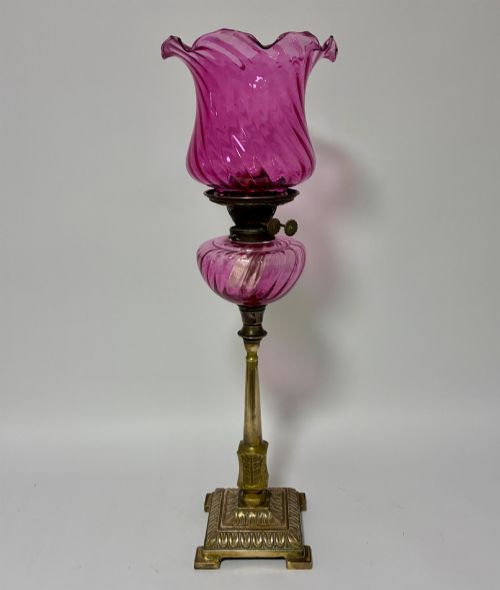
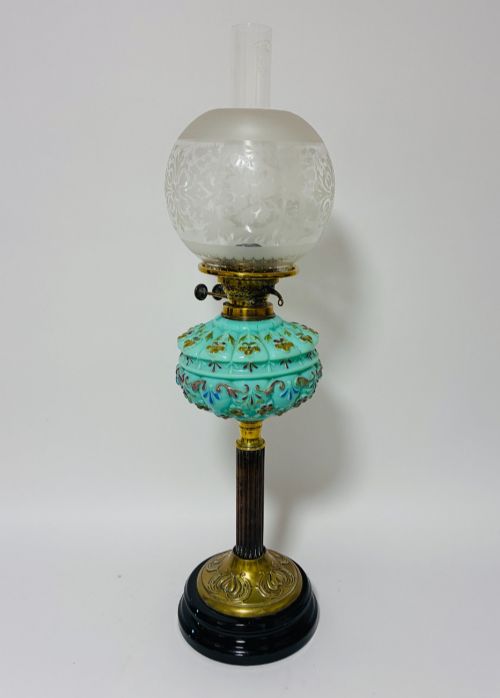
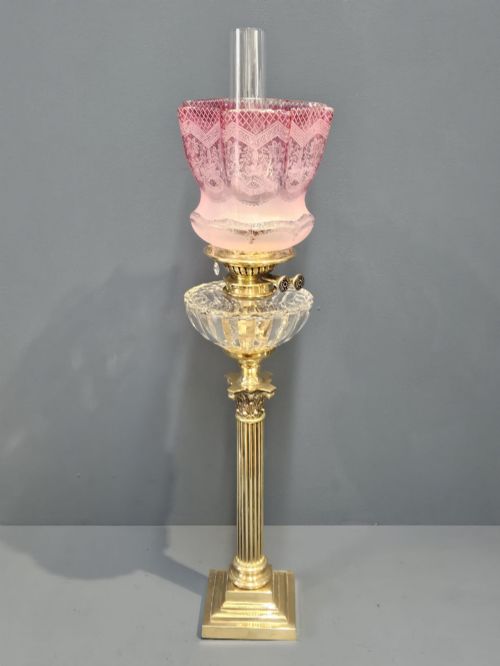
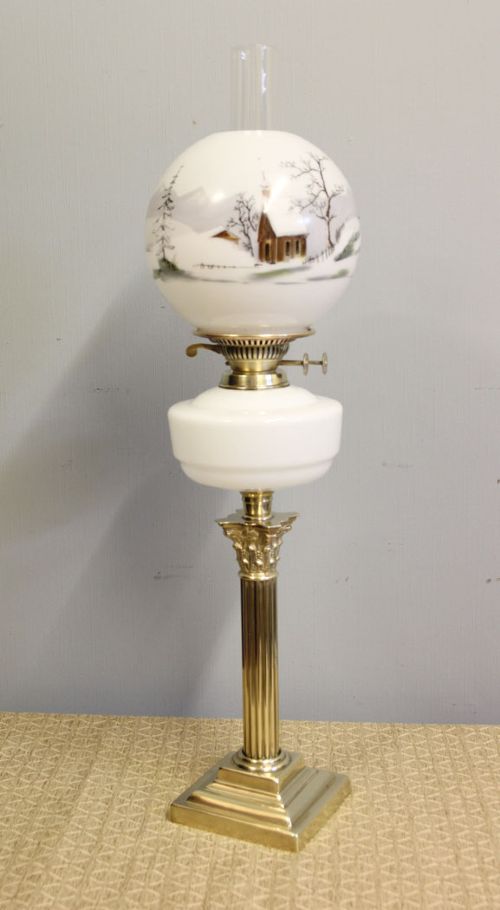
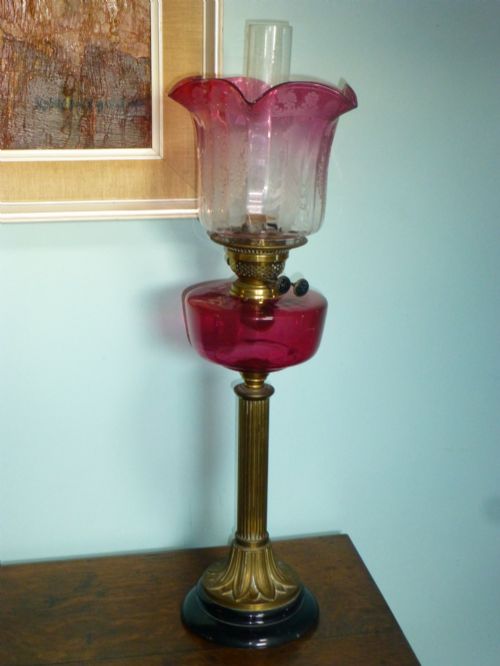
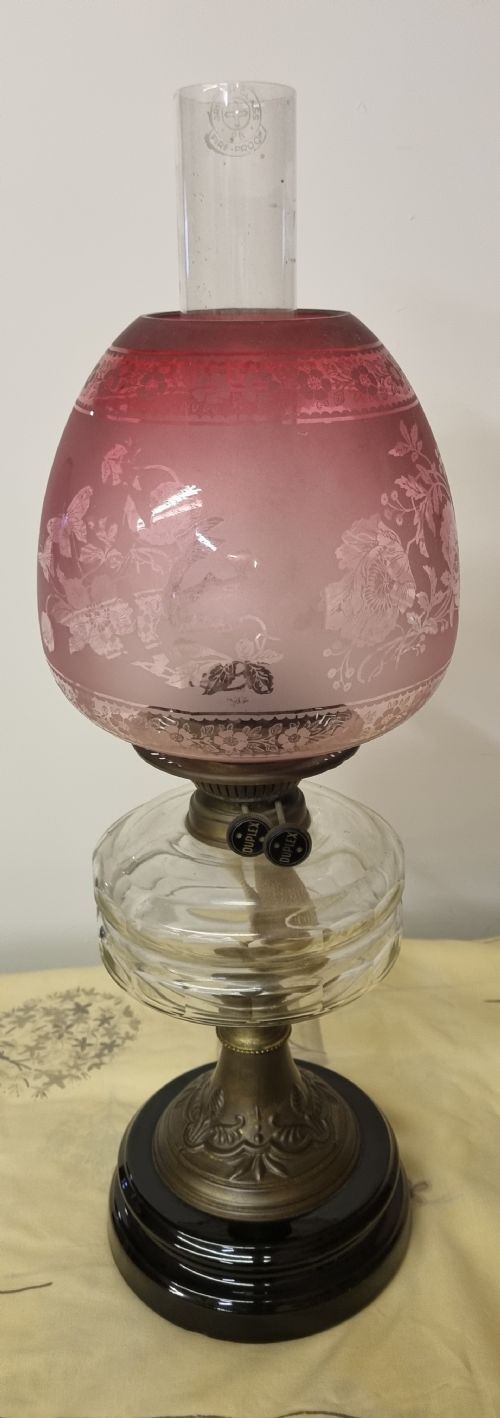
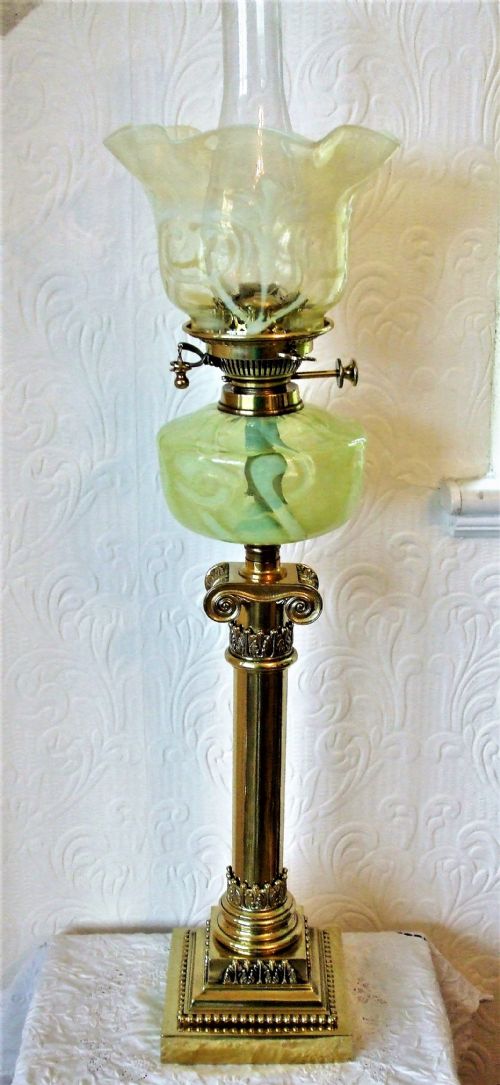
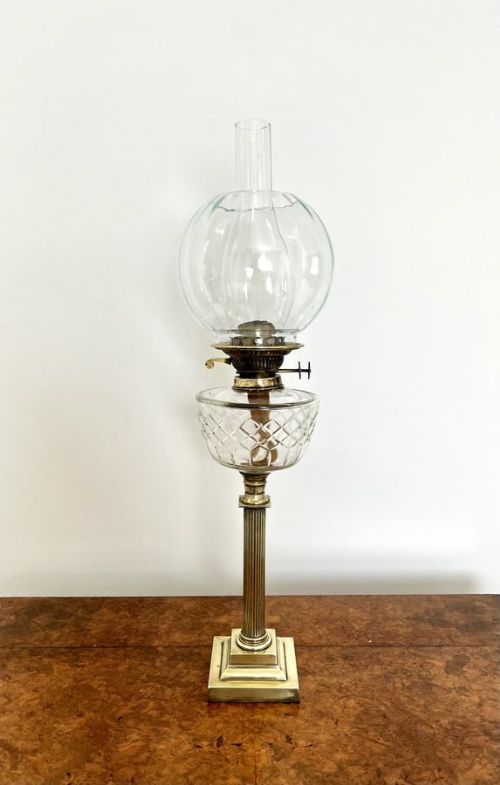
Coloured and decorative glass techniques define much of the visual appeal, utilising cranberry glass, opaline glass, satin glass, and cut crystal. Hand-blown shades and etched glass tulip designs appear frequently, often paired with metal burners from established makers.
A pulpit oil lamp heater brings warmth and light together, proving that Victorians expected their illumination to multitask during chilly sermons.
Evaluating the standard
The distinction between ordinary and superior pieces rests on the weight of the metal components, the complexity of the glasswork, and the presence of named burner mechanisms. Heavy brass columns and crisp casting details separate standard production from more ambitious models.
The artistry of the glass font and shade plays a major role, particularly where hand-blown cranberry glass, etched patterns, or painted winter scenes are concerned. Complete pairings of original shades and matching fonts elevate the standing of an individual lamp.
Hinks·Taylor Tunnicliff·Sitzendorf
The Victorian Glass Paraffin Burner Glossary
- Duplex burner
- A double-wick burner mechanism designed to produce a brighter flame. These dual burners often accompany larger, taller lamp bodies.
- Corinthian column
- A classical architectural column style frequently utilised for the vertical brass stem of the lamp. It provides both stability and decorative ridging.
- Peg lamp
- A small oil lamp fitted with a tapered metal or glass peg at the base. This design allows the lamp to drop directly into an existing candlestick or wall sconce.
Victorian Glass Paraffin Burner: Frequently Asked Questions
What is a Victorian glass paraffin burner?
It is a period lighting device designed to burn liquid paraffin for illumination, combining a fuel reservoir with decorative glass and metal elements.
These pieces typically feature a weighted base, a glass font, a metal burner mechanism, and frequently a decorative glass shade.
How do I date a paraffin lamp?
Dating relies on stylistic markers, materials, and burner types associated with nineteenth and early twentieth-century manufacturing periods.
Evidence of Victorian, Edwardian, or Art Nouveau design details helps place a lamp within specific decades between the mid-nineteenth century and 1930.
What styles of glass shades exist?
Shades vary widely in form and colour, including hand-blown cranberry glass, opaline glass, and etched tulip designs.
Some feature botanical motifs, winter scenes, or satin glass finishes that diffuse the light produced by the burner.