





Victorian Glass Container
A victorian glass container holds the domestic comforts of the nineteenth century, from biscuit barrels on the dining table to dressing table trinket boxes.
Victorian Glass Container
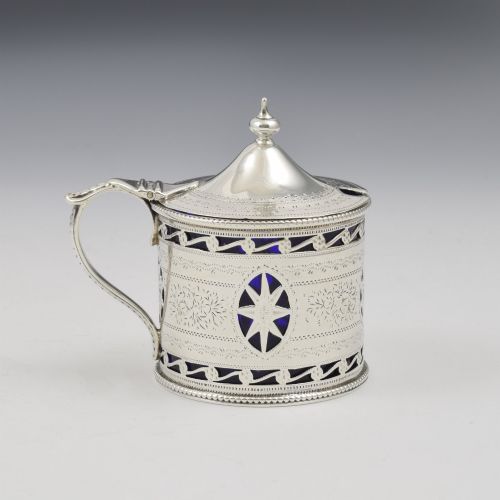
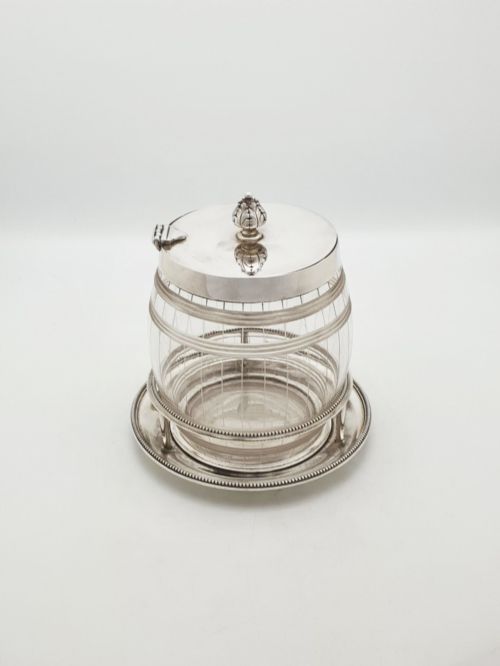
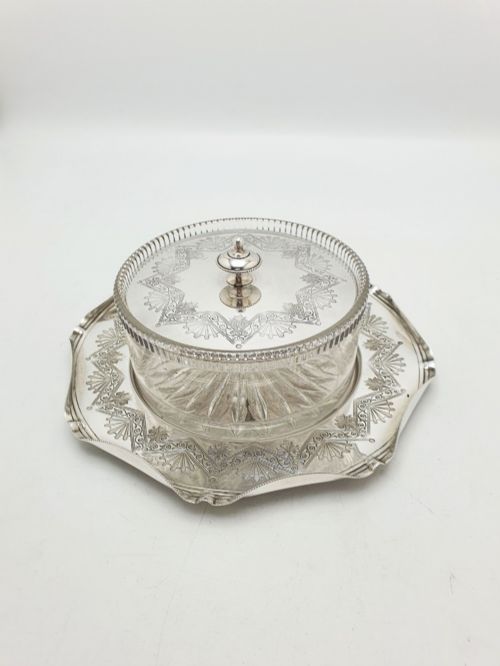
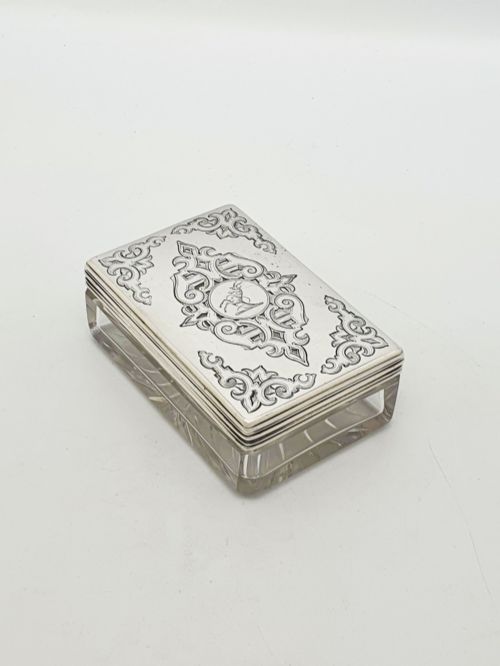
A victorian glass container encompasses functional household objects such as biscuit barrels, mustard pots, butter dishes, tea caddies, spirit flasks, and trinket boxes. These domestic items bridge the gap between utility and display, often combining blown or moulded glass bodies with metal mounts.
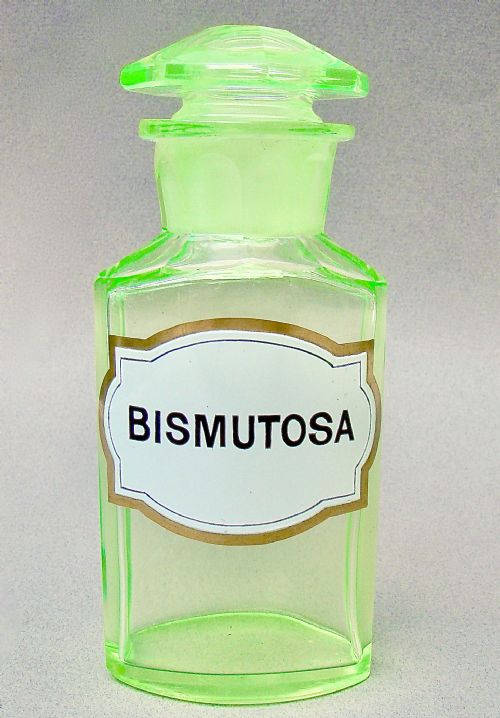
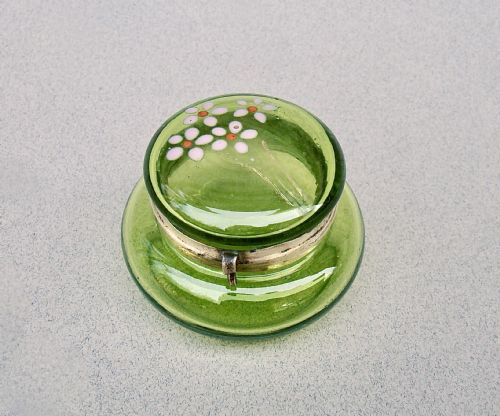
The pieces on this page span the Victorian and Edwardian eras, alongside related nineteenth-century examples and occasional Georgian or early twentieth-century pieces. Makers utilised clear cut crystal, vibrant cranberry glass, cobalt glass, and enamelled green glass to catch the light in drawing rooms and dining rooms.
Buyers frequently encounter biscuit barrels fitted with silver-plated or sterling silver mounts, as well as vanity jars, apothecary jars, and covered sweet bowls. Each object reveals the domestic habits of the period, whether storing provisions or housing personal ornaments.
Materials and Techniques
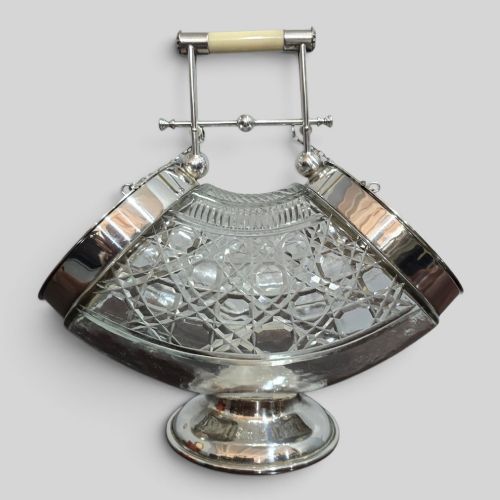
Glass production relied on heavy cutting, moulding, and blowing techniques, yielding deep hobnail patterns and brilliant facets in cut crystal. Coloured pieces achieved their rich hues through specialised mineral additions, visible in the distinct tones of cranberry glass and cobalt glass.
Metalworking formed an integral part of construction, with silversmiths and manufacturers applying sterling silver and silver plate to rims, lids, hinges, and swing handles. Assay office marks on silver mounts frequently indicate production centres such as Birmingham and Sheffield.
Additional ornamentation involved hand-applied enamel work, pierced silver galleries, and engraved heraldic finials. These decorative elements secured the glass liners and bodies within supportive metal frameworks.
Victorian Glass Container Retail Price Guide 2026
Typical asking prices for victorian glass container among the pieces listed under this phrase on Sellingantiques today, from the lower quarter to the upper quarter. They describe what is for sale here now, not the wider market.
Listings feature cut crystal, cranberry glass, and sterling silver across Victorian and Edwardian biscuit barrels, mustard pots, and trinket boxes.
Standards of Execution
Quality rests in the crispness of the glass cutting and the weight of the metal mounts. Deep, sharp facets in cut crystal reflect light cleanly, whereas softer, rounded edges indicate simpler pressing techniques.
The thickness and clarity of the glass body distinguish standard production from exceptional pieces. Heavier glass liners paired with substantial sterling silver or plated mounts demonstrate superior manufacturing investment.
The precision of the fit between metal collars and glass containers marks the skill of the maker. Secure hinges, well-balanced swing handles, and intact hallmarks elevate the standing of an individual piece.
Nathan and Hayes·Elkington·Mappin and Webb·James Dixon and Sons
The Victorian Glass Container Glossary
- Biscuit Barrel
- A covered ceramic or glass container designed for storing dry biscuits on the dining table or sideboard. These vessels typically feature a fixed or swing metal handle and a matching lid.
- Cranberry Glass
- A rich red-pink transparent glass coloured with gold chloride during production. It gained widespread popularity during the Victorian era for decorative tableware and tablewares.
- Hobnail Cut
- A raised, diamond-shaped geometric pattern cut into the surface of crystal glass. This technique creates a textured, multi-faceted exterior that maximises light refraction.
- Silver Plate
- A base metal, such as copper or Britannia metal, coated with a thin layer of silver using chemical or electrical deposition. Manufacturers utilised this method to provide the appearance of solid silver at a lower cost.
- Spirit Flask
- A portable pocket container designed for carrying alcoholic beverages. They often feature captive caps and glass bodies protected by metal cups or leather covers.
Victorian Glass Container: Frequently Asked Questions
What is a victorian glass container used for?
These vessels served a variety of domestic purposes, functioning as biscuit barrels for afternoon tea, mustard pots for dining, and trinket boxes for dressing tables. Apothecary jars and vanity jars also held medical supplies and personal grooming preparations.
Their varied forms reflect the structured daily routines of nineteenth-century households, where specific containers accommodated specific provisions and personal items.
How do you clean antique glass and silver?
Glass components benefit from gentle washing in lukewarm water with mild soap, avoiding abrasive pads that can scratch the surface. Metal mounts require targeted polishing with a soft cloth to preserve silver plate and sterling silver without touching the glass.
Careful handling protects delicate hinges, enamel work, and old glass from accidental thermal shock or impact during maintenance.
How can I tell the difference between periods?
Victorian pieces often display heavier proportions, deep cut crystal patterns, and ornate silver mounts reflecting nineteenth-century revival styles. Edwardian examples tend toward lighter, more refined mounts and brighter coloured glass such as cranberry.
Examining hallmarks on silver components provides precise date letters and assay office symbols that confirm the exact year of manufacture.
Are silver-plated mounts less valuable than solid silver?
Solid sterling silver mounts generally command greater interest from collectors due to the intrinsic value of the precious metal and official hallmarks. However, high-quality silver-plated mounts by noted makers can hold equal or greater appeal based on design and craftsmanship.
The overall artistry, maker reputation, and condition of the glass container remain primary factors in assessing a piece.