
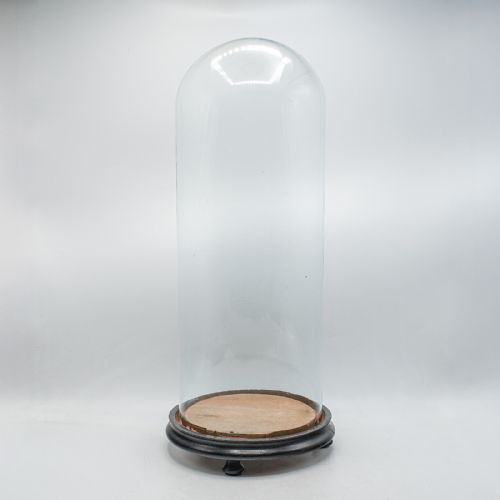


Victorian Glass Case Clock
A victorian glass case clock brings transparent elegance and precise nineteenth century engineering together into a single decorative domestic object.
Victorian Glass Case Clock
A victorian glass case clock brings together transparent housing and mechanical timekeeping, taking forms such as brass framed four glass mantel pieces, library clocks, and brass cased carriage clocks. These items served both practical timekeeping and decorative display functions in nineteenth century interiors.
The selection ranges from French brass and marble four glass models to English fusee library clocks and portable carriage clocks housed in protective leather or fitted cases. Many examples showcase internal escapements, enamel dials, and mercury or pendulum movements visible through clear glass panels.
Buyers encounter domestic timepieces spanning the nineteenth and early twentieth centuries, drawing upon English workshop traditions and French manufacturing centres like Paris.
Materials and construction methods
Brass, gilt brass, and glass form the primary structural vocabulary, paired with wooden bases in mahogany, ebonised wood, oak, or rosewood. Cases often utilise bevelled glass plates held within cast brass or gilt frames to protect delicate internal gear trains.
Movements rely on mechanical ingenuity, incorporating platform escapements, fusee mechanisms, and striking or alarm trains. Dials are frequently executed in white enamel with Roman numerals, sometimes accompanied by finely engraved gilt brass mask plates.
Listings feature Victorian, Edwardian, and nineteenth century French styles alongside brass carriage clocks, four glass mantel pieces, and taxidermy display domes.
Assessing quality in construction and movement
Quality rests upon the crispness of casting in the brass case, the thickness and bevelling of the glass panels, and the complexity of the internal movement. Finer pieces feature robust fusee movements or signed maker plates by notable horologists rather than standard mass produced cylinder platforms.
The harmony between the case materials, such as polished marble or selected hardwood bases, and the precision of the dial engraving distinguishes workshop standards. Original components, matching serial numbers, and undamaged bevelled glass panes elevate the standing of an individual clock.
Walker·Dent·Samuel Marti·Drocourt·John Massey·Delépine·William Evans of Handsworth·James Wood
The Victorian Glass Case Clock Glossary
- Fusee
- A conical pulley used in mechanical clocks to maintain an even pull on the gear train as the mainspring unwinds. This mechanism ensures more accurate timekeeping throughout the power reserve.
- Platform Escapement
- A self contained escapement unit mounted on a small platform within portable clocks like carriage pieces. It replaces the traditional pendulum to allow accurate timekeeping in non vertical positions.
- Four Glass Clock
- A mantel timepiece encased in glass on all four sides and the top, allowing the movement to be observed from multiple angles. These often feature mercury pendulums and ornate brass frames.
- Gorge Case
- A distinct style of carriage clock case featuring stepped mouldings to the top and bottom edges. It is typically cast in brass and houses an eight day movement.
- Enamel Dial
- A metal dial face coated with fused glass powder to create a smooth, glossy white surface. Numerals are painted onto this surface before firing.
Victorian Glass Case Clock: Frequently Asked Questions
How do I wind a carriage clock safely?
Use the dedicated winding key inserted into the arbour at the back of the case, turning it gently clockwise until resistance is felt. Avoid over winding, as this can strain the mainspring.
Ensure the clock is standing on a flat, stable surface before operating the movement or adjusting the hands.
What is the difference between a library clock and a carriage clock?
Library clocks are generally larger, heavier desk timepieces housed in wooden or architectural glass cases, often driven by fusee movements. Carriage clocks are smaller, portable designs intended for travel, featuring integrated folding handles and platform escapements.
Both styles utilise protective glass panels but serve different domestic contexts.
How do I clean the glass panels on my clock?
Wipe the glass gently with a soft, lint free microfibre cloth slightly dampened with a mild glass cleaning solution. Spray the liquid onto the cloth rather than directly onto the case to prevent moisture reaching the brass or movement.
Take care around bevelled edges and engraved brass fittings.
Why does my four glass clock stop running?
Stoppages often occur if the clock is resting on an uneven surface, which disrupts the delicate balance of the pendulum or platform escapement. Ensure the piece sits level and that the beat is properly adjusted.
Older movements may also require professional cleaning and lubrication to remove hardened oils from the gear train.