

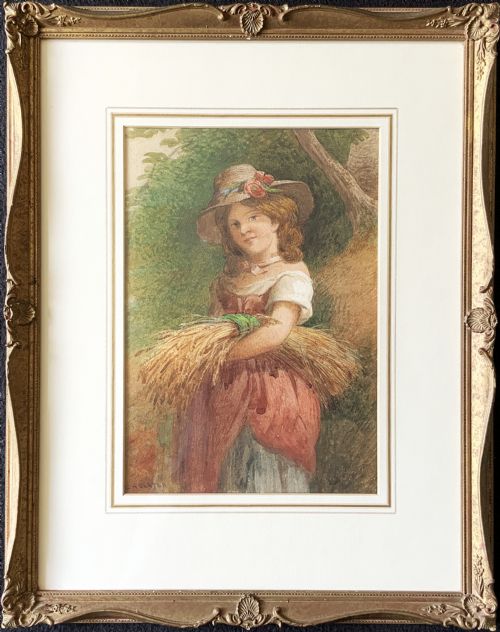


Victorian Girl Portrait Painting
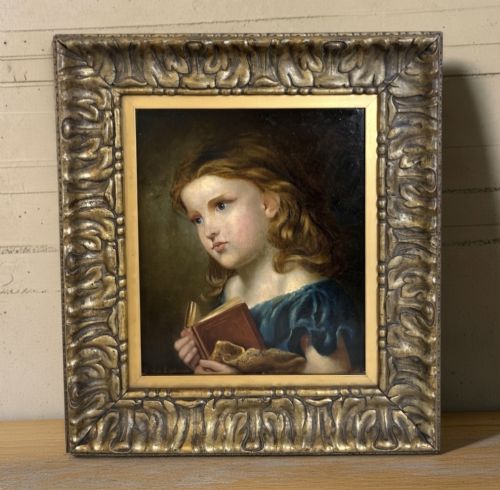
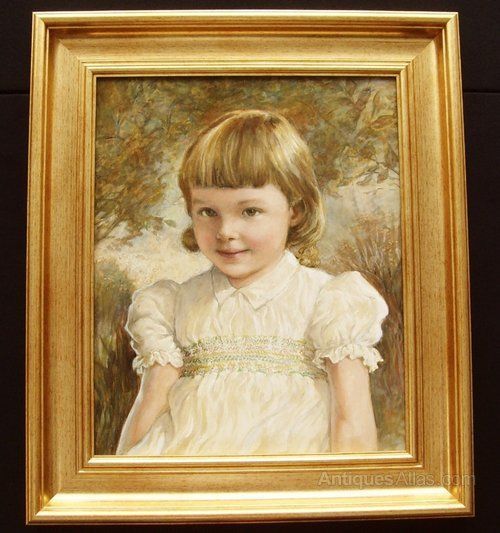
These historic portrayals capture youth and character, making a victorian girl portrait painting a charming focal point for any room.
Victorian Girl Portrait Painting
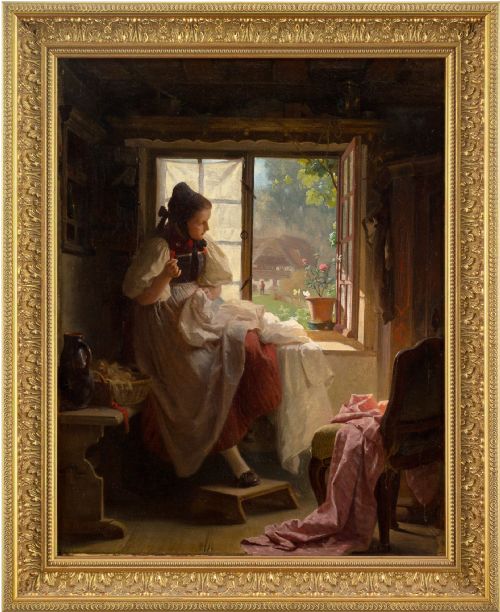
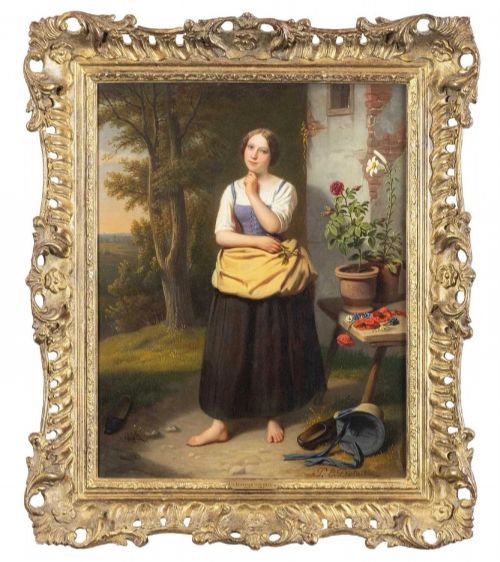
A victorian girl portrait painting captures young subjects in various settings, ranging from domestic interiors to pastoral landscapes. These works originate predominantly from the nineteenth century, including pieces from the Victorian era alongside adjacent periods.
Subjects appear engaged in daily activities or posed formally, sometimes accompanied by animals, flowers, or domestic objects. Artists of the period rendered these figures through diverse object types such as framed oil paintings and delicate watercolours.
The selection spans from naive regional works to academic genre scenes. Buyers encounter representations executed in oils on canvas or board, alongside paper watercolours housed in period frames.
How They Were Made
Makers applied oil paint or watercolour to prepared surfaces including canvas, wood panels, and paper. Canvases typically sat within wooden frames, occasionally accented with gesso mouldings or gilt finishes.
Artists combined brushwork with preparatory sketching to achieve realistic or expressive depictions. Miniature watercolours utilised fine pigments on paper, frequently preserved behind protective glass within ebonised or wooden frames.
Victorian Girl Portrait Painting Retail Price Guide 2026
Typical asking prices for victorian girl portrait painting among the pieces listed under this phrase on Sellingantiques today, from the lower quarter to the upper quarter. They describe what is for sale here now, not the wider market.
Materials recorded across current items include oil on canvas, watercolour, gesso, giltwood, and wood.
What Varies in Quality
Execution and anatomical precision separate standard decorative works from accomplished academic pieces. Master painters rendered facial expressions, textiles, and surrounding light with subtle tonal gradation and convincing depth.
The choice of medium and framing integrity influence the overall impact of the piece. Intricate giltwood surrounds and well-preserved original supports reflect superior craftsmanship and enduring material stability.
Vittorio Reggianini·Max Kaltenmoser·Charles Henry Slater·Charles Burton Barber·Henry E Hobson·Vincenzo Irolli·Rowland Holyoake·Daniel Pasmore·Kathleen Winifred Molesworth·Henry Weigall·Charles Sillem Lidderdale·Jane Maria Bowkett·Robert Kemp·Eliza Maddock·Ethel Mortlock·Harold Arthur Burke·Fred Morgan·Ralph Hedley RBA
The Victorian Girl Portrait Painting Glossary
- Oil on Canvas
- Pigment mixed with drying oil applied to a stretched woven fabric support. This combination allowed artists to build rich textures and blend colours smoothly over time.
- Watercolour
- Pigments suspended in a water-soluble binder applied to paper. This medium produces translucent washes and delicate details.
- Gesso
- A plaster-like mixture applied to wood or canvas to prepare a smooth surface for painting or gilding. It provides a stable base for fine details and decorative frames.
- Genre Painting
- Depictions of aspects of everyday life by depicting ordinary people engaged in common activities. These scenes often tell a narrative story about domestic life.
- Pre-Raphaelite
- An artistic movement focused on detailed observation, bright colours, and complex composition. Practitioners drew inspiration from medieval art and natural forms.
Victorian Girl Portrait Painting: Frequently Asked Questions
What periods do these paintings come from?
These artworks date primarily from the nineteenth century and the Victorian era, with examples stretching into the early twentieth century.
Creators worked across decades that saw shifts from Regency aesthetics through to Edwardian sensibilities.
What mediums were used for these portraits?
Artists utilised oil paint on canvas, board, and wood, alongside watercolour and pastel on paper.
Frames frequently incorporate wood, gesso, and gilt finishings to complement the artwork.
How can I identify different artistic styles?
Styles range from English naive art and academic nineteenth-century realism to Pre-Raphaelite compositions.
Naive works display flat perspectives and charming simplicity, while academic pieces prioritise anatomical accuracy and dramatic lighting.
Where should I display these paintings?
These framed artworks suit studies, living rooms, and hallways where traditional decor prevails.
Owners should avoid hanging them in direct sunlight or humid environments to protect the canvas and paper supports.