

Victorian Gilt Vases
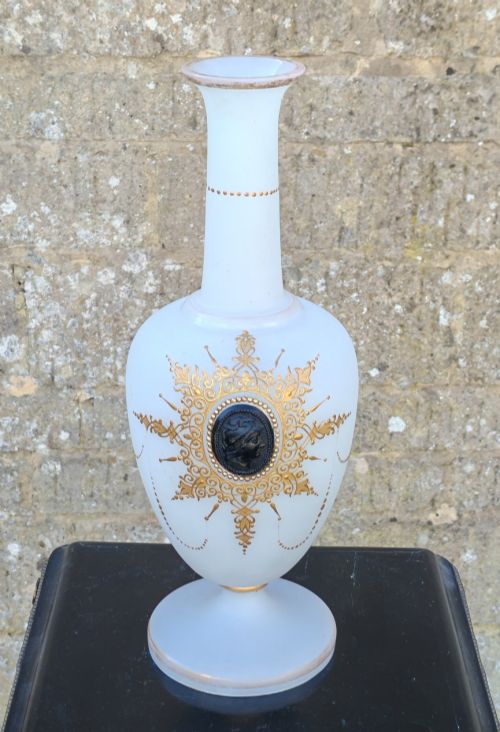
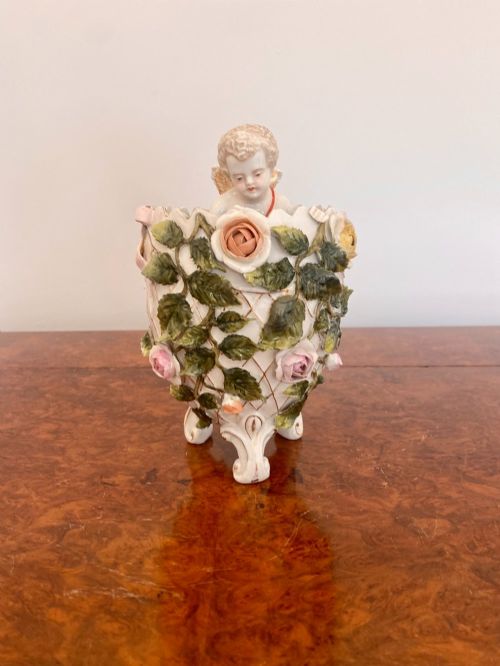
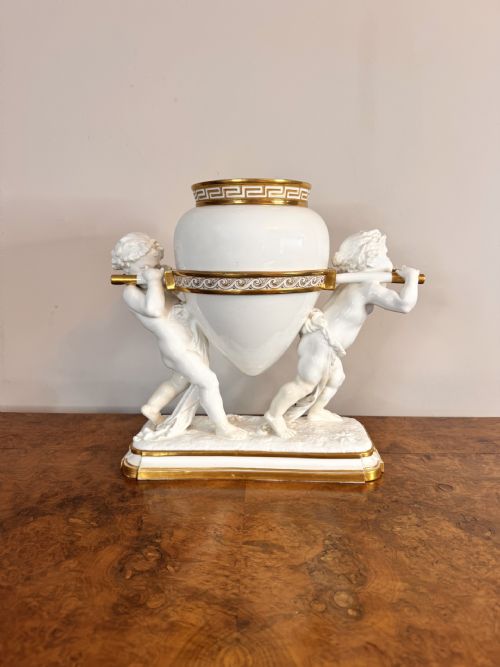
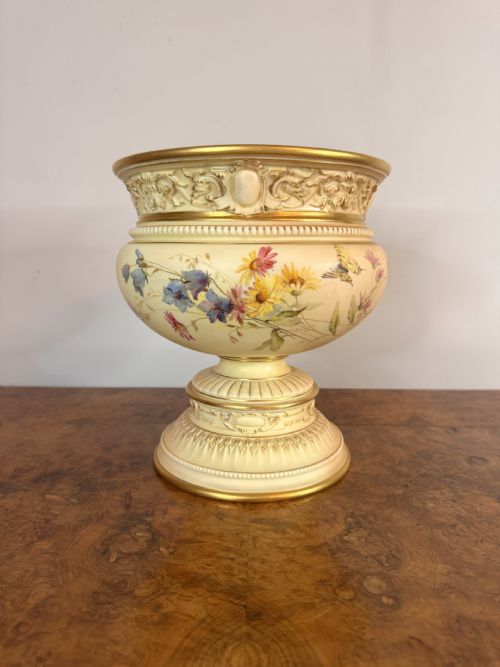
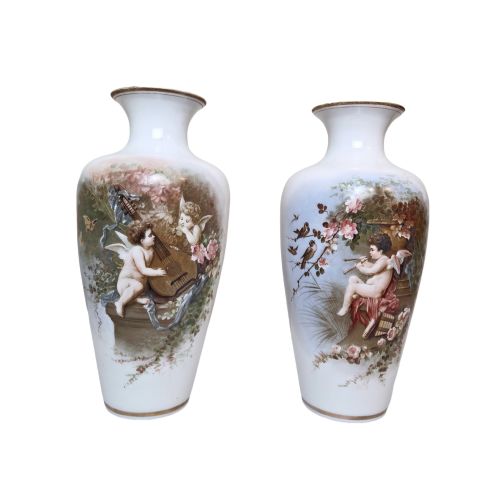
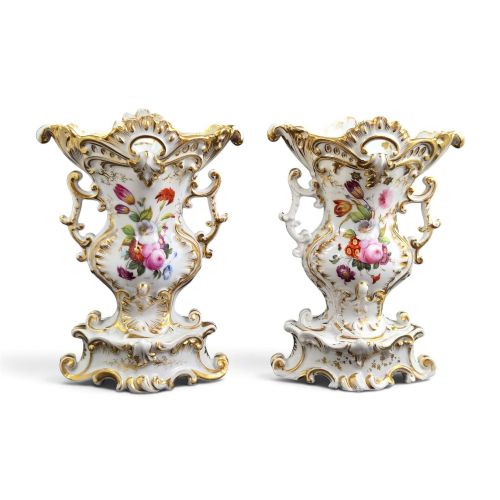
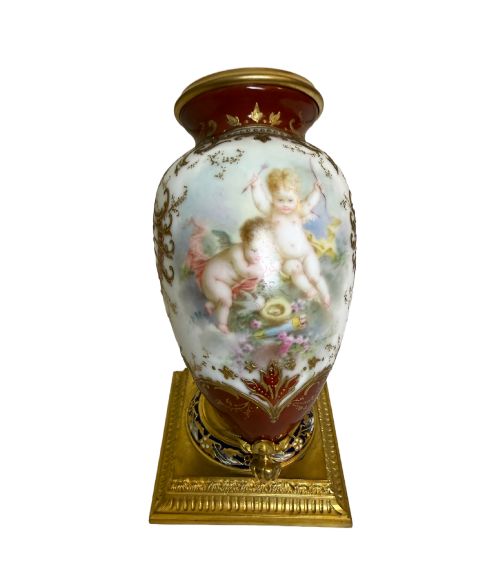
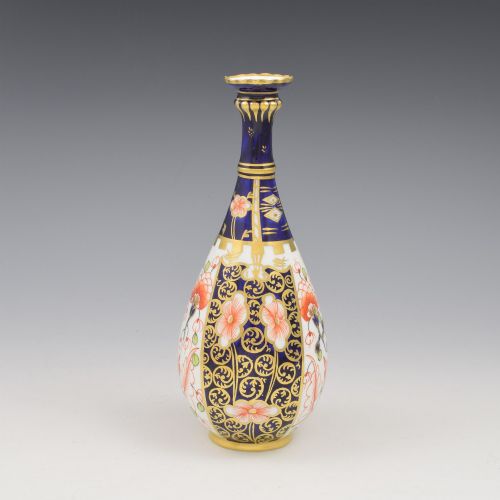
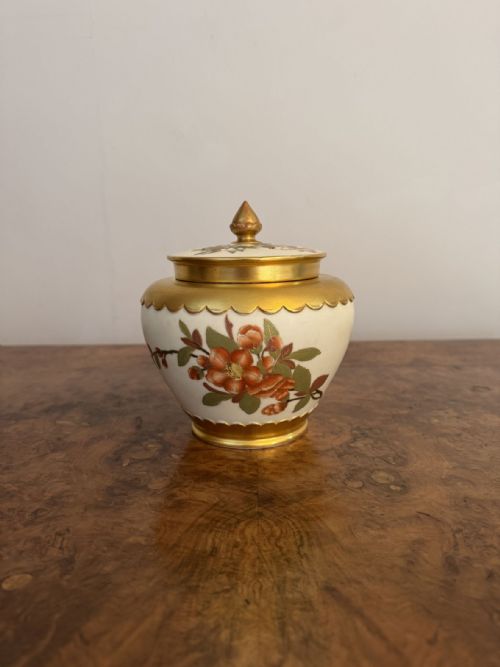
Victorian gilt vases bring ornamental brilliance to a room, combining rich metallic surface work with varied ceramic and glass forms.
Victorian Gilt Vases
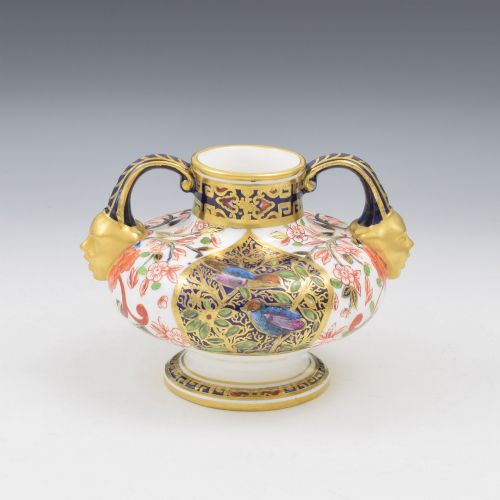
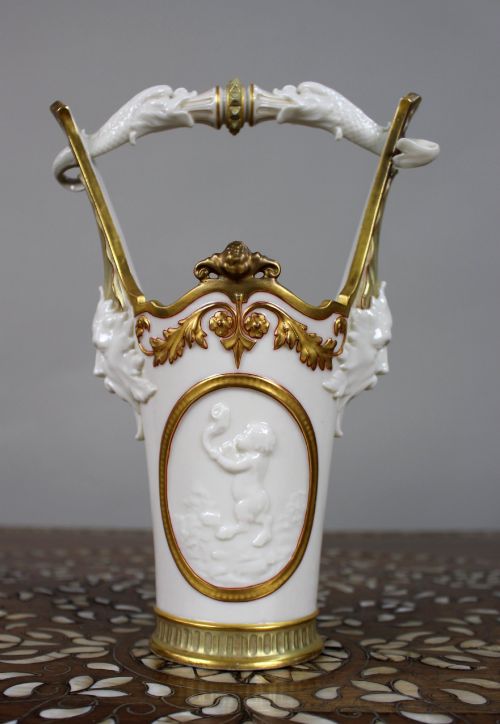
Forms extend from standard baluster and campana shapes to lidded potpourri jars, ewers, and twin-handled mask vessels. These pieces reflect stylistic shifts across the period, moving from ornate revivalist designs toward aesthetic movement and impressionist influences.
Origins vary between domestic makers in Worcester and Derby, and continental workshops in France, Austria, and Germany. Most survive as individual display items or matched pairs intended for mantle garnitures and central table placement.
How they were made
Makers shaped these vessels using traditional ceramic throwing and moulding techniques for porcelain bodies, alongside free-blown and pressed methods for glass pieces. Artisans then applied liquid gold or gold leaf by hand, often firing the pieces multiple times to bond the metallic decoration securely to the underlying glaze.
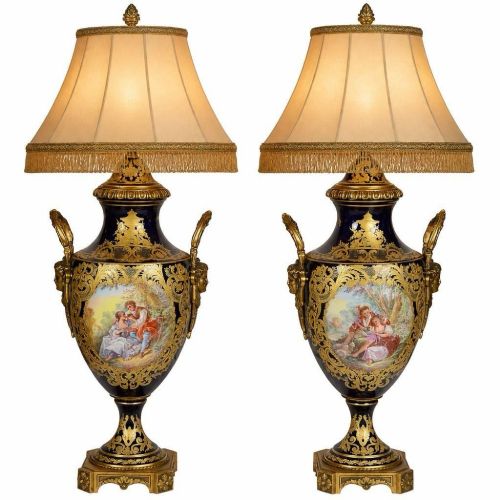
Enamel colours and hand-painted motifs were combined with surface gilding, whilst bronze and brass mounts were cast separately and fixed to composite vessels. Reticulated and pierced ceramic bodies required careful manual cutting before kiln firing.
Victorian Gilt Vases Retail Price Guide 2026
Typical asking prices for victorian gilt vases among the pieces listed under this phrase on Sellingantiques today, from the lower quarter to the upper quarter. They describe what is for sale here now, not the wider market.
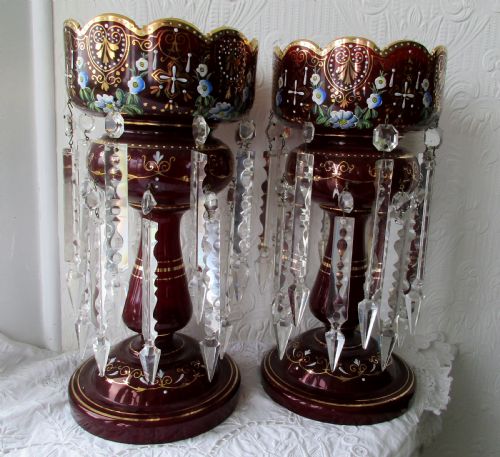
The listings feature nineteenth-century materials including porcelain, enamel, ruby glass, and gilt bronze across various decorative forms.
What varies in quality
Quality in these decorative objects rests upon the precision of the hand-painted detailing and the thickness and purity of the applied gilding. Superior examples display crisp brushwork, well-defined moulded ornament, and harmonious integration between the ceramic body and any metal mounts.
Lesser pieces exhibit flat, mechanical surface decoration with minimal hand-finishing and thin gilding that shows rubbing or loss. The complexity of the ceramic body, such as reticulated openwork or intricate porcelain handles, also distinguishes standard production wares from exhibition pieces.
Royal Worcester·Royal Crown Derby·Minton·Jacob Petit·Thomas Webb
The Victorian Gilt Vases Glossary
- Campana
- A bell-shaped vessel with a flaring rim and a pedestal foot, commonly utilised for classical revival designs.
- Gilding
- The application of gold leaf or powdered gold paint to the surface of porcelain, glass, or bronze.
- Reticulated
- An openwork pattern pierced through the ceramic body before firing, creating a lace-like geometric or floral design.
- Garniture
- A set of matching ornamental vases or pots, typically numbering three or five pieces designed for display together on a mantle.
- Imari
- A decorative palette featuring rich blues, iron red, and gold, inspired by traditional Japanese export ceramics.
Victorian Gilt Vases: Frequently Asked Questions
How do I clean these fragile surfaces?
Dust the exterior gently with a dry, soft microfibre cloth to remove surface particles safely.
Avoid using water, chemical cleaners, or abrasive cloths, as these will damage the delicate gold leaf and enamel decoration.
Were these vessels used for flowers?
Many examples served purely as decorative garniture items rather than functional water-holding containers.
Some bud vases and jardinieres were designed to hold fresh stems, but collectors generally inspect the interior for water staining before use.
How can I date a piece accurately?
Examine the base for maker marks, registration numbers, or impressed factory ciphers that correspond to nineteenth-century production years.
Stylistic cues such as aesthetic movement asymmetry or rococo revival scrolling also help narrow the decade of manufacture.
What is the difference between glass and porcelain versions?
Porcelain bodies provide an opaque, white ceramic base that supports detailed hand-painted portraits, floral panels, and heavy gilding.
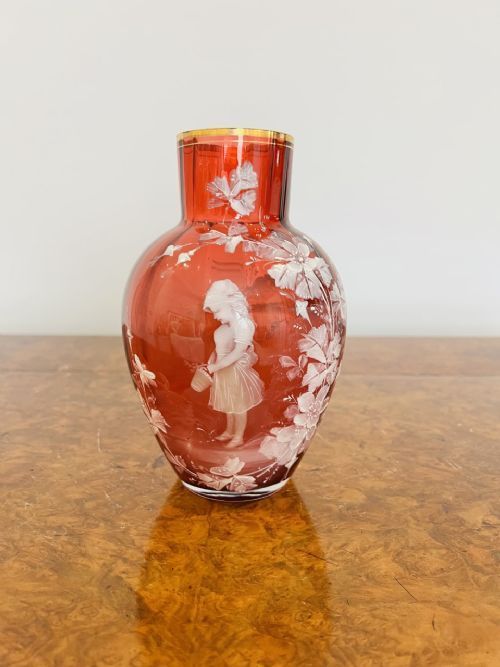
Glass alternatives utilise cranberry, ruby, or opaline materials, often enriched with enamel painting and gilded highlights.