


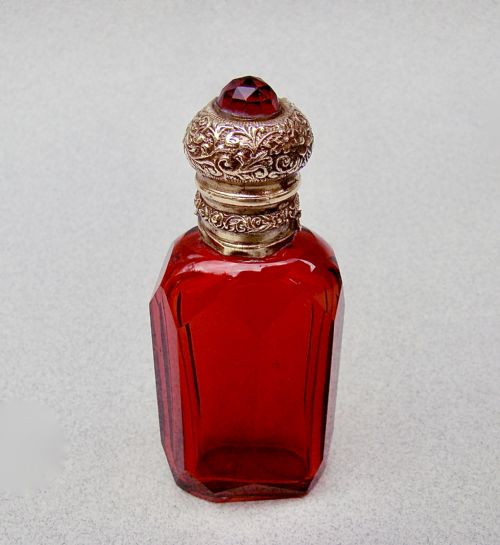


Victorian Gilt Perfume Bottle
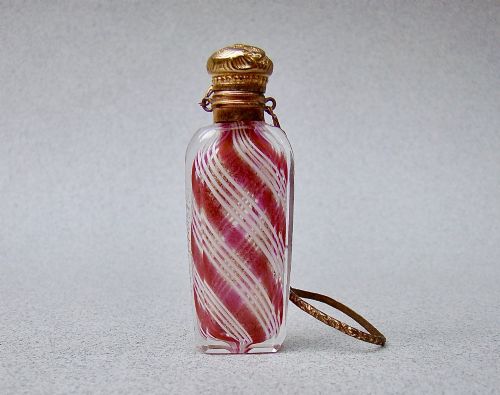
These Victorian gilt perfume bottle examples combine precious metals and glass, offering a glimpse into nineteenth-century vanity and craftsmanship.
Victorian Gilt Perfume Bottle
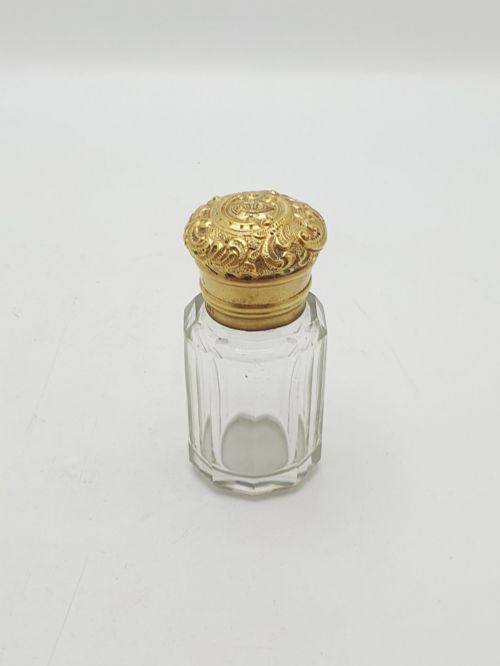
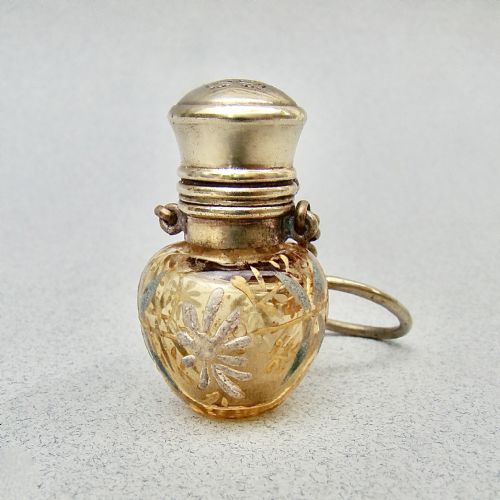
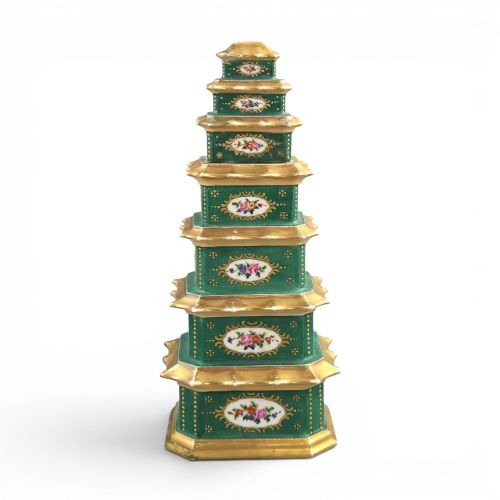
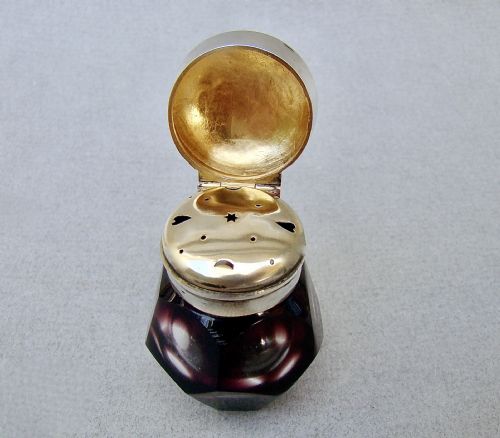
A victorian gilt perfume bottle serves as a portable container for personal fragrance, often housed in fitted boxes or suspended from chatelaines during the nineteenth century. These items range from single cut glass vessels with gilt caps to elaborate porcelain and enamel pieces originating from English, French, and Italian workshops.
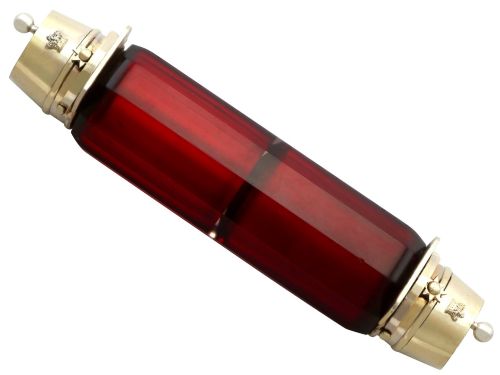
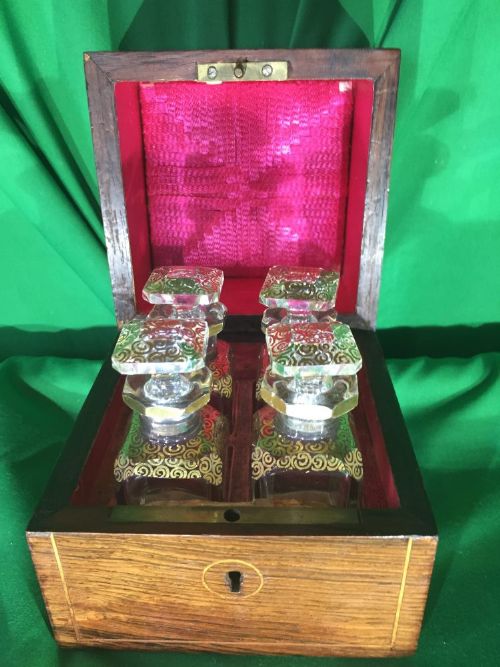
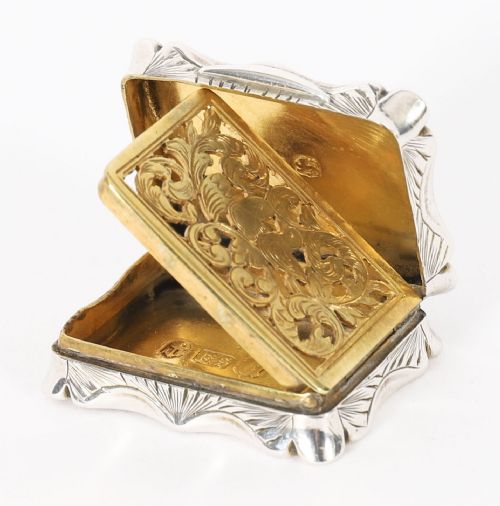
Buyers will encounter various forms on this page, including standalone scent bottles, paired sets within rosewood or leather caskets, and combination vinaigrettes. Materials span silver gilt, ruby glass, amethyst glass, and parian ware, reflecting the diverse manufacturing centres of the period.
Materials and construction
The construction of a victorian gilt perfume bottle typically combines blown or cut glass bodies with silver gilt mounts, or utilises porcelain and enamel techniques. Makers applied gold leaf or fire gilding to metals such as brass and sterling silver to create durable, ornate decorative surfaces.
Specialised workshops employed glass-colouring methods, producing ruby, amethyst, and murrine glass variants alongside moulded parian ware. Fitted leather caskets and embossed rosewood boxes required precision cabinetry to safely house multiple glass bottles and stoppers.
Victorian Gilt Perfume Bottle Retail Price Guide 2026
Typical asking prices for victorian gilt perfume bottle among the pieces listed under this phrase on Sellingantiques today, from the lower quarter to the upper quarter. They describe what is for sale here now, not the wider market.
Gentlemen also carried lockable cologne bottles, ensuring their personal fragrances remained undisturbed while travelling by carriage or train.
Factors of quality
Quality in a victorian gilt perfume bottle rests upon the crispness of the metal chasing, the weight and clarity of the glass, and the survival of original stoppers. Superior examples exhibit refined hand-applied enamel work, precise gilt application, and intact maker marks.
The integration between metal mounts and glass bodies demonstrates the maker's skill, with top-tier pieces showing seamless mechanical fits and robust hinge mechanisms. Secondary elements, such as fitted leather or rosewood outer cases, add complexity and indicate higher original status.
Edward Smith·S Morden and Co·George Brace·Minton·Jacob Petit
The Victorian Gilt Perfume Bottle Glossary
- Vinaigrette
- A small ornamental box or bottle featuring an internal pierced grille, designed to hold a sponge soaked in aromatic vinegar. These were carried during the nineteenth century to mask unpleasant odours.
- Silver gilt
- Silver that has been coated with a thin layer of gold, often achieved through fire gilding techniques. This treatment provides the lustre of gold combined with the structural properties of silver.
- Chatelaine
- A decorative belt hook worn with a series of suspended chains carrying household and personal items such as scent bottles and keys. They were popular accessories for Victorian women.
- Parian ware
- A type of fine biscuit porcelain developed in the nineteenth century to imitate white marble. It was frequently utilised for sculptural scent bottles and decorative figures.
- Murrine
- Coloured glass cane cut into cross-sections to reveal patterns, used by Venetian glassmakers to create intricate mosaic designs on perfume bottles.
Victorian Gilt Perfume Bottle: Frequently Asked Questions
What is a Victorian gilt perfume bottle?
A victorian gilt perfume bottle is a nineteenth-century personal container made from materials like cut glass, porcelain, and silver gilt. These objects held liquid scents and were designed for dressing tables or portable use.
Many examples feature decorative metal mounts, hinged caps, and original glass stoppers. They reflect the ornate aesthetic and social customs of the Victorian era.
How were these scent bottles used?
Owners used them to store concentrated perfumes, colognes, or aromatic vinegars for personal freshening throughout the day. Some bottles were kept on dressing tables inside fitted rosewood or leather caskets.
Other variants were suspended from chatelaines or carried within smaller compartments of a lady's dressing set. The secure stoppers and gilt caps prevented evaporation during transit.
How do I identify the period?
Period identification relies on examining material characteristics, maker marks, and manufacturing techniques typical of the nineteenth century. Glass colours like ruby and amethyst, combined with silver gilt mounts, point directly to Victorian production methods.
Makers often stamped hallmarks or signatures onto the metal mounts. Comparing stylistic elements such as Rococo Revival motifs or Chinoiserie details helps narrow the date further.
Are original stoppers important?
Original stoppers significantly contribute to the completeness and authenticity of a nineteenth-century scent bottle. Finding a bottle with its matching glass or gilt stopper confirms the piece remains intact.
Replacements alter the historical integrity of the item. Collectors prioritise examples that retain their original internal components and matching mounts.