



Victorian Gilt Lamp
These nineteenth-century pieces bring together bright metallic surfaces and domestic illumination, offering a warm focal point for a traditional interior.
Victorian Gilt Lamp
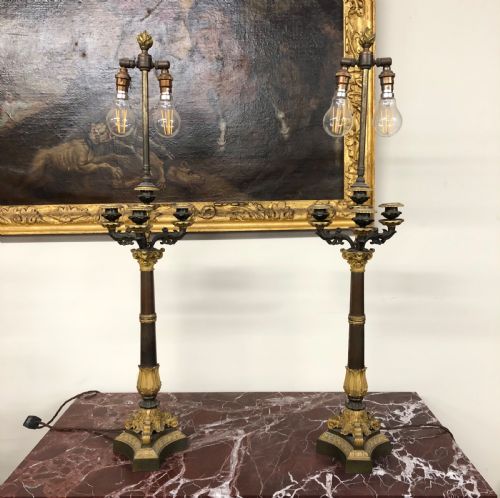
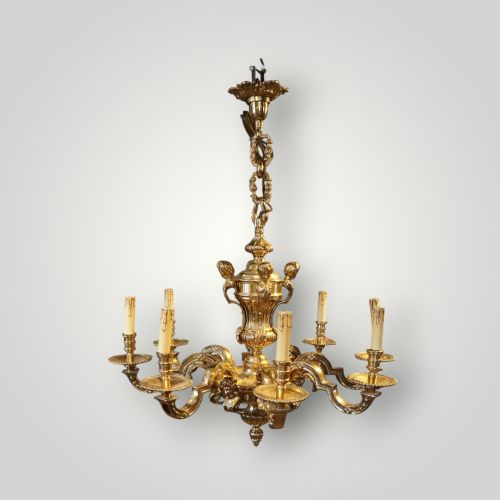
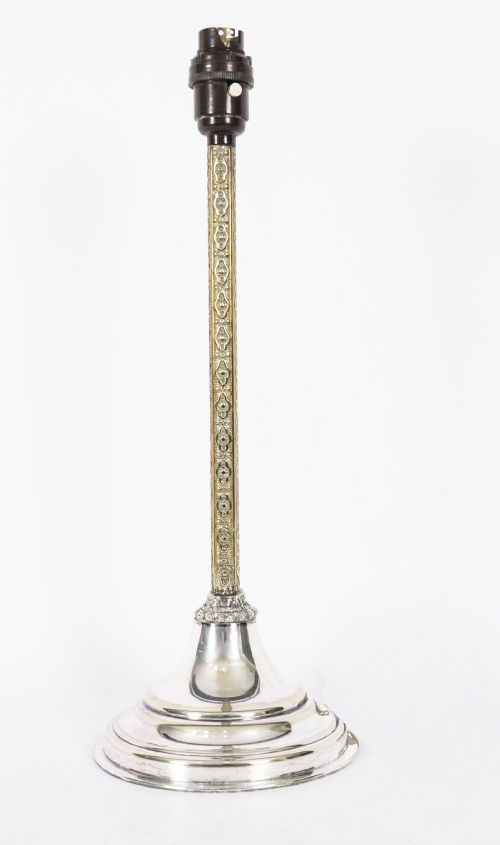
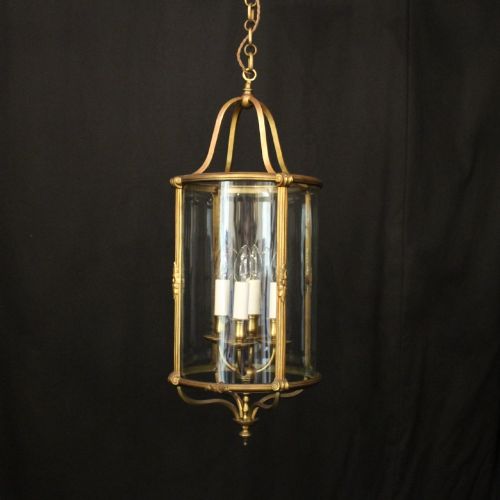
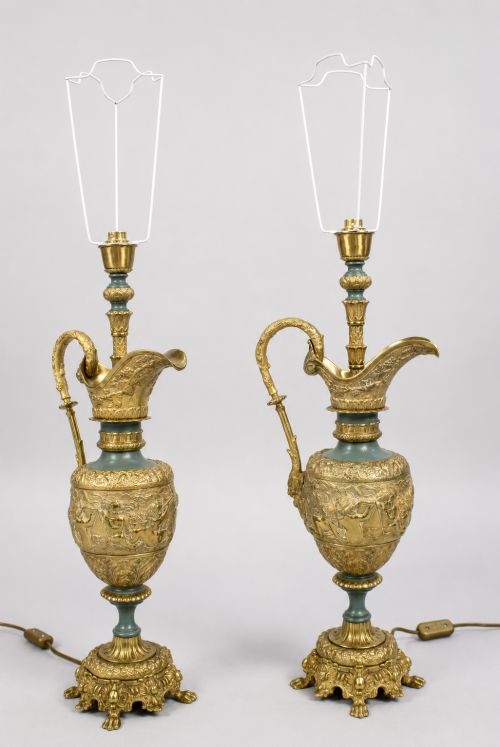
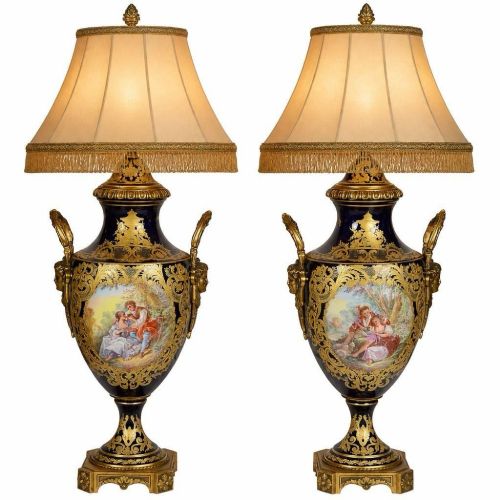
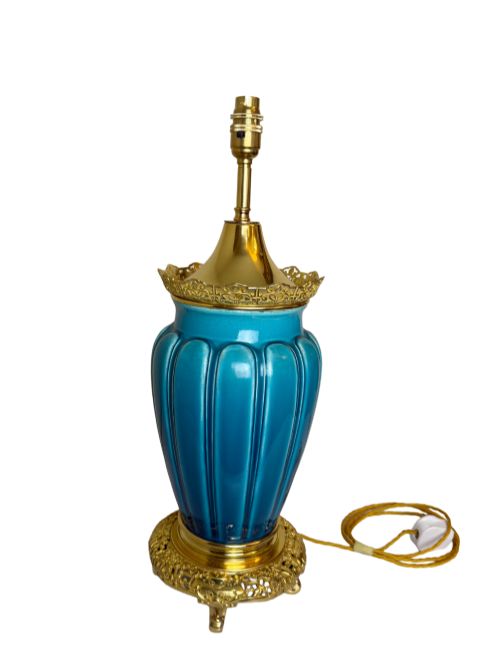
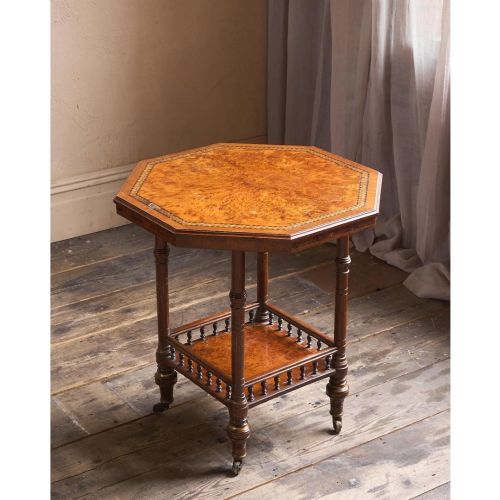
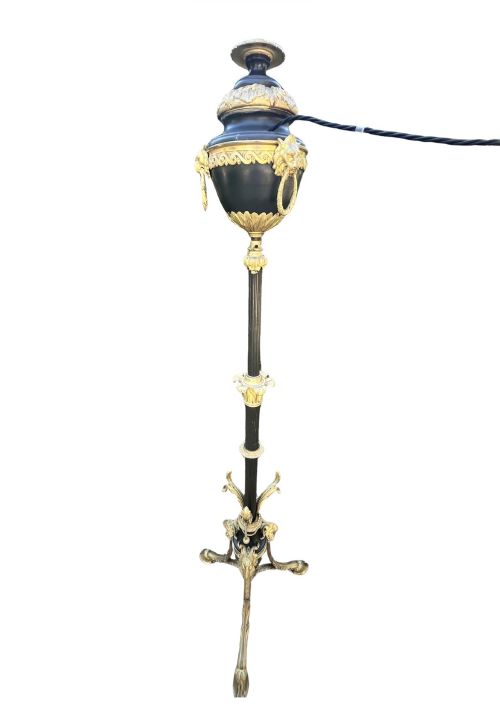
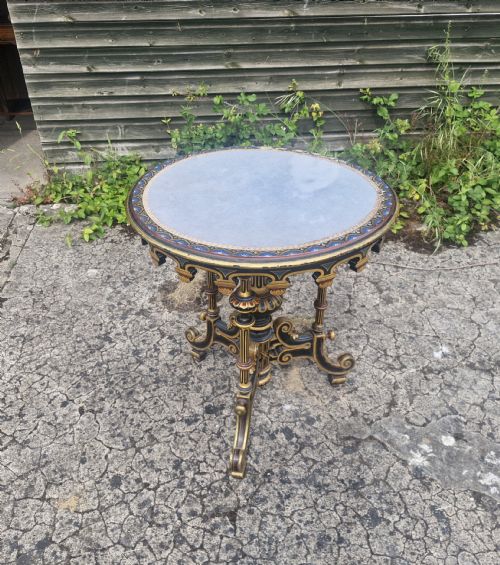
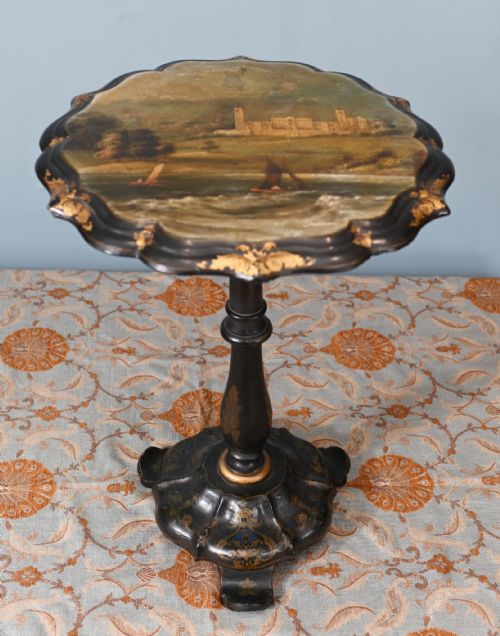
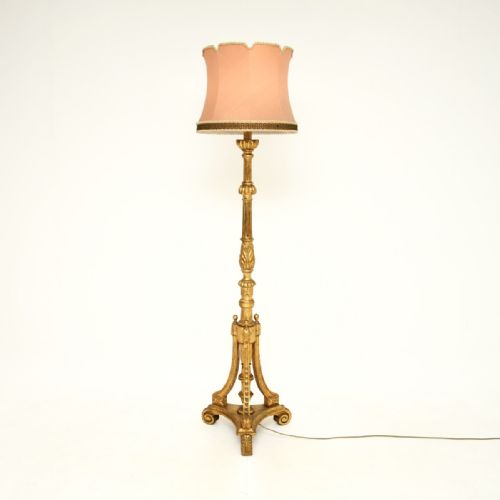
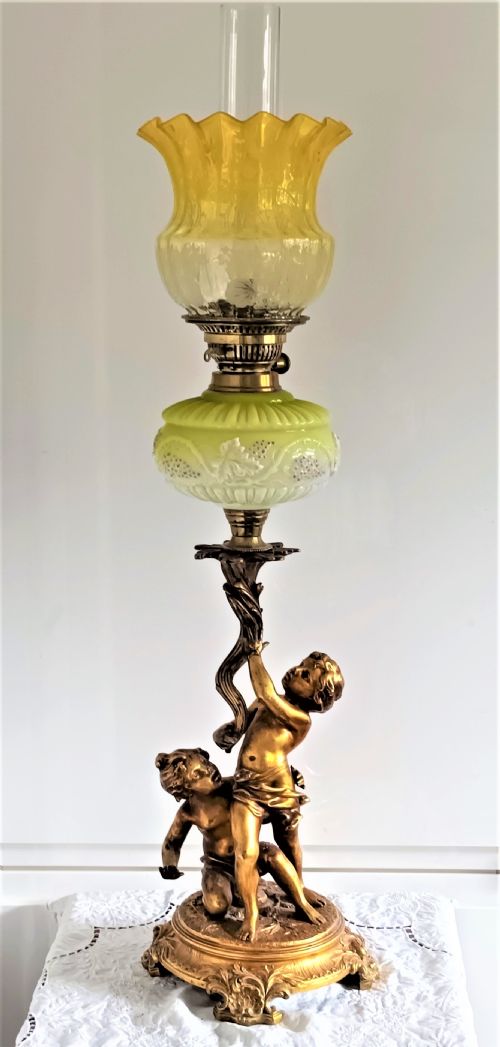
A victorian gilt lamp combines period metalwork with functional lighting, spanning oil burners, converted candlesticks, and electrified bases. The examples seen here range from substantial nineteenth-century floor standards to smaller table pieces adorned with metallic leaf.
Makers and manufacturers utilised varied silhouettes, incorporating porcelain bodies, marble bases, and coloured glass alongside metal mounts. Pieces emerge from diverse aesthetic revivals, showing influences from French rococo to gothic and chinoiserie design.
Table lamps and standard lamps dominate the selection, frequently appearing in pairs or single decorative formats. Buyers encounter both utilitarian oil lamps adapted for modern use and ornamental bronze or brass figures repurposed for illumination.
Materials and Construction
Craftsmen built these lamps using cast bronze, brass, or ormolu as a structural foundation, often applying fire gilding or gold leaf to achieve a lustrous finish. Ormolu components required precise metal casting followed by mercury gilding to produce a rich, durable surface sheen.
Many designs integrate delicate materials like opaline glass, cut crystal, and hand-painted porcelain alongside the metallic elements. Structural stability relied on heavy marble pedestals or weighted timber bases to support taller lamp standards and multi-branched chandeliers.
Victorian Gilt Lamp Retail Price Guide 2026
Typical asking prices for victorian gilt lamp among the pieces listed under this phrase on Sellingantiques today, from the lower quarter to the upper quarter. They describe what is for sale here now, not the wider market.
Assessing Quality
Quality rests in the crispness of the bronze or brass casting and the depth of the original gilding. Finer pieces display hand-chased details on metal surfaces rather than the flat uniformity of mass production.
Integration of secondary materials also separates standard items from exceptional ones. Superior examples feature high-grade porcelain bodies, unblemished marble tops, and intact period glass shades that complement the metal mountings harmoniously.
Mappin & Webb·Gillows·Mc Gary·Perry & Co
The Victorian Gilt Lamp Glossary
- Ormolu
- Gilded bronze, where a mixture of gold and mercury is applied to cast bronze and heated. This technique creates a distinctive matte and burnished golden finish.
- Opaline glass
- An opaque or semi-translucent glass popular in the nineteenth century. It frequently appears in soft pastel colours on lamp bodies and shades.
- Ewers
- Pitcher or jug forms adapted from ancient shapes. These vessels frequently form the central body of nineteenth-century decorative table lamps.
- Parcel gilt
- Portions of an object highlighted with gold leaf or gilt while other areas retain their natural wood or metal finish. This method creates contrast on frames and table bases.
Victorian Gilt Lamp: Frequently Asked Questions
How do I convert an old oil lamp for electricity?
Conversion typically involves running a discreet cord through the existing burner mechanism without altering the exterior brass or glass structure. Professional rewiring ensures the historic body remains intact while meeting modern safety standards.
Original reservoirs and burners are preserved where possible to maintain the structural integrity of the piece. Buyers should consult a qualified electrician experienced with antique lighting to handle delicate metal and glass fittings.
Are these lamps safe to use every day?
Most nineteenth-century lighting requires rewiring to meet contemporary electrical codes before regular domestic use. Old brass fittings and worn internal wiring should be replaced with modern components.
Using low-wattage LED bulbs helps protect fragile glass shades and nineteenth-century painted finishes from excessive heat. Proper installation ensures these decorative objects function reliably in daily life.
How should I clean gilded metal surfaces?
Gilt bronze and ormolu require gentle dusting with a soft, dry microfibre cloth to remove accumulated particles. Avoid commercial metal cleaners, abrasive pads, or chemical solvents that strip the delicate gold layer.
Moisture can damage underlying base metals or older repairs if allowed to sit on the surface. Regular maintenance involves nothing more than careful dry dusting.
What is the difference between ormolu and gilt brass?
Ormolu specifically refers to gilded bronze created through a traditional mercury amalgamation process, yielding a deep and enduring golden tone. Gilt brass uses a brass substrate with various gilding methods, often appearing slightly brighter in colour.
Bronze provides a heavier, more stable foundation for intricate cast ornamentation than brass. Distinguishing between them depends on the weight and the method of surface finishing.