
Victorian Gilded Vase
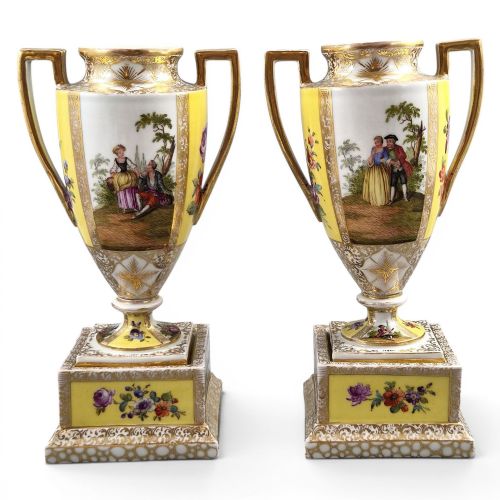
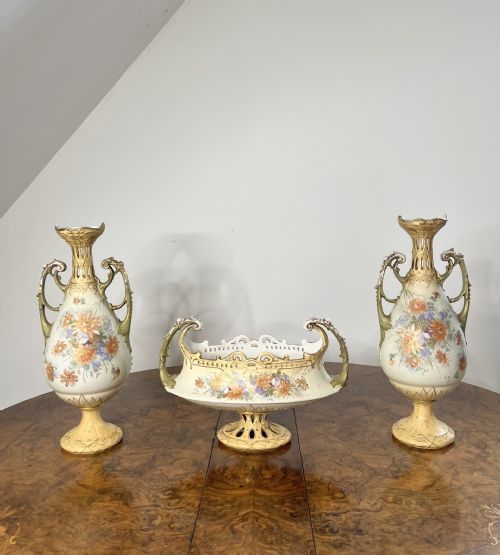
A victorian gilded vase brings nineteenth-century drawing-room elegance to a mantelpiece through rich metallic ornamentation and painterly ceramic or glass forms.
Victorian Gilded Vase
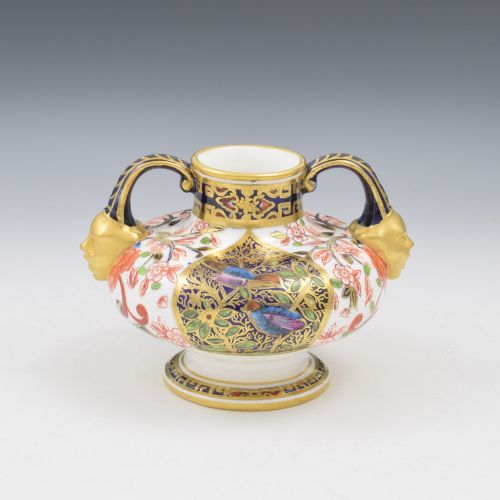
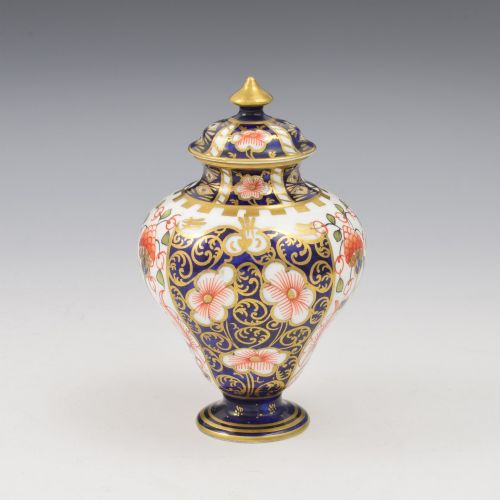
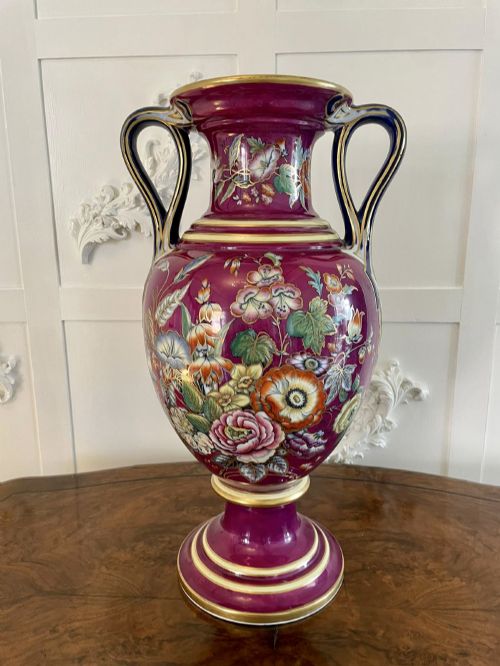
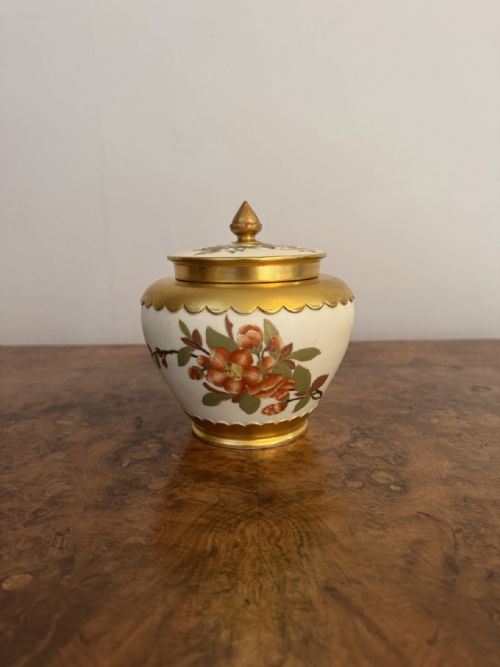
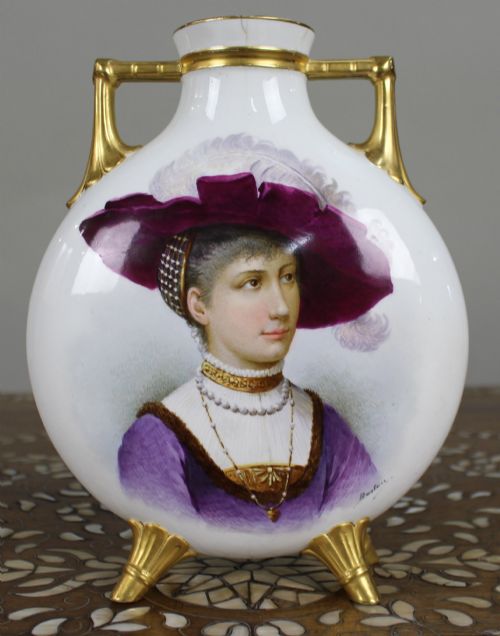
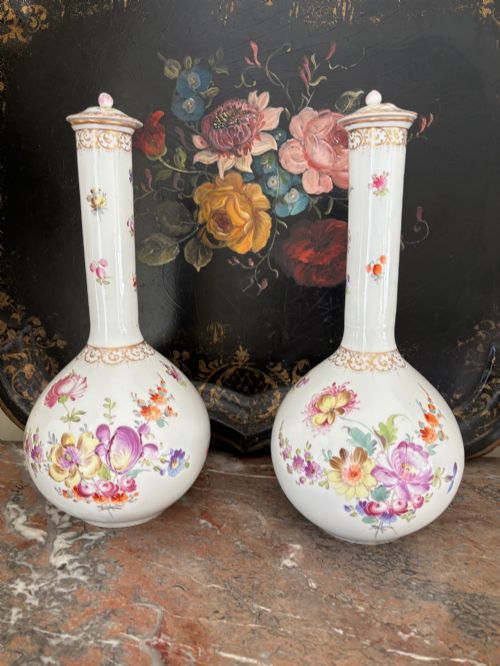
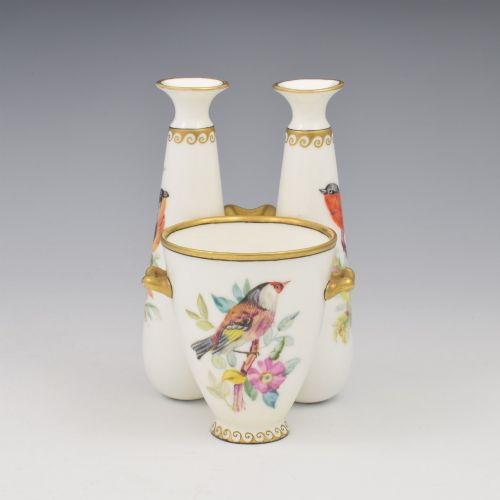
A victorian gilded vase encompasses a wide variety of decorative receptacles created during the nineteenth century, including urns, ewers, and spill vases. Collectors encounter both porcelain and glass bodies enriched with gold leaf or surface gilding across various domestic forms.
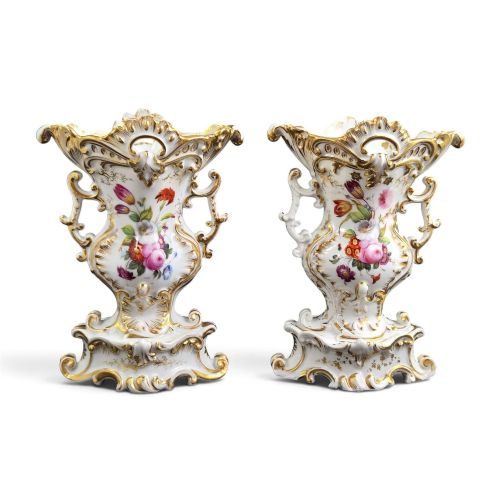
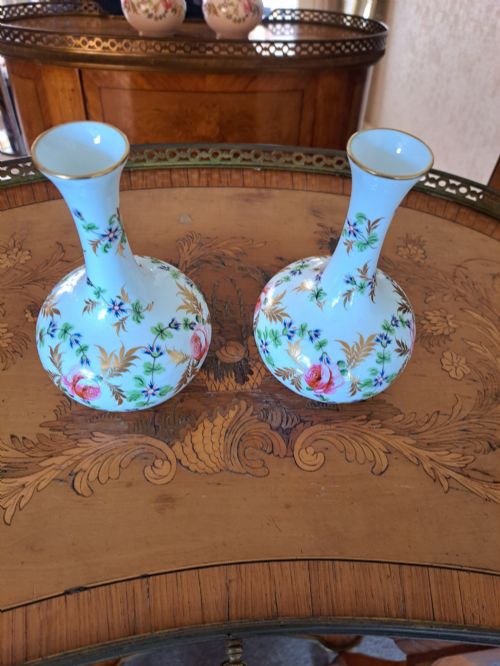
The selection ranges from cabinet miniatures to large centrepieces, spanning periods from the 1850s through to Edwardian interpretations. Makers employed diverse regional styles, incorporating Rococo Revival curves and Neoclassical symmetry alongside floral hand-painted motifs.
Distinctions in Quality
Quality rests upon the precision of the hand-painted details and the crispness of the gilt work rather than the mere presence of gold. Superior examples display refined brushwork by named artists or established manufactories, whereas simpler production pieces rely on repetitive transfer printing.
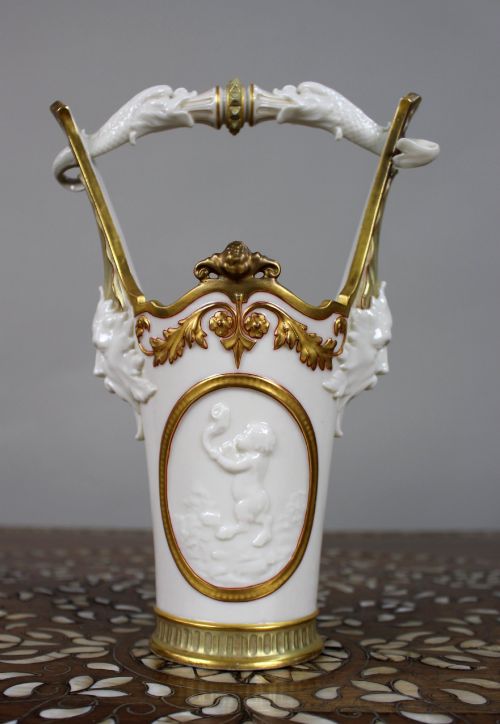
The weight and balance of the vessel, the complexity of moulded twin handles or reticulated lattice work, and the depth of the coloured glass or porcelain body distinguish standard commercial output from exhibition-grade works.
Periods represented span the Georgian era through to Edwardian revivals, with a strong focus on the 1860s to 1890s.
Royal Worcester·Royal Vienna·Jacob Petit·Sitzendorf·Mason's Patent Ironstone·Helena Wolfsohn·Ridgeways·William Moorcroft·Christopher Dresser·Spode
The Victorian Gilded Vase Glossary
- Gilding
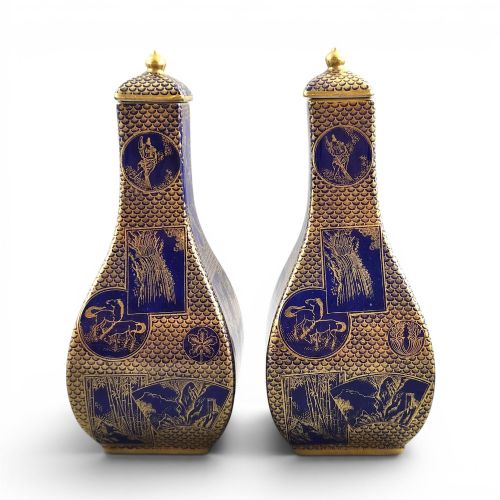
- The application of gold leaf or powdered gold to the surface of porcelain, glass, or metal. This technique enhances decorative impact and highlights raised moulding.
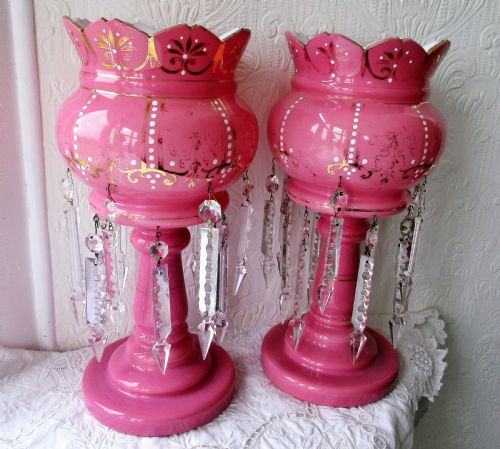
- Lustre
- A type of vase or decorative object featuring hanging glass prisms intended to catch and reflect candlelight. These items frequently incorporate rich ruby or cranberry glass.
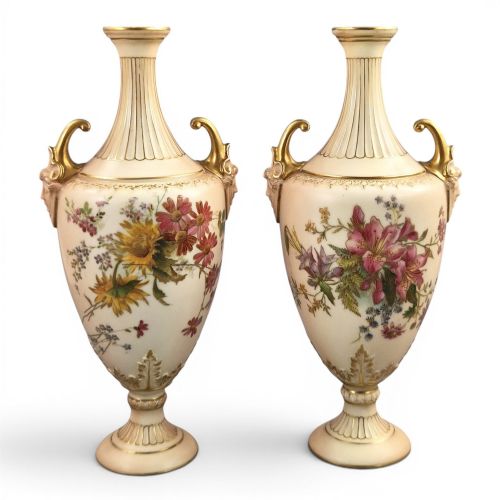
- Blush Ivory
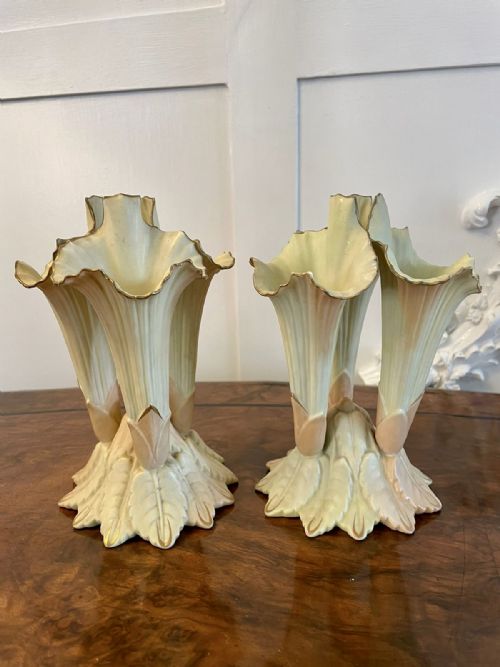
- A specific porcelain finish pioneered by factories such as Royal Worcester, featuring soft cream-coloured tints beneath delicate floral decoration and gold accents.
- Campana
- A bell-shaped classical urn form popular throughout the nineteenth century for decorative vases. Such vessels often feature twin handles springing from the lower body.
Victorian Gilded Vase: Frequently Asked Questions
How do I date a gilded Victorian vase?
Dating relies heavily on factory backstamps, registration marks, and stylistic clues such as colour palettes and shapes characteristic of specific decades.
Comparing pattern numbers and glaze types against known factory production years helps narrow down the exact decade of manufacture.
Were these vases used for fresh flowers?
Many nineteenth-century vases served primarily as decorative garnitures, mantelpiece centrepieces, or potpourri containers rather than functional water holders.
Fragile gilding and delicate hand-painted enamel surfaces meant owners often kept them dry to preserve the metallic finish.
How should I clean a gilded glass vase?
Cleaning requires gentle dusting with a soft, dry cloth to avoid abrading the delicate gold leaf or surface enamel.
Harsh chemical detergents and immersion in water must be avoided, as moisture can lift old gilding and compromise painted details.
What is the difference between porcelain and glass lustres?
Porcelain versions feature ceramic bodies decorated with hand-painted scenes or Imari patterns, whereas glass lustres consist of coloured glass fitted with crystal prisms.
Both forms utilise heavy gilding, but glass examples rely on light refraction through hanging drops for their visual effect.