




Victorian Gentleman Picture
A victorian gentleman picture captures the character and gravity of nineteenth-century life through oil portraits, silhouettes, and watercolours.
Victorian Gentleman Picture
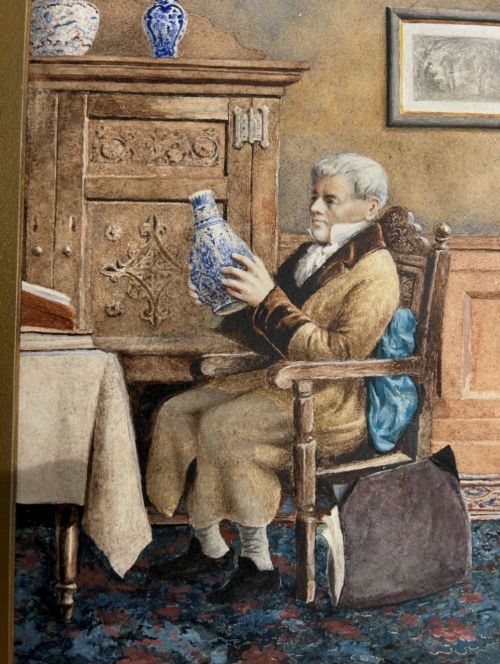
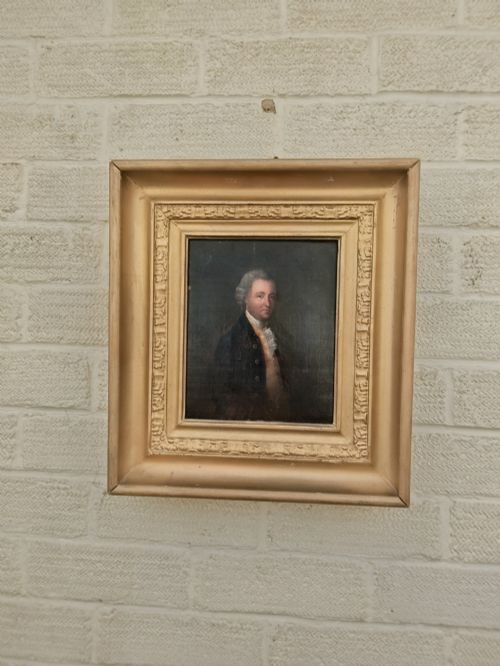
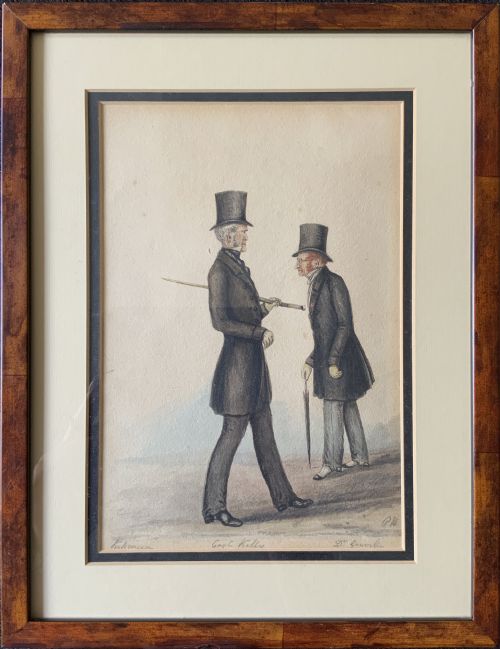
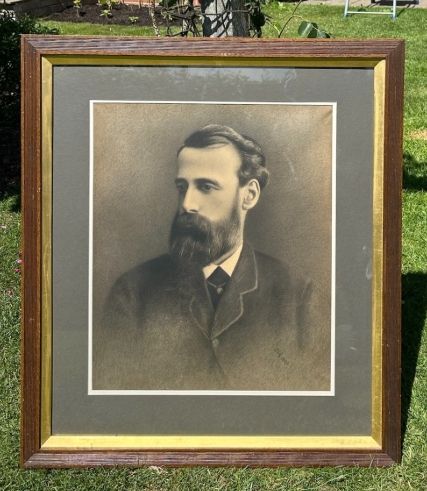
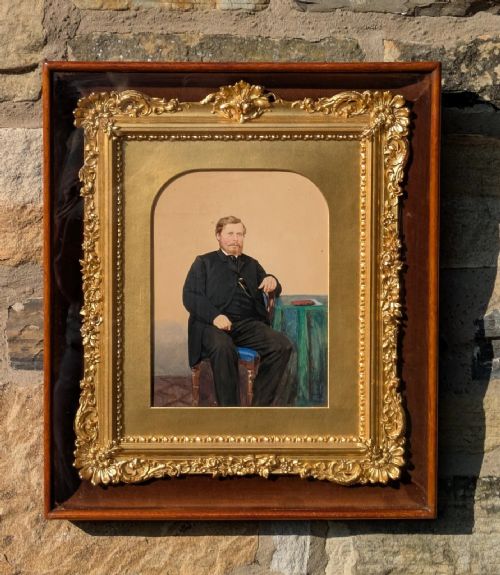
A victorian gentleman picture comprises painted, drawn, and printed portraits originating primarily from the nineteenth century. These works depict men in various settings, ranging from formal evening wear to domestic interior scenes and caricatures.
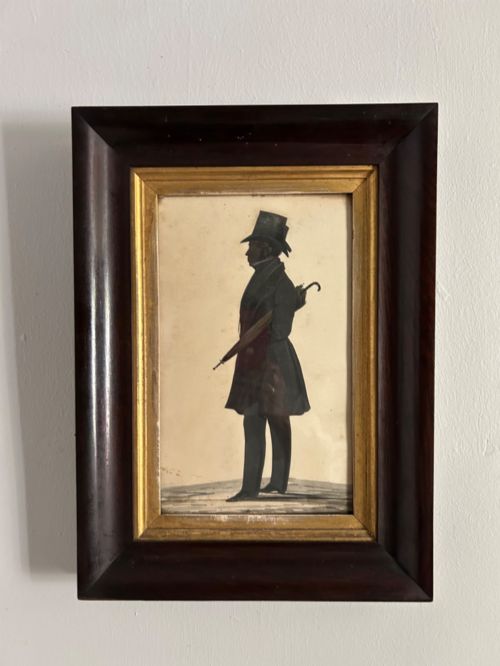
Buyers frequently encounter oil paintings on canvas alongside works on paper such as watercolours, charcoal drawings, and silhouette portraits. Framed presentation styles often include gilt gesso frames and deep glazed velvet mounts.
The subjects span from named individuals like political economists and professors to anonymous figures, naive representations, and satirical subjects. Examples stretch chronologically from early Victorian pieces through to works dated around eighteen ninety and nineteen hundred.
Materials and methods
Artists worked primarily with oil on canvas or applied watercolour, pastel, ink, and charcoal onto paper. Support materials included wood and standard canvas stretched over frames.
Framing played an integral role in the presentation of these artworks, utilising moulded wood embellished with gold leaf and gilt gesso. Specialised enclosures such as deep glazed box frames with velvet mounts were occasionally employed for silhouettes and delicate portraits.
Listings feature works spanning the nineteenth century, utilising glass, wood, paper, gold leaf, oil on canvas, watercolour, and ink.
Judging the range
Quality separates academic proficiency from naive execution, visible in the handling of facial anatomy, fabric folds, and light across the subject. Works by recorded artists or established schools demonstrate greater anatomical conviction than anonymous folk art or primitive watercolours.
The integrity of the original framing significantly influences the standing of a piece, particularly when period gilt gesso frames or specialised box mounts remain intact. Material preservation, such as the stability of the canvas and the clarity of the paper beneath glass, marks the division between well-kept examples and those compromised by time.
Henry Stacy Marks·John Arthur Lomax·Hubard Gallery·Walter Dendy Sadler·Thomas Robson·Josiah Gilbert·William Biscombe Gardner
The Victorian Gentleman Picture Glossary
- Silhouette portrait
- A profile likeness cut from paper or painted in solid dark pigments against a pale background. This technique gained immense popularity for capturing facial profiles before the widespread adoption of photography.
- Chromolithograph
- A multicolour print produced through a specialised lithographic process using multiple stones or plates. This technique allowed publishers to replicate the rich hues of original watercolours and paintings.
- Gilt gesso
- A plaster-like material applied to wooden frames and carved before receiving a surface layer of gold leaf. It provided opulent ornamentation suited to nineteenth-century domestic interiors.
- Genre painting
- Artwork depicting scenes from everyday life involving ordinary people engaged in typical activities. These compositions often told a narrative story about domesticity, leisure, or work.
- Naive portrait
- An artwork created outside formal academic traditions, characterised by a flattened perspective and direct interpretation. Such pieces offer unpretentious charm and straightforward documentation of their subjects.
Victorian Gentleman Picture: Frequently Asked Questions
What subjects appear in these portraits?
The subjects range from formally dressed individuals and political figures to academics, anglers, and satirical caricatures. Many depict named historical personalities, while others represent anonymous gentlemen or figures from literature.
Domestic interior scenes and outdoor pastimes also feature prominently among the painted works. Each image records the attire, posture, and social presentation expected of men during the nineteenth century.
How were these artworks displayed originally?
Period pictures of this nature hung in parlours, studies, and libraries within homes across Britain. They were designed to project status, intellectual pursuits, or personal connections through framed wall art.
More intimate formats like silhouettes and watercolours occasionally resided in specialised box frames or private albums. Gilt framing ensured the artwork commanded attention within heavily decorated Victorian interior schemes.
How do I identify the period?
Dating relies on stylistic clues within the clothing, facial hair styles, and artistic techniques employed by the creator. Formal evening wear, frock coats, and specific neckwear styles help narrow down the decade of execution.
Framing materials and backing papers provide additional physical evidence for the age of the piece. Signatures, dates inscribed on the reverse, or biographical details of the sitter anchor the work securely in the nineteenth century.
Are these works original or prints?
The selection includes both unique hand-painted works and mass-produced or periodical prints. Original items encompass oil paintings on canvas, watercolours, charcoal drawings, and hand-cut silhouettes.
Printed material is represented by chromolithographs and published plates sourced from contemporary periodicals. Each medium offers a distinct visual texture depending on whether the artist applied paint directly to the surface.