


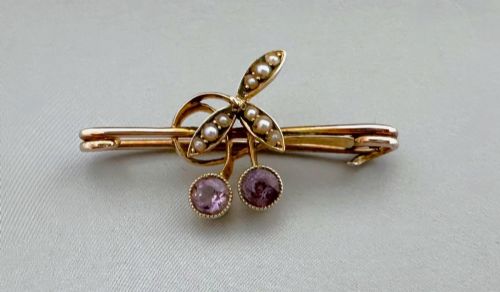


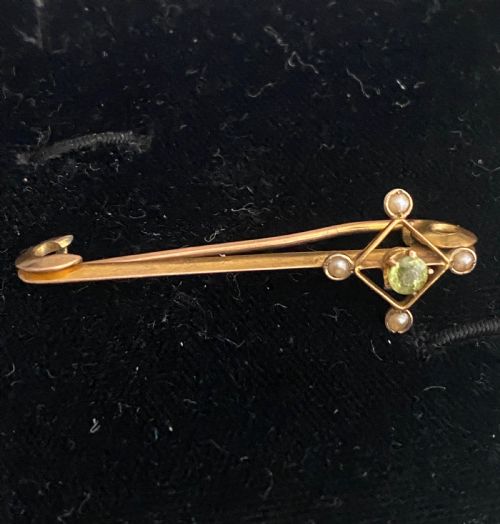
Victorian Gemstone Lapel Pin
These Victorian gemstone lapel pin pieces offer decorative historical charm, bringing period craftsmanship and precious stones straight to your lapel.
Victorian Gemstone Lapel Pin
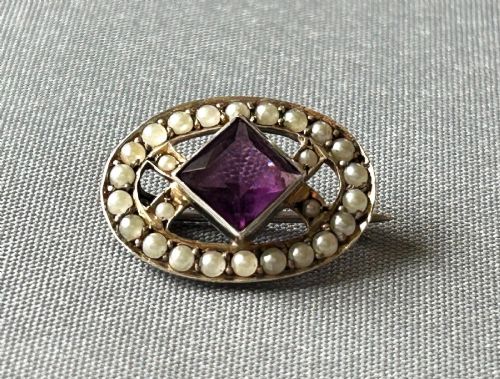
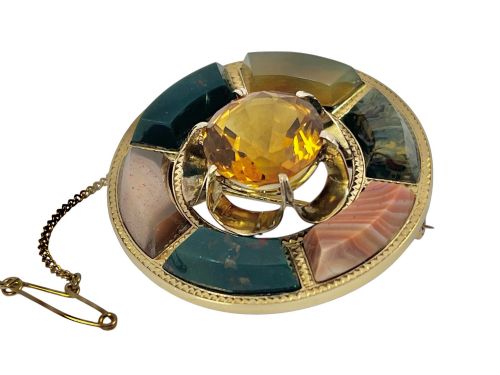
A Victorian gemstone lapel pin and related brooch forms bring together small-scale nineteenth-century jewellery designed to secure garments or adorn lapels. These pieces bridge the Victorian and Edwardian periods, stretching from early nineteenth-century examples into the twentieth century.
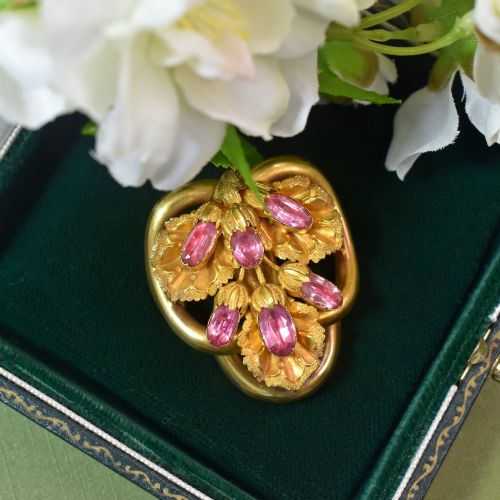
Buyers encounter floral bar brooches, butterfly motifs, and cluster designs alongside stick pins. Materials range across fifteen-carat and nine-carat gold, silver gilt, and yellow gold set with gemstones.
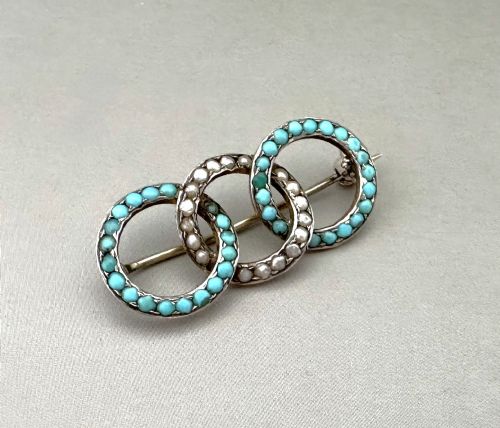
The assortment on this page reflects distinct eras including the nineteenth century and Edwardian decades. Each item presents specific configurations of gold or silver paired with stones such as ruby, diamond, pearl, topaz, sapphire, chrysoberyl, moonstone, aquamarine, amethyst, peridot, and turquoise.
Materials and construction
Goldsmiths utilised fifteen-carat and nine-carat gold alongside silver and silver gilt to form the structural mounts and bar brooches. Metalwork often incorporates foliate motifs, floral arrangements, and delicate wirework.
Lapel pins and brooches were set with natural pearls, split pearls, foil-backed stones like pink topaz, and rose-cut diamonds. Gemstones such as sapphire, ruby, chrysoberyl, aquamarine, amethyst, peridot, and turquoise were secured directly into the precious metal settings.
Victorian Gemstone Lapel Pin Retail Price Guide 2026
Typical asking prices for victorian gemstone lapel pin among the pieces listed under this phrase on Sellingantiques today, from the lower quarter to the upper quarter. They describe what is for sale here now, not the wider market.
A tiny gold butterfly perches silently on antique lapels, preserving a Victorian fascination with winged insects in solid metal and stone.
Assessing quality
Quality rests in the precision of the metalwork and the selection of the stones. Finer examples display meticulous foliate detailing or balanced floral arrangements that integrate the precious metals harmoniously with pearls and coloured gems.
The Victorian Gemstone Lapel Pin Glossary
- Bar brooch
- A narrow horizontal pin featuring central decorative elements like floral motifs or gemstone clusters. This form was widely utilised throughout the nineteenth century.
- Foil-backed
- A technique where a thin sheet of coloured metallic foil is placed behind a gemstone to enhance its brilliance and colour. This method appears frequently in earlier nineteenth-century jewellery.
- Split pearl
- A natural pearl that has been halved to facilitate flat mounting onto metal settings. These are commonly clustered around central coloured gemstones.
- Silver gilt
- Silver that has been coated with a thin layer of gold. This treatment provided the appearance of solid gold while employing silver as the base metal.
Victorian Gemstone Lapel Pin: Frequently Asked Questions
How do I wear a lapel pin?
These pieces secure easily through jacket lapels or fabrics using integrated pin stems. They add a distinct historical accent to modern tailoring.
Position the pin firmly through the cloth, ensuring the safety catch or backing secures the piece properly against movement.
What periods do these pieces span?
The selection covers Victorian, Edwardian, and early twentieth-century eras. Pieces range from the eighteen-forties through to the nineteen-thirties.
Stylistic shifts appear across these decades, moving from ornate foil-backed stones toward lighter Edwardian and later gemstone bar designs.
What metals are used?
Items are fashioned from fifteen-carat gold, nine-carat gold, yellow gold, silver, and silver gilt. Gold content varies between higher and standard carat weights.
Silver and silver gilt provide alternative bright metallic tones often paired with turquoise, pearls, or moonstones.
Which gemstones appear most often?
Common stones include diamonds, pearls, rubies, sapphires, amethysts, aquamarines, peridots, and turquoise. Rarer materials such as chrysoberyl and pink foil-backed topaz also occur.
Stones are frequently combined in floral or cluster motifs to create contrasting colour palettes.