


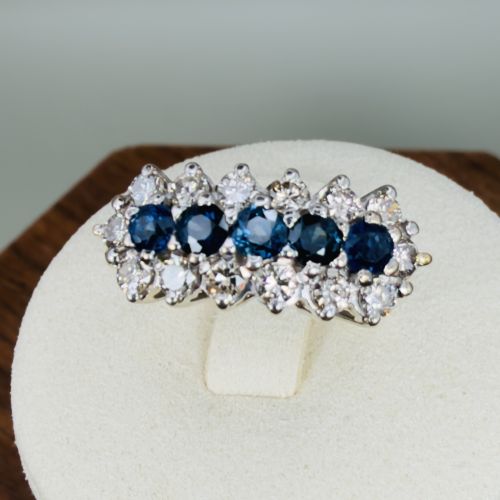
Victorian Gemstone Dress Ring
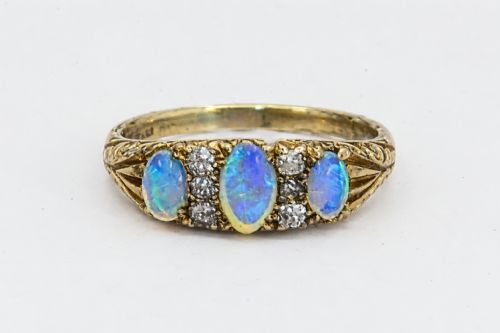
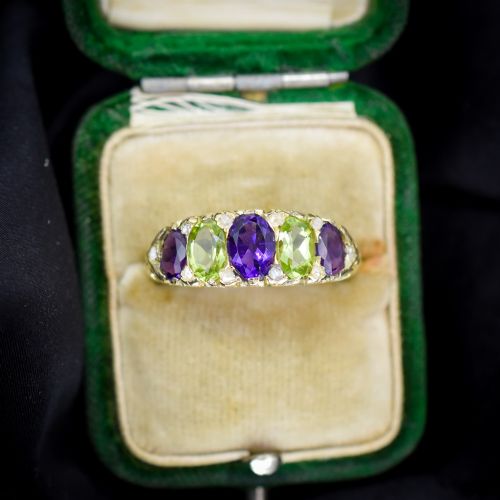
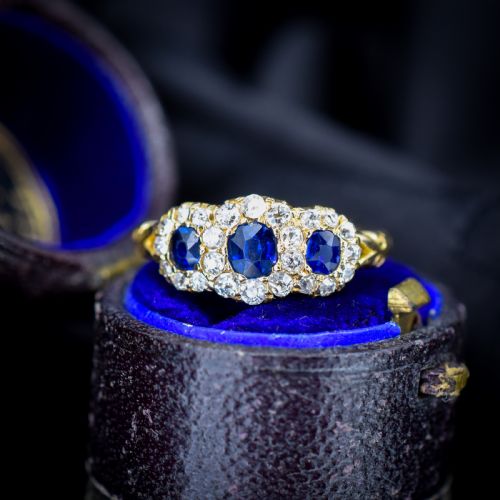
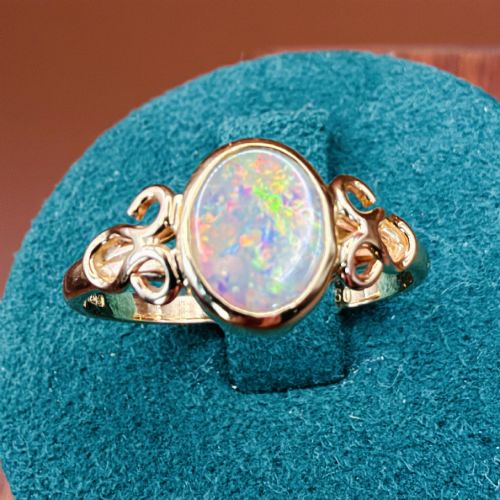
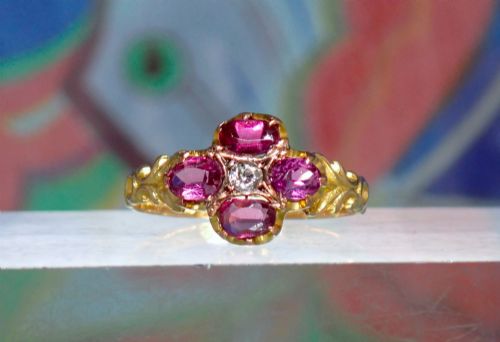
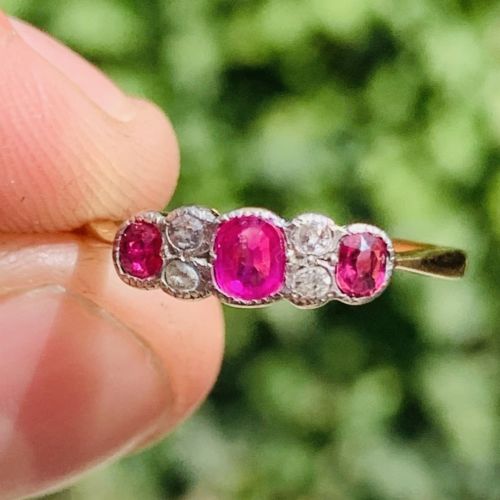
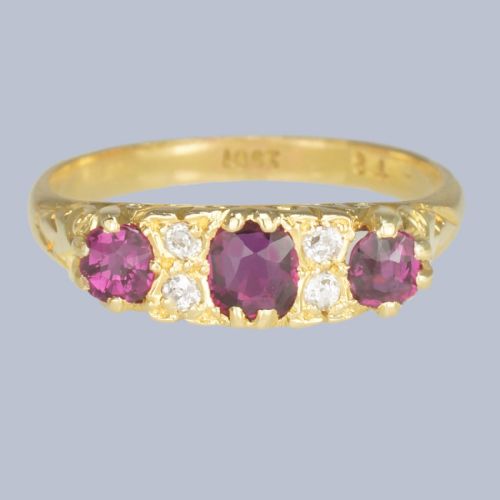
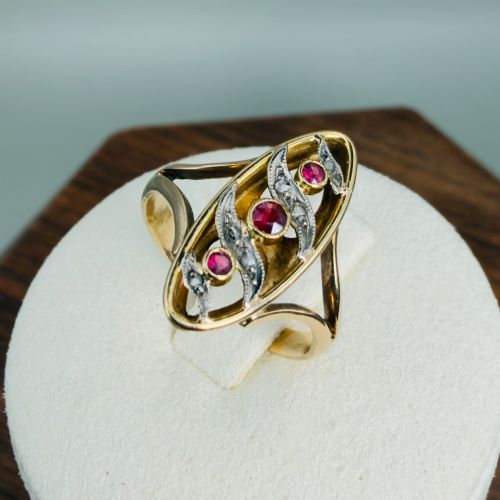
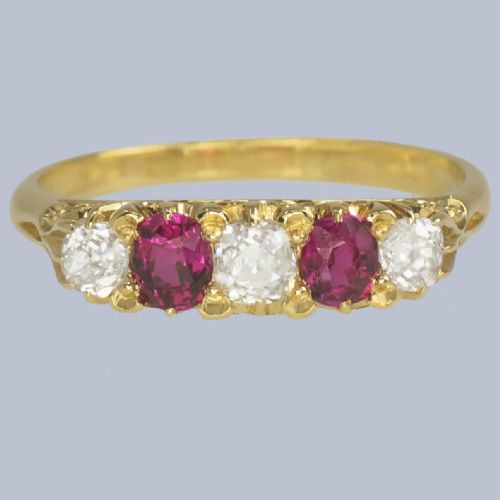
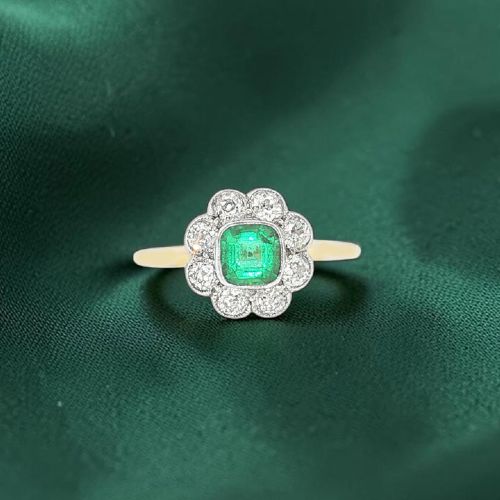
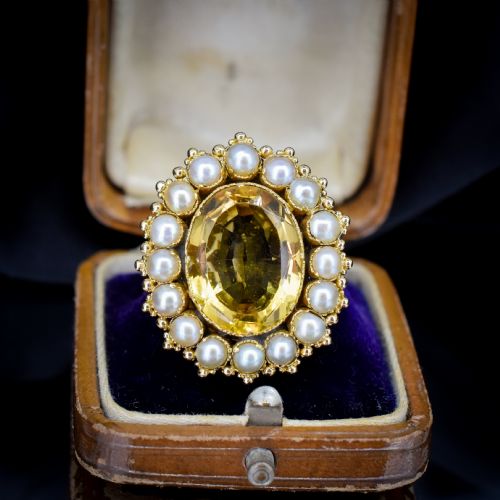
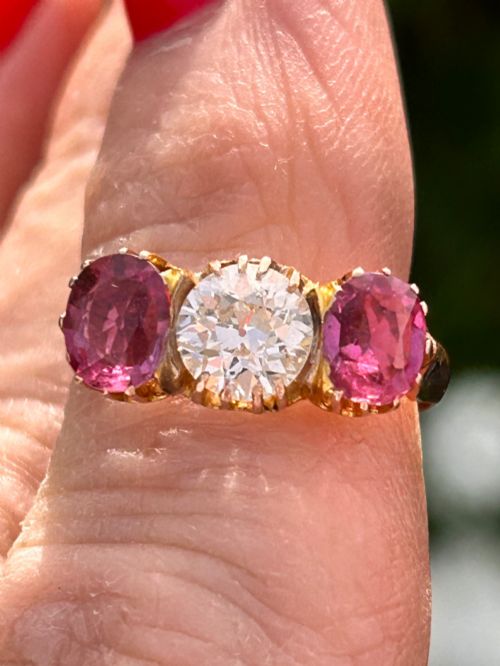
These Victorian gemstone dress ring examples combine period gold settings with turquoise, pearl, diamond, pink tourmaline, and ruby.
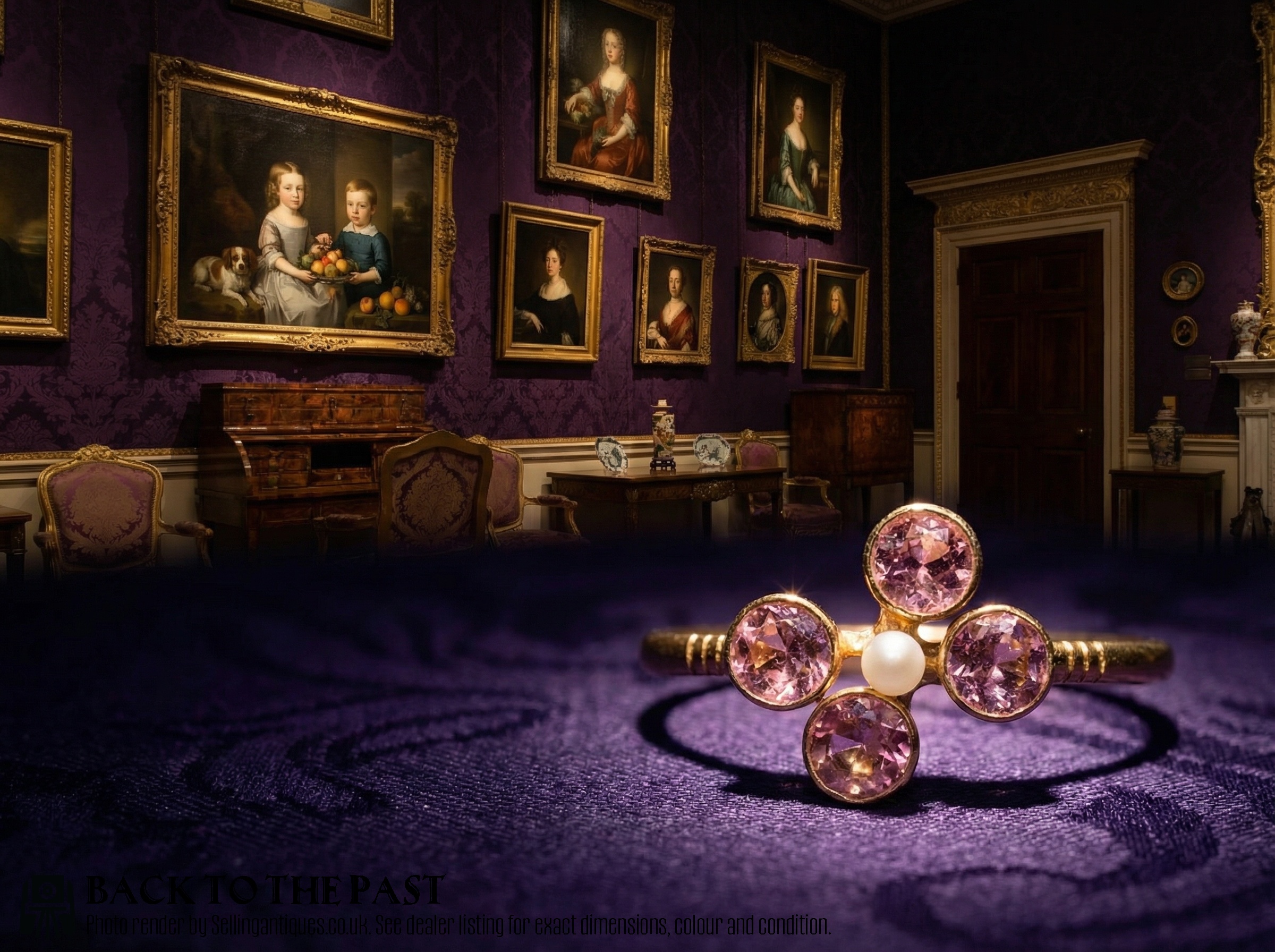
Victorian Gemstone Dress Ring
A victorian gemstone dress ring brings together nineteenth-century goldsmithing and colourful stones designed to be worn on the hand. The pieces available feature distinct configurations including double rows and cluster formations.
Most examples hail from the Victorian period, utilising metals such as 12ct gold, 15ct gold, and 18ct gold. Makers of the era favoured combinations of pearls, turquoise, diamonds, and pink tourmalines.
The range includes specific designs like the turquoise and diamond ring dated around eighteen eighty, alongside cluster rings and ruby settings. Each item reflects the decorative priorities of nineteenth-century jewellery production.
How they were made
Goldsmiths worked with varying purities of gold, notably 12ct, 15ct, and 18ct, to shape the bands and settings for these rings. Gemstones including natural unheated rubies, pink tourmalines, and diamonds were then integrated into the metalwork.
Techniques involved securing alternating stones such as turquoise and pearls within double rows or clustered arrangements. Metal settings were built by hand to accommodate the specific dimensions of each coloured stone and diamond.
Victorian Gemstone Dress Ring Retail Price Guide 2026
Typical asking prices for victorian gemstone dress ring among the pieces listed under this phrase on Sellingantiques today, from the lower quarter to the upper quarter. They describe what is for sale here now, not the wider market.
Some rings double up on your blues and whites by placing turquoise right next to pearls in neat little rows.
What varies in quality
The distinction between standard and superior examples rests upon the selection and pairing of the stones. Combinations involving natural unheated rubies or carefully matched pearls alongside diamonds demonstrate higher manufacturing ambition.
Gold purity also dictates the grade of the piece, with 18ct gold settings occupying the upper tier compared to 12ct or 15ct alternatives. The precision of the stone setting within double rows and clusters determines the overall finesse of the ring.
The Victorian Gemstone Dress Ring Glossary
- Cluster ring
- A ring design featuring a central stone encircled by a border of smaller gems. This configuration maximises visual impact and was widely favoured during the nineteenth century.
- Double row ring
- A band displaying two parallel lines of gemstones, such as alternating turquoise and pearls. This linear arrangement creates a structured appearance across the finger.
- Pink tourmaline
- A silicate mineral exhibiting a distinct pink hue, utilised as a primary gemstone in Victorian dress rings. It provides vibrant colour distinct from standard rubies and sapphires.
- Unheated ruby
- A corundum gemstone that has undergone no artificial thermal enhancement to improve its colour or clarity. Such stones retain their natural geological characteristics.
Victorian Gemstone Dress Ring: Frequently Asked Questions
What is a Victorian gemstone dress ring?
It is a finger ring produced during the Victorian era, set with decorative stones like turquoise, pearl, diamond, or pink tourmaline. These pieces were created primarily for social wear and adornment.
The materials reflect nineteenth-century preferences, incorporating yellow gold alloys such as 12ct, 15ct, and 18ct alongside coloured gems.
How are different gold purities identified?
Victorian jewellery frequently utilises gold measured in carats such as 12ct, 15ct, and 18ct. These figures denote the proportion of pure gold alloyed with other metals.
Higher carat numbers indicate a greater gold content in the ring band and setting.
What stones are common in these rings?
Turquoise and pearls frequently appear, often paired together in double rows or cluster formations. Diamonds and pink tourmalines are also utilised.
More uncommon examples incorporate natural unheated rubies set alongside diamonds within the gold framework.
How should these rings be worn?
They are designed as dress rings for general wear, though the presence of softer organic materials like pearls and turquoise requires care. Contact with harsh chemicals or hard surfaces should be avoided.
Gentle cleaning helps preserve the integrity of the gold settings and the lustre of the gemstones.