



Victorian Gaming Board
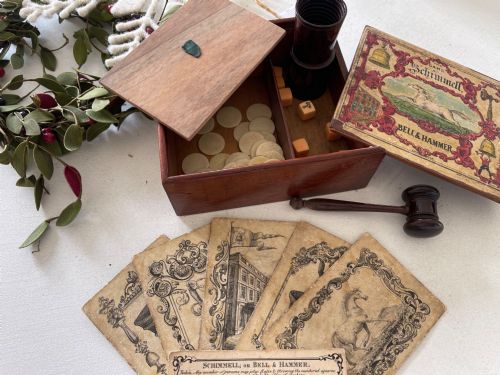
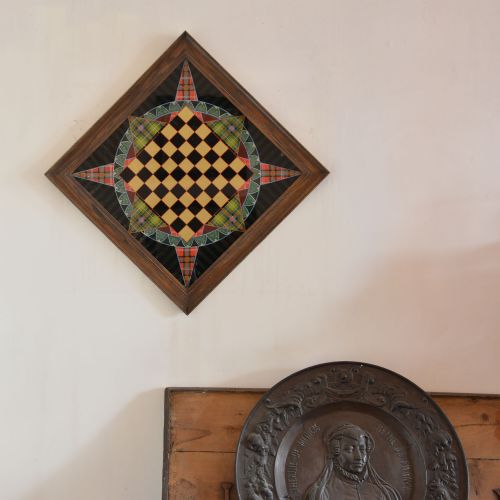
A victorian gaming board brings domestic parlour play into focus through inlaid wood, leather, and slate.
Victorian Gaming Board
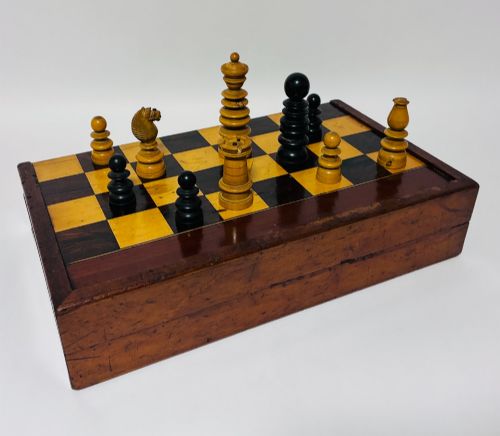
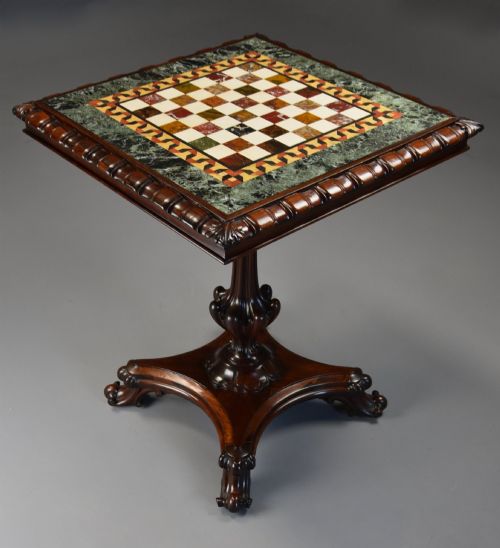
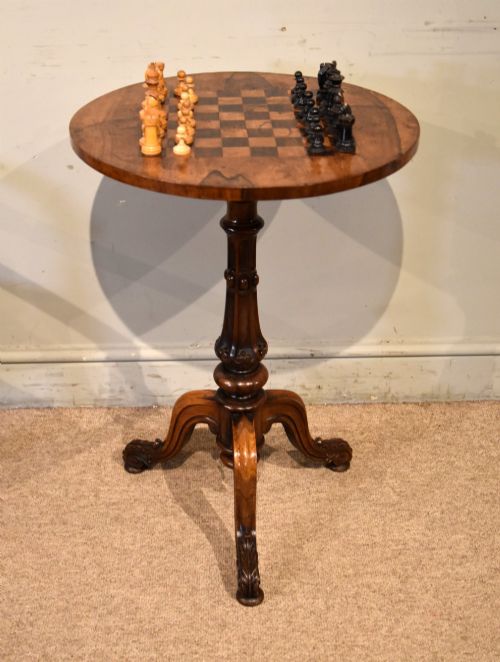
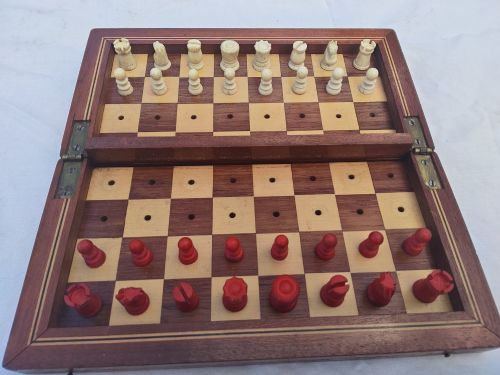
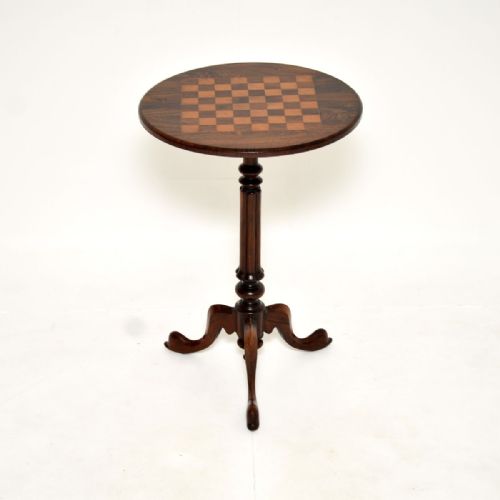
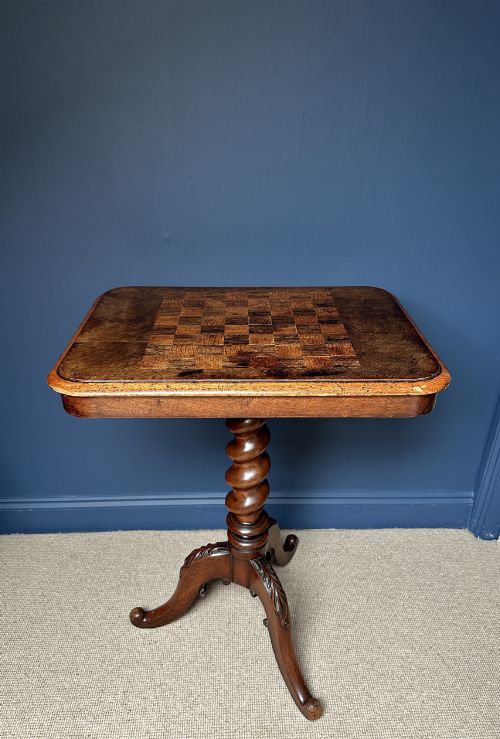
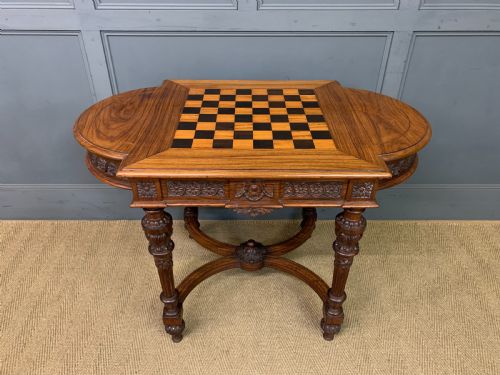
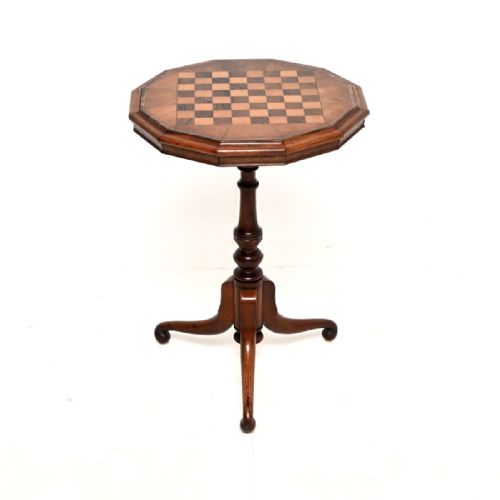
A victorian gaming board encompasses folding travel sets, solid occasional tables with inlaid chess tops, and dedicated wall scoreboards. The examples found here span the nineteenth century, drawing on traditional British pub games, folk art traditions, and refined cabinet making.
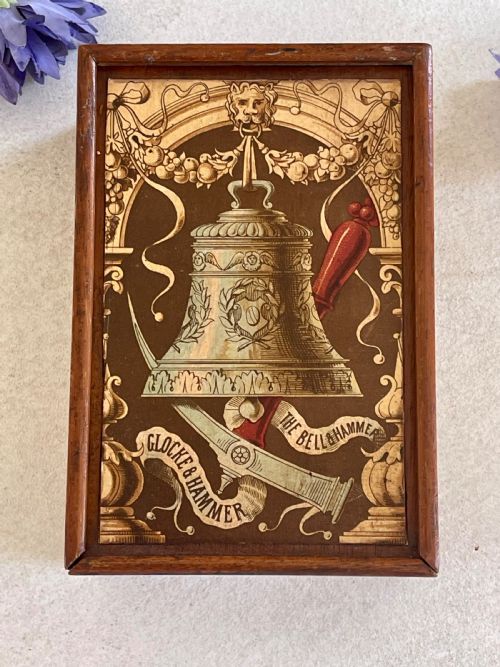
The buyer meets folding wooden boards, leather bound faux book cases, and stone or slate surfaces alongside multi-game compendiums. Rosewood, walnut, and mahogany dominate the structural forms, often paired with boxwood and bone playing pieces.
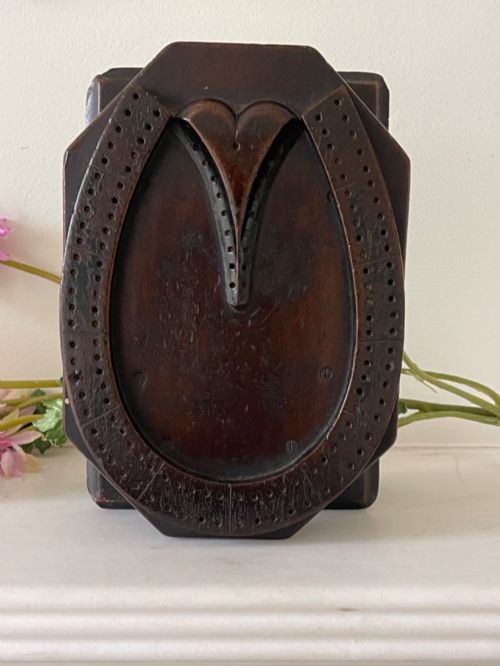
Tables featuring integrated chess boards double as occasional furniture, while scoreboards and cribbage boxes reflect the specific pastimes of the era. The selection ranges from portable travel items to substantial parlour tables designed for domestic entertainment.
Materials and construction methods
Cabinet makers utilised dense hardwoods including rosewood, walnut, and mahogany for structural stability and rich surface grain. Inlaid squares utilise contrasting timbers such as boxwood and sycamore, fitted precisely into the primary surface.
Specialist items incorporate leather tooling, reverse glass painting, and slate manipulation, particularly for traditional pub games and library chess boards. Brass hinges, clasps, and markers provide durable functional detailing on folding boxes and scoreboards.
Victorian Gaming Board Retail Price Guide 2026
Typical asking prices for victorian gaming board among the pieces listed under this phrase on Sellingantiques today, from the lower quarter to the upper quarter. They describe what is for sale here now, not the wider market.
Listings feature nineteen-century materials including mahogany, walnut, rosewood, brass, slate, and bone across various folding and table formats.
Assessing craftsmanship and condition
Quality rests in the precision of the timber inlay and the stability of the primary wood against seasonal movement. Superior pieces maintain crisp contrast between light and dark squares without lifting veneers or shrinking joints.
Original brass hardware, intact leather bindings, and complete components elevate an object's standing among collectors. Patina built through genuine use distinguishes well maintained period items from later restorations.
Orme & Sons Manchester·Thurston & Co of London·British Chess Company
The Victorian Gaming Board Glossary
- Compendium
- A fitted box containing equipment and boards for multiple different games within one container. These multi-use sets often feature removable trays and folding surfaces.
- Cribbage
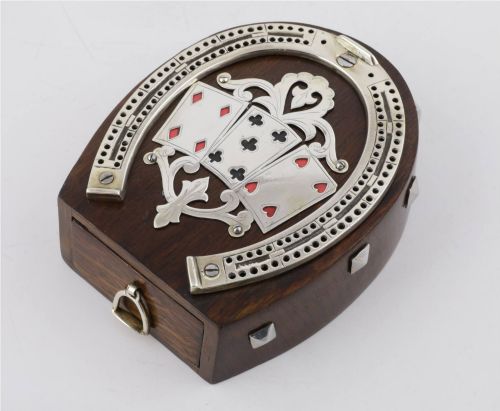
- A traditional card game tracked using a pegged scoring board made of wood, brass, or silver. The boards typically feature parallel tracks of holes for recording points.
- Shove Ha'penny
- A traditional pub game played by sliding coins across a marked board into designated scoring beds. Slate serves as the traditional playing surface for these boards.
- Bagatelle
- A precursor to modern billiards played on a smaller wooden table with cues and balls. Players aim to shoot balls into numbered wooden cups or holes.
- Tantalus
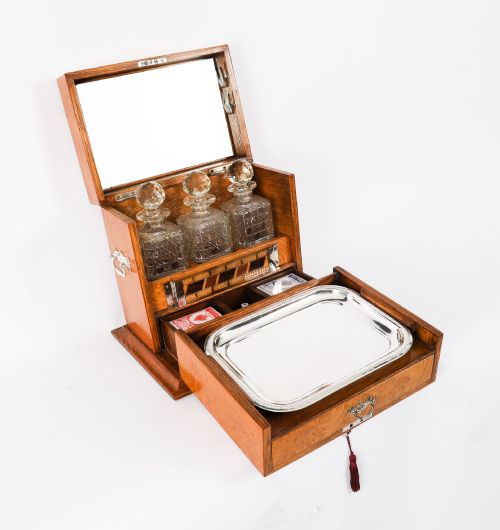
- A locking wooden frame holding glass decanters securely visible while preventing access without a key. These security frames frequently accompany parlour games cabinets.
Victorian Gaming Board: Frequently Asked Questions
How do I identify a period piece?
Examine the timber species, construction joints, and wear patterns consistent with nineteenth-century cabinet making techniques. Period items often display hand-cut dovetails and traditional polishes rather than modern adhesives.
Compare the hardware, such as brass hinges and locks, against known examples from the Victorian era. Original components provide reliable chronological markers.
Were these boards used for travel?
Many folding boards and compact box sets were designed specifically for carriage travel, rail journeys, and seaside holidays. These portable formats feature secure latches and captive pieces to prevent loss.
Larger tables and wall-mounted scoreboards remained stationary in libraries, drawing rooms, and gentleman's clubs.
How should I care for wooden game surfaces?
Keep wooden boards away from direct sunlight and steady heat sources to prevent the veneers from drying and cracking. Maintain a stable room temperature to protect delicate boxwood and mahogany inlays.
Apply microcrystalline wax sparingly to nourish the wood and protect the polished finish from moisture.
What games were played on these tables?
Chess, backgammon, cribbage, and draughts formed the core repertoire of nineteenth-century domestic parlour entertainment. Many tables incorporate reversible tops or slide-out panels to accommodate multiple pastimes.
Pub games like shove ha'penny and billiards occupied a separate sphere of recreational play.