

Victorian Furniture with Mirror
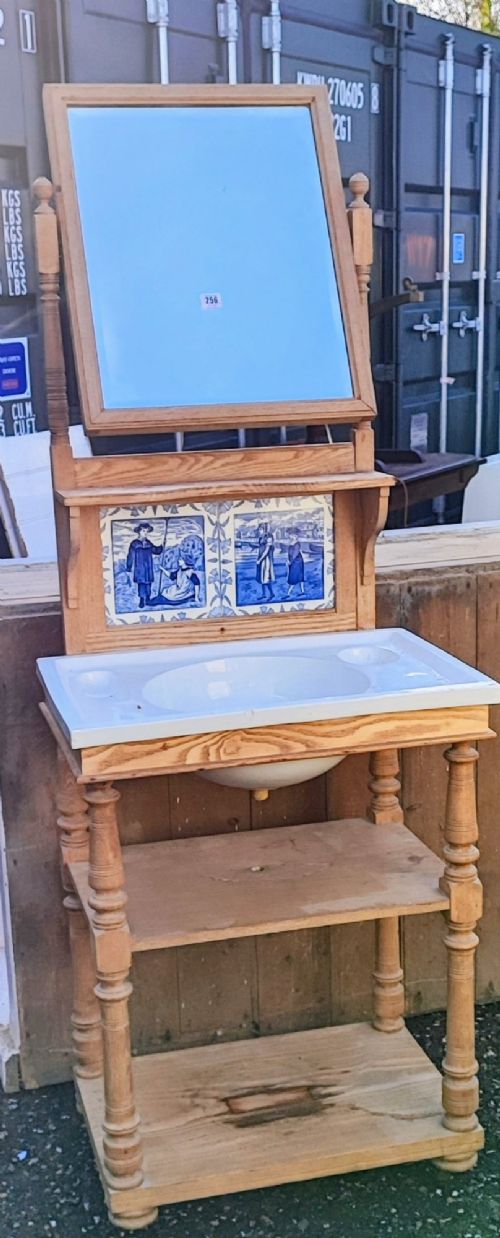
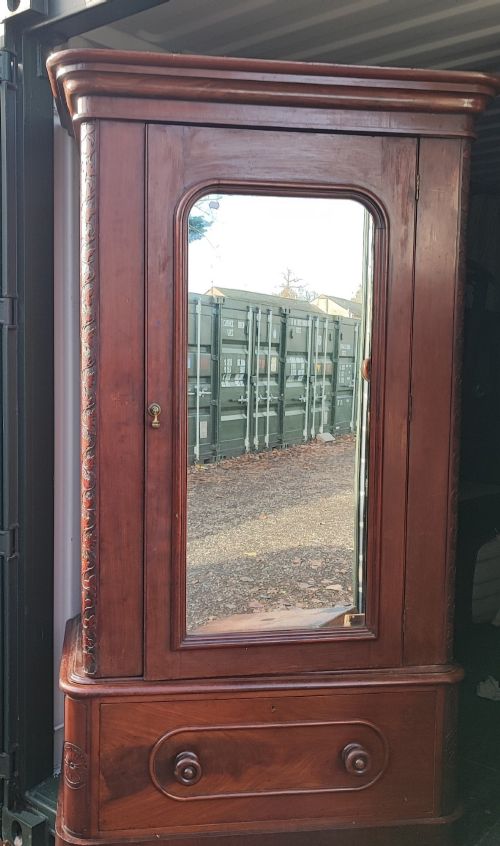
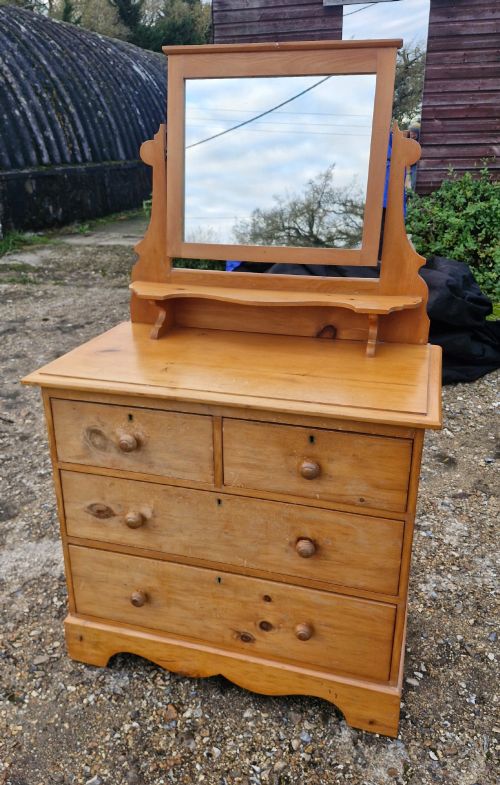
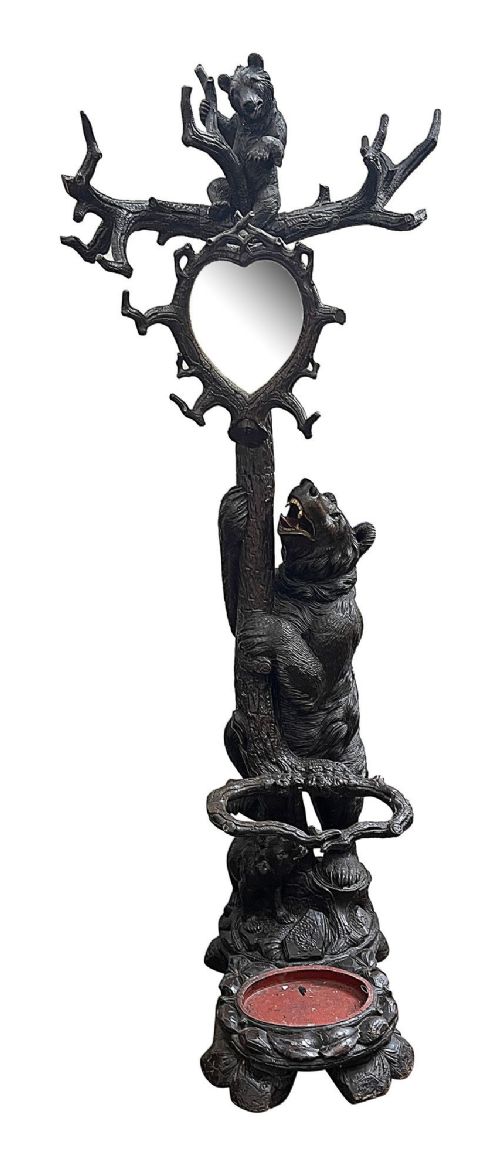
Victorian furniture with mirror combines functional domestic timber with glass, most often seen in hall stands and dressing tables.
Victorian Furniture with Mirror
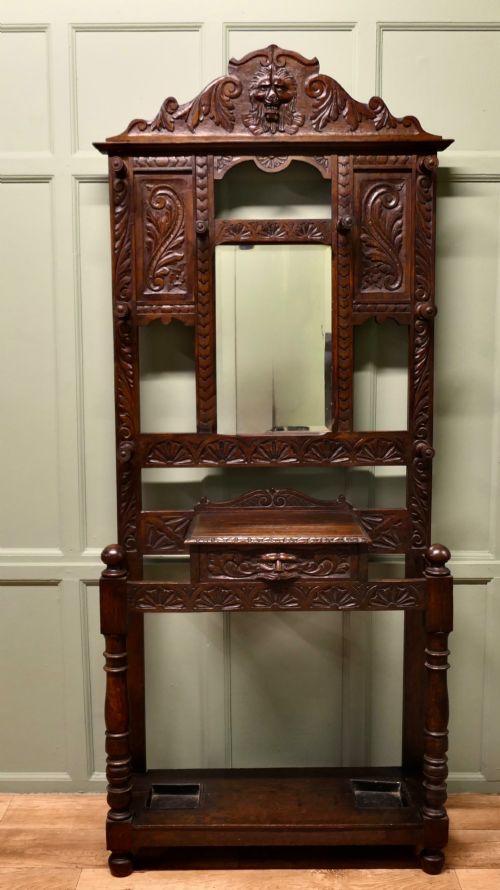
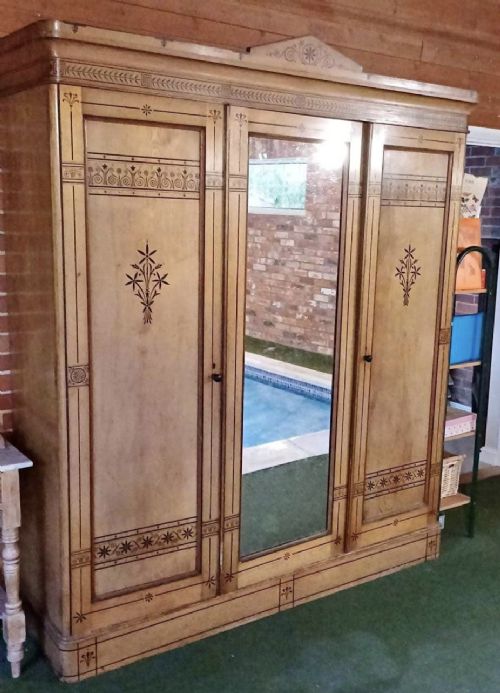
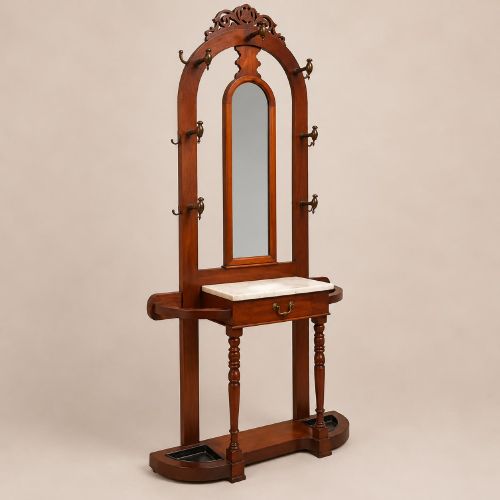
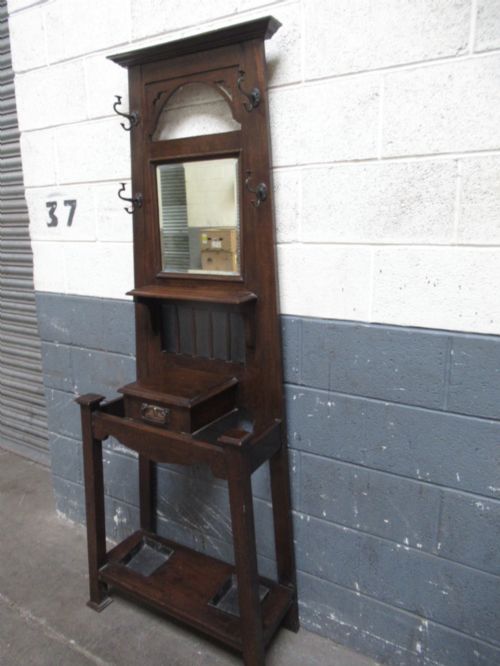
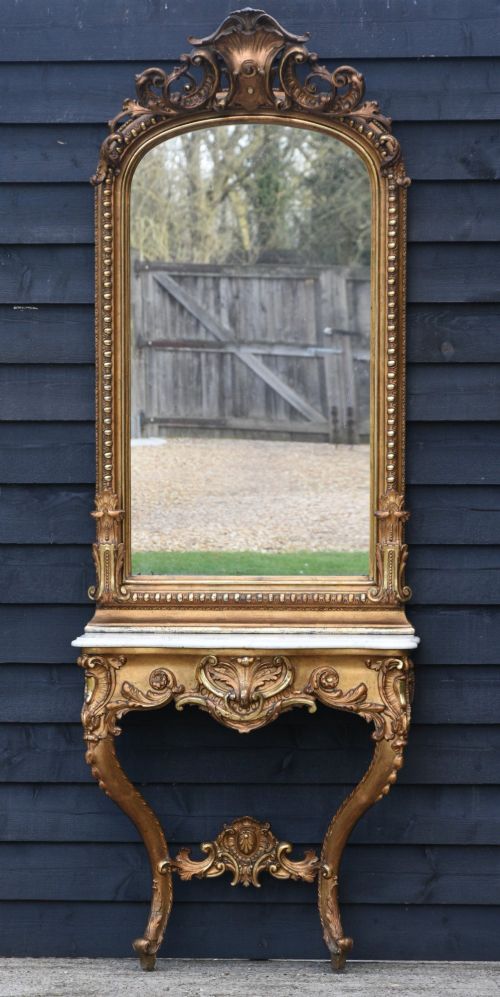
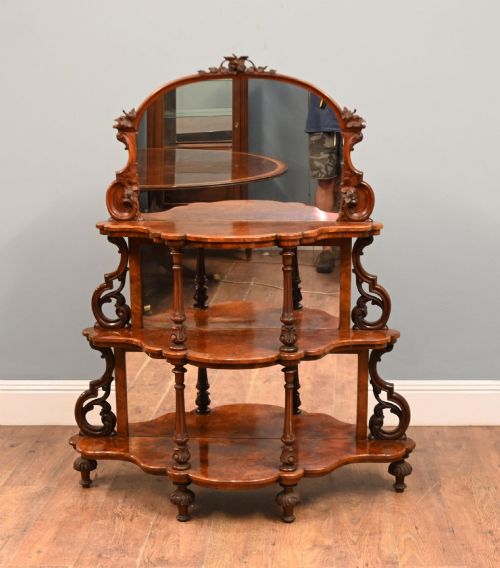
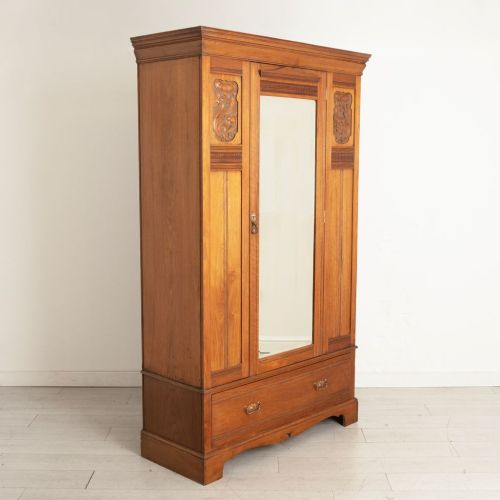
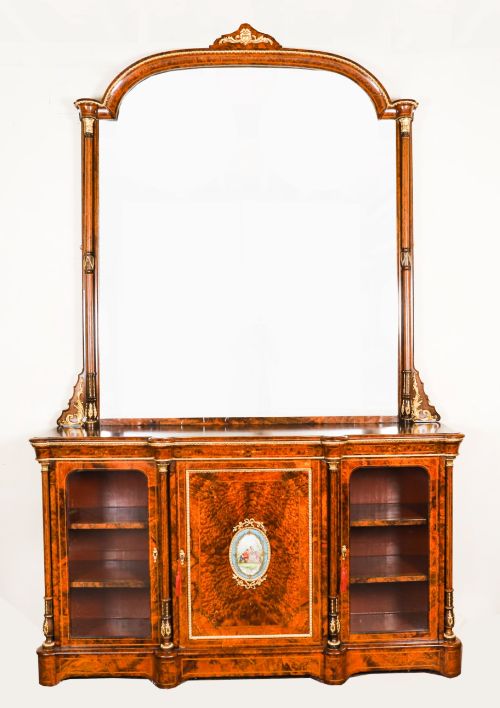
When searching for victorian furniture with mirror, buyers encounter practical hallway and bedroom pieces that integrate reflective glass directly into the timber frame. The selection relies heavily on hall stands, dressing tables, and shaving stands intended for daily use in nineteenth-century homes.
The material record spans traditional timbers like oak, mahogany, walnut, and pine alongside bamboo and cast iron. Pieces frequently incorporate brass hooks, marble shelves, and gilt or ormolu mounts to serve utilitarian purposes in entrance halls and bedchambers.
How they were made
Joiners constructed these items using solid hardwoods such as oak, mahogany, and walnut, often applying burr walnut veneers or elaborate carved details like Green Man motifs. Frames incorporate brass fittings, cast iron supports, and marble inserts to withstand heavy household wear in high-traffic corridors.
Mirrors were set securely into wooden backs or swing frames, accompanied by metal coat hooks, umbrella wells, and storage drawers. Secondary woods like pine appear in structural elements behind primary decorative surfaces.
Victorian Furniture with Mirror Retail Price Guide 2026
Typical asking prices for victorian furniture with mirror among the pieces listed under this phrase on Sellingantiques today, from the lower quarter to the upper quarter. They describe what is for sale here now, not the wider market.
Listings feature oak, mahogany, walnut, and pine across hall stands, dressing tables, and wall mirrors from the nineteenth century.
What varies in quality
Distinction across the range depends on the choice of primary timber, the depth of carving, and the integration of auxiliary materials like marble and brass. Finer examples display meticulous cabinetwork, such as burr walnut veneers, inlaid decoration, and substantial moulded mirror plates.
Simpler utility items utilise plain pine or cast iron with straightforward geometric forms, whereas sophisticated workshop pieces exhibit Arts and Crafts influences, Aesthetic Movement bamboo, or Gothic Revival proportions.
Gillows·Wright and Hunter of Belfast
The Victorian Furniture with Mirror Glossary
- Hall Stand
- A piece of hallway furniture combining a mirror, coat hooks, umbrella stands, and frequently a small shelf or compartment for cards and gloves.
- Duchess Dressing Table
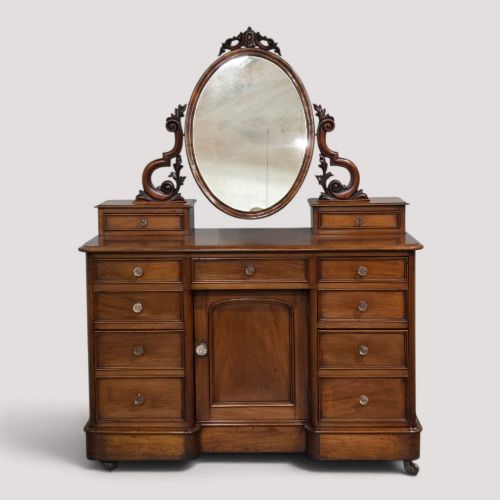
- A grand dressing table featuring a large central swing mirror supported by small accessory drawers and a spacious main surface.
- Shaving Stand
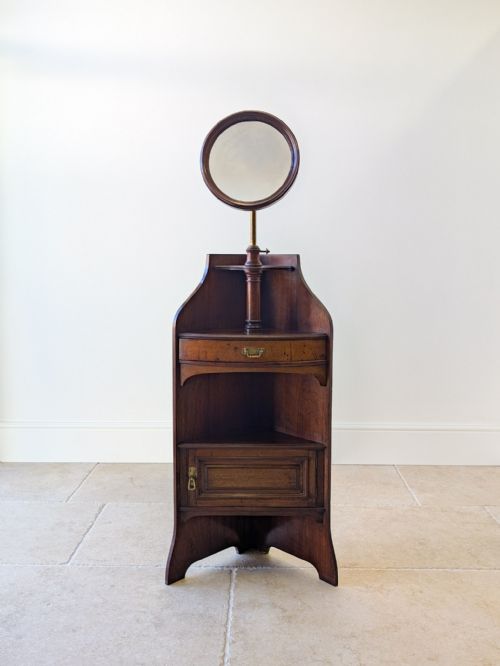
- A compact pedestal or table fitted with an adjustable mirror and storage designed specifically for morning grooming routines.
- Ormolu
- Gilded bronze mounts applied to furniture frames for decorative accent during the nineteenth century.
Victorian Furniture with Mirror: Frequently Asked Questions
Where were hall stands placed?
These items stood directly inside domestic entrance halls to greet visitors and receive outdoor garments.
Households used the integrated hooks and umbrella wells upon entering the home.
How do dressing tables differ?
Bedroom pieces range from simple kneehole pedestal designs to elaborate burr walnut duchess tables.
Each incorporates a mirror alongside surface space and drawers for personal items.
What materials are common?
Carpentry relies on oak, mahogany, walnut, and pine alongside bamboo and cast iron.
Fittings incorporate brass hardware, glass mirrors, and marble display shelves.
How do I identify periods?
Design elements reveal stylistic shifts through Gothic Revival carving, Aesthetic Movement bamboo, and Arts and Crafts inlay.
Dates span the mid-nineteenth century through the Edwardian era.