


Victorian Frosted Light Shade
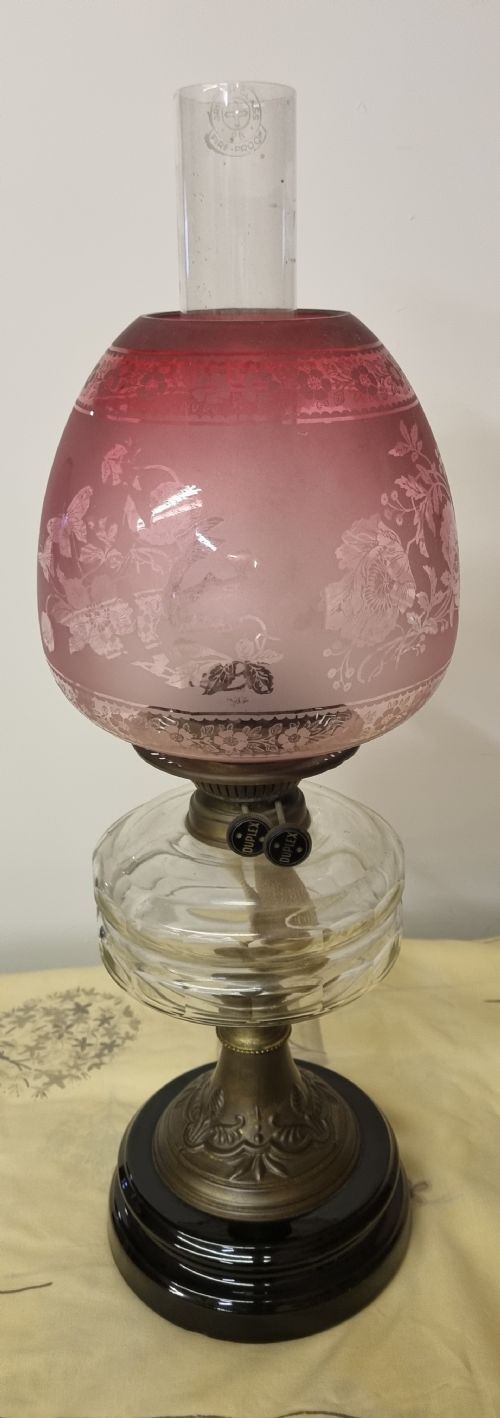
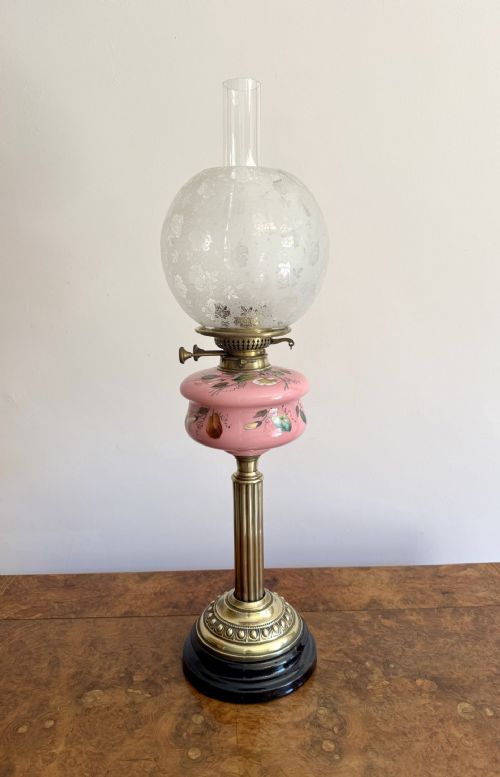
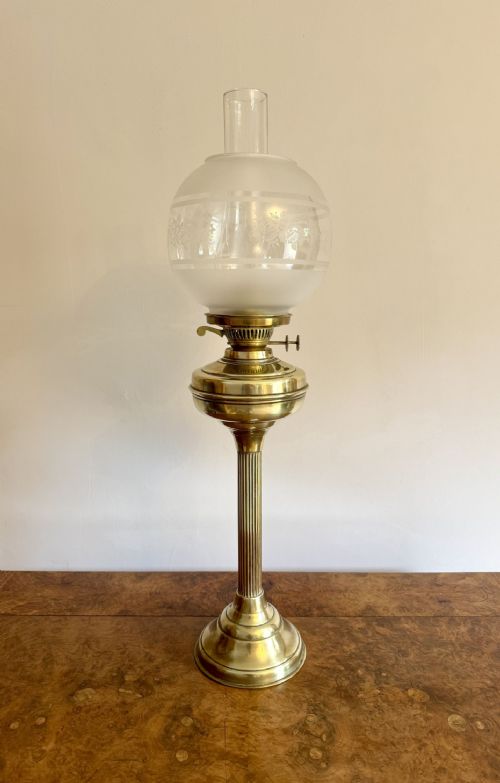
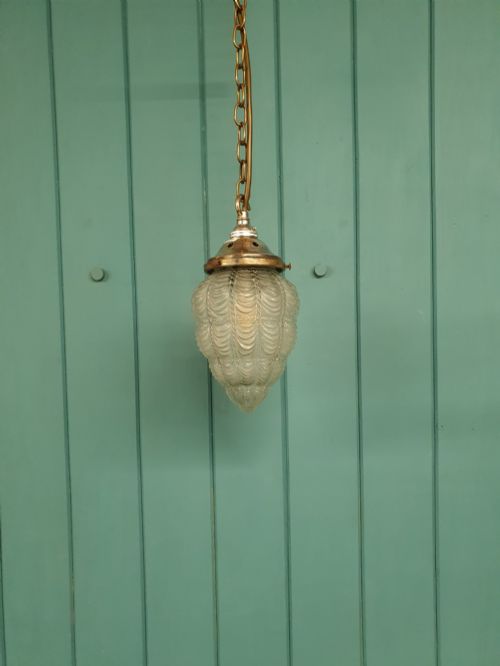
A victorian frosted light shade diffuses a soft, warm glow through textured glass, bringing authentic period character to lighting.
Victorian Frosted Light Shade
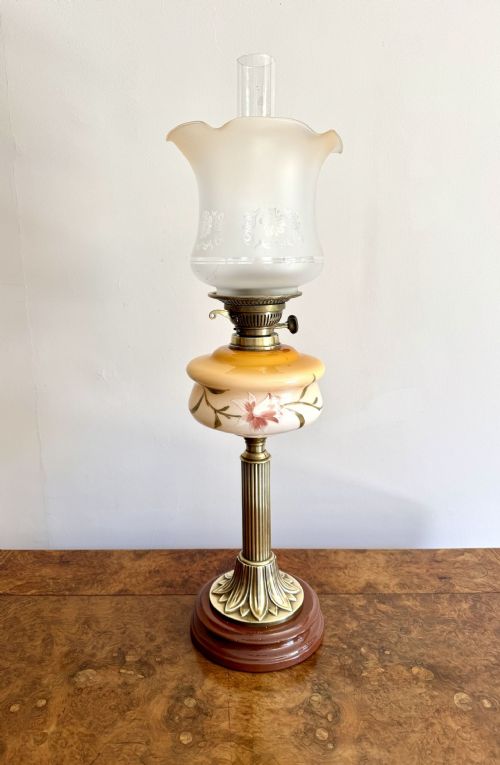
A victorian frosted light shade forms part of period lighting arrangements, typically accompanying oil lamps, table lamps, and pendant lights from the nineteenth century and subsequent decades.
The selections encountered here often manifest on brass oil lamps, glass pendant lights, and chandeliers originating from the Victorian era through to the early twentieth century.
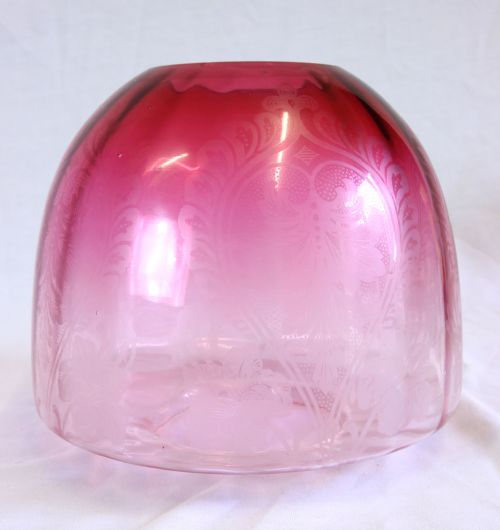
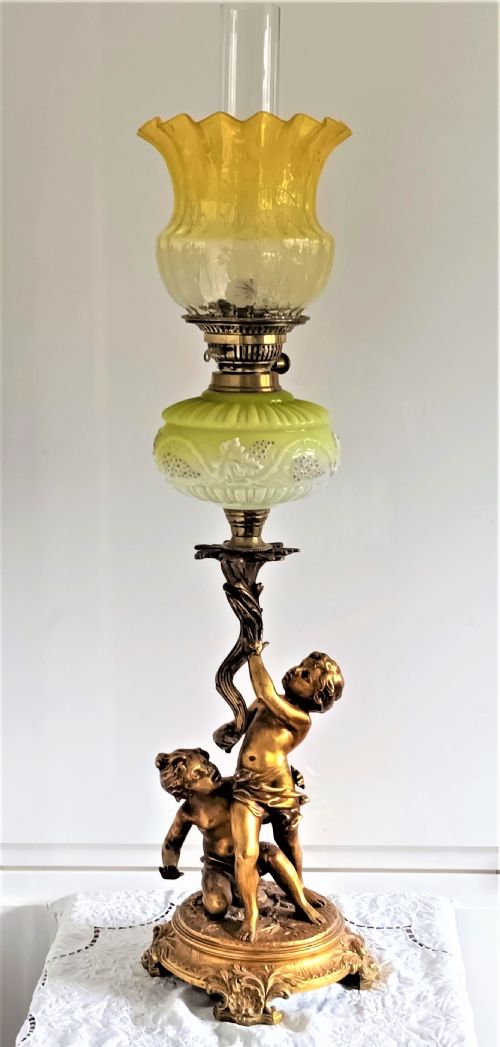
Buyers seeking these components encounter various forms, including tulip-shaped globes, frilly glass fringes, and chandelier bowls featuring frosted surfaces alongside etched and cranberry glass.
How they were made
Makers utilised moulded and blown glass techniques, applying frosting treatments to achieve the characteristic opaque surface that softened the glare of early oil and paraffin flames.
Metal components such as brass, bronze, silver plate, and spelter were cast and turned to support the glass elements, frequently paired with ceramic or porcelain details.
Surface ornamentation involved acid-etching, gilding, and staining the glass in colours such as cranberry, ruby, green, and pink before final assembly.
Listings feature brass, bronze, and silver-plated metalwork paired with frosted, etched, cranberry, and opalescent glass across the Victorian and Edwardian periods.
What varies in quality
The standard of glasswork dictates the hierarchy, with crisper surface etching, deeper casing of colours like cranberry or ruby, and heavier metal mountings marking out superior examples.
Complexity of form separates standard utilitarian fittings from ambitious decorative pieces, such as those incorporating figural bronze work, cherub motifs, or intricate brass castings.
Preservation of original matching components, including the specific pairing of shade and font, influences the integrity of the surviving object.
Messengers·Harrods·Sitzendorf·Young s Special
The Victorian Frosted Light Shade Glossary
- Frosted glass
- Glass treated with acid or sandblasting to create a textured, opaque surface that diffuses light. This finish was widely applied to nineteenth-century lamp globes to soften illumination.
- Cranberry glass
- Transparent red glass coloured with gold chloride during production. It appears frequently in Victorian tableware and lighting components.
- Duplex burner
- A double-wick mechanism developed in the nineteenth century for oil lamps. It produced a brighter flame, requiring robust glass shades to contain the heat.
- Spelter
- A zinc-based alloy often cast to imitate bronze in figural lamp bases and light fittings. It gained popularity during the late nineteenth and early twentieth centuries.
- Font
- The reservoir that holds the oil or paraffin on a lamp. Fonts on these listings appear in coloured glass, porcelain, and brass.
Victorian Frosted Light Shade: Frequently Asked Questions
How do I fit an antique shade?
Most period shades sit within a brass gallery ring secured by thumbscrews. Match the fitter rim diameter of the shade to the opening of the lamp collar.
Take care not to over-tighten the screws against the glass, as antique material responds poorly to excessive pressure.
Can these shades take modern bulbs?
Many surviving lamps have been converted to electricity while retaining their original glass components. Low-heat LED bulbs work well inside antique glass to prevent thermal stress.
Check that the internal wiring and lamp holders meet current safety standards before daily use.
How do I clean frosted glass?
Wash the glass gently in warm water using mild soap and a soft cloth. Avoid harsh scrubbing brushes that might damage the textured surface.
Dry thoroughly with a lint-free cloth to prevent water spots from forming on the frosted finish.
Were these originally for oil or gas?
The pieces listed span the transition from oil and paraffin lighting to early electric and gas installations. Many retain their original brass burners or columns designed for liquid fuel.
Conversion to electricity often occurred later while preserving the decorative shade and metal base.