





Victorian Food Cover
These victorian food cover pieces keep the dining table warm and protected, offering both practical service and period charm.
Victorian Food Cover
A victorian food cover encompasses meat covers, cloches, cheese domes, and vegetable tureens designed for the dining table. These items serve the functional purpose of keeping dishes warm while presenting food with considerable elegance.
The pieces on this page span the nineteenth century and the Edwardian era, incorporating styles such as Regency and French Restoration. You will encounter earthenware, white ironstone, and silver plated base metal.
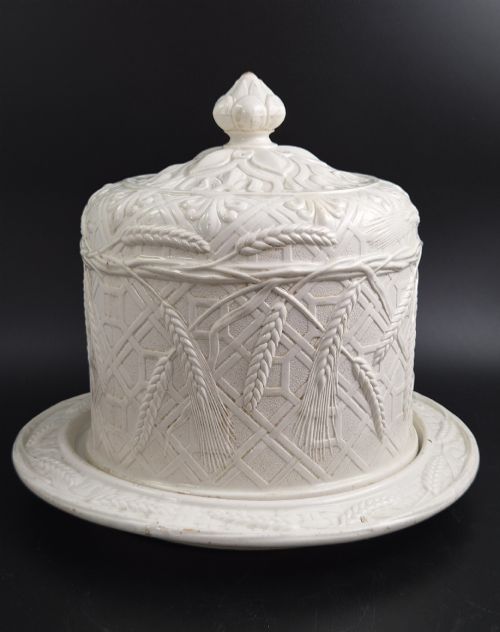
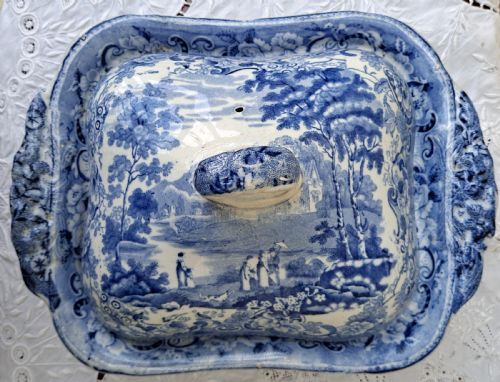
Meat domes and cheese stands form the core of what appears here, often featuring decorative elements like wheat and lattice patterns or transfer-printed rural scenery. Makers such as James Wallace and Co, Copeland, Mappin and Webb, Dan Holy, and Durand of Paris are represented.
Materials and construction
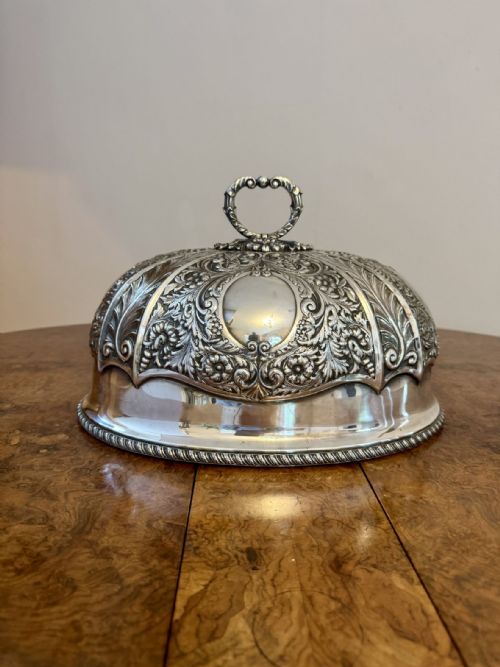
Metal items utilise silver plate, EPNS, and Old Sheffield Plate over base metal. These metallic covers require skilled forming to achieve the smooth, curved domes necessary for meat covers and warming dishes.
Ceramic pieces rely on earthenware, ironstone, and glazed ceramic to form heavy cheese domes and vegetable tureens. Potters shape these dense bodies before applying glazes and sometimes transfer-printed decoration.
Victorian Food Cover Retail Price Guide 2026
Typical asking prices for victorian food cover among the pieces listed under this phrase on Sellingantiques today, from the lower quarter to the upper quarter. They describe what is for sale here now, not the wider market.
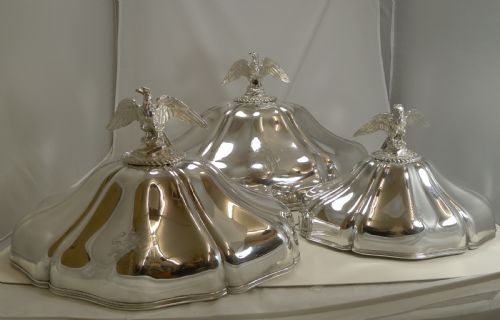
A few domes wear their past honestly, with eagles perched on top to survey the dining table.
Distinctions in quality
Quality rests upon the weight of the metal and the crispness of the plating on silver plated items. Superior examples maintain intact surfaces and clear manufacturer markings without excessive wear to the underlying base metal.
Ceramic quality depends on the clarity of the glaze and the precision of moulded details like wheat and lattice motifs. Well-preserved ironstone and earthenware exhibit even colouration and crisp transfer printing on pieces such as cheese domes.
James Wallace and Co·Mappin and Webb·Copeland·Dan Holy·Durand
The Victorian Food Cover Glossary
- Meat cover
- A large dome placed over a platter of meat to retain heat and keep insects away. These pieces were essential for formal nineteenth-century dining.
- Cheese dome
- A cover placed over a stand or plate to preserve cheese. They are frequently made from heavy white ironstone.
- Old Sheffield Plate
- An early method of fusing a thin sheet of silver to a thicker copper base. This technique produces items with a warm, distinctive metallic lustre.
- EPNS
- Electroplated nickel silver, a common nineteenth-century manufacturing method. An electrical current coats a base metal with a layer of silver.
- Tureen
- A deep bowl with a cover used for serving vegetables or soup. They appear in ceramic and metal variations across this period.
Victorian Food Cover: Frequently Asked Questions
What is a victorian food cover used for?
These items were placed over joints of meat, poultry, cheese, or vegetables to keep food warm and protected between the kitchen and the dining table. They formed part of formal table service in large households.
Today, they function as decorative display pieces or practical serving items for contemporary dining setups.
How do I clean silver plated meat domes?
Silver plated items require gentle cleaning with a soft cloth and a non-abrasive silver polish to preserve the plating. Avoid harsh scrubbing that might wear away the silver layer over the base metal.
Ceramic cheese domes and tureens tolerate warm soapy water and a soft sponge, ensuring the glazed surface remains undamaged.
How do I distinguish ironstone from earthenware?
Ironstone is a dense, heavy, and robust type of ceramic developed to resist chipping during daily use. It generally has a thick body and an opaque white or off-white glaze.
Earthenware is slightly more porous and lighter, often featuring detailed transfer-printed patterns like the rural scenery found on nineteenth-century tureens.
What is Old Sheffield Plate?
Old Sheffield Plate is an early composite material made by fusing silver to a copper core through heat and pressure. This technique predates modern electroplating.
Pieces made this way show subtle traces of copper where the silver layer has thinned through generations of gentle polishing.