

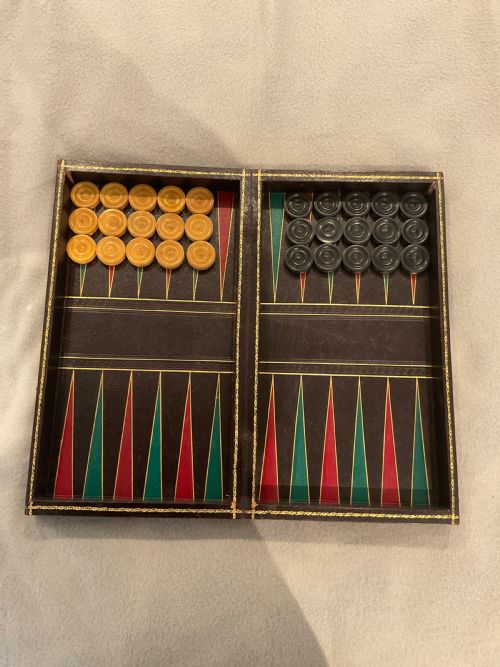


Victorian Folding Tool
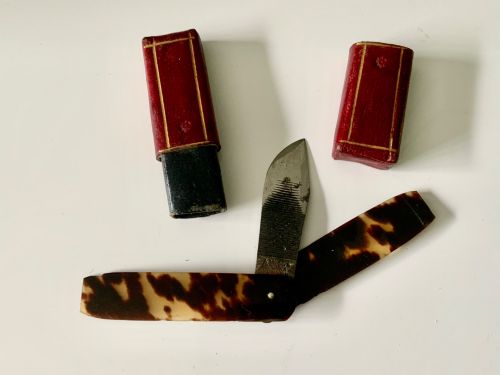
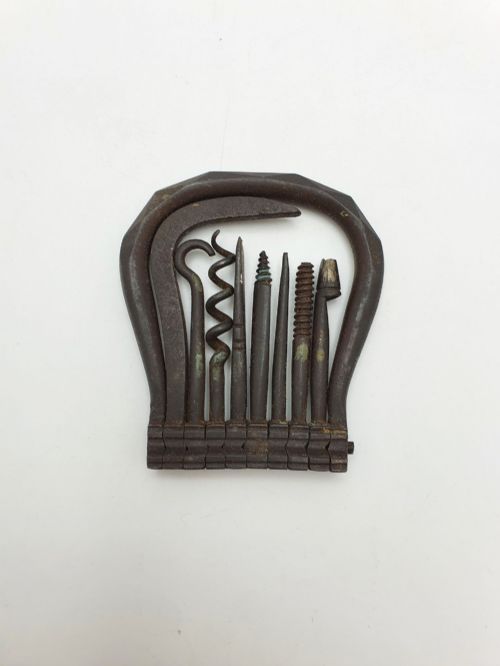
These victorian folding tool pieces are compact items designed to collapse or fold, offering both utility and portability for the nineteenth-century owner.
Victorian Folding Tool
When you search for a victorian folding tool, you encounter an array of objects ranging from pocket implements to medical instruments and measuring devices. These pieces reflect the nineteenth-century appetite for ingenious design and portable utility, engineered to fold away neatly when not in use.
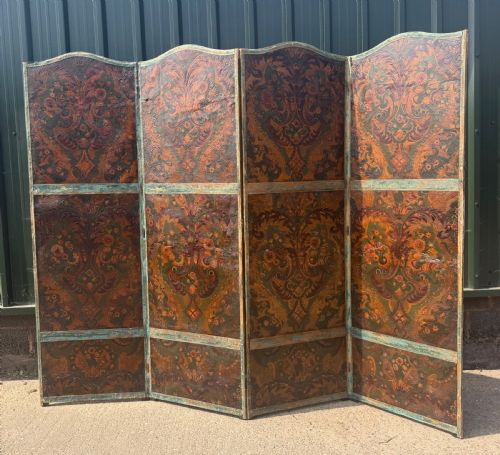
The items span medical antiques, scientific instruments, pocket tools, and smoking accessories, alongside larger folding items like screens and library steps. Most examples hail from the Victorian and Edwardian periods, featuring robust construction tailored to specific professional or domestic tasks.
How they were made
Makers utilised durable materials such as steel, brass, sterling silver, and boxwood to ensure these folding mechanisms endured frequent handling. Leather was frequently employed for outer cases or bindings, often combined with gold leaf decoration for a refined finish.
Wood and metal components were carefully hinged or articulated to allow smooth movement without compromising structural integrity. Craftsmanship focused on functional precision, ensuring that delicate folding parts aligned correctly and locked securely into place.
Victorian Folding Tool Retail Price Guide 2026
Typical asking prices for victorian folding tool among the pieces listed under this phrase on Sellingantiques today, from the lower quarter to the upper quarter. They describe what is for sale here now, not the wider market.
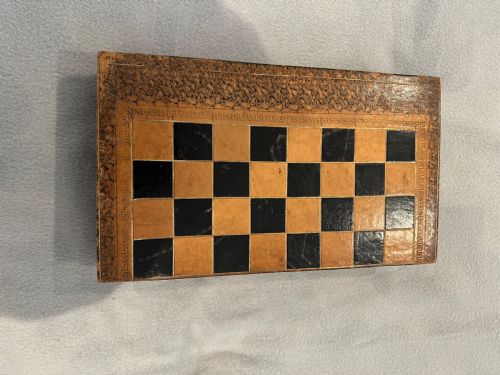
Some folding items disguised themselves cleverly as faux books, adding a touch of library stealth to household games boards.
What varies in quality
Quality in these pieces rests upon the precision of the folding mechanism and the tightness of the joints. Finer examples exhibit smooth operation without looseness, showing careful engineering that has survived decades of opening and closing.
The choice of materials and the quality of surface finishing also set pieces apart. Superior items feature crisp hallmarks on silver, finely turned boxwood, or neatly stitched leather, whereas simpler versions rely on plain iron and basic construction.
The Victorian Folding Tool Glossary
- Boxwood
- A dense, pale wood prized for measuring tools and scientific instruments due to its stability and fine grain. It takes crisp markings exceptionally well.
- Sterling Silver
- A silver alloy containing ninety-two point five percent pure silver, commonly used for folding pocket accessories and vanity sets. It bears hallmarks indicating assay office and date.
- Lancet
- A small surgical instrument with a sharp double-edged blade, historically used for vaccinations or bloodletting. Folding versions fitted securely into protective pocket cases.
- Clinometer
- An instrument used for measuring angles of slope or inclination, often combined with folding compasses or rulers. These were essential for field surveyors and navigators.
Victorian Folding Tool: Frequently Asked Questions
What is a victorian folding tool?
A victorian folding tool is a portable instrument or accessory designed with hinges or collapsing sections for ease of carriage. These items served various practical purposes in everyday nineteenth-century life.
They range from small pocket instruments to measuring devices and smoking accessories, all built to save space while remaining fully functional.
How were these folding tools used?
Owners carried or stored these compact items for professional, domestic, or travel use. Their folding design protected delicate parts during transit.
Medical practitioners, surveyors, and gentlemen relied on these versatile implements for tasks ranging from clinical procedures to taking measurements in the field.
What materials are commonly found?
Makers utilised a combination of metals and woods suited to the function of the specific piece. Steel and brass provided robust frames and hinges.
Boxwood appeared frequently in measuring devices, while sterling silver and leather added refined finishes to pocket accessories and games boards.
How do I care for antique folding mechanisms?
Keep the metal hinges and moving parts clean and dry to prevent corrosion. Avoid forcing any stiff joints, as antique mechanisms require gentle handling.
Store pieces in stable environmental conditions away from dampness to protect wooden components and leather bindings from degradation.