




Victorian Folding Stand
A victorian folding stand offers portable utility, bringing timber frames and collapsible engineering together for flexible living.
Victorian Folding Stand
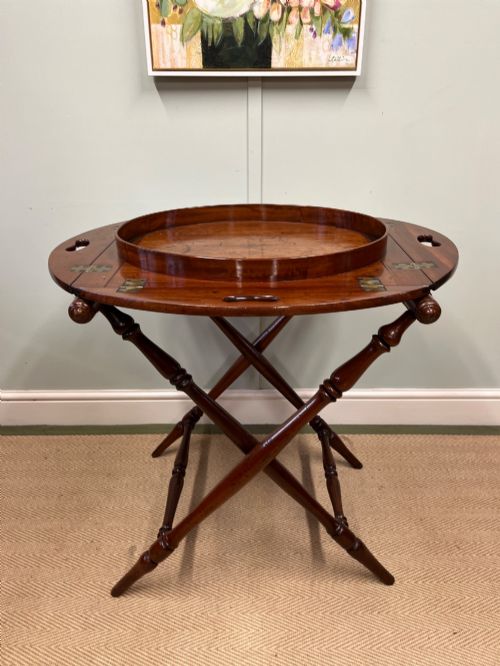
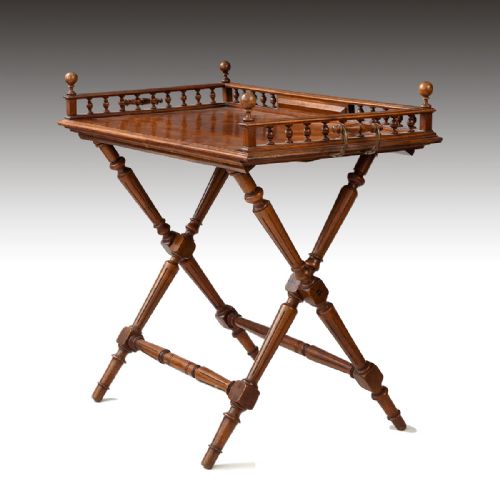
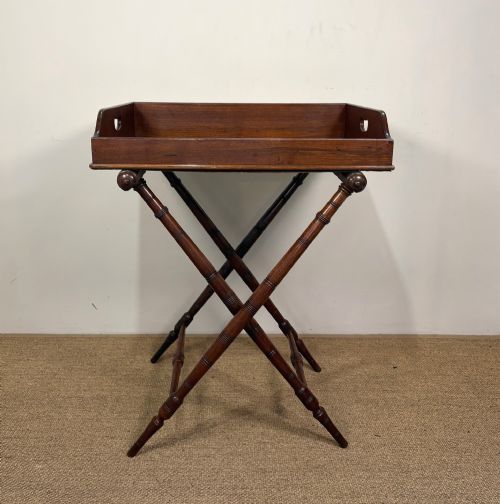
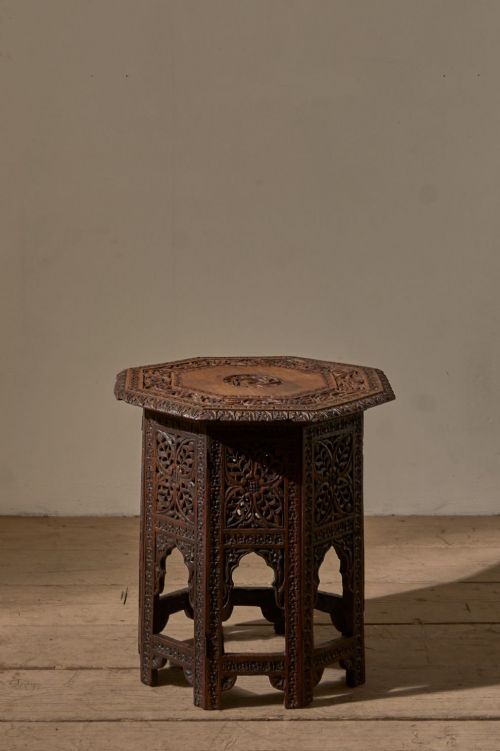
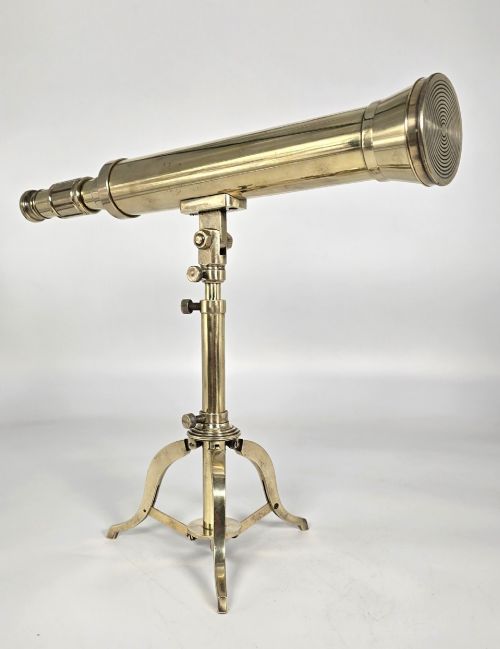
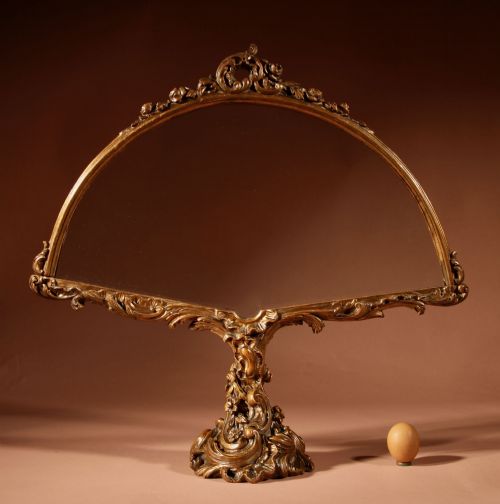
When searching for a victorian folding stand, buyers encounter pieces designed for portability and compact storage in nineteenth-century interiors. These objects include butlers trays on stands, cake stands, and various display platforms spanning the Victorian period.
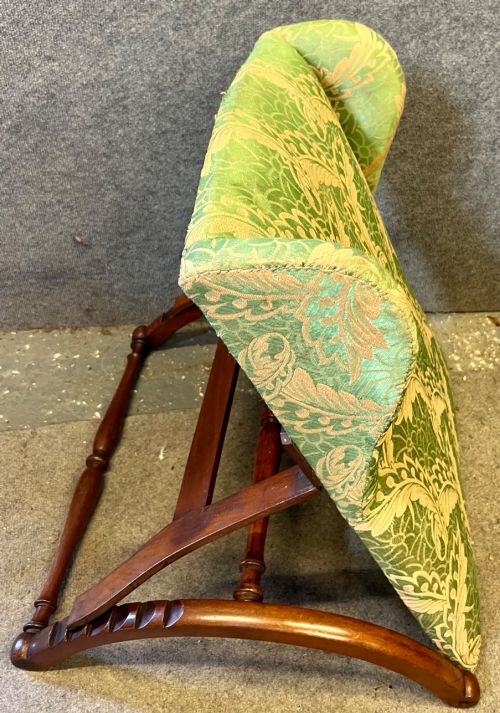
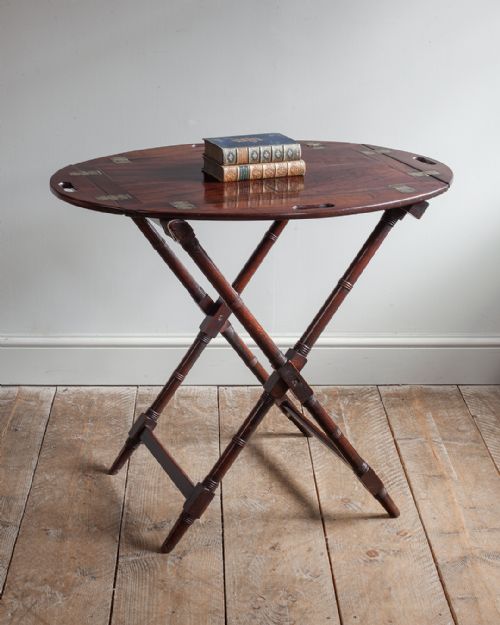
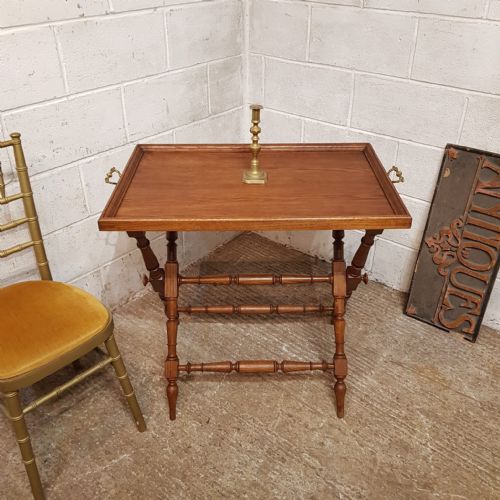
The most common forms on this page are mahogany, oak, and walnut butlers trays paired with folding trestles, alongside tiered cake stands and reading supports. They reflect an era of practical furniture designed to be moved, collapsed, and stowed away as household needs shifted.
Materials and construction
Cabinetmakers utilised hardwoods such as mahogany, walnut, oak, and teak to build durable frames that could withstand repeated folding. Brass hinges, pins, and mounts provided the necessary mechanical joints for movement without compromising stability.
Joinery combined traditional frame construction with functional folding mechanisms, sometimes incorporating carved details, brass inlays, or mother of pearl. Surfaces were finished to highlight the natural grain of the timber while protecting against daily use.
Victorian Folding Stand Retail Price Guide 2026
Typical asking prices for victorian folding stand among the pieces listed under this phrase on Sellingantiques today, from the lower quarter to the upper quarter. They describe what is for sale here now, not the wider market.
What separates the best from the rest
Quality rests in the precision of the folding mechanism and the selection of timber used for the top and base. Superior examples retain original matching stands and hardware, moving smoothly without play in the joints.
The degree of hand carving, the choice of figured veneers, and the integrity of the original polish distinguish standard utility pieces from finer items made for formal reception rooms.
Benetfink & Co·Betjemanns
The Victorian Folding Stand Glossary
- Butlers tray
- A shallow wooden tray with hinged or cutout sides, traditionally lifted off its support for serving. It rests upon a folding X-frame stand when in use.
- Campaign furniture
- Portable pieces designed for travel, featuring collapsible frames, flush fittings, and robust timbers to withstand frequent transit.
- X-frame
- A scissor-action base design that crosses two legs to support a tabletop or tray, allowing the entire structure to fold flat.
- Figured wood
- Timber displaying an attractive natural grain pattern, such as flame mahogany or burr walnut, chosen for decorative surfaces.
Victorian Folding Stand: Frequently Asked Questions
What is a victorian folding stand used for?
These pieces served practical functions in nineteenth-century homes, functioning as portable serving trays, reading rests, or display tiers. Their collapsible design allowed servants or residents to clear floor space quickly.
Today, they adapt easily to modern rooms as side tables, plant stands, or occasional furniture that packs away when not in use.
How do I identify a original folding mechanism?
Original folding stands rely on period brass hinges, pivoting pins, and wooden X-frames designed to lock securely in the open position. Look for hand-cut screws and consistent wear around the pivot points.
Later replacements often feature modern machine-made screws or mismatched brass components that disrupt the historical integrity of the piece.
Are these stands sturdy enough for daily use?
Most pieces were built from dense hardwoods like mahogany, oak, or walnut, engineered to bear weight while remaining portable. Tight joints and solid timber frames ensure they handle everyday placement of lamps or books.
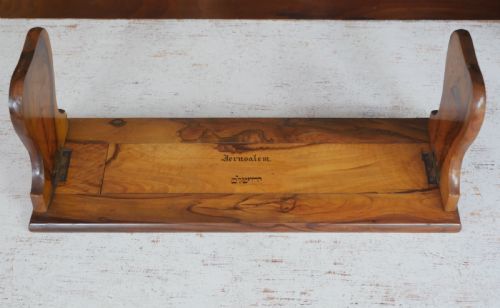
Care should be taken not to overload fragile hinges or weakened cross-frames, particularly on tiered cake stands and antique book slides.
Which woods are most common?
Mahogany and walnut dominate the surviving examples, prized by cabinetmakers for their strength and rich grain patterns. Oak also appears frequently, particularly in Gothic Revival and campaign pieces.
More exotic timbers like teak, padauk, and olive wood emerge in Anglo-Indian and colonial imports listed across the inventory.