





Victorian Folding Room Divider
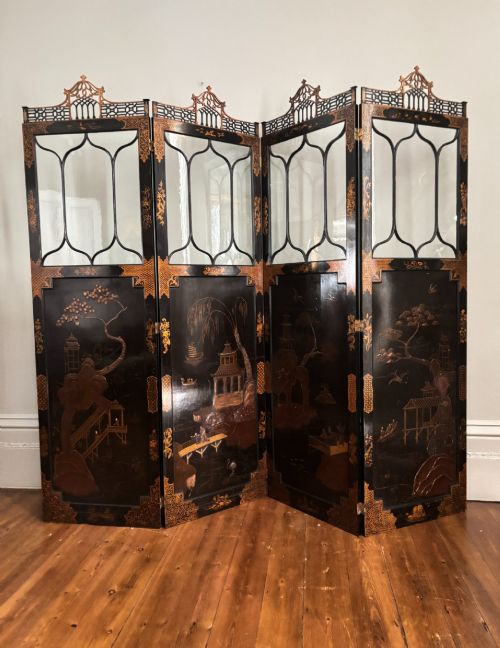
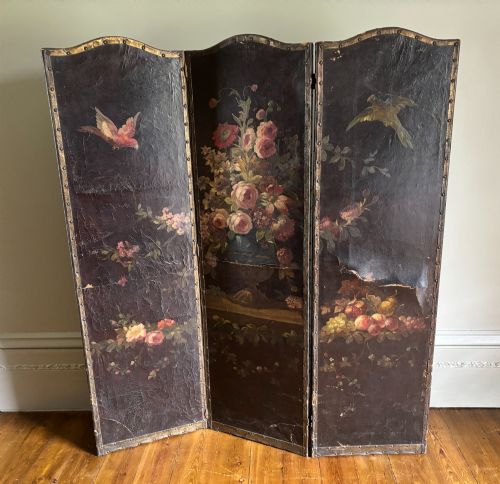
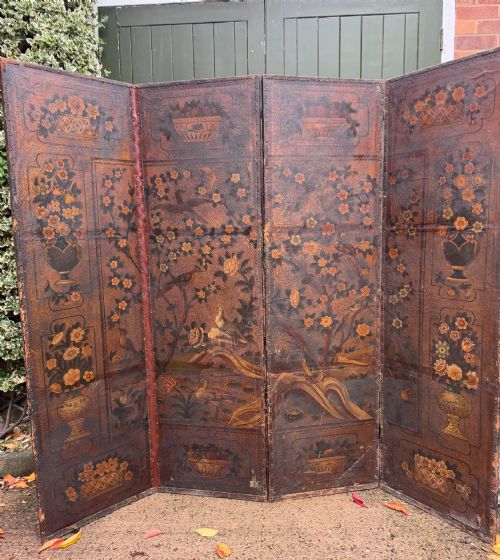
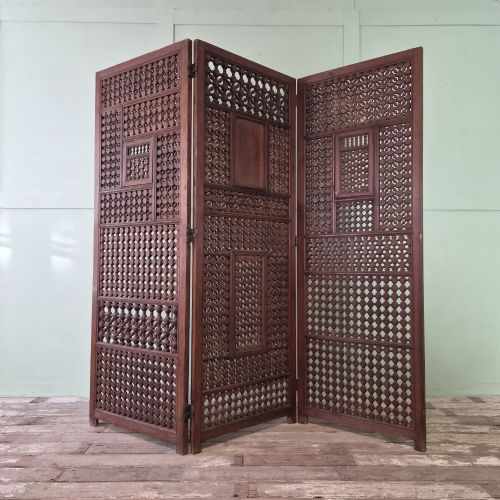
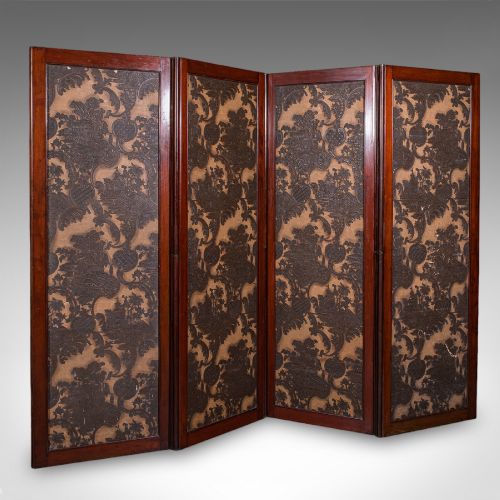
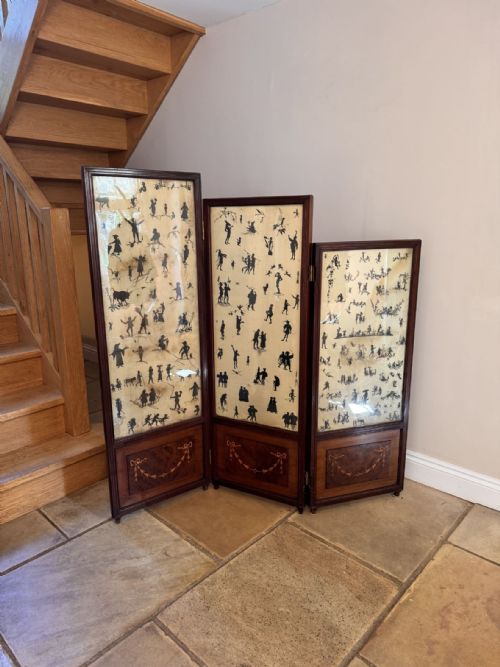
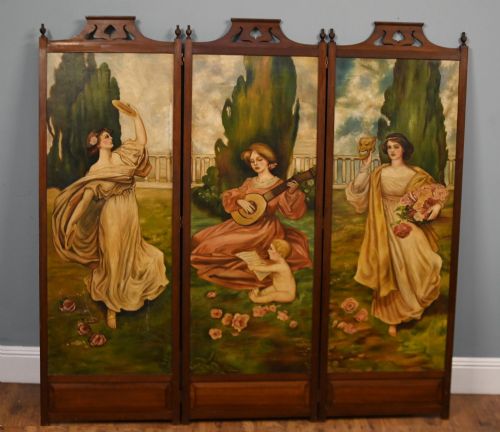
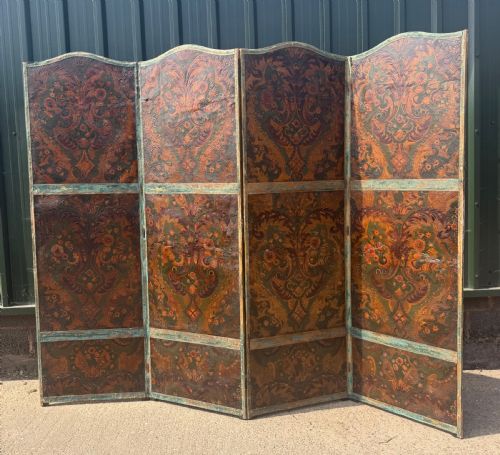
These Victorian folding room dividers offer versatile privacy screens crafted from wood, brass and canvas.
Victorian Folding Room Divider
A victorian folding room divider functions as a moveable screen designed to segment larger interiors or create private zones within a room. These pieces appear in multi-fold panel configurations ranging from three to five folds, utilising hinged wooden frames.
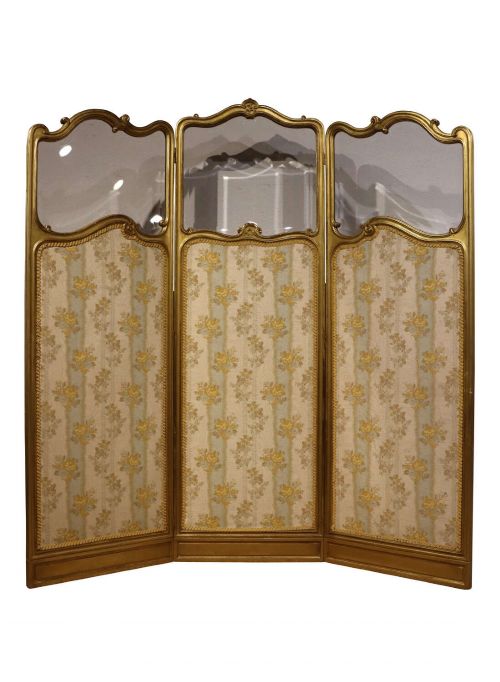
The materials and decorations vary widely across the selection, incorporating mahogany, walnut, brass, glass, and painted canvas. Examples span styles from Victorian and Regency to Chinoiserie and French Chateau influences.
Materials and construction
Makers constructed the structural frames primarily from timber including mahogany, walnut, and general wood, joining panels with hinges to permit folding movement. Giltwood and brass elements also reinforce or decorate the framework.
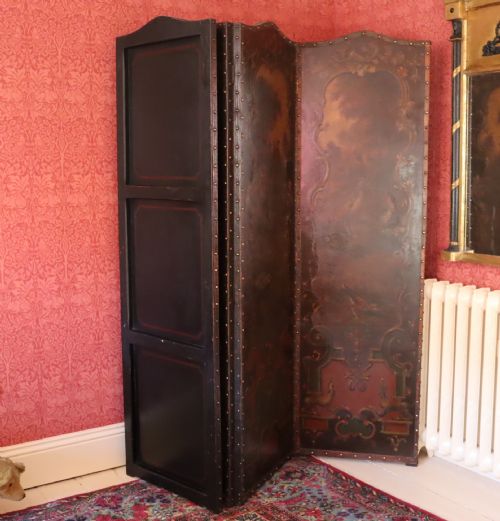
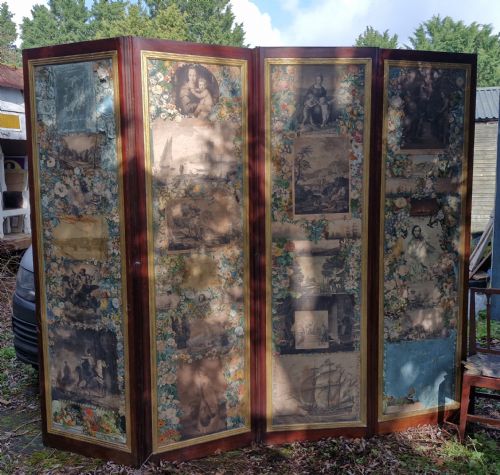
Infill panels utilise materials such as canvas, paper, silk, glass, and leather which receive hand-painted decoration, polychrome finishes, or needlepoint work. Varnish and oil paint seal surfaces, while bevelled glass inserts appear in specific framed sections.
Victorian Folding Room Divider Retail Price Guide 2026
Typical asking prices for victorian folding room divider among the pieces listed under this phrase on Sellingantiques today, from the lower quarter to the upper quarter. They describe what is for sale here now, not the wider market.
Some nineteenth-century screens doubled as photographic props, setting the scene for Victorian portraits before folding away.
Assessing quality and craftsmanship
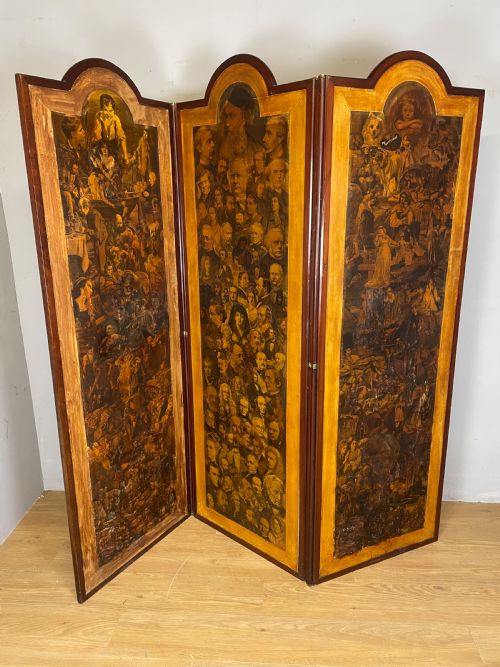
Quality separates through the execution of surface decoration, whether detailed hand-painted leather, intricate needlepoint, or careful scrap work assembly. Substantial frames built from dense hardwoods like mahogany support durability across larger multi-fold panels.
The refinement of hardware, the precision of joinery, and the inclusion of specialised materials like bevelled glass or giltwood distinguish finer examples. Scale and proportion also influence the presence of the piece within a room.
The Victorian Folding Room Divider Glossary
- Scrap work
- A decorative technique utilising cut paper scraps applied to a surface in collages, popular on Victorian folding screens.
- Coromandel
- A dense dark timber often associated with exotic cabinet work and folding screens.
- Chinoiserie
- A decorative style reflecting European interpretations of Chinese and East Asian artistic traditions, seen on lacquered screens.
- Needlepoint
- Stitched textile work executed on canvas mesh, frequently mounted within the panels of privacy screens.
- Giltwood
- Wood carved and coated with gold leaf or a gold-coloured finish, common on French-influenced frames.
Victorian Folding Room Divider: Frequently Asked Questions
How do I use a room divider?
A room divider stands on its own hinged panels to partition space, block draughts, or create private dressing areas within a larger bedroom or parlour.
Position the panels at slight angles to ensure stability when placing the divider on a flat floor surface.
Are these screens fully reversible?
Certain multi-fold models feature fully reversible designs that allow panels to bend in both directions for flexible placement.
Check the hinge construction on individual listings to confirm whether the panels swing completely back on themselves.
How do I care for painted leather panels?
Painted leather and canvas surfaces require gentle dusting with a soft dry cloth and protection from direct sunlight to prevent fading. Avoid liquid cleaners on hand-painted or varnished sections to preserve the historical finish.
Maintain stable indoor humidity levels to protect the underlying wood and prevent leather or paper from drying out.
What is a nursery screen?
A nursery screen is a smaller or graduated folding screen historically placed near firesides to shield children from excessive heat.
These pieces share the hinged folding construction of larger room dividers but serve more localized protective purposes.