

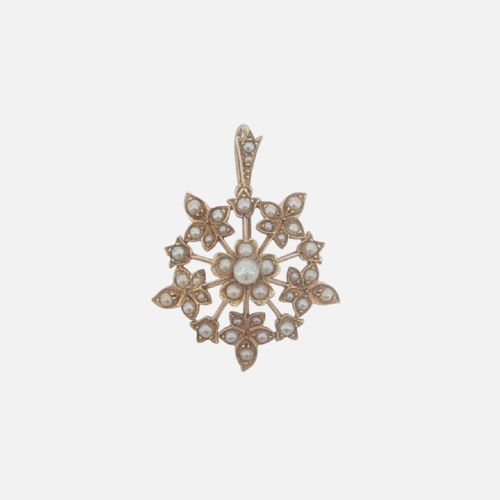


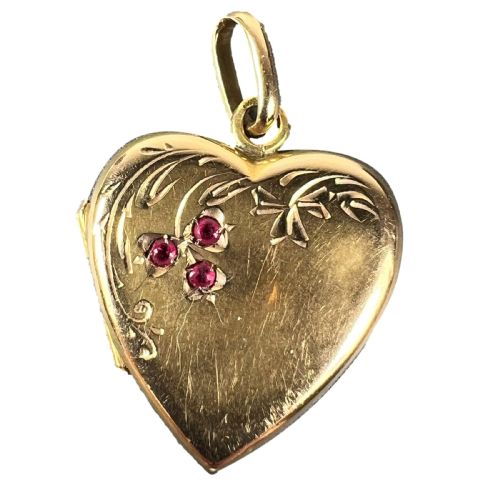


Victorian Flower Pendant
A victorian flower pendant brings together nineteenth-century sentiment and botanical motifs, offering wearable garden forms in precious metals.
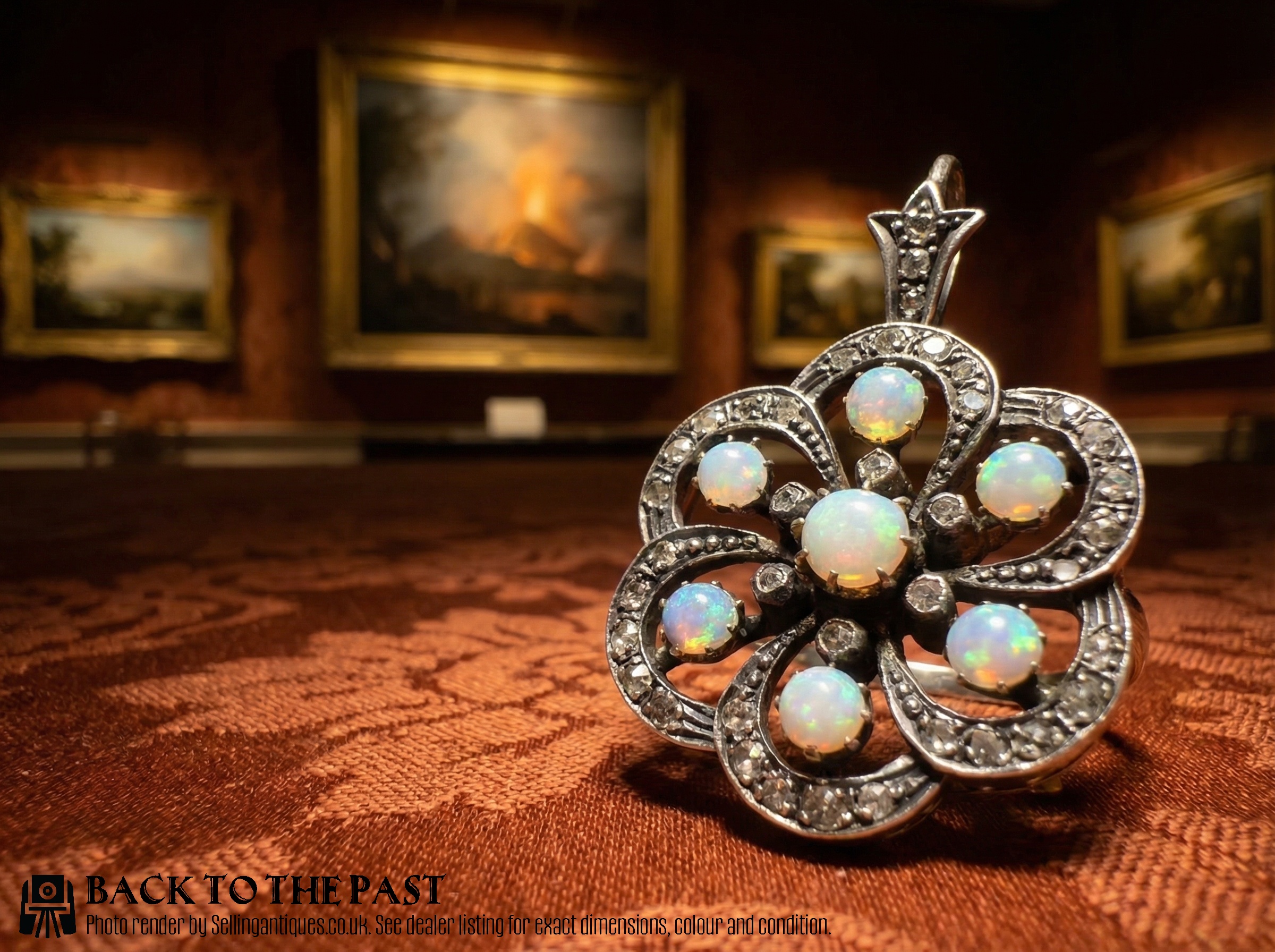
Victorian Flower Pendant
When you search for a victorian flower pendant, you encounter jewels fashioned into floral clusters, baskets, and naturalistic blooms from the nineteenth century and the early twentieth century. These pieces appear frequently as dual-purpose brooches and pendants, or as hinged lockets containing compartments for keepsakes.
The materials span yellow gold, silver-topped gold, and high-carat fifteen-carat gold, often accented by seed pearls, diamonds, rubies, and opals. You will find items originating from British and French workshops, showing styles from the mid Victorian era through to the Belle Epoque.
How they were made
The construction of these jewels relies upon hand-setting gemstones into gold and silver mountings, where silver is frequently utilised on the face to enhance the brilliance of old-cut diamonds. Goldsmiths employed chased and engraved details to render petals, leaves, and bird motifs with fine definition.
Seed pearls are secured meticulously by tiny pins or fine wire work, while enamel provides colouration on heart-shaped and floral lockets. Metal components are forged from various purities, including nine-carat, fifteen-carat, and eighteen-carat gold, reflecting the standards of the period.
Victorian Flower Pendant Retail Price Guide 2026
Typical asking prices for victorian flower pendant among the pieces listed under this phrase on Sellingantiques today, from the lower quarter to the upper quarter. They describe what is for sale here now, not the wider market.
Several lockets cleverly combine floral baskets with tiny engraved swallow birds, whispering secret nineteenth-century messages about safe returns.
What varies in quality
The distinction between tiers rests upon the choice of gemstones and the precision of the botanical carving or repoussé work. Finer examples display well-matched, lively old-cut diamonds and natural opals with strong play of colour, set into balanced, harmonious flowerhead configurations rather than stiff geometric layouts.
Original condition and structural integrity also divide the range, as pieces retaining their secure pin stems, original hinged bails, and intact enamel command greater interest. The sophistication of the reverse side and the weight of the gold further indicate the original maker's investment of time and material.
The Victorian Flower Pendant Glossary
- Old-cut diamond
- A hand-faceted diamond shape from the nineteenth century featuring a small table, high crown, and open culet. These stones display broader flashes of light than modern brilliant cuts.
- Seed pearl
- A very small, naturally formed or early cultured pearl used in clusters to mimic floral stamens or delicate petals. They require gentle care due to their diminutive size.
- Silver-topped gold
- A fabrication technique where a thin layer of silver is soldered to a gold backing. This method allowed jewellers to set diamonds against a white metal while retaining the strength of gold underneath.
- Repoussé
- A metalworking method where the design is hammered into relief from the reverse side. It creates the rounded, tactile contours seen on flower baskets and puffed lockets.
Victorian Flower Pendant: Frequently Asked Questions
Can I wear my pendant every day?
These historical pieces require gentle treatment because of their delicate seed pearls, old-cut stones, and delicate settings.
Removing the jewel during physical tasks or vigorous activity prevents accidental knocks and preserves the original mountings.
How do I attach a chain?
Most pieces feature an integrated suspension loop or bail designed for slender chains. Some examples include convertible brooch fittings that double as pendant loops.
Ensure the opening fits your preferred chain width without straining the antique metal ring.
Are the stones natural?
The diamonds, rubies, opals, and seed pearls found in these nineteenth-century jewels are period-appropriate natural or organic materials.
Microscopic examination often reveals the hand-cut facets and natural inclusions typical of stones mined and cut before modern synthetic production.
How do I date my pendant?
Dating relies upon stylistic markers, gold carat marks, and construction techniques characteristic of specific decades. Items often span the Victorian era, the 1890s, and early French Belle Epoque periods.
Comparing the metal colour, gemstone cuts, and motif styles helps narrow down the decade of creation.