





Victorian Flower Flute
These Victorian flower flute pieces are decorative glass and silver vessels designed to display single stems or blooms with elegance.
Victorian Flower Flute
A victorian flower flute encompasses slender trumpet vases, epergnes, and lily vessels designed for floral display. The items appearing here span from the nineteenth century into the twentieth century, bringing distinct decorative forms to a room.
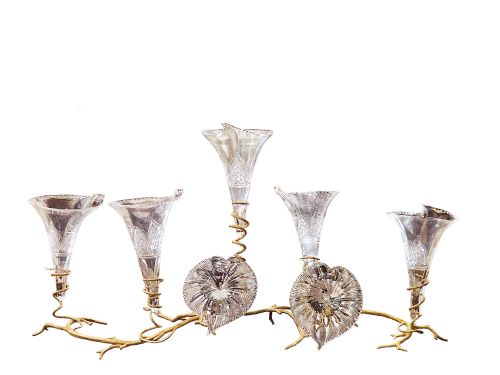
Most examples you encounter on this page take the form of cranberry glass trumpet vases or silver-plated trumpet holders. These pieces range from single stems to multi-branch epergnes incorporating clear glass and crystal.
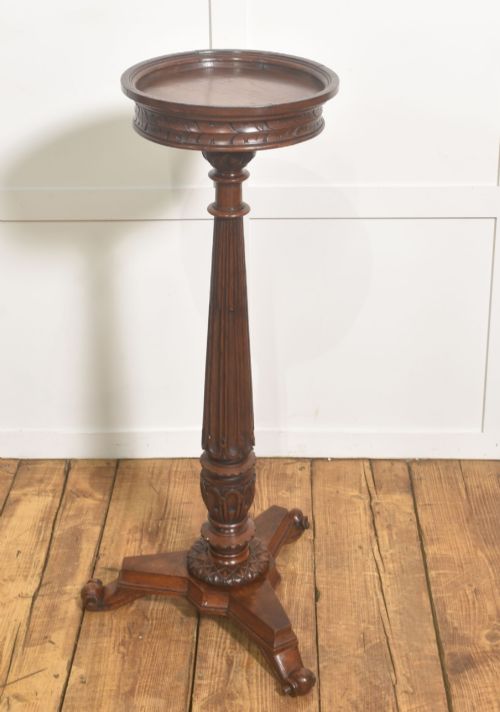
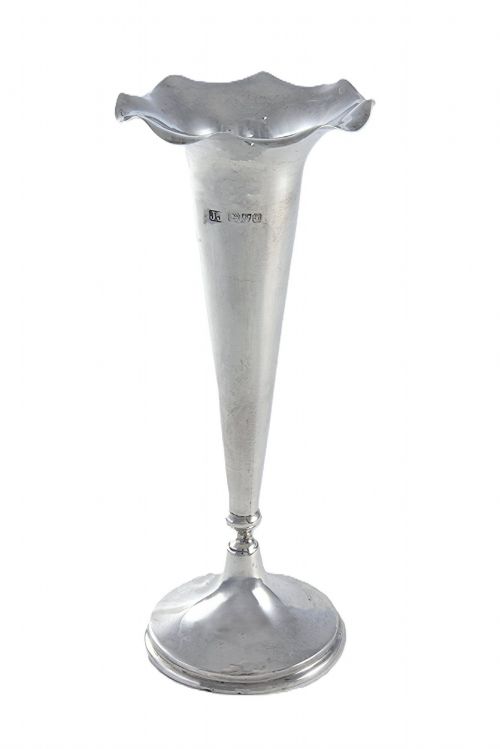
Makers and origins stretch across British and continental workshops, including London glassworks alongside French gilt bronze centrepieces. Alongside glass, you find carved oak plant stands, copper jardinieres, and silver posy vases bearing hallmarks.
How they were made
Cranberry glass and crystal components involve free-blowing or mold-blowing techniques, often enhanced with applied white cane decoration and pink trails. These glass bodies demand precise temperature control during shaping to achieve the characteristic translucent depth.
Metal elements combine sterling silver and silver plate with base metals and copper, shaped through spinning, stamping, or casting. Silver posy vases and trumpet frames frequently carry Chester hallmarks or detailed repoussé work from the period.
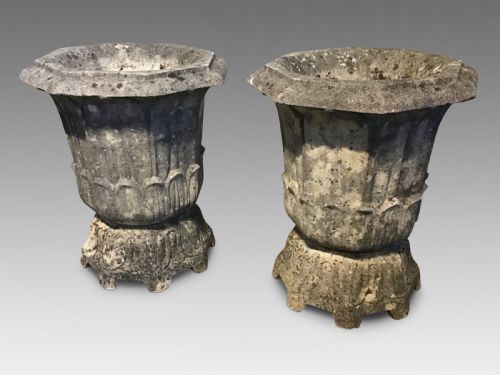
Wooden items like plant stands utilise carved oak construction, while French centrepieces integrate cast gilt bronze mounts with cut crystal vessels. Garden planters and jardinieres rely on sturdy earthenware pottery or heavy base metals.
Victorian Flower Flute Retail Price Guide 2026
Typical asking prices for victorian flower flute among the pieces listed under this phrase on Sellingantiques today, from the lower quarter to the upper quarter. They describe what is for sale here now, not the wider market.
Some delicate Victorian glass trumpets were apparently designed so narrowly that only a solitary daisy dared enter.
What varies in quality
The standard of a victorian flower flute rests upon the clarity of the glass and the crispness of any metal chasing or silver hallmarks. Richness of colour in cranberry glass and the delicacy of applied trails distinguish finer examples.
Structural integrity in multi-branch epergnes and fitted trumpet vases dictates long-term durability. Solid silver mounts and well-preserved silver plating demonstrate superior original manufacture compared to simpler base metal alternatives.
The Victorian Flower Flute Glossary
- Epergne
- A large table centrepiece featuring a central bowl with multiple detachable trumpet vases branching outwards. These pieces served grand dining tables for fruit and floral arrangements.
- Trumpet vase
- A vessel shaped like an acoustic horn, widening gradually from a narrow base to a flared rim. This silhouette supports long-stemmed flowers securely.
- Cranberry glass
- A rich red-gold glass variety produced by adding gold chloride to the molten batch. It defines many nineteenth-century decorative tablewares.
- Hallmark
- An official stamp applied to precious metals indicating purity, maker, and assay office. British items often display city marks such as Chester.
- Posy vase
- A small receptacle intended for a compact bunch of flowers rather than large arrangements. They sit easily on dressing tables or smaller surfaces.
Victorian Flower Flute: Frequently Asked Questions
What is a flower flute?
A flower flute is a slender, trumpet-shaped vase designed to hold single stems or small bunches of blooms upright.
They appear as standalone vessels or as part of larger multi-branch epergnes on nineteenth-century tables.
How do I clean cranberry glass?
Cranberry glass requires gentle hand washing in warm soapy water using a soft cloth to protect the surface. Avoid abrasive scourers and extreme temperature changes that can crack the historic material.
Dry the vessel thoroughly with a lint-free cloth to maintain its bright translucent colour.
Where were these pieces made?
The listings show items originating from British workshops, including London glass production sites, alongside continental centres like France. Hallmarks on silver components often point to specific assay offices and towns.
Materials and decorative styles frequently reflect the prevailing taste of the Victorian and Edwardian eras.
How do I date a silver trumpet vase?
Dating relies on reading the stamped silver hallmarks, which record the assay office, standard mark, and a specific date letter. Stylistic clues such as Arts and Crafts hand-working or Art Nouveau organic curves also narrow down the period.
Comparing the manufacturing technique against known records helps confirm the decade of production.