


Victorian Floral Buttons
Victorian floral buttons are practical fasteners that bring small-scale decorative detail to period garments and textiles.
Victorian Floral Buttons
When searching for victorian floral buttons, collectors examine small fastening devices produced during the nineteenth century. These items display botanical motifs including flowers and foliage across various decorative surfaces.
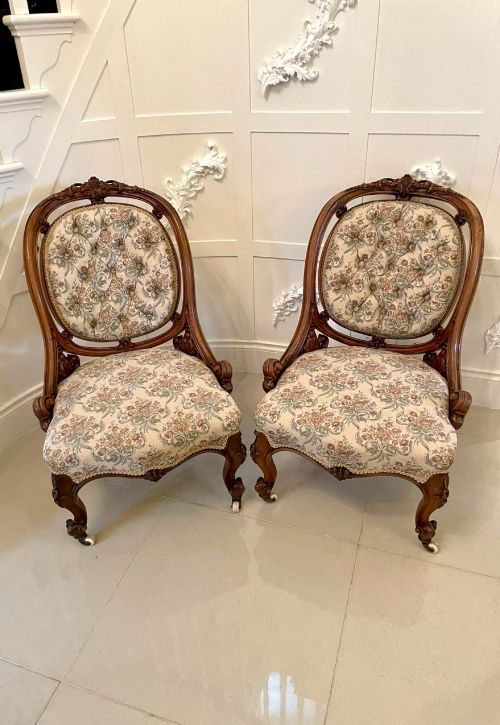
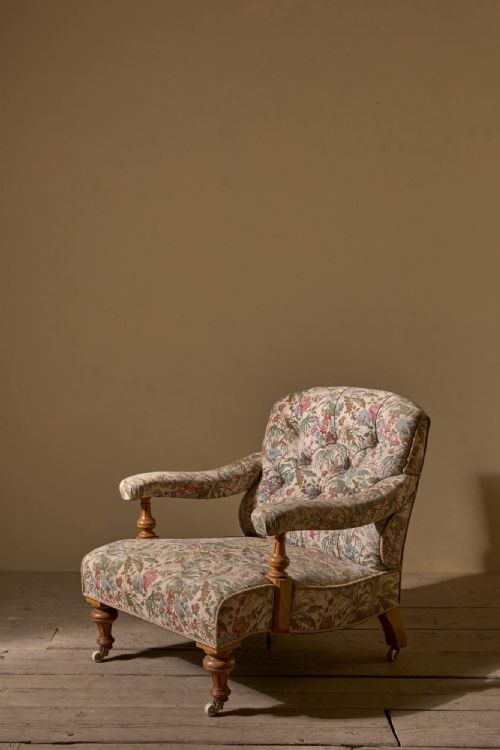
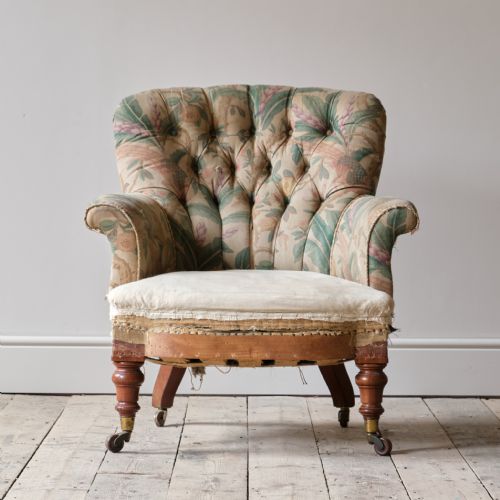
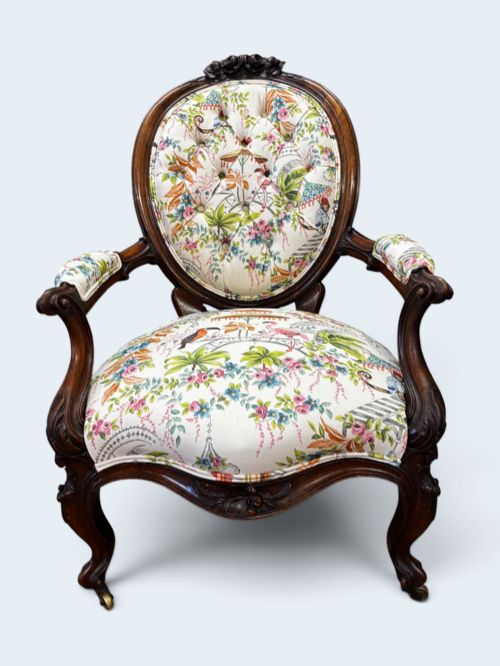
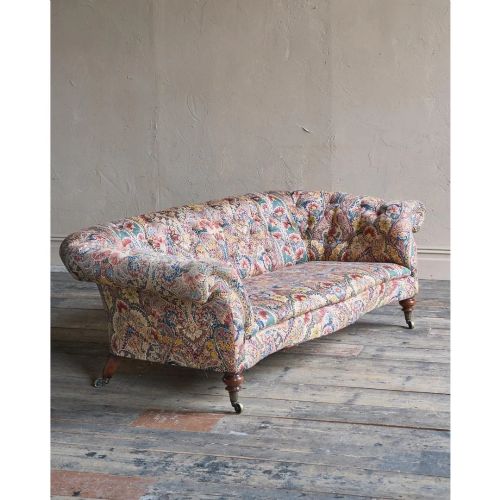
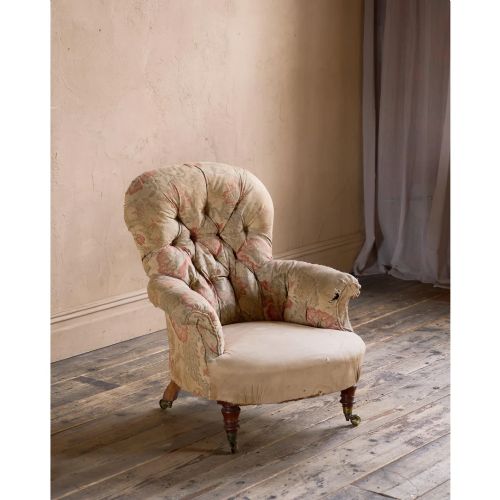
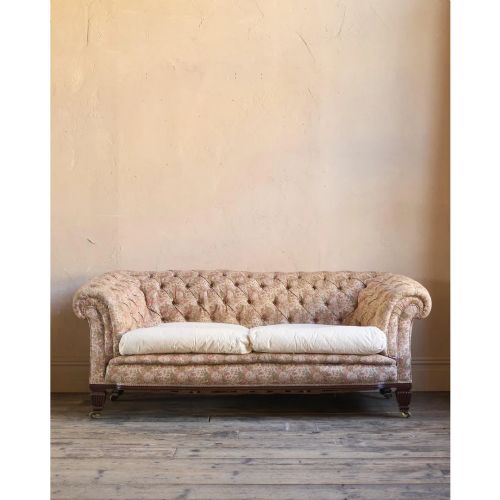
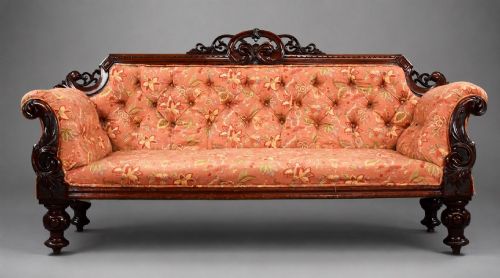
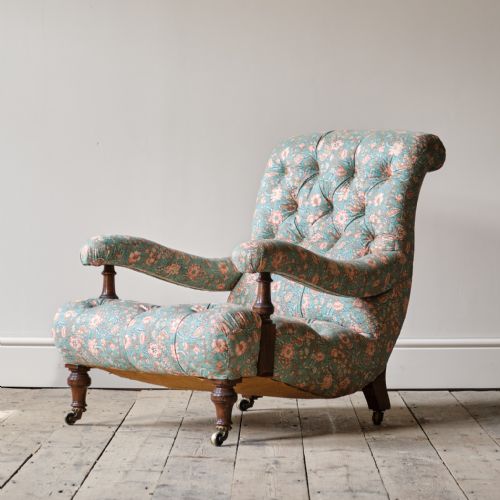
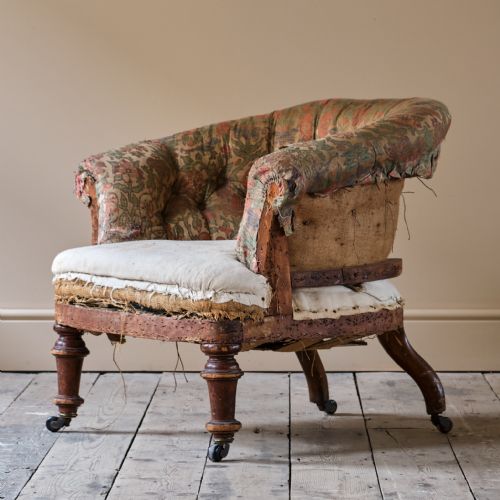
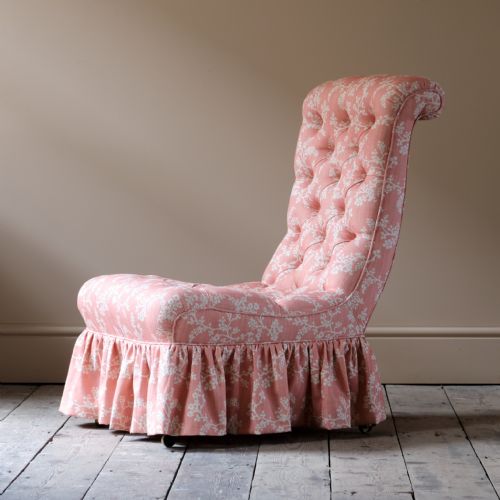
The evidence shows numerous seating forms and upholstery styles rather than clothing fasteners, yet the material record includes nineteenth-century production methods and components such as brass, wood, and fabric. These pieces reflect the broader manufacturing output of the era.
Materials and construction
Makers utilised available nineteenth-century materials such as brass, wood, and fabric upholstery to construct items. These substances were shaped using period techniques suited to domestic furnishings and decorative objects.
Wooden frames of mahogany, walnut, and rosewood provided structural support for padded elements, while brass components added functional and decorative detailing.
The site listings demonstrate a strong presence of nineteenth-century seating forms, including armchairs, slipper chairs, and chaises longues constructed from mahogany and walnut.
Evaluating quality and finish
Quality in these items rests on the precision of the joinery and the selection of timber used for the frames, such as solid mahogany or walnut. Superior examples demonstrate careful attention to carving and structural integrity.
The integration of upholstery fabrics, whether original tapestry or period linen, also distinguishes finer pieces from standard domestic output.
Howard and Sons·Holland and Sons·Gillows·H Goodall and Sons
The Victorian Floral Buttons Glossary
- Victorian
- Pertaining to the reign of Queen Victoria, spanning the nineteenth century. This period encompasses significant shifts in design styles and manufacturing output.
- Mahogany
- A durable tropical hardwood frequently utilised for nineteenth-century furniture frames. Its stability made it a preferred choice for skilled cabinet makers.
- Upholstery
- The padded and covered components of seating furniture. This craft involved textiles like tapestry, velvet, and linen stretched over internal webbing and springs.
- Brass
- A yellow alloy of copper and zinc used for decorative mounts, castors, and structural hardware. It provides both durability and a bright finish.
Victorian Floral Buttons: Frequently Asked Questions
What materials were commonly used in these items?
Makers relied on brass, wood, and fabric to construct nineteenth-century domestic goods. These materials supported both structural needs and decorative finishes.
Timber selections included mahogany, walnut, and rosewood, paired with textiles such as tapestry and linen for upholstered surfaces.
How do I identify the period of a piece?
Dating relies on stylistic markers associated with nineteenth-century design trends, such as Victorian Rococo Revival or Regency influences. Construction techniques also offer clues to the decade of origin.
Examinations of timber types and upholstery methods help narrow the timeframe within the 19th century.
Were these items produced by known workshops?
Numerous pieces bear stamps or attribution to prominent nineteenth-century firms and cabinet makers. Workshops such as Gillows and Howard and Sons marked their output.
Other items remain unassigned to a specific maker, reflecting general workshop production of the era.
How should I care for upholstered period furniture?
Preservation involves keeping items away from direct sunlight and maintaining stable indoor humidity levels. Gentle dusting protects delicate fabric coverings.
Professional conservation methods are recommended for fragile textiles and original nineteenth-century stuffing materials.