

Victorian Floral Art
Victorian floral art captures the beauty of nature through paintings, ceramics and decorative objects from the nineteenth century onwards.
Victorian Floral Art
When searching for Victorian floral art, a buyer encounters a diverse selection of period pieces that celebrate botanical subjects through various artistic mediums.
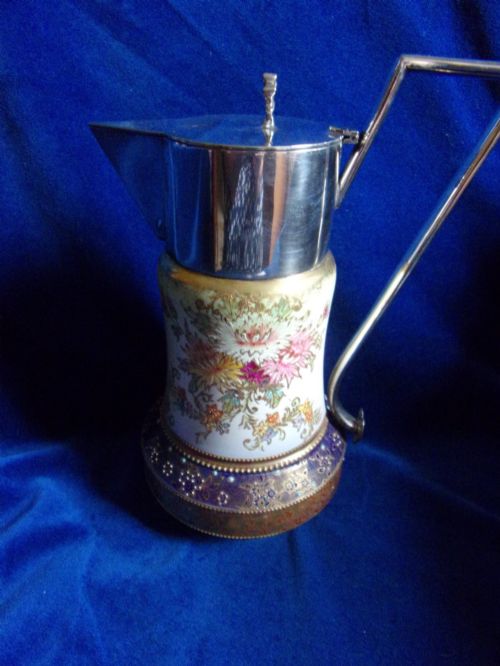
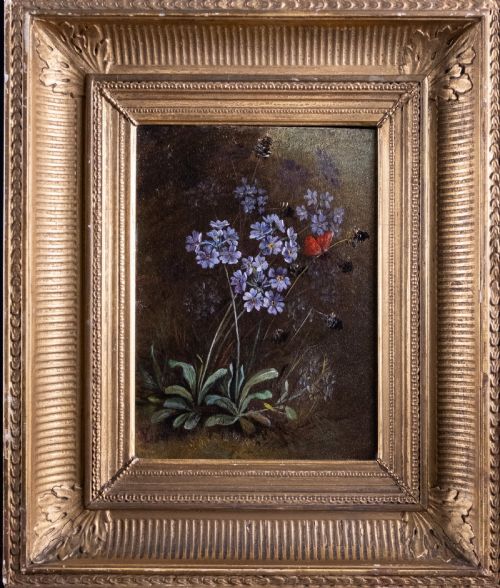
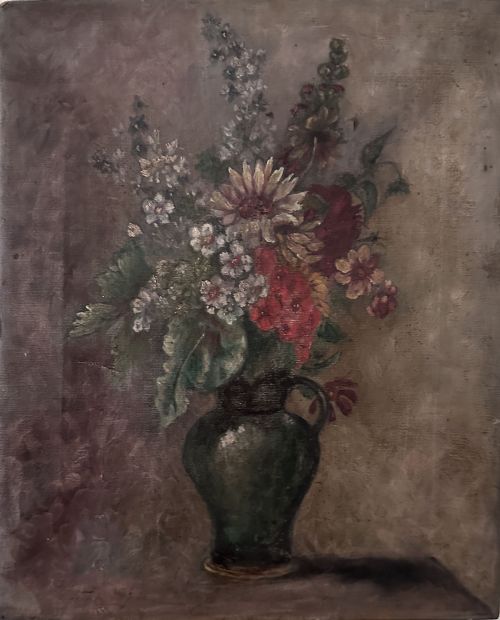
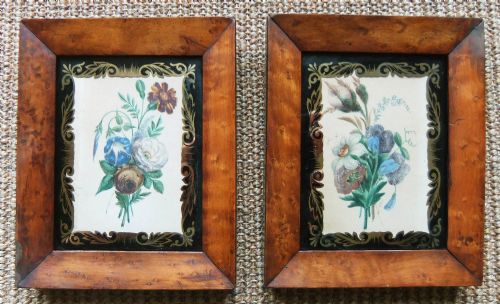
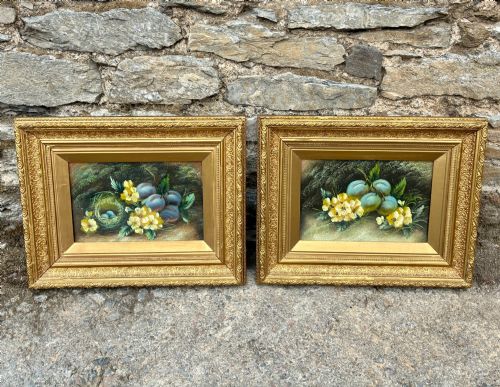
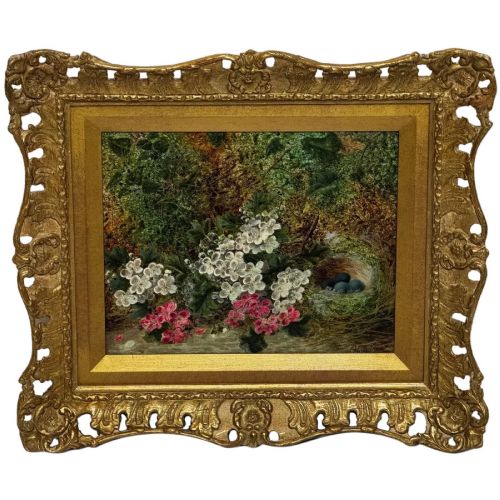
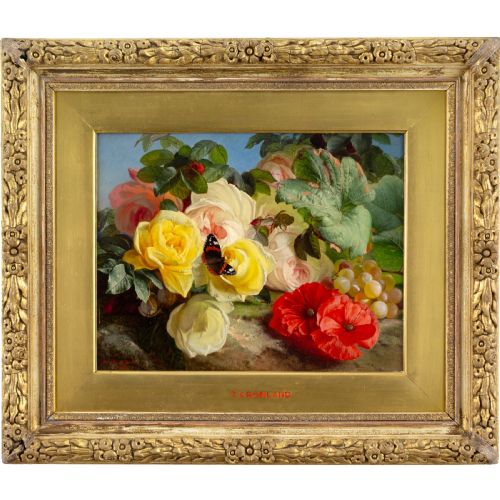
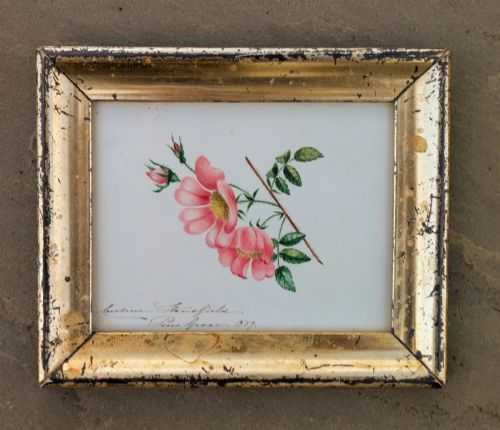
The most common examples on this page include oil paintings and watercolours depicting still lifes of roses, poppies and wild flowers, alongside glazed ceramic vases and decorative items.
These pieces originate from the nineteenth and early twentieth centuries, reflecting the era's deep fascination with natural history and garden flora.
Materials and methods
Makers utilised traditional artist materials such as oil paint on canvas and watercolours on paper to render detailed botanical studies with fine brushwork.
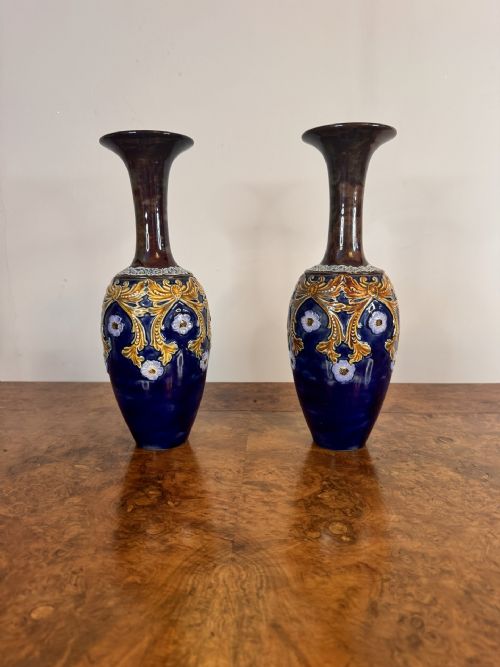
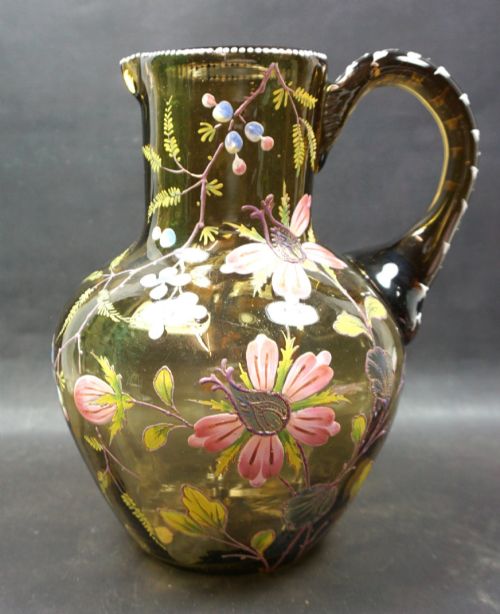
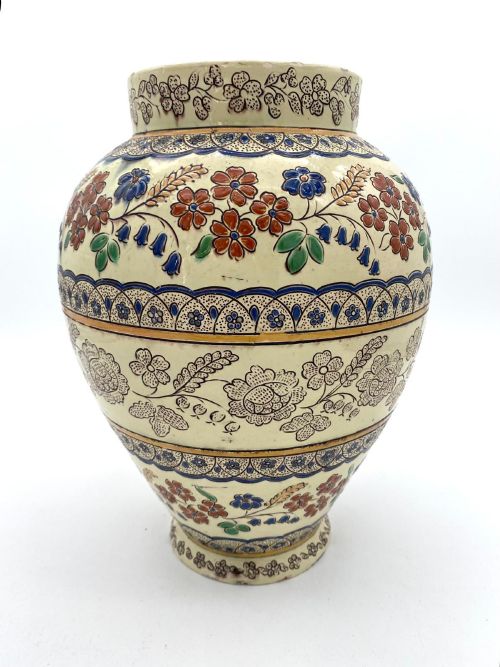
Three-dimensional decorative objects employ glazed stoneware, earthenware and ceramic bodies, often decorated with hand-painted floral motifs or enamel work.
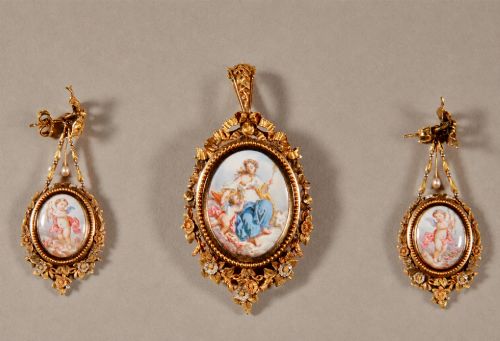
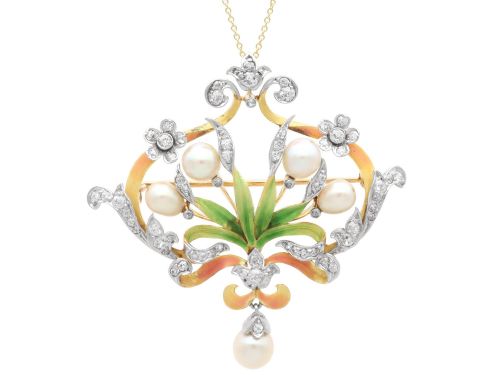
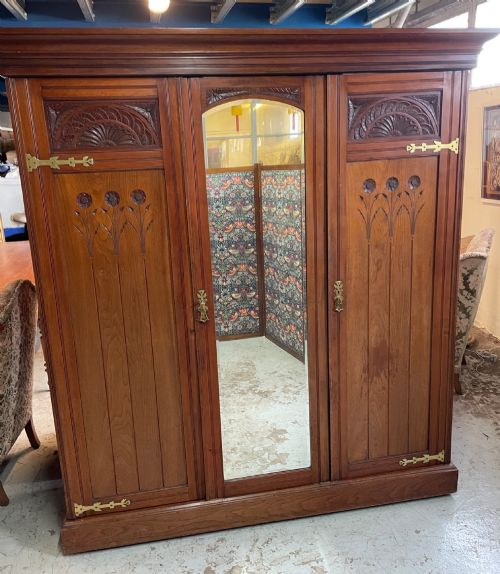
Cabinet makers and metalworkers incorporated timber, cast iron, copper and silver into functional household items like fire screens and jewellery adorned with floral designs.
Victorian Floral Art Retail Price Guide 2026
Typical asking prices for victorian floral art among the pieces listed under this phrase on Sellingantiques today, from the lower quarter to the upper quarter. They describe what is for sale here now, not the wider market.
Listings feature items spanning the nineteenth century up to the early twentieth century, utilising oil paint, watercolour, ceramic, glass and precious metals.
Assessing quality and execution
Quality in these botanical works rests upon the precision of the draughtsmanship and the naturalism of the floral arrangement depicted by the artist.
In ceramics and decorative metalwork, the fineness of the glaze, the clarity of the enamel painting and the crispness of the moulded details separate standard production from finer examples.
Royal Doulton·Doulton Lambeth·Carltonware
The Victorian Floral Art Glossary
- Still life
- A painting or drawing depicting inanimate subject matter, typically including cut flowers, fruit and botanical specimens arranged on a surface.
- Watercolour
- A painting method in which the paints are made of pigments suspended in a water-based solution, frequently used on paper for delicate floral studies.
- Stoneware
- A robust type of ceramic fired at high temperatures until vitrified, commonly seen in late nineteenth-century vases and jardinieres.
- Enamel
- A decorative glassy substance fused to metal or glass surfaces through firing, used to add vibrant colour to nineteenth-century decorative objects.
Victorian Floral Art: Frequently Asked Questions
What subjects appear in these paintings?
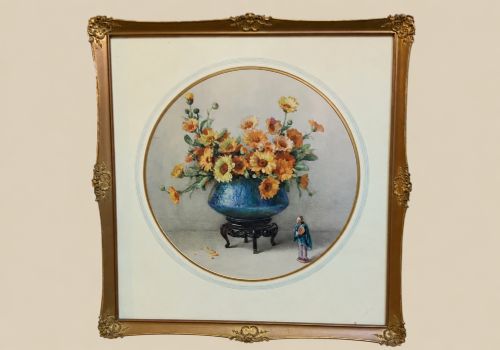
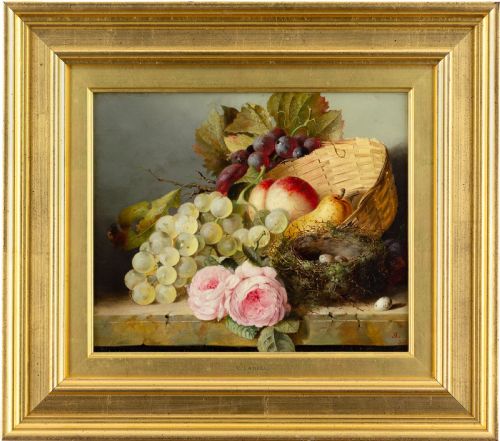
The artworks primarily show detailed studies of flowers, including roses, poppies, marigolds and wild blossoms, often arranged alongside nests, birds or butterflies.
These compositions reflect the strong Victorian interest in natural history and botanical illustration.
How were ceramic vases decorated?
Potteries applied hand-painted glazes, slip decoration and enamel work directly onto the ceramic or stoneware body before firing.
Many pieces also feature raised botanical motifs that highlight the craftsmanship of the period.
Where do these pieces fit in a modern interior?
Framed watercolours and oil paintings work well hung on living room or hallway walls to add traditional colour and warmth.
Ceramic vases and decorative objects serve as striking centrepieces on tables, mantels or wooden sideboards.
How can I tell the period of a piece?
Dating relies on examining the materials, framing styles, signatures and specific ceramic marks recorded in the listings.
Objects generally span from the mid nineteenth century through to the early twentieth century, encompassing Victorian, Arts and Crafts and Art Nouveau aesthetics.