
Victorian Fireplace Hearth Accessories
Victorian fireplace hearth accessories bring warmth and functional metalwork into the nineteenth-century room.
Victorian Fireplace Hearth Accessories
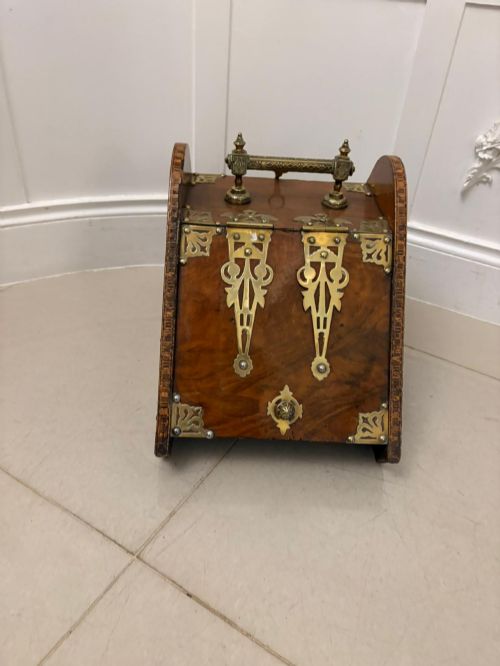
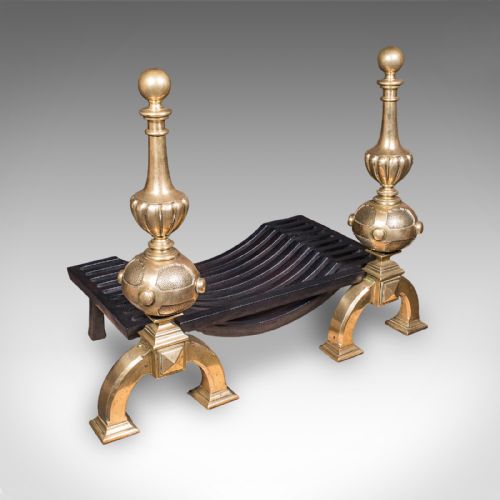
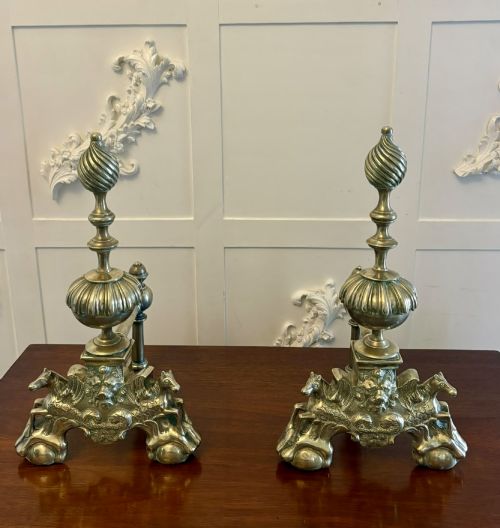
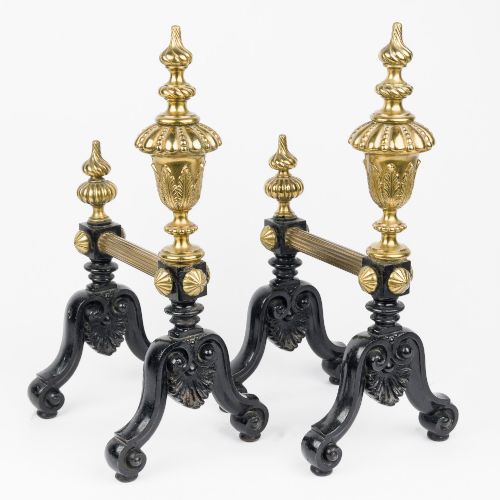
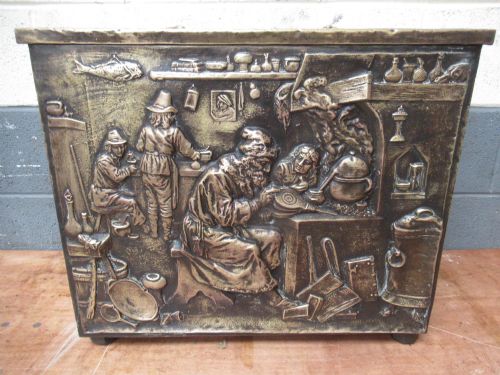
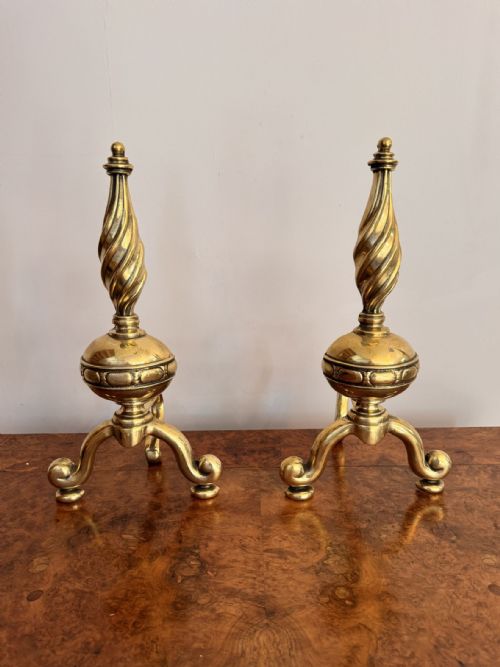
When you search for Victorian fireplace hearth accessories, you examine utilitarian items designed to service coal fires in nineteenth-century homes. The listings here contain a heavy concentration of brass and copper containers, iron fire dogs, and steel tools.
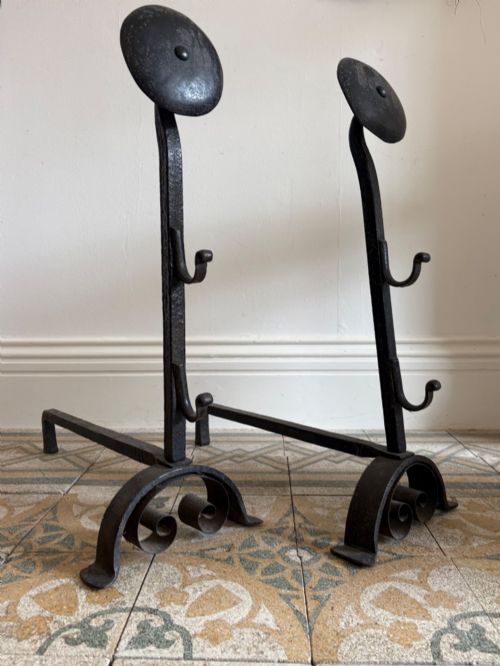
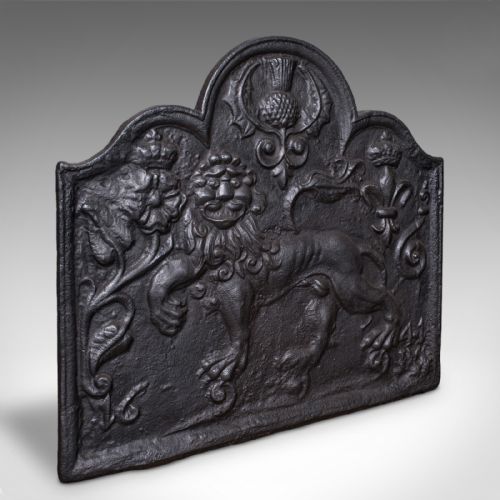
Makers and designers of the period turned basic hearth equipment into decorative statements, borrowing styles from Gothic Revival, Arts and Crafts, and French Rococo aesthetics. These objects range from heavy wrought iron fire backs to polished brass chestnut roasters.
Materials and construction methods
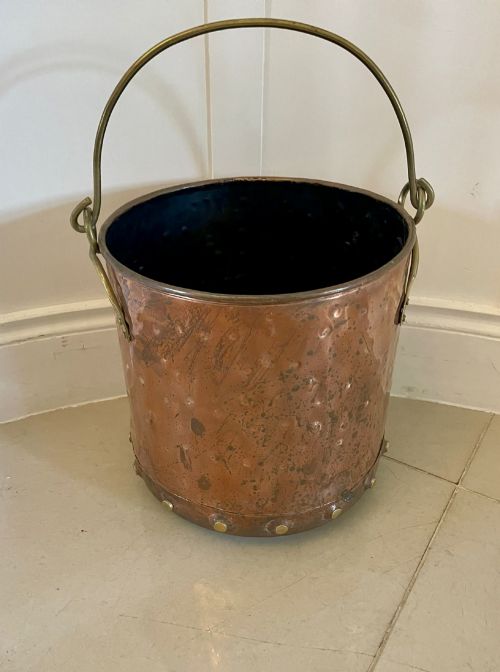
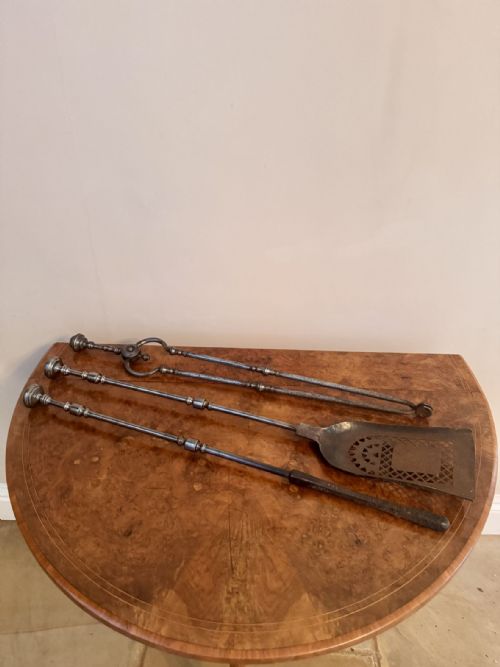
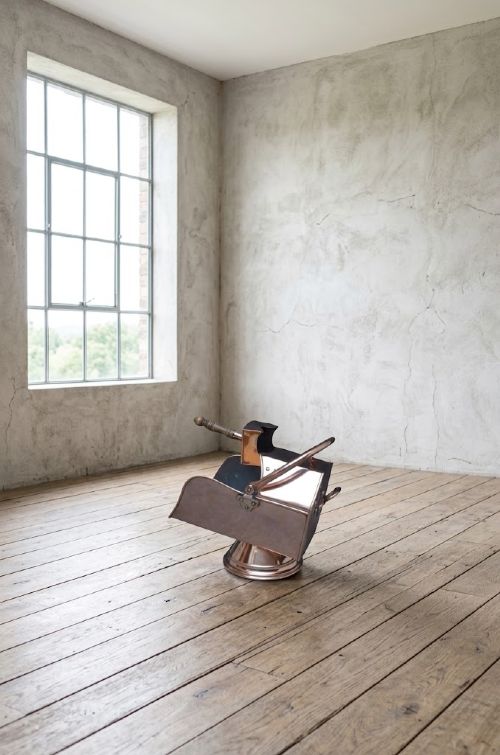
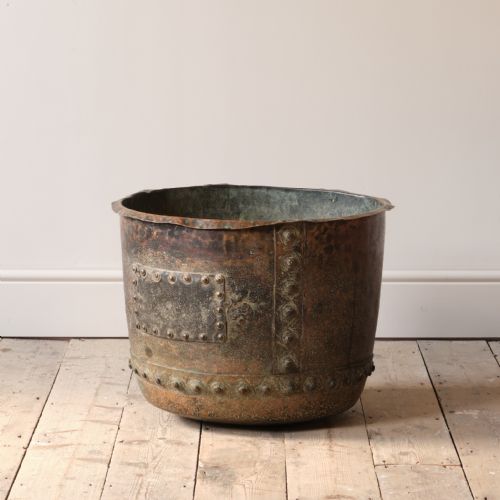
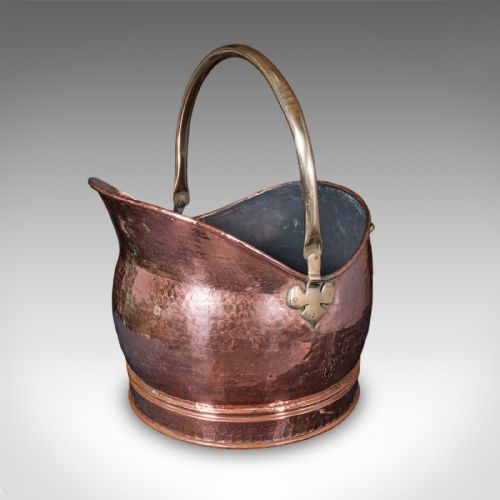
Makers relied heavily on durable metals, casting iron and brass into robust fire dogs and forging steel for fire irons and pokers. Copper was hammered and spun into coal buckets and helmets, often contrasted with bright brass handles and bands.
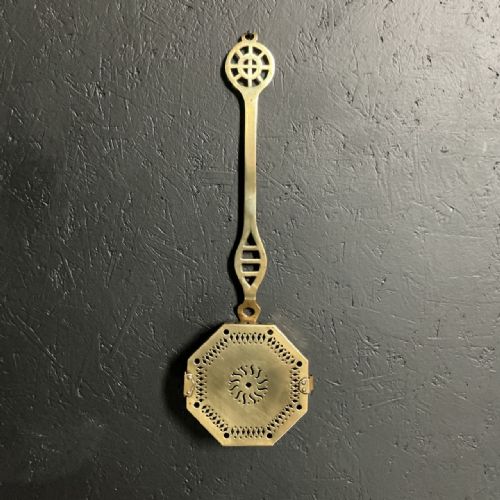
Craftsmen utilised piercing, hand-finishing, and riveting to assemble metal components, while woodwork appears in carved oak foot stoves and bellows. Surface treatments involve polished brass, painted metal, and blackened iron designed to withstand high hearth temperatures.
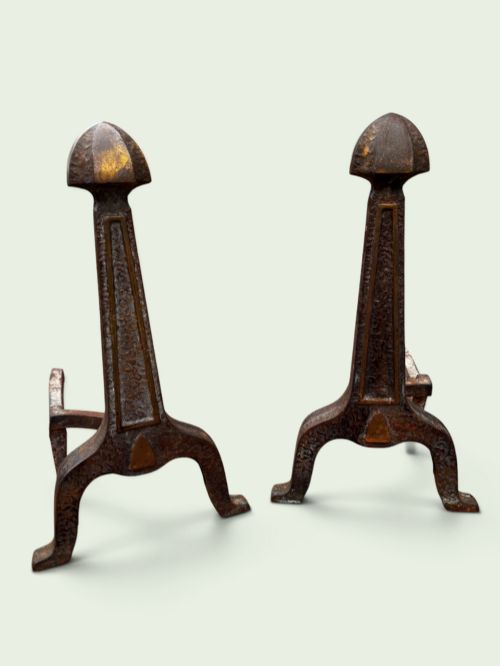
Listings feature numerous nineteenth-century brass and copper items, alongside iron fire dogs spanning the Victorian, Arts and Crafts, and Edwardian periods.
Distinguishing quality in metalwork
Quality rests in the weight of the metal, the crispness of the cast ornamentation, and whether the construction uses hand-forged wrought iron rather than lighter modern alloys. Superior pieces display thoughtful detailing, such as hand-finished surfaces and integrated brass banding on copper buckets.
Design ambition separates standard utility items from finer examples, with pieces reflecting specific aesthetics like Arts and Crafts or the work of notable designers holding greater visual interest. The integrity of the joins and the retention of original matching companion tools elevate a set above mismatched replacements.
Liberty & Co·Thomas Jeckyll·William Tonks
The Victorian Fireplace Hearth Accessories Glossary
- Andirons
- Supports used to hold logs above the hearth floor to allow air circulation underneath. They are frequently paired with matching fire dogs.
- Fender
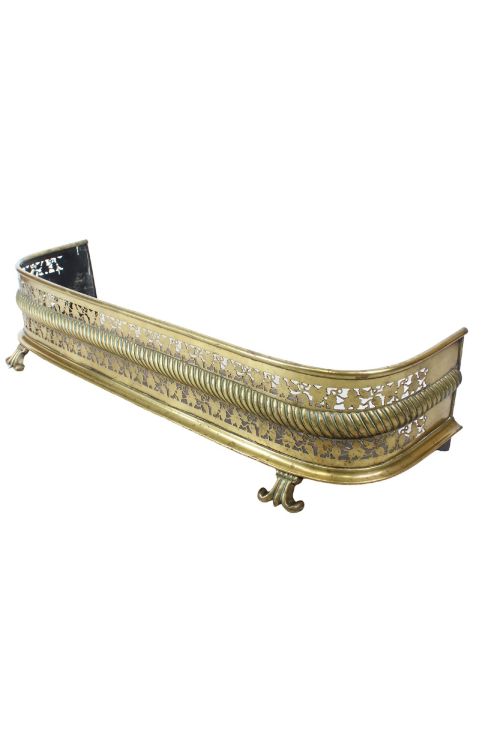
- A low metal guard placed around the hearth to keep burning coals and ash from spilling onto the floor. They are often pierced with decorative brass patterns.
- Companion set
- A matched group of fireside tools usually comprising a poker, tongs, shovel, and brush held on a dedicated stand or rest.
- Coal scuttle
- A bucket or helmet-shaped container designed for holding and transporting coal to the fire. They are commonly made of beaten copper or brass.
- Fire screen
- A decorative panel placed before the fireplace when not in use. They often feature folding brass panels or wrought iron shields.
Victorian Fireplace Hearth Accessories: Frequently Asked Questions
What are victorian fireplace hearth accessories used for?
These items were built to manage coal and wood fires in nineteenth-century domestic hearths. They served both practical tasks, like stoking flames and containing ash, and decorative purposes within the main rooms of the house.
Today, they function as authentic period details for working fireplaces or decorative focal points in non-working hearths. Their solid metal construction ensures they remain durable practical objects.
How do I identify Arts and Crafts pieces?
Arts and Crafts hearth accessories emphasise honest construction, visible hand-finishing, and simplified forms derived from natural motifs. You will notice hammered copper surfaces, wrought iron work, and a focus on utility without excessive ornamentation.
These pieces often contrast dark iron with polished brass or copper details. They reflect a shift away from mass-produced factory decoration towards individual craftsmanship.
Are brass andirons sturdy enough to use?
Solid brass and cast iron andirons from the nineteenth century are exceptionally heavy and robust. They were engineered to support substantial logs and endure high hearth temperatures over decades of daily use.
Provided the metal has not suffered deep structural cracking, original pairs remain fully functional for modern open fires. Their sheer weight keeps them stable on the hearth floor.
How do I clean nineteenth century brass?
Nineteenth-century brass develops a natural oxidation over time that many collectors prefer to leave undisturbed. If you choose to polish, use a mild cream cleaner designed for antiques to avoid removing fine surface detail.
Avoid harsh abrasive scouring pads that can scratch the softer historical metal. Gentle application preserves the crisp casting marks and patination earned over the decades.