


Victorian Fine Art Portrait
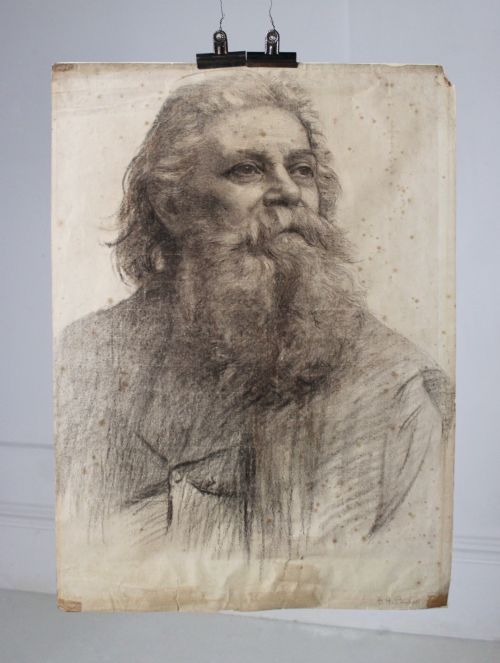
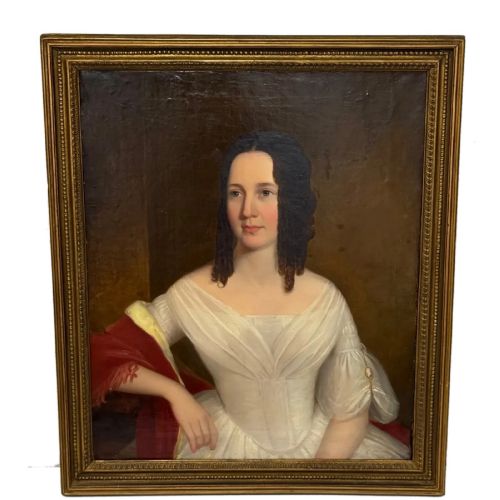
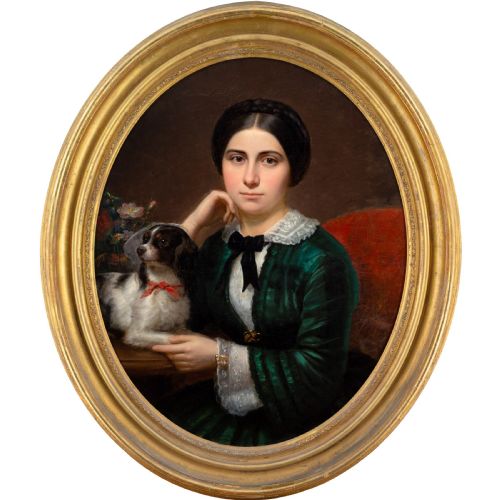
A victorian fine art portrait captures the likeness and social standing of subjects through meticulous painting and framing.
Victorian Fine Art Portrait
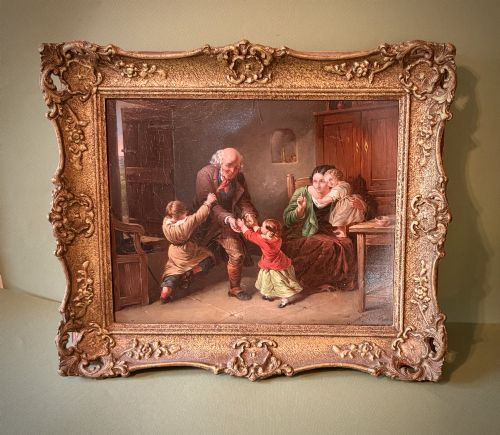
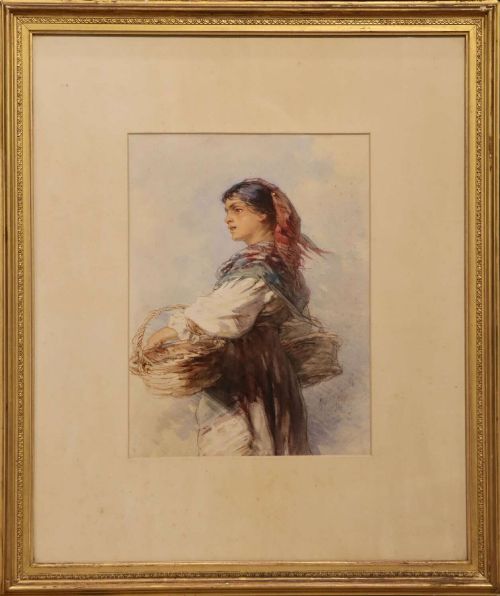
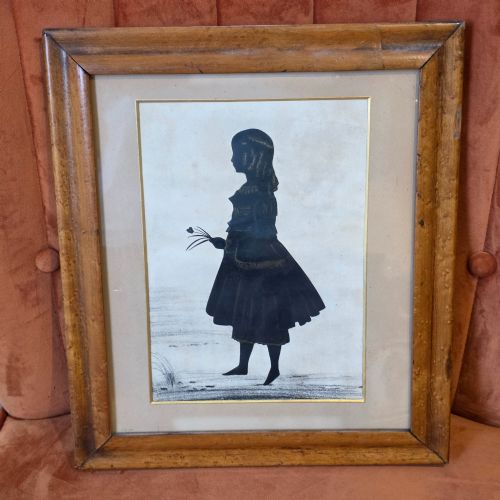
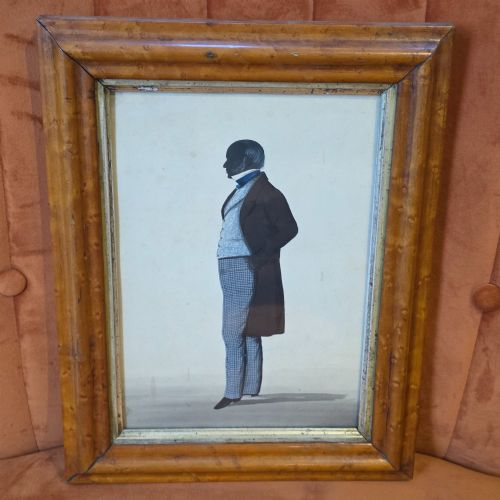
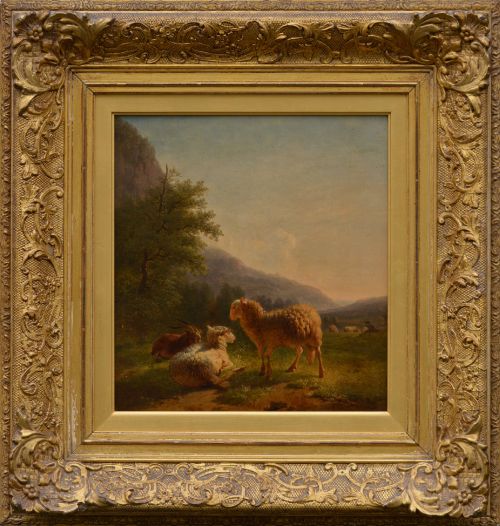
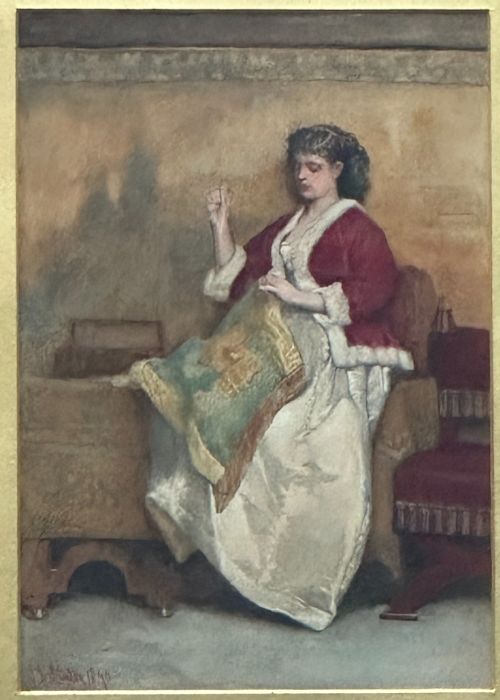
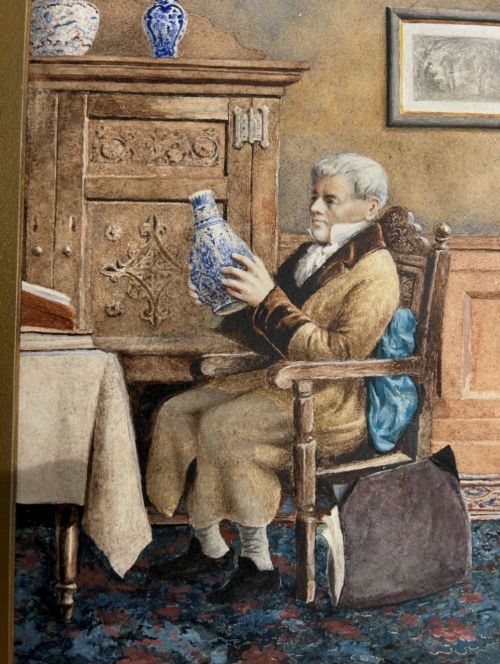
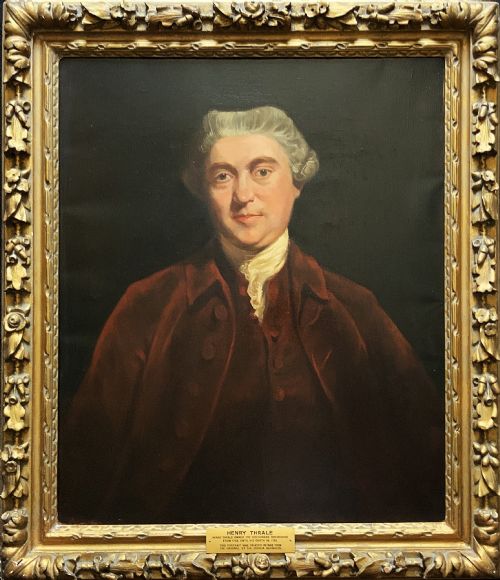
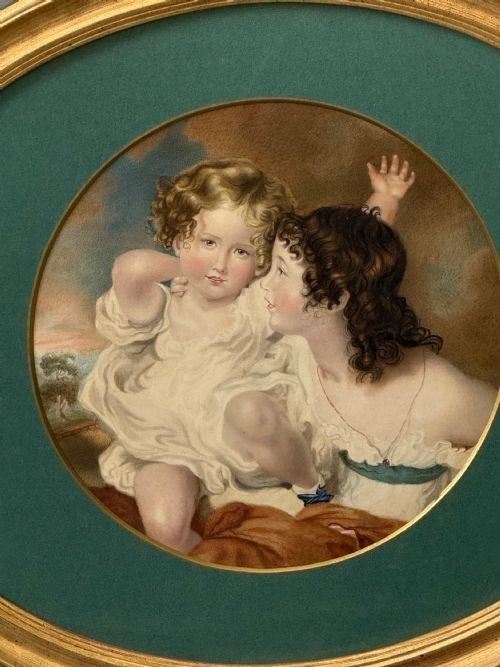
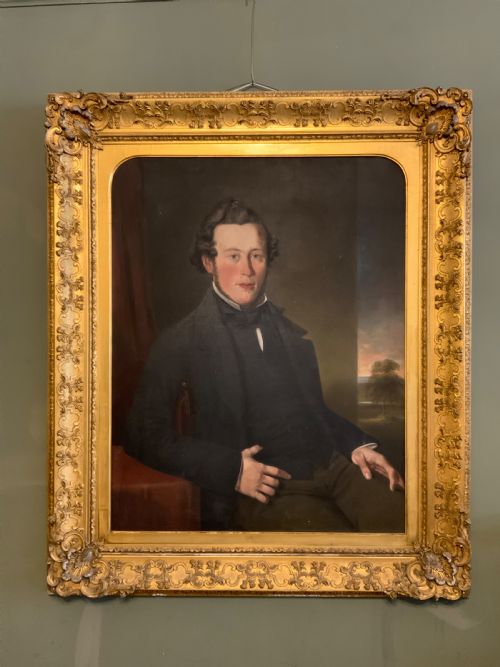
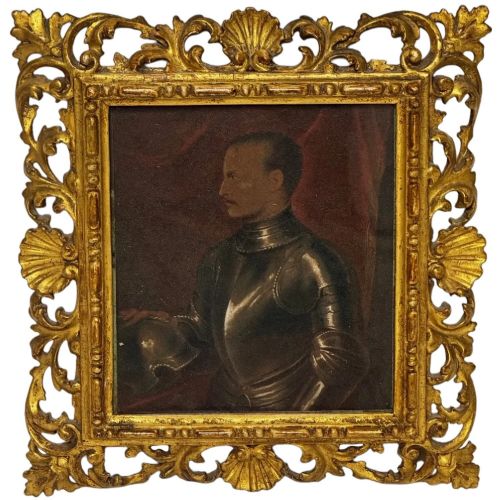
When searching for a victorian fine art portrait, buyers encounter oil on canvas paintings, watercolours, and cut-paper silhouettes depicting notable individuals, children, and animals. These works span the nineteenth century, including specific periods such as the Regency and Edwardian eras, as well as Victorian output. The most common forms on this page are framed oil paintings and watercolours rendered by British and continental European artists.
Subjects range from formal seated gentlemen and ladies in velvet dresses to genre scenes involving children, animals, and literary characters. Pieces often originate from named academic painters or regional schools working across Britain, France, Italy, and Ireland. The resulting works provide a direct visual record of nineteenth-century portraiture traditions.
Materials and construction
Artists painted primarily with oil paint on stretched canvas or wooden board, utilising applied layers of pigment to build depth and luminosity. Watercolours on paper appear frequently, often paired with hand-cut silhouette details or delicate ink work. Support materials such as paper and canvas are mounted within protective glass and heavy wooden frames.
Frames themselves are predominantly constructed from wood and finished with giltwood or gilt decoration to complement the artwork. The combination of oil paint, canvas, and giltwood frames ensures structural preservation of the portrait surfaces over centuries.
Listings feature works spanning the nineteenth century, executed in oil on canvas, watercolour, and cut paper within giltwood frames.
Evaluating quality
Quality in these portraits depends upon the precision of the draughtsmanship and the psychological depth captured in the sitter's expression. Superior examples demonstrate confident brushwork, accurate anatomical proportions, and subtle rendering of textiles such as velvet and lace. Weaker pieces display rigid posture and flat application of pigment without natural play of light.
The sophistication of the accompanying frame contributes significantly to the overall standing of a piece, with original giltwood surrounds holding greater artistic harmony. Works attributed to documented academic painters or exhibited artists typically display higher technical execution than anonymous provincial outputs.
Sir James Dromgole Linton·John Maler Collier·Sir Joshua Reynolds·Sir Thomas Lawrence·Adelaïde Salles-Wagner·Max Kaltenmoser·William Blake Richmond·Alfred Arthur Brunel de Neuville
The Victorian Fine Art Portrait Glossary
- Oil on Canvas
- Pigment mixed with drying oil applied to a woven fabric stretched across a wooden frame. This primary medium allows for rich colour blending and textured surface application.
- Giltwood
- Wood carved and coated with gold leaf or gold paint. It provides a reflective, ornate border for traditional framed artwork.
- Watercolour
- Paint consisting of water-soluble pigments used on paper. It creates transparent washes often utilised for detailed nineteenth-century portraiture and sketches.
- Silhouette
- A portrait represented as a solid shape of a single colour, usually black, cut from paper. These profiles are frequently executed with hand-cut precision during the Regency and Victorian periods.
- Academic
- Art produced in accordance with the strict standards of European fine art academies. Such works display formal composition, historical themes, and highly refined technical skill.
Victorian Fine Art Portrait: Frequently Asked Questions
How do I identify a Victorian portrait?
Victorian portraits are identified through sitter attire, artist signatures, and period framing techniques typical of the nineteenth century.
Clothing styles, hairstyles, and accompanying accessories often correspond directly to documented nineteenth-century social history and fashion trends.
What mediums were used for these portraits?
Artists utilised oil paint on canvas or board, watercolour on paper, and occasionally cut-paper silhouettes.
These materials were selected for their permanence and ability to capture fine facial details and rich fabric textures.
Are these works signed by the artists?
Many pieces feature artist signatures, monograms, or attribution notes written directly onto the canvas or paper substrate.
Unsigned works are frequently attributed to specific schools or followers based on brushwork style and period characteristics.
How should I display a framed oil portrait?
Hang oil paintings away from direct sunlight and fluctuating humidity to protect the canvas and giltwood frame.
Ensure the wall fixings can support the substantial weight of traditional wood and plaster frames.