






Victorian Embroidered Art
Victorian embroidered art brings needlework pictures, framed silk panels, and wool tapestries into modern interiors.
Victorian Embroidered Art
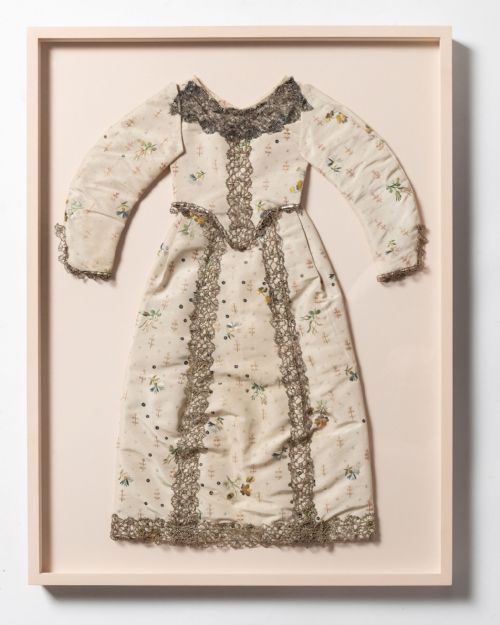
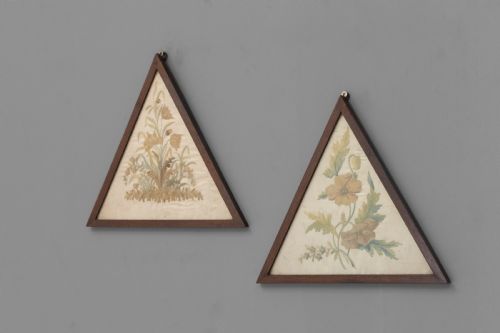
Victorian embroidered art encompasses framed textile wall pieces, needlework samplers, and wool pictures created during the nineteenth century. Buyers seek these works for their decorative wall presence and the detailed hand skills they preserve.
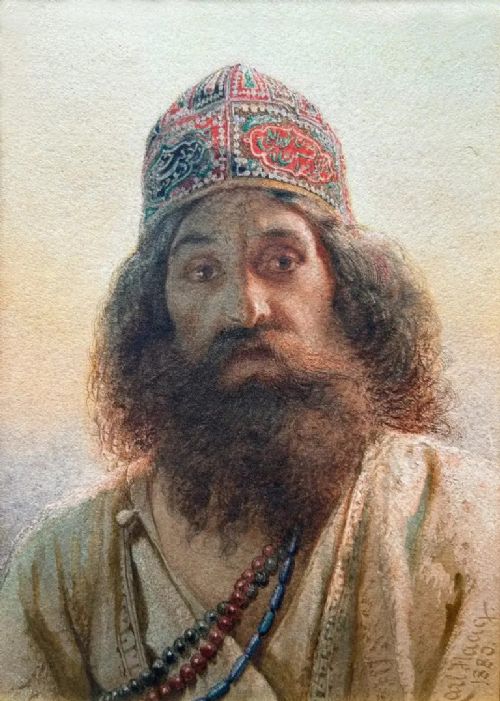
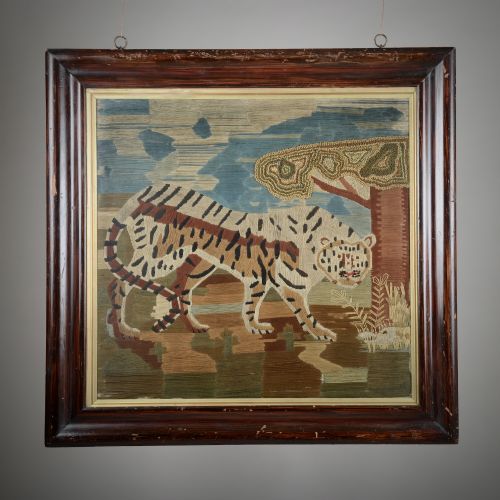
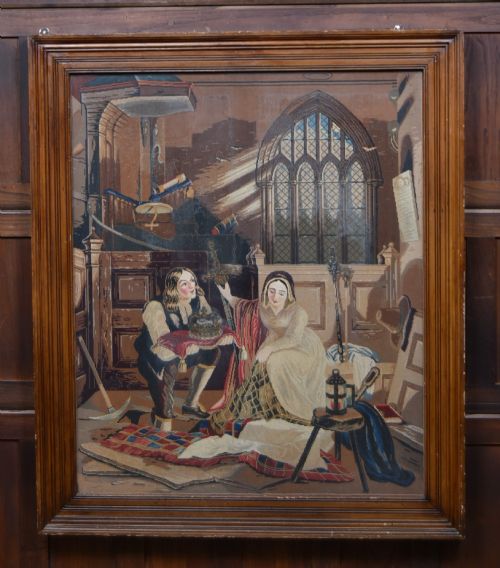
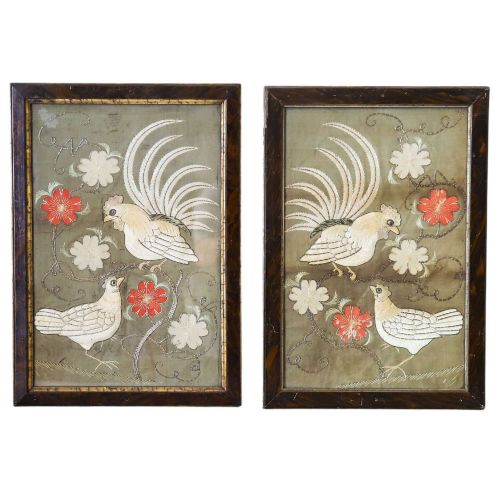
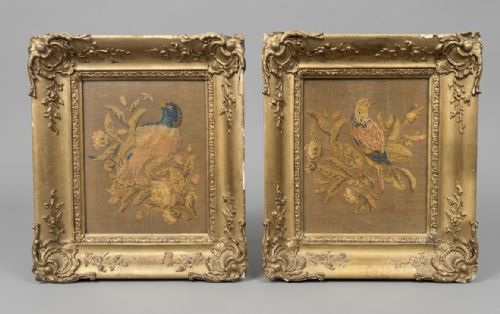
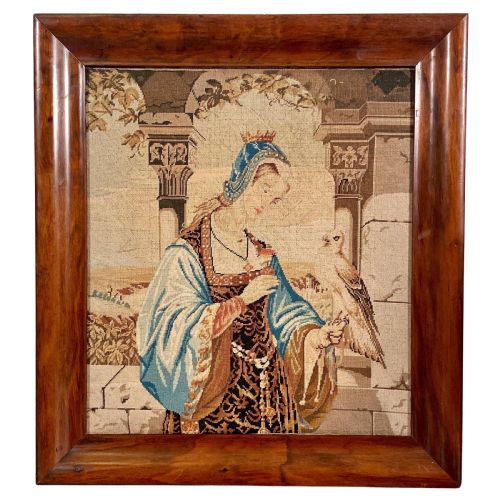
The most common examples on this page are framed needlework pictures and samplers produced in silk or wool. These objects often portray animals, historical scenes, portraits, or traditional lettering.
Pieces span various aesthetic movements, including Gothic Revival, Orientalism, and Victorian Folk Art. Such diversity means a buyer can find both domestic samplers and large pictorial tapestries.
Materials and construction methods
Maker materials rely heavily on natural fibres such as silk, wool, linen, and canvas stretched over wooden supports or paper backing. Artisans stitched these fabrics using varied thread weights to achieve texture and depth.
Gilded wood, glass, and faux tortoiseshell form the protective frames that house many of these textiles. These mounts preserve the fragile stitching from atmospheric wear while framing the pictorial scene.
Victorian Embroidered Art Retail Price Guide 2026
Typical asking prices for victorian embroidered art among the pieces listed under this phrase on Sellingantiques today, from the lower quarter to the upper quarter. They describe what is for sale here now, not the wider market.
Young makers recorded their exact ages in the canvas thread, turning needlework lessons into permanent historical records.
Distinctions in quality and execution
The quality of Victorian embroidered art rests in the precision of the stitch work and the complexity of the design. Finer pieces demonstrate careful shading, tight needlepoint execution, and balanced pictorial composition.
Materials also separate standard pieces from superior examples, particularly the use of fine silk threads or elaborate gros-point wool work. Additionally, the survival of the original frame and glass influences the integrity of the piece.
Iida Takashimaya Company
The Victorian Embroidered Art Glossary
- Sampler
- A piece of needlework produced as a demonstration or test of skill in various stitches, often featuring alphabets or dates.
- Gros-point
- A heavy type of needlepoint stitch worked on canvas, creating a durable and textured surface suitable for pictorial wool work.
- Silkwork
- Embroidery executed primarily using silk threads, known for its smooth finish and reflective sheen.
- Needlepoint
- Embroidery stitched onto a stiff grid canvas where the yarn covers the ground material completely.
- Tapestry
- A thick textile woven or embroidered with pictorial designs, often mounted for wall display.
Victorian Embroidered Art: Frequently Asked Questions
How do I date a sampler?
Many samplers include embroidered dates, maker names, and the age of the maker. Comparing the lettering style and material to documented examples helps determine the period.
Frames and backing materials also offer clues to the age of the textile. Original mounting often uses period wood and glass.
How should I hang these textiles?
Protect framed embroidery from direct sunlight to prevent the silk or wool threads from fading. Keep them away from damp environments to preserve the integrity of the fabric and paper backing.
Ensure the wall fixings match the weight of the framed piece. Professional framing with UV-filtering glass provides extra protection for delicate silk panels.
What is gros-point wool?
Gros-point is a sturdy needlepoint stitch worked on coarse canvas using thick wool yarn. It creates a textured, durable surface that holds detailed pictorial designs well.
Artists used this technique for heavy wall panels and animal depictions. The method allowed for rich colour blending and long-lasting results.