





Victorian Drying Rack
These Victorian drying rack pieces offer practical utility and period charm, bringing genuine nineteenth-century timber and iron work into daily domestic use.
Victorian Drying Rack
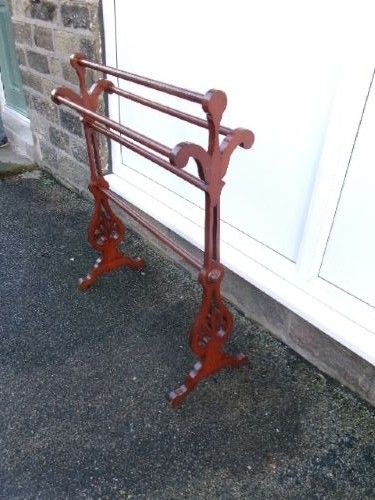
When you search for a Victorian drying rack, you encounter a range of domestic utility items designed for airing clothes, towels, and household produce. These pieces primarily manifest as towel rails, clothes airers, and hanging kitchen racks from the nineteenth century and adjacent periods.
You are most likely to meet mahogany folding towel rails and oak floor stands on this page, alongside wall-mounted airers and apple racks. The forms span simple country pine versions to large country house pieces in mahogany and oak.
The styles recorded in the evidence stretch from Regency and Early Victorian through to Arts & Crafts and Edwardian interpretations. Each item serves a functional purpose in laundry and kitchen management while displaying the craftsmanship of its era.
Materials and construction
Makers utilised solid timbers such as mahogany, oak, and pine to build these frames, often joining them with traditional woodworking techniques to withstand regular household dampness. Folding and three-fold designs required working hinges and pivoting joints to allow the frames to expand and collapse.
Surface treatments included paint finishes on pine items and polished wood grains on mahogany and oak stands. Wall-mounted airers incorporated brass and cast iron elements to support the weight of wet textiles and hanging produce.
Victorian Drying Rack Retail Price Guide 2026
Typical asking prices for victorian drying rack among the pieces listed under this phrase on Sellingantiques today, from the lower quarter to the upper quarter. They describe what is for sale here now, not the wider market.
Oak apple racks ensure your fruit enjoys better ventilation than a Victorian laundress gave the weekly linens.
Distinctions in quality
The division between standard utility items and finer examples rests on timber selection and architectural presence. Large country house pieces and substantial folding frames in figured mahogany or quarter-sawn oak sit at the higher end of the range.
Simpler decorated pine rails and utilitarian wall airers represent the more modest end of domestic production. The integrity of folding mechanisms and the preservation of original paint or polish further distinguish the finer pieces.
The Victorian Drying Rack Glossary
- Cheval towel rail
- A freestanding floor model featuring a pivoting frame supported by side pillars, allowing the rails to tilt or fold. This design provides stability and multiple hanging tiers.
- Clothes airer
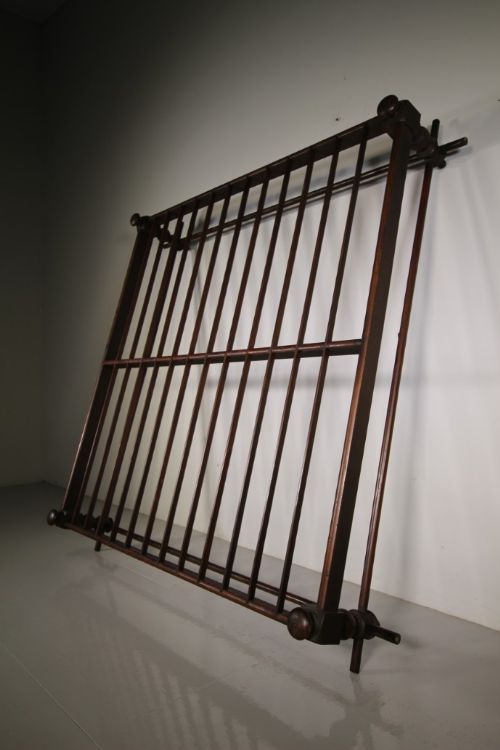
- A wall-mounted or ceiling-hung mechanism fitted with laths and cords for drying laundry indoors. It uses vertical space efficiently in kitchens and sculleries.
- Apple rack
- A slatted wooden framework designed for storing orchard fruit in cool, ventilated conditions. The open construction allows air to circulate around each piece of produce.
- Arts & Crafts
- A design movement prioritising traditional craftsmanship, visible construction methods, and simple utility over excessive ornamentation. Pieces from this style often highlight the natural grain of oak.
Victorian Drying Rack: Frequently Asked Questions
What is a Victorian drying rack used for?
These items were built for practical domestic tasks such as airing damp laundry, drying towels, and storing kitchen produce like apples. Households utilised them near hearths or in sculleries where warmth and ventilation aided drying.
Today, they serve the same functional purpose while adding historical character to modern utility rooms, bathrooms, and kitchens.
How do I distinguish between periods?
Dating relies on timber choices, construction methods, and stylistic details recorded across the nineteenth and early twentieth centuries. Regency and Early Victorian pieces often feature rich mahogany with classical restraint.
Later Edwardian and Arts & Crafts examples introduce robust oak frames and simplified forms that reflect changing domestic tastes.
Can I use these racks daily?
Most pieces remain robust enough for daily use, provided they are treated with appropriate care for antique timber and ironwork. Folding mechanisms and wall mounts should be checked to ensure they support the intended weight of textiles.
Placing them in well-ventilated spaces prevents moisture damage to the original wood surfaces.
Where were these pieces placed?
Original placement depended on the specific form, with wall-mounted airers typically fixed near kitchen ceilings or scullery walls. Freestanding towel rails and clothes airers stood in bedrooms, bathrooms, or close to heat sources.
Apple racks traditionally resided in dry, cool storerooms or outbuildings for seasonal produce preservation.