

Victorian Drop Pendants
Victorian drop pendants suspend gemstones and precious metals from chains or collars, offering movement and light.
Victorian Drop Pendants
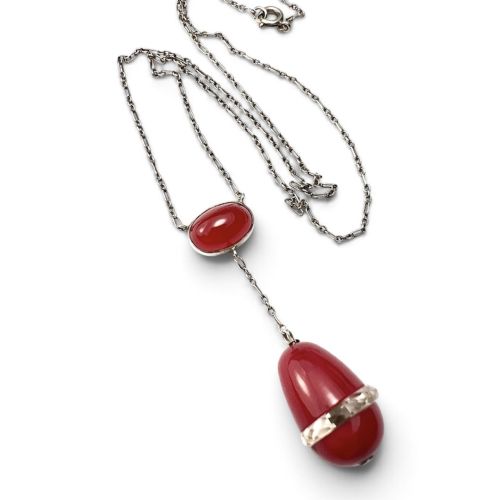
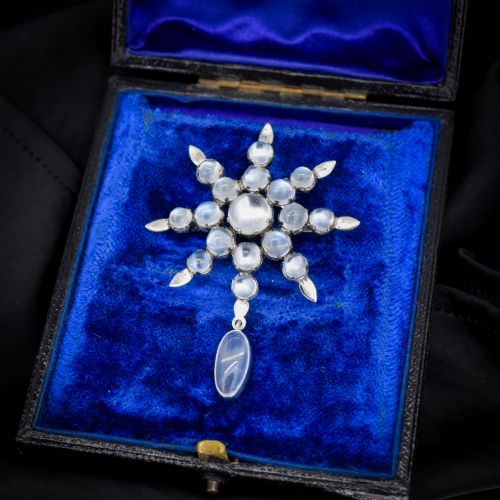
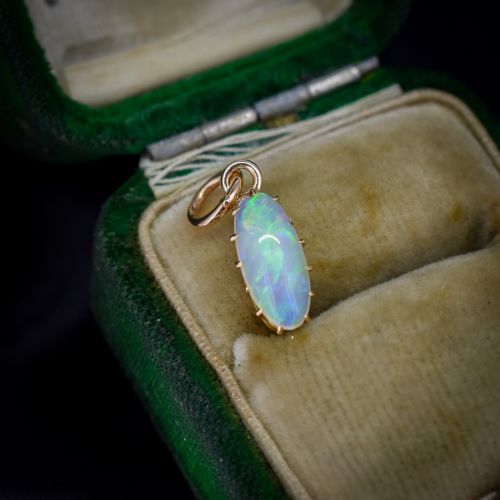
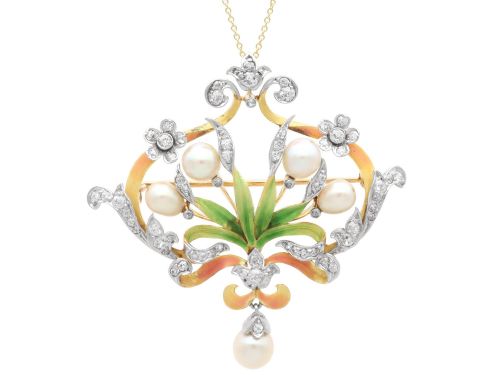
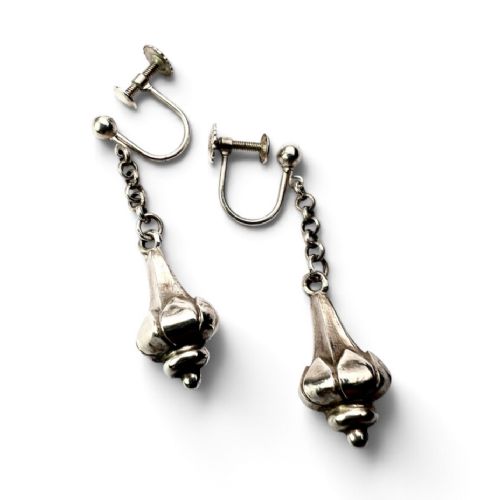
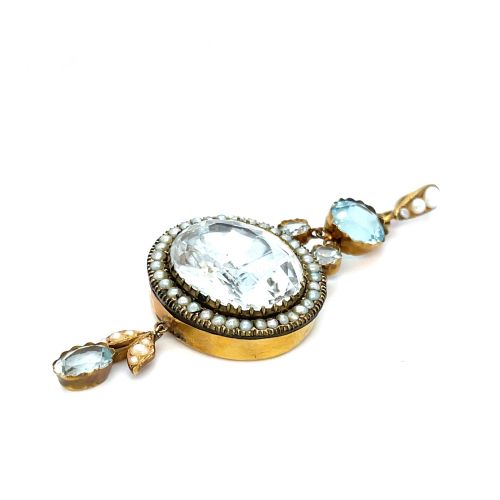
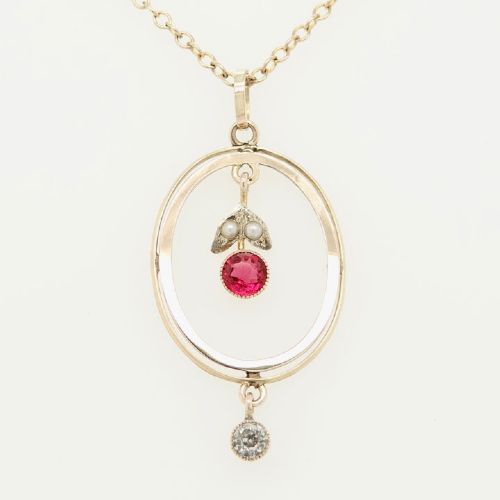
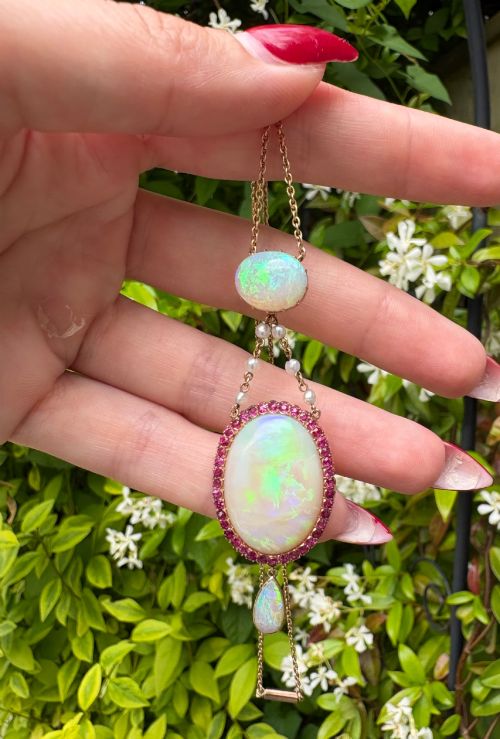
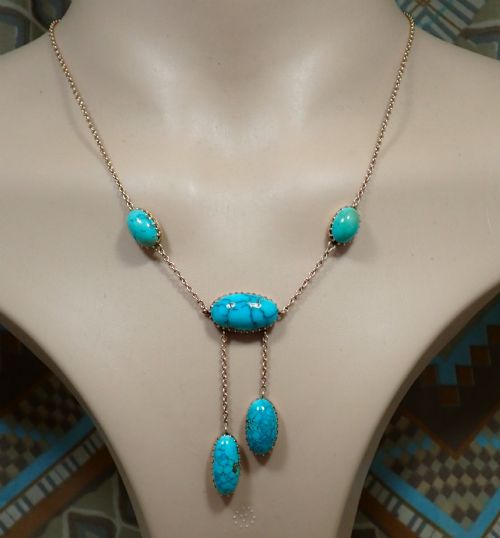
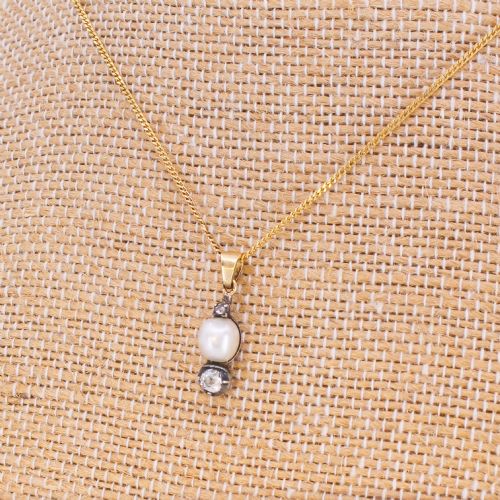
Victorian drop pendants combine swinging gemstone clusters and teardrop motifs with gold, silver, and pearls. When exploring victorian drop pendants, buyers encounter necklaces, lavaliers, and negligee designs suspended from fine chains.
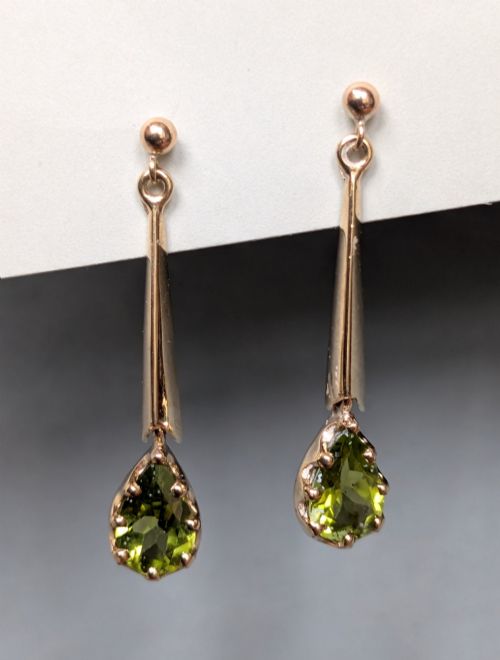
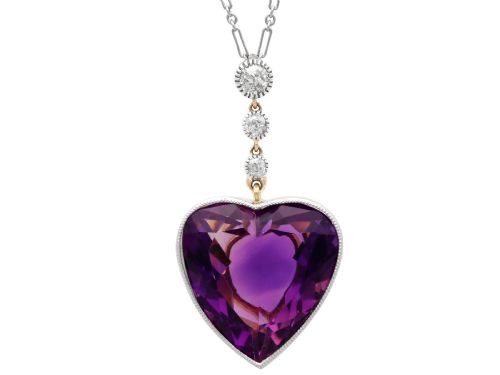
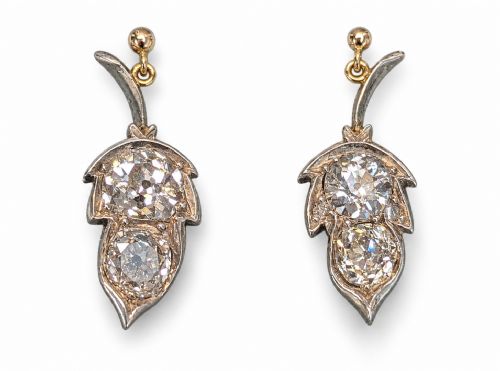
The material palette spans standard gold alloys up to eighteen carat, alongside sterling silver mountings. Gemstone choices feature peridot, amethyst, opal, turquoise, and diamonds arranged in distinct revivalist styles.
Materials and Construction
Metals are worked into hollow stampings, cast components, or hand-forged wire frames to support pendant drops without excessive weight. Gold and silver serve as the primary structural foundations for intricate bezels and claw settings.
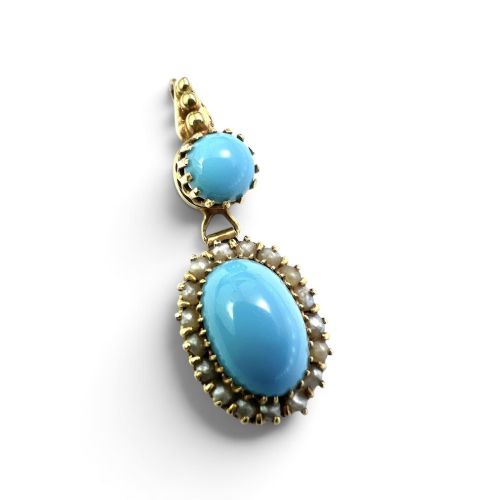
Gemstones are shaped into cabochons, table cuts, or faceted teardrops, then secured alongside seed pearls and enamel work. Foliate mounts and wirework define the decorative framing characteristic of the period.
Victorian Drop Pendants Retail Price Guide 2026
Typical asking prices for victorian drop pendants among the pieces listed under this phrase on Sellingantiques today, from the lower quarter to the upper quarter. They describe what is for sale here now, not the wider market.
Listings feature gold, silver, diamonds, amethysts, opals, and pearls across Victorian, Edwardian, and twentieth-century periods.
Distinctions in Quality
Superior examples demonstrate meticulous matching of natural pearls and clean, well-cut coloured gemstones within robust precious metal mountings. The integrity of the articulated joints and the precision of the bezel or collet work dictate the overall standard.
Lesser pieces rely on stamped assembly with thinner gauge metals, paste substitutes, or compromised gemstone saturation. The harmony of the design proportion separates ordinary items from high-grade artisan work.
The Victorian Drop Pendants Glossary
- Lavalier
- A necklace featuring a central suspended drop or pendant, often incorporating delicate gemset chains. This style gained popularity during the late nineteenth and early twentieth centuries.
- Negligee necklace
- An asymmetrical drop necklace design featuring two parallel drops of unequal length suspended from a central motif. It is commonly found in Edwardian and late Victorian jewellery.
- Parure
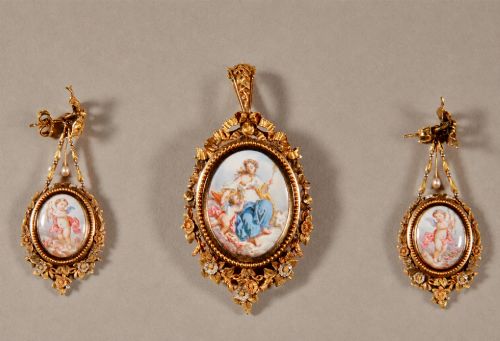
- A matched set of jewellery intended to be worn together, typically including earrings, a necklace or pendant, and a brooch. Complete sets from the nineteenth century remain uncommon.
- Holbeinesque
- A revivalist design style inspired by sixteenth-century Renaissance jewellery illustrations associated with Hans Holbein. These pieces utilise heavy enamelling, gemstone clusters, and pendant drops.
- Etruscan Revival
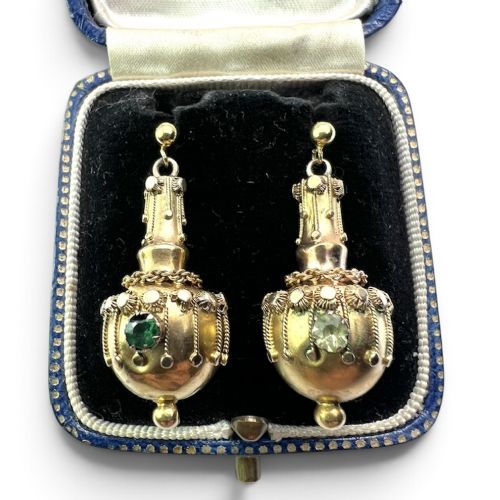
- An archaeological style focusing on granulated gold work, wire filigree, and classical motifs inspired by ancient excavations. Makers applied these techniques to brooches, earrings, and pendants.
Victorian Drop Pendants: Frequently Asked Questions
What defines a drop pendant?
A drop pendant suspends a single decorative element or gemstone below a fixed collar or chain attachment. This construction creates movement when worn.
Victorian iterations often pair central amethysts, opals, or pearls with subordinate cascading stones.
How do I identify a Victorian piece?
Examination of the metal hallmarks, gemstone cuts, and construction methods reveals the period of manufacture. Pin stems, catch designs, and closed-back settings offer further clues.
Revival styles such as Etruscan and Renaissance motifs also point directly to nineteenth-century workmanship.
Are these pendants worn daily?
Many buyers wear these antique pendants on contemporary or period-appropriate chains for regular use. Solid gold and silver settings provide durability for everyday life.
Fragile components like seed pearls or foil-backed stones require care during wear and storage.