




Victorian Drink Box
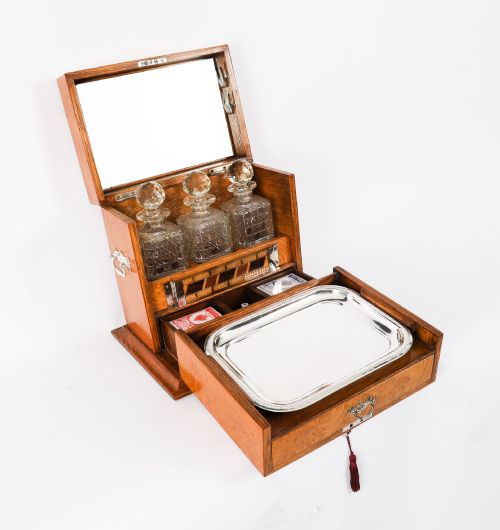
A victorian drink box is a solid timber tantalus or dry bar built to lock away fine spirits in home studies and drawing rooms.
Victorian Drink Box
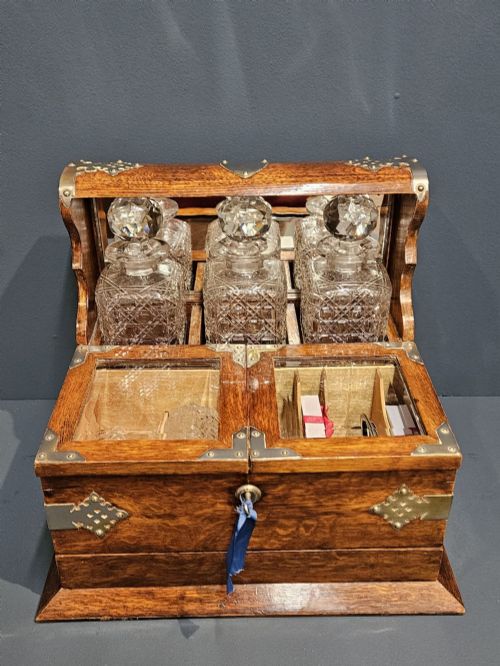
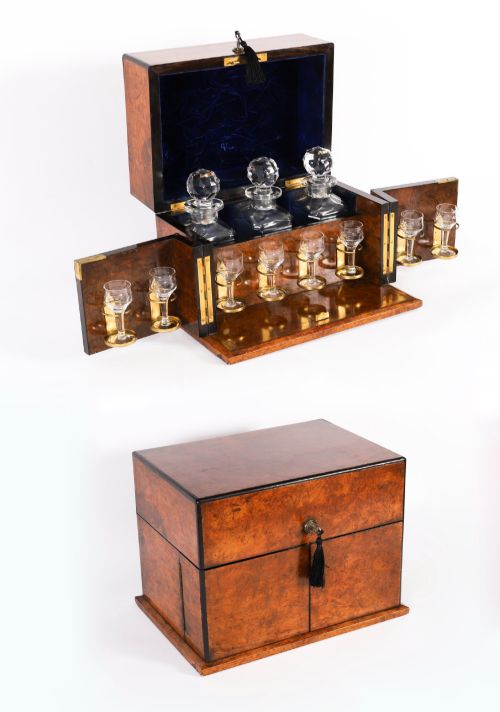
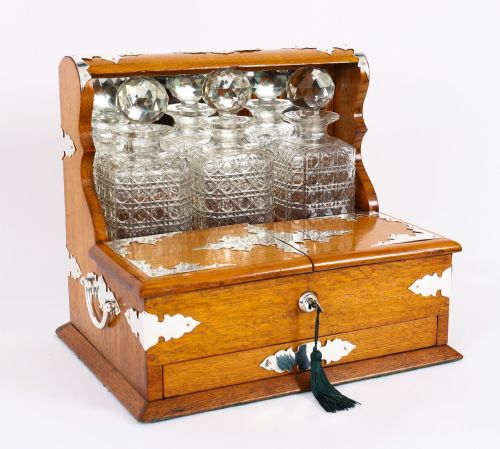
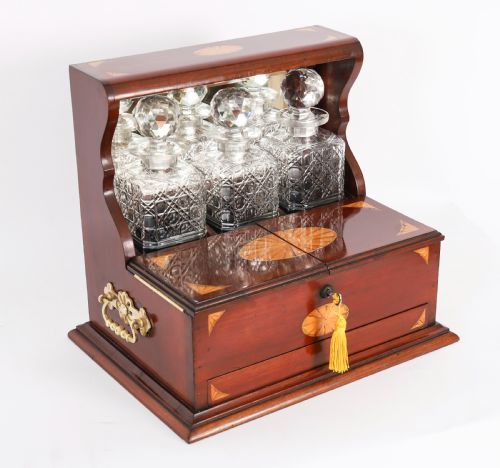
A victorian drink box encompasses oak, mahogany, walnut and coromandel decanter cases, tantalus sets and games compendiums originating mainly from the nineteenth century. These pieces combine heavy cabinet-making with functional barware, often holding two or three cut crystal or cut glass decanters alongside compartments for cards and cigars.
The version most commonly encountered on this page is the oak or walnut tantalus fitted with three decanters and a lockable mechanism. These containers served the Victorian household as both secure storage for expensive spirits and decorative furniture for the dining room or library.
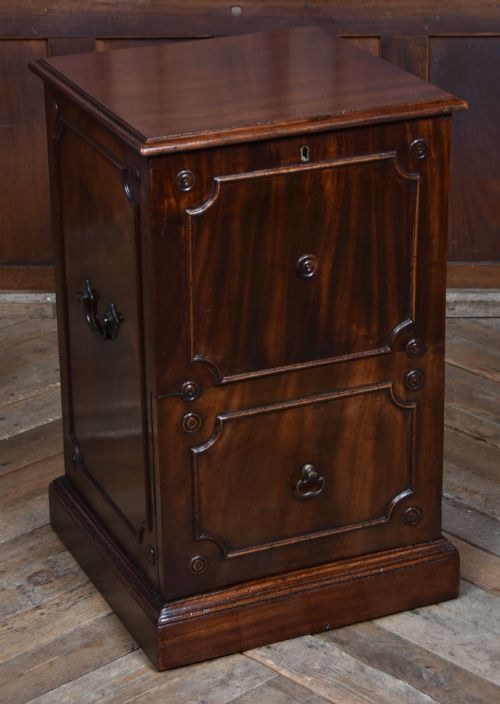
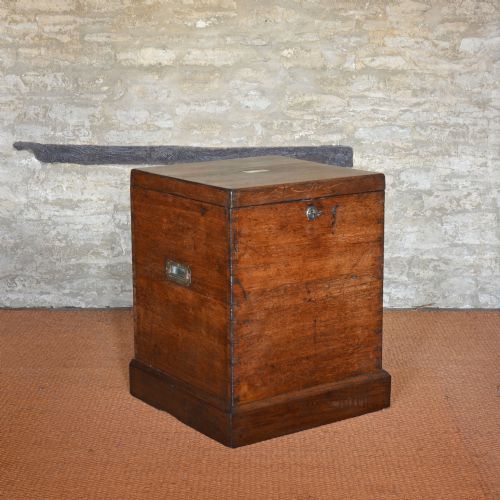
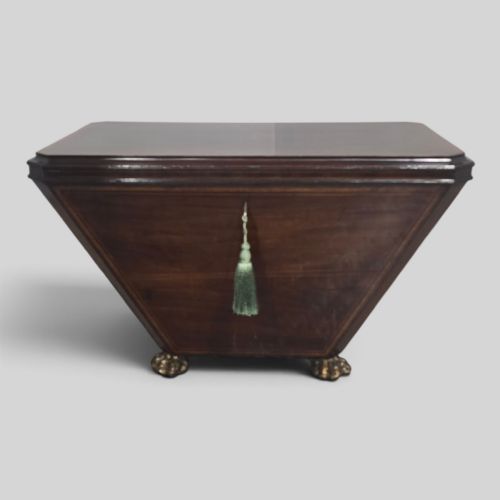
Beyond standard tantalus forms, the inventory includes wine coolers, cellarettes, and Indian Colonial silver salvers. Dating stretches from the mid nineteenth century into the Edwardian era, showing how domestic entertaining evolved across several decades.
Distinctions in Quality
Quality rests upon the choice of timber and the complexity of the internal fitments. Selected veneers like burr walnut or figured oak, combined with integrated games compendiums and humidor sections, separate standard containers from elaborate dry bars.
The refinement of the brass hardware and the precision of the locking mechanism indicate the skill of the original workshop. Complete sets featuring matching cut crystal decanters display a higher degree of original preservation than altered pieces.
Victorian Drink Box Retail Price Guide 2026
Typical asking prices for victorian drink box among the pieces listed under this phrase on Sellingantiques today, from the lower quarter to the upper quarter. They describe what is for sale here now, not the wider market.
Victorian hosts kept their brandy locked away not from visiting guests, but to stop the butler from sampling the expensive Scotch.
Edwards and Roberts
The Victorian Drink Box Glossary
- Tantalus
- A locking drink cabinet that holds decanters securely in place so they remain visible yet inaccessible without a key. The device prevented domestic staff from sampling the master's spirits.
- Cellarette
- A low cabinet or box designed to hold bottles of wine and spirits near the dining table. Earlier examples from the mid nineteenth century often stood on the floor or on short legs.
- Compendium
- A fitted box containing multiple pastimes, such as cards, dominoes, and board games, frequently combined with a tantalus in late nineteenth-century versions.
- Marquetry
- The art of applying thin pieces of wood veneer to a structure to form decorative patterns. Craftsmen utilised stringing lines to accent the borders of oak and walnut boxes.
Victorian Drink Box: Frequently Asked Questions
What is a tantalus?
A tantalus is a locking drink cabinet that secures decanters beneath a metal bar to prevent unauthorized access. The name originates from the mythological figure of Tantalus, keeping the spirits visible yet out of reach.
These devices became popular in Victorian households as domestic entertaining increased and hosts wished to protect expensive imported whiskey and brandy from household staff.
How do I date a drink box?
Dating relies on timber choices, lock types, and overall style characteristics observed across the piece. Oak and mahogany appear throughout the nineteenth century, while exotic woods like coromandel and burr walnut typically point toward the 1880s.
The presence of a games compendium combined with a tantalus often indicates late Victorian or Edwardian manufacture around the turn of the century.
Were these boxes used every day?
Victorian households utilised these boxes during evening gatherings, dinner parties, and quiet evenings in the study or drawing room. They kept spirits close at hand for entertaining guests.
The inclusion of dry bar and humidor compartments shows they served multiple social functions beyond simply pouring drinks after dinner.
How should I care for the wood?
Maintain the timber by keeping the box away from direct heat sources and sudden humidity changes. Regular dusting with a dry cloth preserves the polished surface without damaging the finish.
Protect the brass mounts and locks from moisture and treat the interior wood sparingly with appropriate furniture wax when the timber appears dry.