




Victorian Dressing Table Base
These victorian dressing table base pieces are substantial nineteenth-century supports and swing mirrors designed for the bedroom, offering period character and practical utility.
Victorian Dressing Table Base
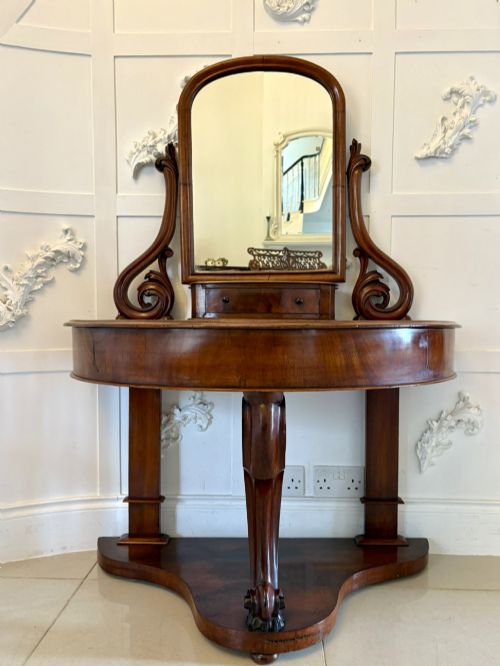
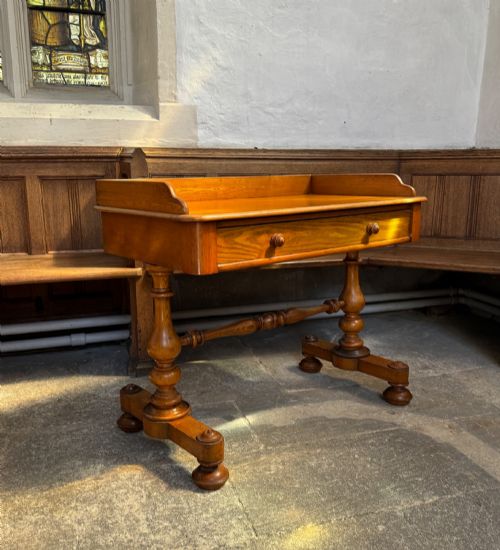
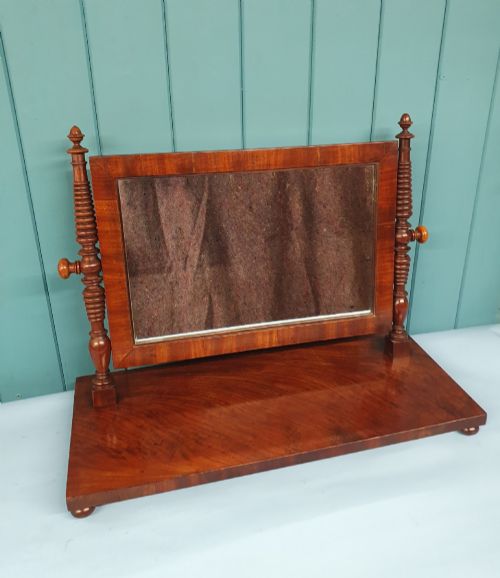
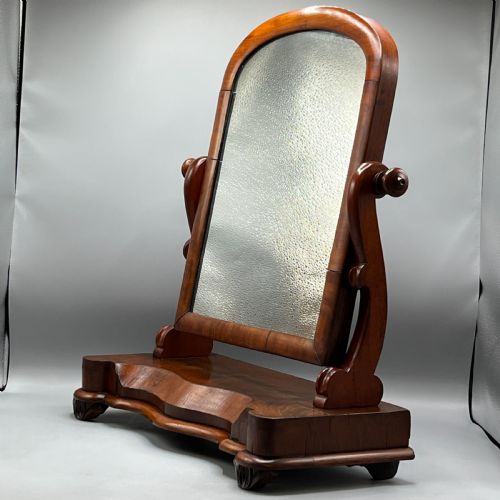
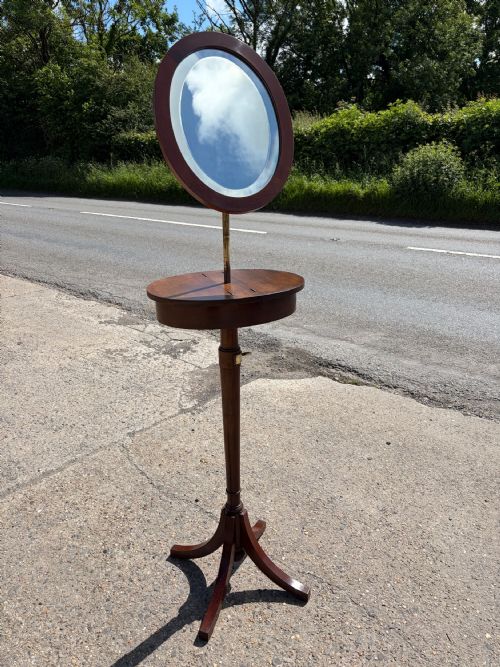
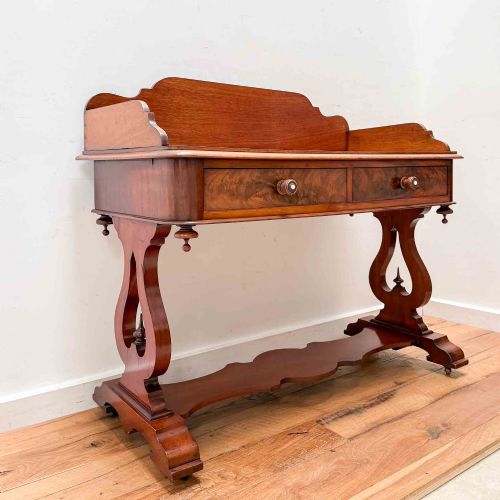
A victorian dressing table base encompasses table mirrors, swing mirrors, and toilet mirrors mounted on carved or supported wooden frames, alongside occasional washstands and side tables. Most examples on this page are tabletop swing mirrors constructed in the nineteenth century, often featuring integrated drawer bases or upright supports.
The selection ranges from compact mahogany shaving mirrors on tripod legs to large oval toilet mirrors and marble-topped variants. Alongside standard mahogany and walnut pieces, the inventory includes pitch pine, satin birch, and teak constructions reflecting diverse regional origins.
Buyers seeking a victorian dressing table base will predominantly encounter mahogany and walnut iterations dating from the mid-to-late nineteenth century. These items frequently display classical revival forms, ranging from simple swing frames to elaborate duchess and bureau configurations.
Materials and construction
Makers relied heavily on solid hardwoods like mahogany, walnut, and teak, frequently utilising flame veneers to create striking grain patterns on drawer fronts and frames. Secondary timbers supported structural elements, while brass fittings and hinges provided functional movement for pivoting mirror plates.
Glass mirror plates were integrated into wooden frames, often supported by scroll-carved uprights and resting on low bun feet or shaped wooden bases. More substantial iterations incorporated white marble slabs into the base structure, adding weight and a contrasting surface texture.
Victorian Dressing Table Base Retail Price Guide 2026
Typical asking prices for victorian dressing table base among the pieces listed under this phrase on Sellingantiques today, from the lower quarter to the upper quarter. They describe what is for sale here now, not the wider market.
Mahogany and walnut dominate the listed items, alongside occasional examples in pitch pine, satin birch, and teak.
Indicators of quality
Quality in a victorian dressing table base is determined by the selection of figured timbers, such as flame mahogany or burr walnut, and the crispness of hand-carved details on the supports. Superior examples exhibit balanced proportions, tight joinery, and well-executed secondary compartments like trinket drawers.
The sophistication of the mechanism - whether a smooth pivoting swing frame, a functional telescopic adjustment, or a stable brass and oak pivot - differentiates standard production pieces from finer workshop commissions. Original mirror glass and intact marble inserts also elevate the standing of the piece.
The Victorian Dressing Table Base Glossary
- Swing mirror
- A mirror plate suspended on vertical pivots between two upright posts, allowing the glass to tilt.
- Toilet mirror
- A smaller tabletop mirror designed to sit atop a chest of drawers or dressing table for grooming.
- Telescopic mirror
- A mirror featuring an adjustable vertical shaft that raises or lowers the glass plate.
- Duchess dressing table
- A large nineteenth-century dressing table style featuring a large central mirror and multiple smaller drawers.
- Bun feet
- A rounded, slightly flattened wooden foot shape frequently seen on mid-nineteenth-century bases.
- Flame mahogany
- A veneer cut from the fork of the mahogany tree, producing a distinctive flickering flame-like grain pattern.
Victorian Dressing Table Base: Frequently Asked Questions
What is a victorian dressing table base used for?
These pieces function primarily as tabletop mirrors or support frames for personal grooming and dressing.
Historically placed upon bedroom chests or dedicated tables, they allowed users to adjust their angle for reflection while offering small drawer space for trinkets.
How do I identify a Victorian mirror?
Identification relies on timber choices such as solid mahogany or walnut, traditional hand-cut joinery, and period-specific proportions.
Look for original mirror glass with slight foxing, heavy timber framing, and turned wooden supports typical of the nineteenth century.
Are marble-topped bases original?
Many nineteenth-century toilet mirrors and washstand bases were paired with marble inserts to provide a durable and stable foundation.
These heavy stone surfaces are characteristic of mid-Victorian designs, particularly on larger dressing mirrors and marble-based wash furniture.
How do I place one in a modern room?
A mirror base sits comfortably on top of modern sideboards, chests of drawers, or dressing consoles to add vertical height.
Their warm wood tones and traditional glass plates provide a contrasting focal point in contemporary bedroom or hallway settings.