
Victorian Dresser Drawers
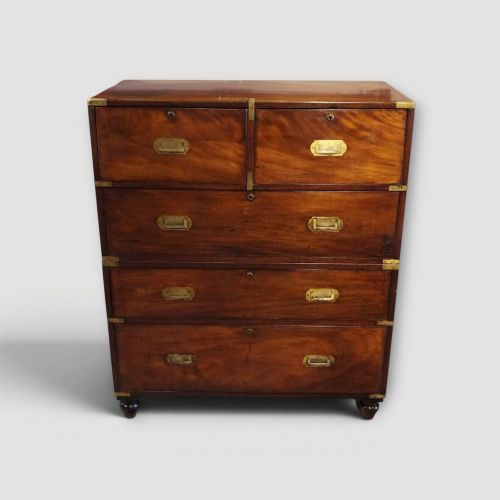
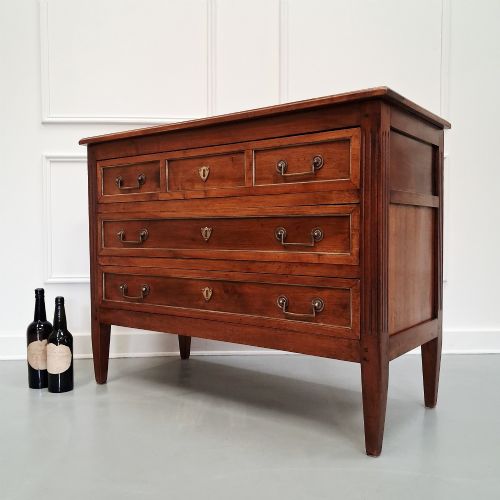
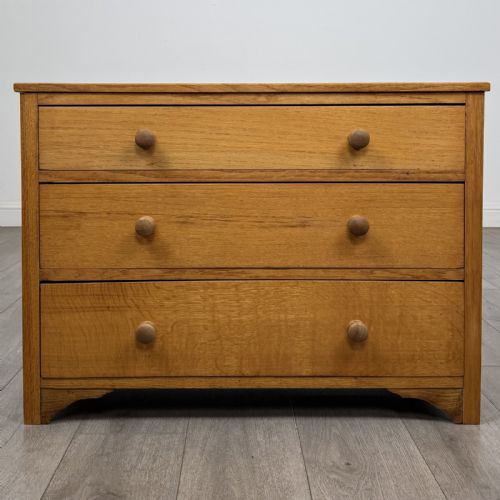
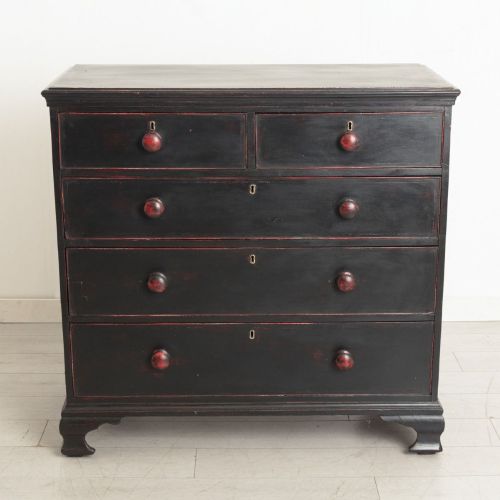
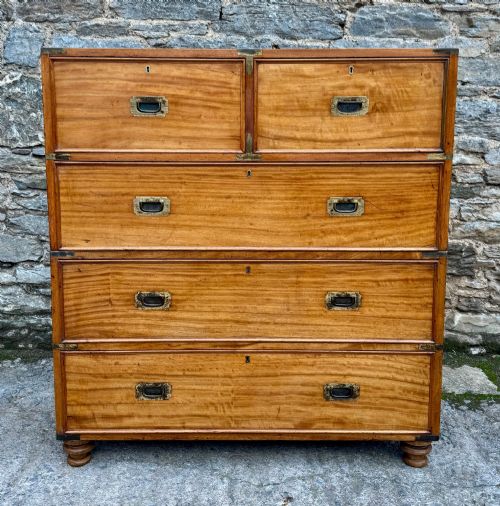
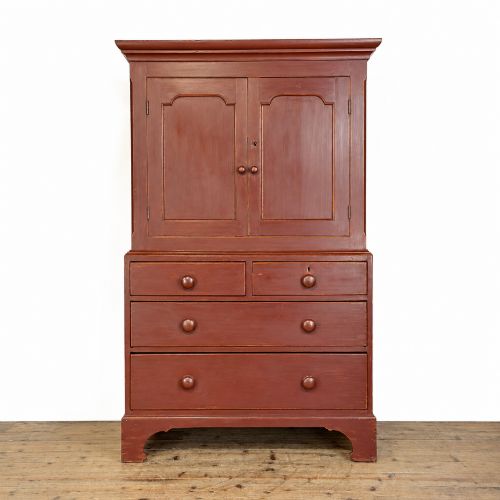
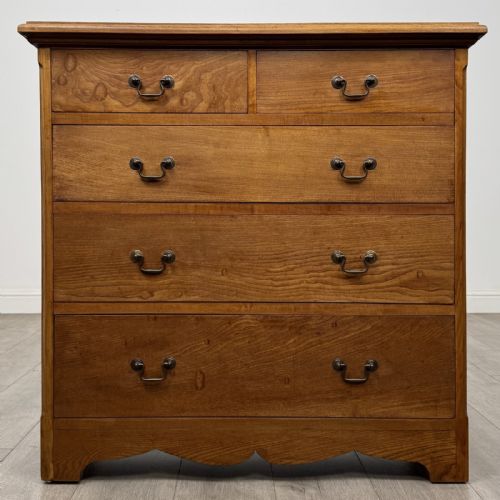
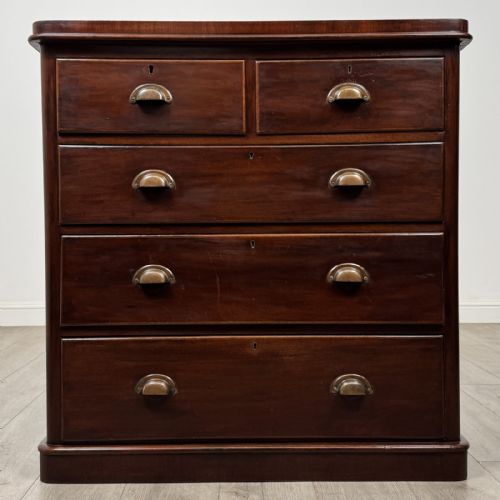
Victorian dresser drawers bring together sturdy pine and rich mahogany forms, offering robust storage shaped by nineteenth-century utility and craftsmanship.
Victorian Dresser Drawers
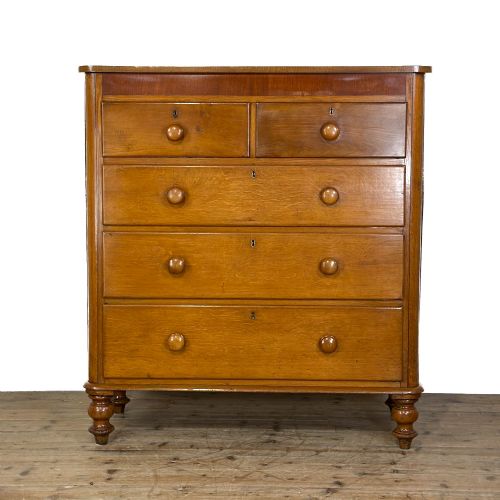
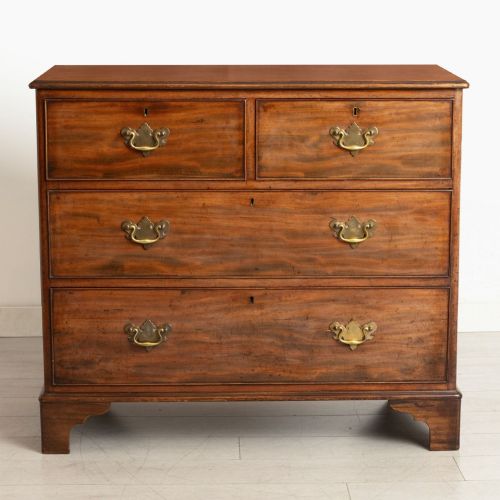
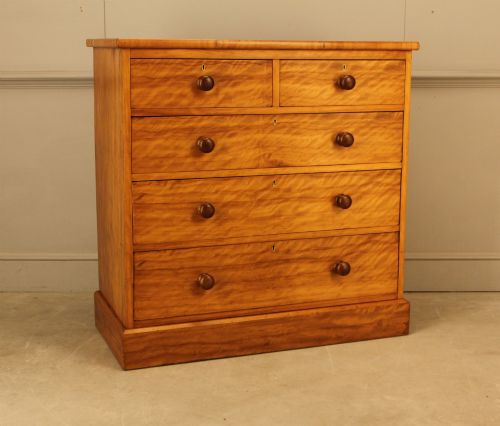
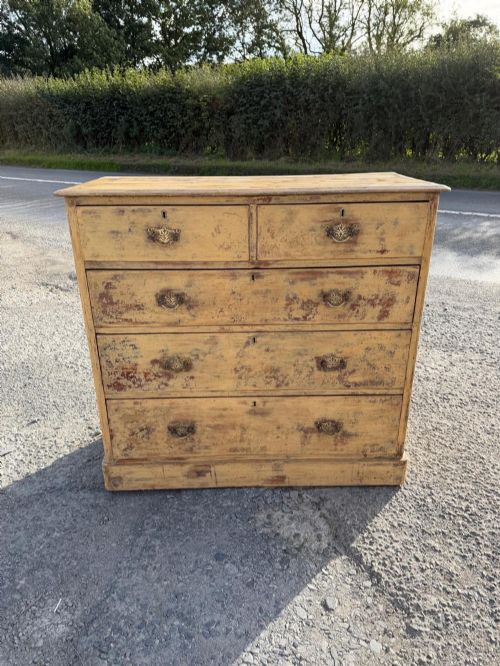
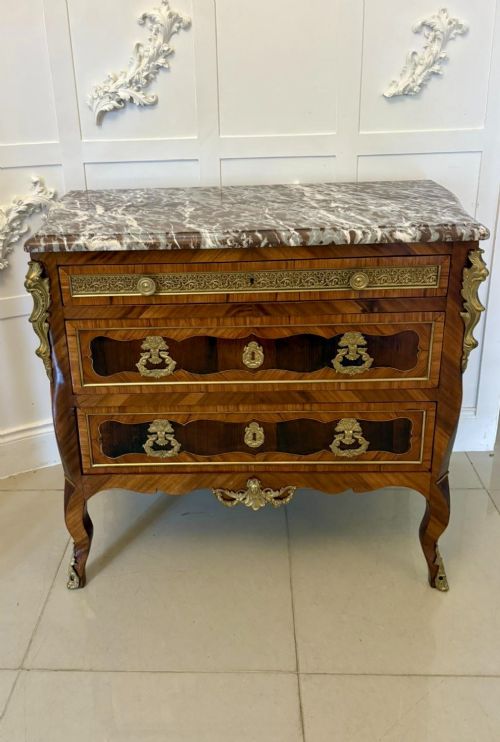
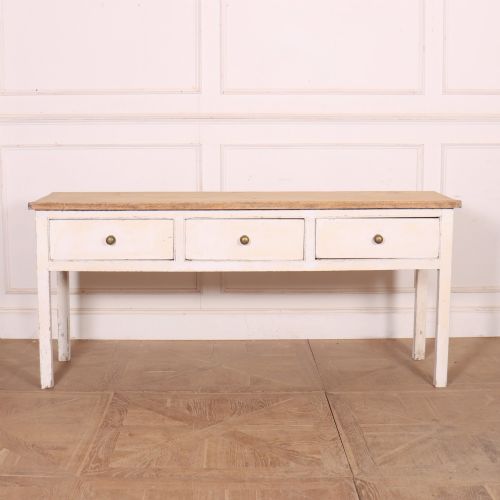
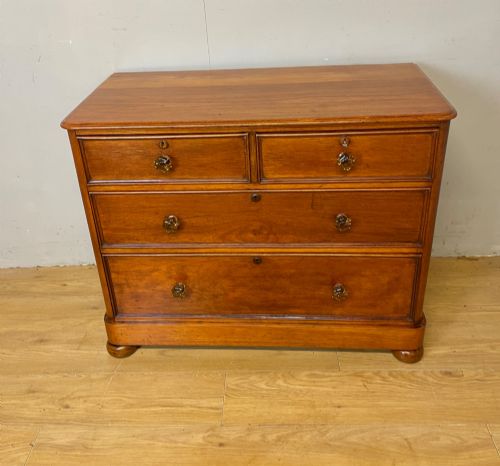
When you search for victorian dresser drawers, you encounter a practical mix of functional storage pieces originating primarily from the nineteenth century. These include standard chests of drawers, kitchen dresser bases, and specialised pine or mahogany storage units built for domestic life.
The versions most frequently met on this page are sturdy pine chests, ranging from scrubbed surfaces to painted finishes, alongside formal mahogany and walnut pieces. Makers utilised various configurations such as two-over-three drawer layouts and bow front profiles to suit the period's domestic requirements.
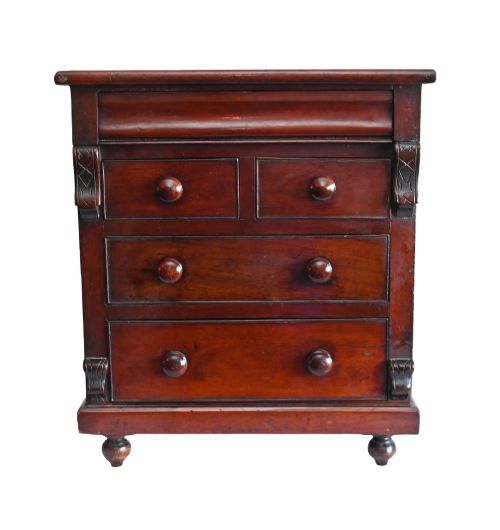
Origins span standard English workshops to Scottish and American regional variants, encompassing styles from plain country pine to Gothic Revival and Biedermeier influences. Each piece reflects the specific storage needs of its nineteenth-century environment, scaled from small apprentice examples to large sideboard bases.
Materials and Construction
Carpenters relied heavily on solid pine for everyday utility pieces and dense mahogany for formal reception rooms, often employing flame mahogany veneer to create striking exterior surfaces on drawer fronts. Secondary timbers such as oak appeared in internal linings, while brass and iron hardware provided functional drawer pulls and escutcheons.
Construction techniques combined traditional joinery with tongue and groove panelling, visible particularly in pine backs and drawer dividers. Surfaces received wax polishing, paint, or simple scrubbing to finish the wood, while specialised forms incorporated turned bun handles and applied decorative carvings like the Green Man grotesque.
Keep an eye out for a Green Man staring out from the timber.
Distinctions in Quality
The division between standard domestic utility furniture and top-tier pieces rests on timber selection and decorative ambition. Figured mahogany veneers and serpentine outlines demand greater joinery skill than straight-fronted pine boards.
Makers identified by branded stamps or workshop labels distinguish themselves from anonymous regional carpentry, while refined proportions and integrated architectural details elevate a piece above basic utilitarian storage.
T & G Seddon·Jas Shoolbred·Harris Lebus of Tottenham
The Victorian Dresser Drawers Glossary
- Bow front
- A convex curved cabinet or chest front that swells outward in the centre, appearing frequently in nineteenth-century mahogany designs.
- Serpentine
- A front contour characterised by a convex centre flanked by concave curves, requiring advanced woodworking precision to construct.
- Apprentice piece
- A miniature version of a standard furniture form made by a trainee craftsman to demonstrate mastery of joinery skills.
- Pot board
- An open lower shelf fitted beneath a dresser base, traditionally used for storing pots and heavy kitchen utensils.
- T & G
- Tongue and groove, a method of fitting planks together edge-to-edge to create flat wooden surfaces for backs and panels.
Victorian Dresser Drawers: Frequently Asked Questions
How do pine and mahogany pieces differ?
Pine examples generally served utilitarian domestic spaces like kitchens and bedrooms, often finished with paint or simple wax polish.
Mahogany items were designed for formal rooms, displaying sophisticated veneers, curved fronts, and finer joinery details.
What is a dresser base?
A dresser base is the lower portion of a kitchen or dining room storage unit, combining multiple working drawers with cupboards or open shelves below.
These functional pieces provided essential workspace and heavy-duty storage for nineteenth-century domestic settings.
How are periods identified?
Periods are determined through a combination of structural materials, secondary woods, hardware styles, and joinery methods.
Nineteenth-century pieces display specific technological shifts, transitioning from hand-sawn pine components to standardised factory production techniques.