
Victorian Drawer Unit
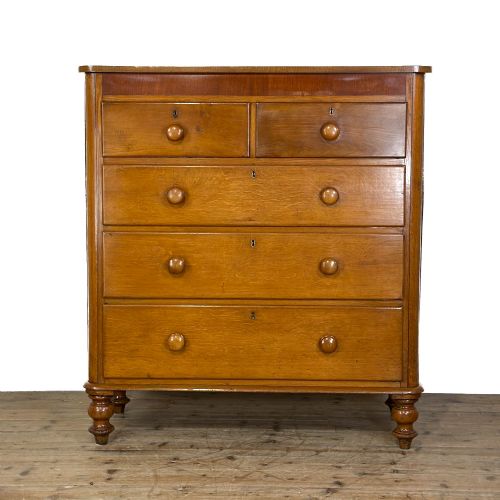
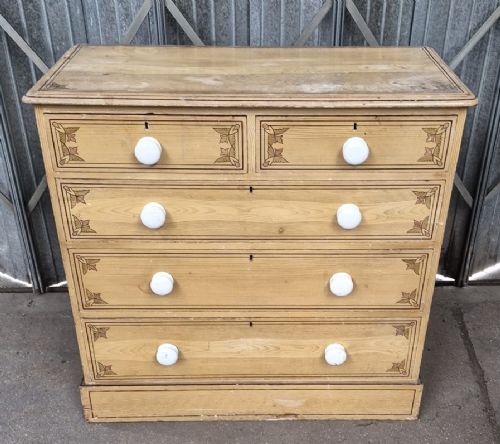
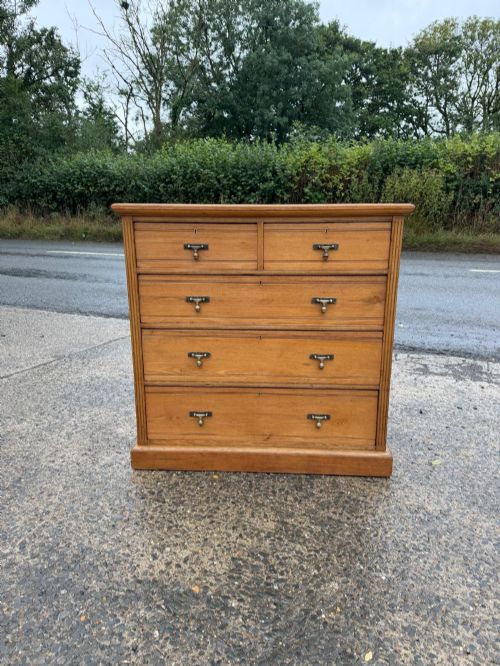
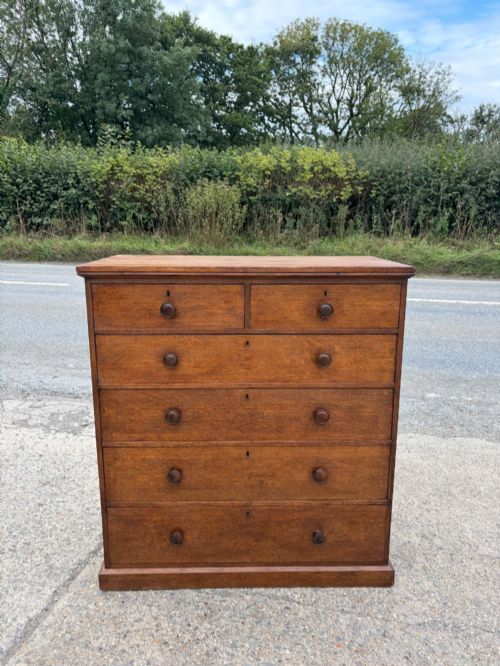
A victorian drawer unit offers practical storage in timber such as pine, oak, and mahogany, spanning periods from the nineteenth century to nineteen twenty.
Victorian Drawer Unit
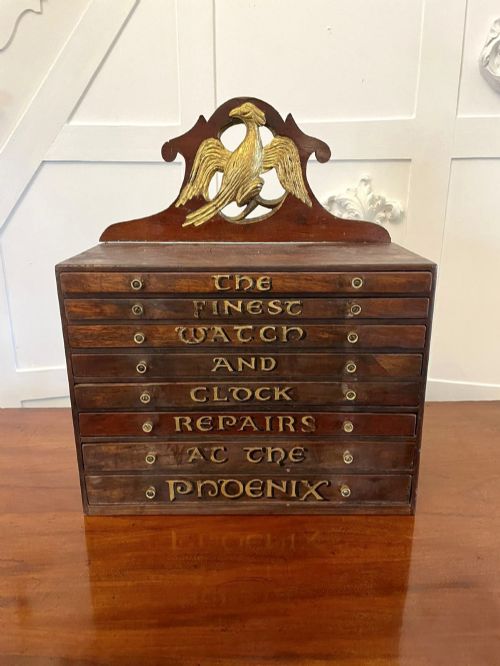
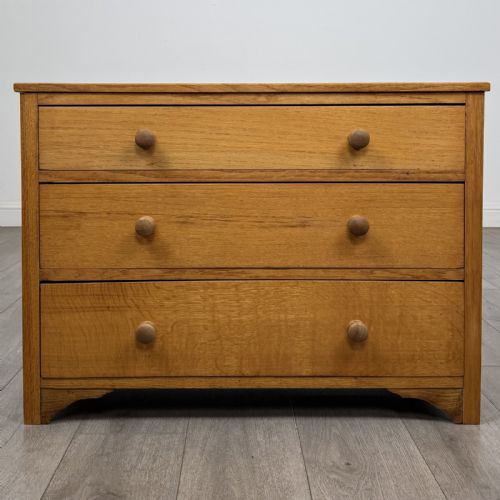
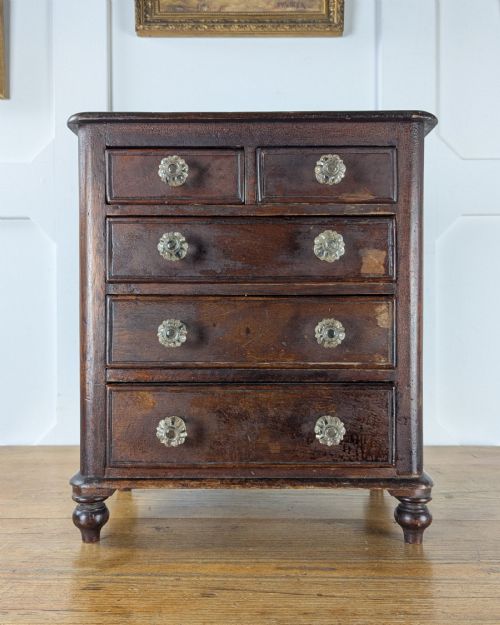
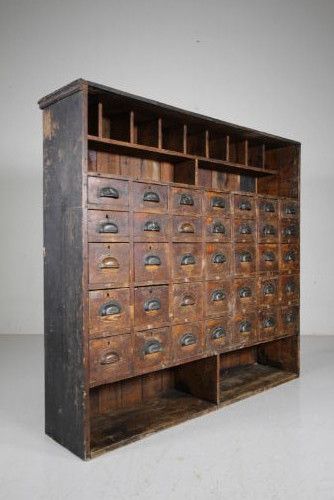
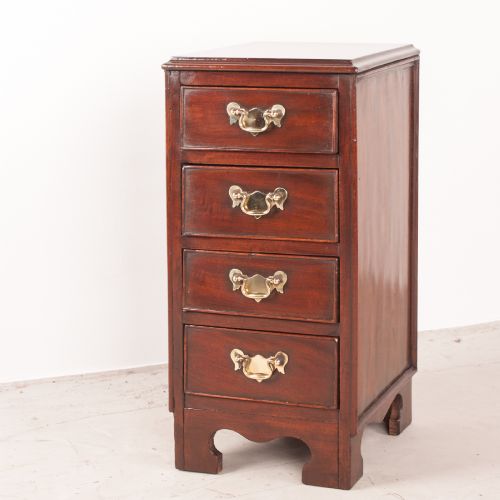
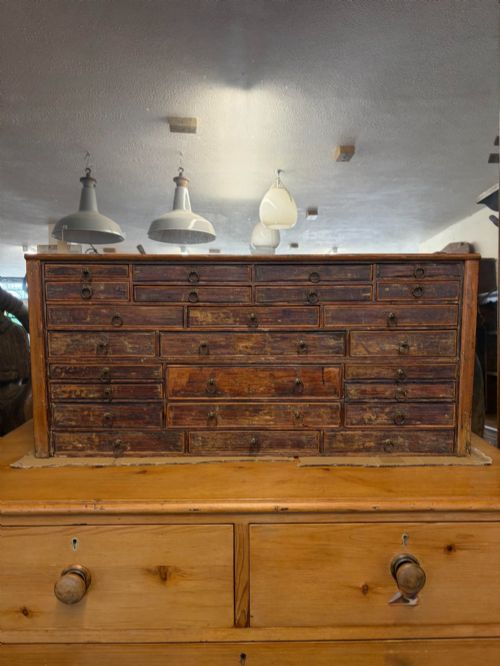
A victorian drawer unit most commonly appears as a chest of drawers, alongside forms such as banks of drawers, miniature furniture, and collectors cabinets. These pieces originate primarily from the nineteenth century, including late Victorian examples and pieces dating around nineteen hundred, alongside related oak and pine items.
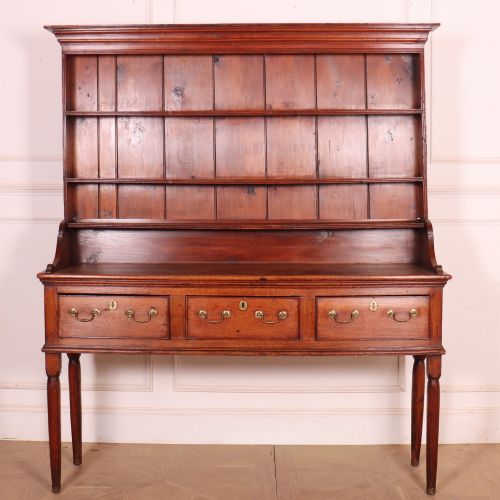
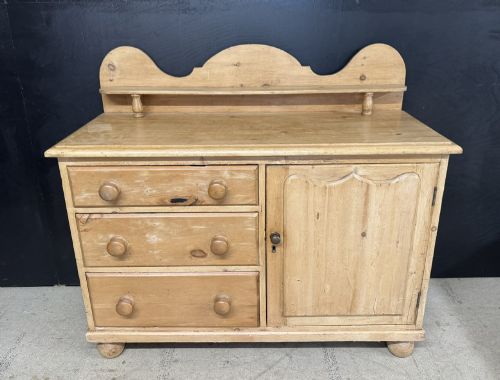
The selection ranges from tall mahogany storage units and flame mahogany chests to compact pine office chests and small trinket storage. Buyers encounter regional variants like English pine dressers and waxed old pine chests alongside walnut configurations.
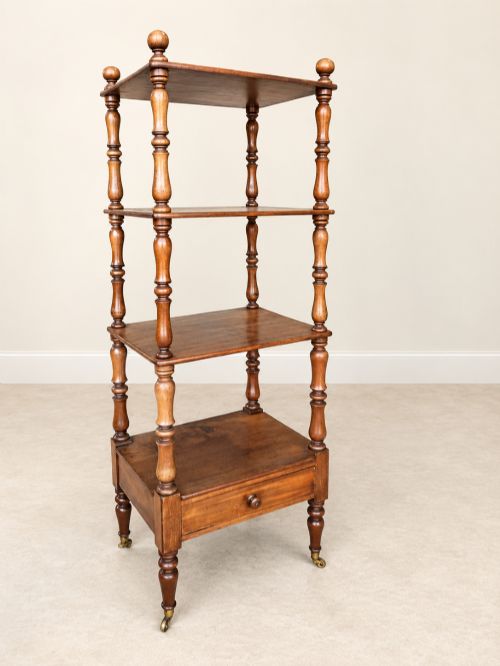
Miniature apprentice chests and specialised units such as florist seed chests provide smaller alternatives to standard drawer configurations. Bookcases and open shelving units also appear within the wider selection of storage furniture.
Materials and Construction
Timbers form the core of these pieces, utilising solid mahogany, oak, pine, and burr walnut alongside painted surfaces. Cabinetmakers joined drawer boxes and frames using traditional carpentry methods suited to domestic and office utility.
Hardware details include brass knob handles, brass acorn handles, and turned feet that complement the timber structures. Finishes range from wax polish on pine to flame mahogany veneers and stained surfaces on collectors cabinets.
Form variations include multi-drawer botanical banks, bedside cabinets, washstands, and miniature apprentice chests.
Quality and Character
The distinction between tiers rests upon timber selection, such as figured flame mahogany or burr walnut versus standard painted pine. Finer pieces display carefully matched veneers and intact original hardware like brass acorn handles.
Proportion and scale influence desirability, separating grand large banks of drawers and tall chests from miniature apprentice pieces and small trinket storage. The integrity of the original surface finish, whether waxed pine or polished mahogany, defines the condition standard.
The Victorian Drawer Unit Glossary
- Wellington chest
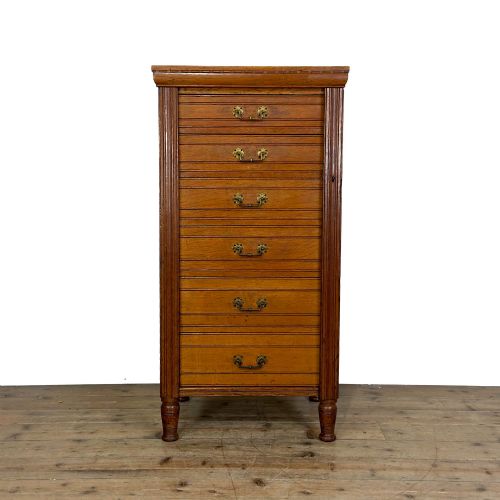
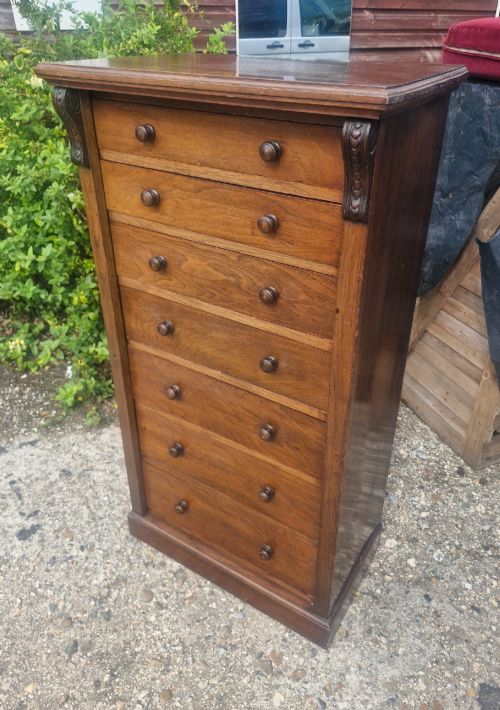
- A tall, narrow chest of drawers secured by a hinged vertical locking flap on one side. This design originated in the nineteenth century for efficient paper and linen storage.
- Bank of drawers
- A multi-drawer unit containing numerous small compartments designed for commercial, office, or botanical storage. Examples range from florist seed chests to large apothecary banks.
- Apprentice chest
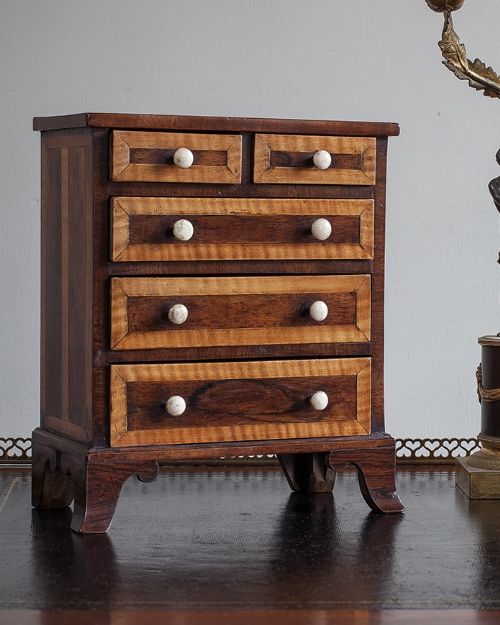
- A small scale model of a chest of drawers constructed by a woodworker to demonstrate proficiency. These miniature pieces feature fully operational drawers.
- Flame mahogany
- A distinct timber veneer cut from the branch junction of a mahogany tree, creating a feathery, flamelike grain pattern. Cabinetmakers utilised this on primary display surfaces.
- Burr walnut
- Timber harvested from walnut tree growths, producing an intricate, swirling grain pattern. It appears on polished nineteenth century cabinets and bookcases.
Victorian Drawer Unit: Frequently Asked Questions
What is a Wellington chest?
A Wellington chest is a tall, slender drawer unit featuring a hinged wooden locking stile down one side that secures all the drawers when locked in place.
Originally designed in the nineteenth century, these pieces provide deep vertical storage while occupying minimal floor space in a bedroom or study.
How do I identify a miniature apprentice chest?
Apprentice chests are scaled down versions of full sized drawer units, measuring significantly shorter while retaining working drawers and dovetailed construction.
Cabinetmakers built these smaller pieces to showcase their joinery skills to guild masters rather than for actual domestic furniture use.
What timber was used for Victorian drawer units?
Cabinetmakers utilised a variety of woods depending on the intended function and social tier of the furniture. Mahogany and burr walnut served formal rooms, while pine and oak fulfilled utilitarian domestic or office roles.
Veneers of flame mahogany frequently decorated the primary drawer fronts of high status chests.
Where were banks of drawers used?
Banks of drawers served commercial, institutional, and trade environments for sorting small goods, paperwork, or botanical specimens. Florists, offices, and collectors utilised these multi-drawer units to maintain organised archives.
Today, buyers place them in studies and kitchens for versatile modern storage.