
Victorian Dog Statues
Victorian dog statues bring the character and loyalty of domestic and sporting breeds into interior spaces through enduring ceramic and metal forms.
Victorian Dog Statues
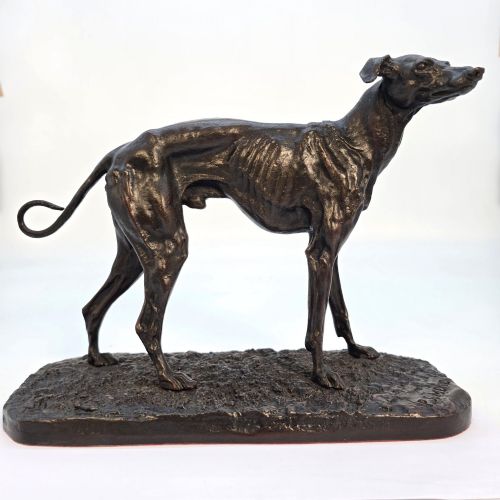
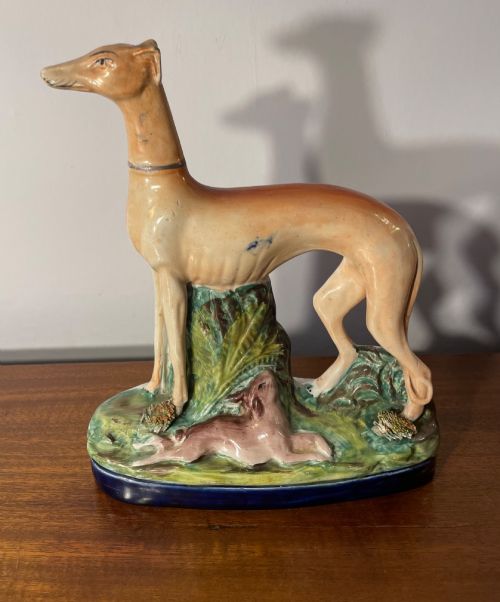
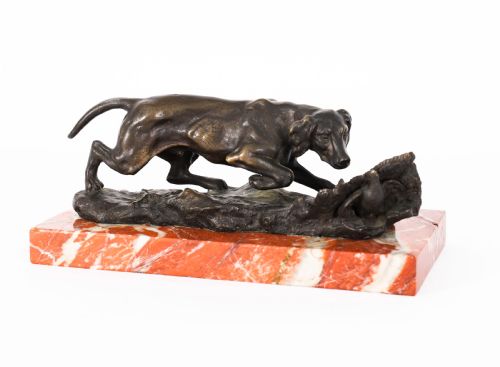
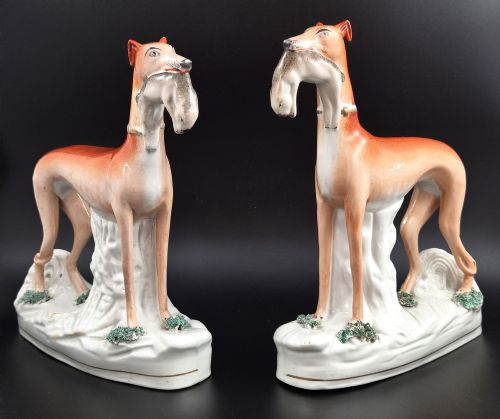
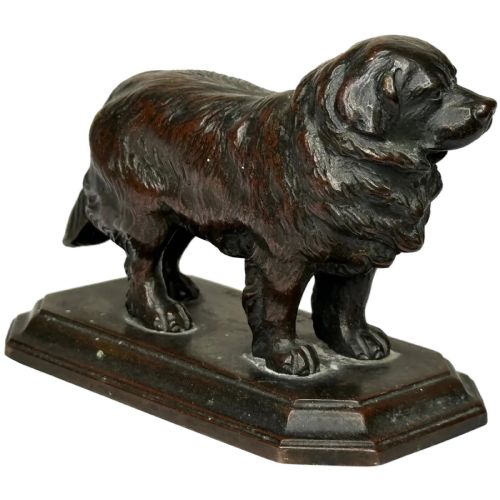
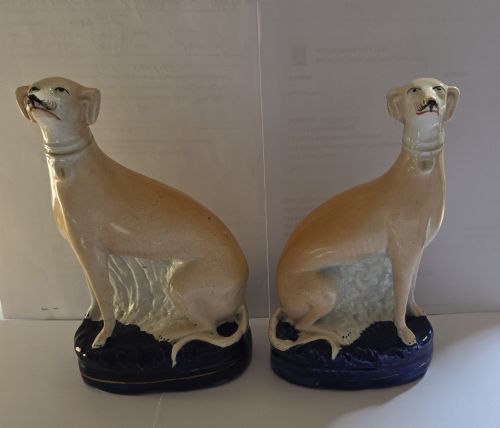
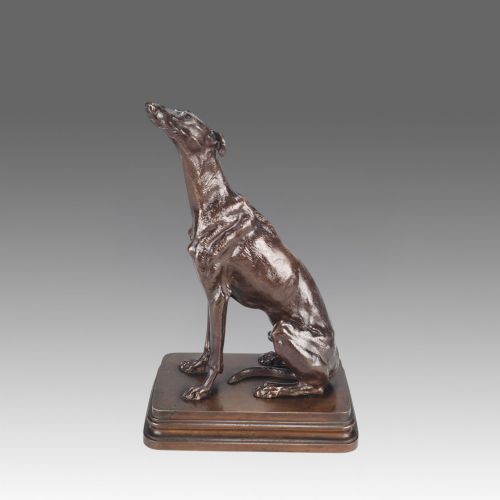
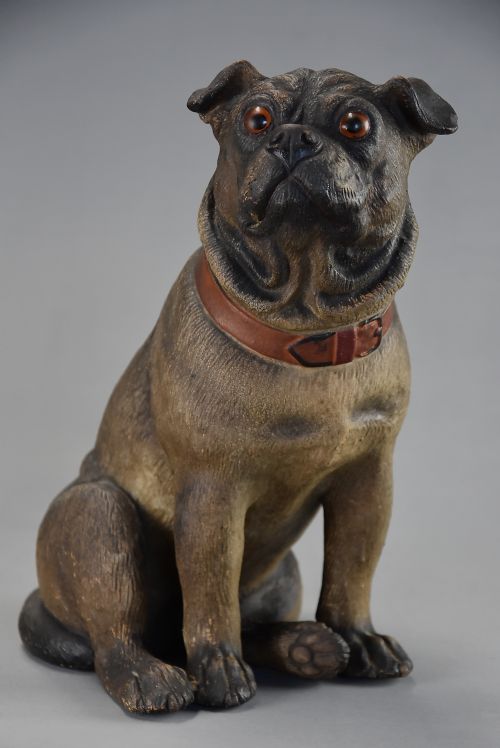
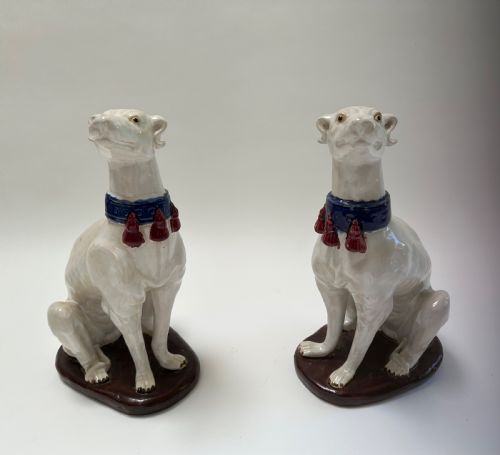
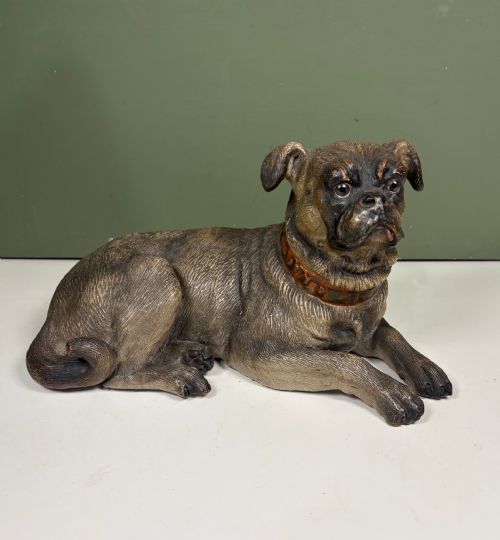
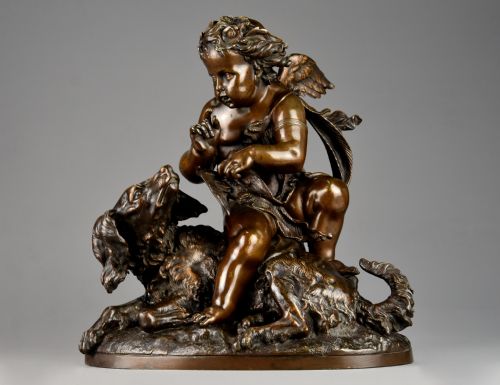
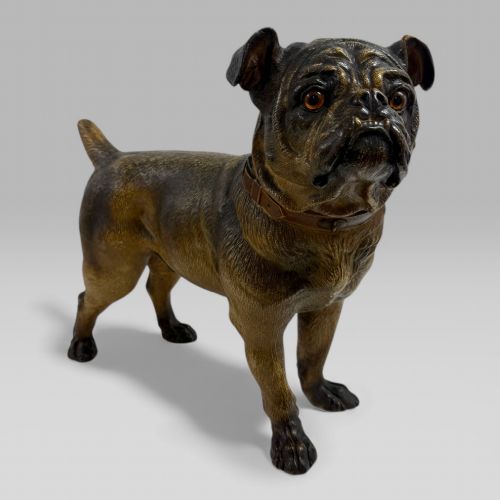
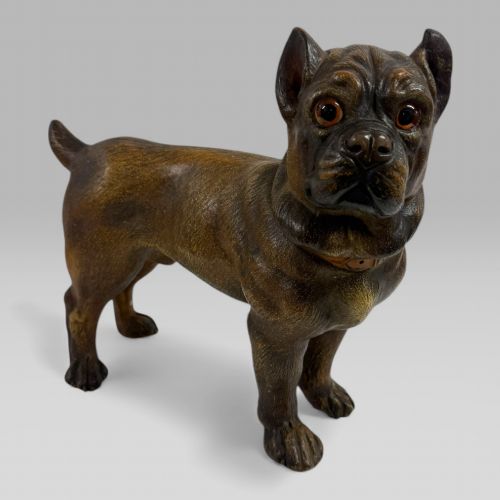
When you search for victorian dog statues, you encounter a diverse range of sculptural objects depicting poodles, greyhounds, pugs, spaniels and various hunting hounds. These pieces primarily manifest as ceramic earthenware figures, cast bronzes, terracotta models and parian sculptures originating from British, French, Austrian and Italian workshops.
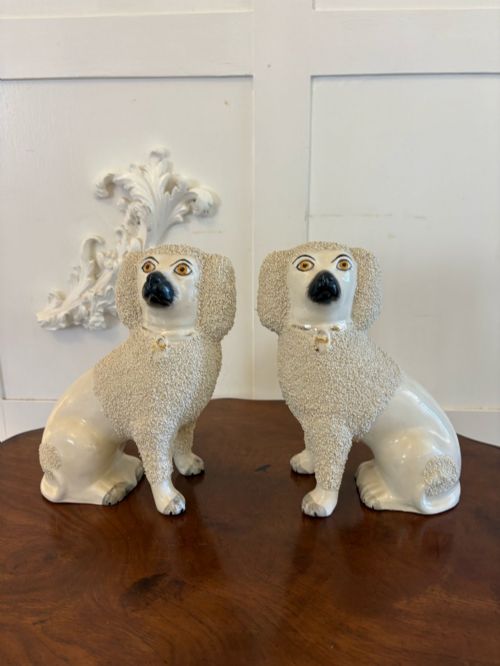
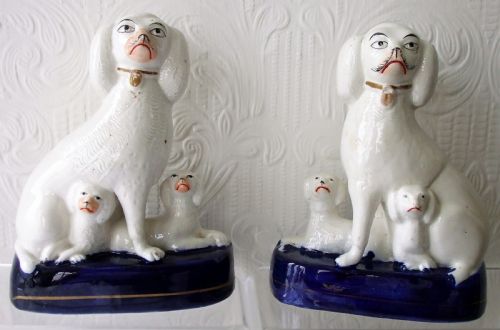
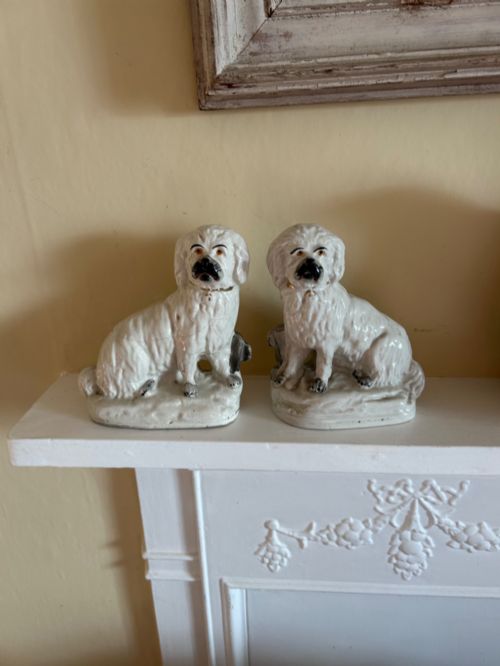
The most common examples on this page are Staffordshire pottery figures designed as mantel ornaments, often modelled as seated pairs facing each other. Alongside these earthenware pairs, collectors frequently find continental animalier bronzes and terracotta sculptures capturing specific canine breeds with naturalistic detail.
Materials and construction methods
Pottery and earthenware figures were typically slip-cast or pressed in moulds, then hand-painted with glazes and enamels before undergoing kiln firing. Some woolly poodles utilised specialised clay applications or sanded surfaces to simulate textured fur.
Metal sculptures relied on the lost-wax casting method for bronze, allowing intricate rendering of muscular forms and coats, sometimes finished with cold-painted polychrome decoration. Terracotta models were pressed into moulds and fired, offering a warm earthen medium that accommodated both cabinet-sized figures and life-size sculptures.
Functional forms among the pottery pieces include quill holders, bookends, and paperweights alongside standard decorative figures.
Factors of distinction
Original surface decoration significantly influences the standing of a piece, whether through carefully preserved hand-painting on earthenware or the rich patination developed on bronze and terracotta over decades. Matched pairs with uniform sizing and balanced decoration command greater appreciation than assembled mismatched groups.
Carl Kauba·Alfred Dubucand·Pierre Jules Mene·Prosper Lecourtier·Jules Moigniez·Bright And Sons·John Durham·Auguste Nicholas Cain
The Victorian Dog Statues Glossary
- Animalier
- A nineteenth-century artistic movement focused on the realistic depiction of animals, particularly predators and sporting dogs. Practitioners of this style prioritised anatomical precision and dynamic movement.
- Staffordshire pottery
- Earthenware figures produced in the pottery districts of Staffordshire, England, widely utilised for domestic mantelpiece decoration. These domestic ornaments frequently depicted poodles, greyhounds and spaniels in matched pairs.
- Parian
- A fine-grained, unglazed porcelain resembling white marble, developed during the nineteenth century for classical and figurative statuary. It allowed manufacturers to replicate the smooth finish of carved stone at a commercial scale.
- Cold-painted bronze
- Metal sculptures decorated with paint applied after the casting and heating process, rather than fired into a glaze. This technique permitted vibrant coloration on small decorative figures and animal models.
- Terracotta
- Fired clay used extensively for sculptural models, identifiable by its porous reddish-brown body. Austrian and French makers utilised this medium for expressive canine figures ranging from miniature ornaments to life-size works.
Victorian Dog Statues: Frequently Asked Questions
What dog breeds appear most often?
Staffordshire pottery selections predominantly feature poodles, greyhounds, spaniels, pugs and terriers modelled as domestic ornaments. Bronze and terracotta works tend to showcase sporting breeds like setters, hounds and sighthounds.
These variations reflect the differing purposes of the materials, where earthenware served hearth-side decoration and metal or terracotta captured the active stances of hunting dogs.
How were Staffordshire dog figures displayed?
Makers designed earthenware dog figures in mirrored pairs to sit upon mantelpieces on either side of a fireplace clock or centrepiece. This symmetrical placement was a standard feature of nineteenth-century domestic interior arrangement.
Single figures and smaller poodles or pugs often served as desktop ornaments, paperweights or decorative shelf accents rather than hearth displays.
Are these figures solid or hollow?
Staffordshire pottery figures and terracotta models are generally hollow, formed through press-moulding or slip-casting techniques to ensure even drying and firing in the kiln. Cast bronze sculptures may be solid in smaller pieces or hollow cast using the lost-wax method for larger works.
This construction method kept weight manageable for domestic display while maintaining structural stability across varying object sizes.
How do I identify continental bronzes?
Continental animalier bronzes from the nineteenth century typically bear foundry stamps, artist signatures along the naturalistic base, and distinct patination ranging from dark brown to golden tones. French and Austrian workshops specialised in these dynamic sporting subjects.
Examining the underside and casting seams reveals the technical execution characteristic of European bronze foundries of that period.