
Victorian Dining Silver
Victorian dining silver comprises table wares and service pieces in sterling silver and silver plate designed to furnish formal nineteenth-century dining tables.
Victorian Dining Silver
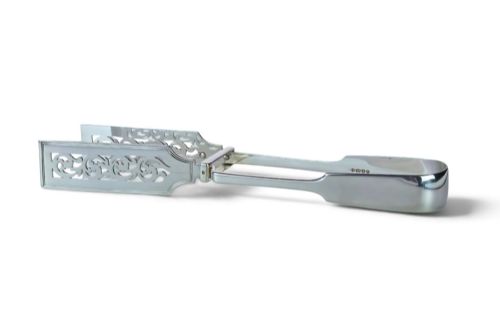
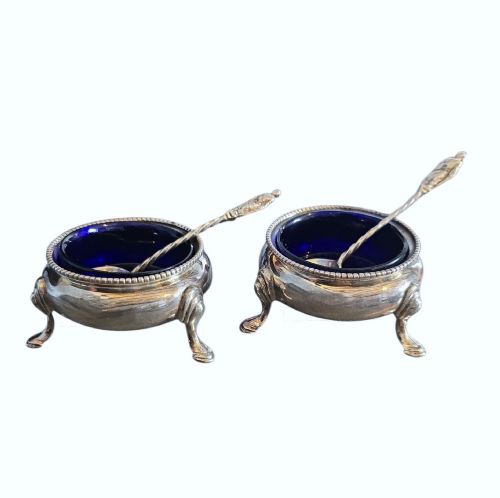
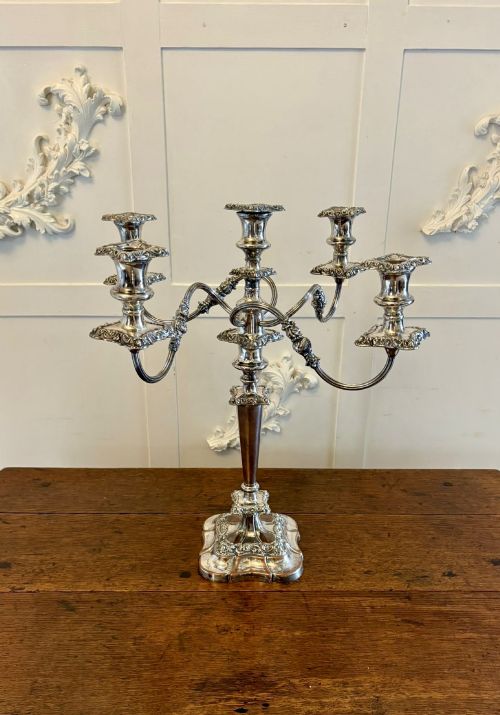
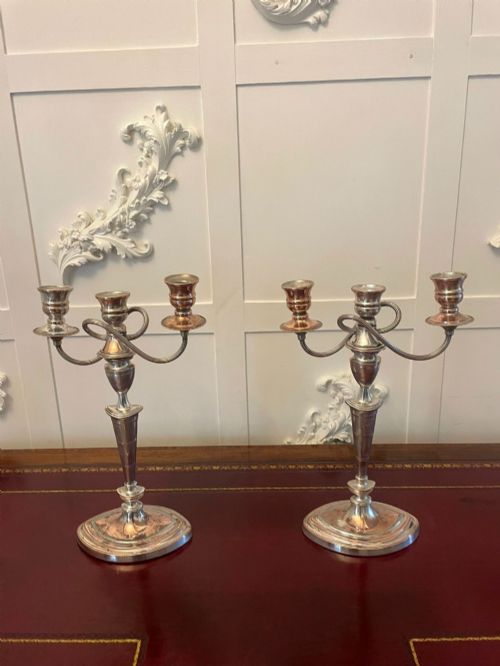
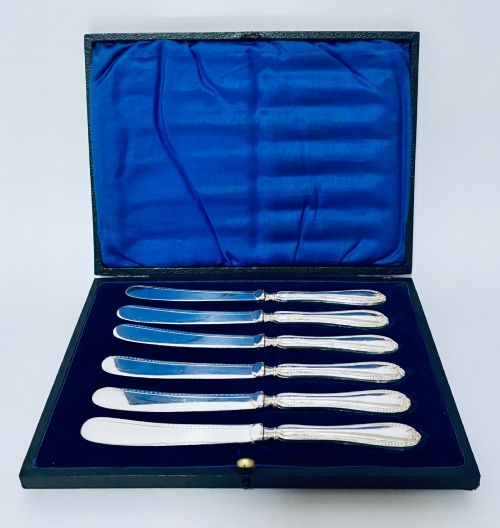
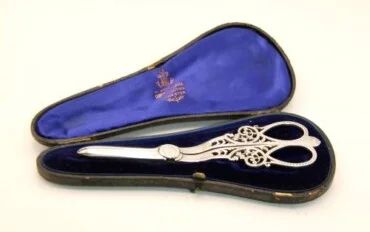
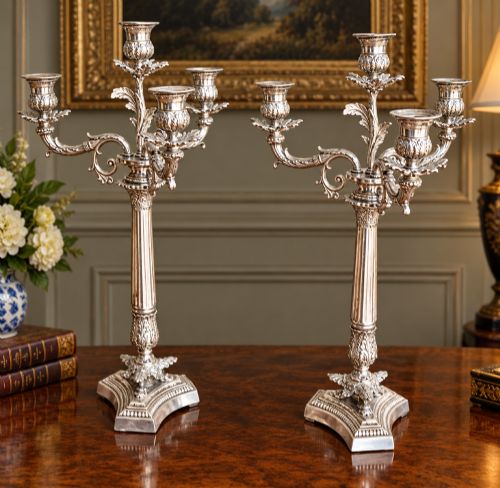
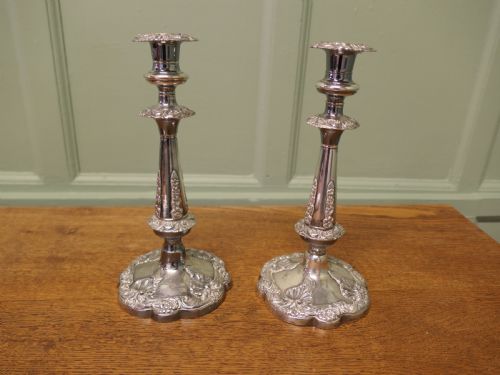
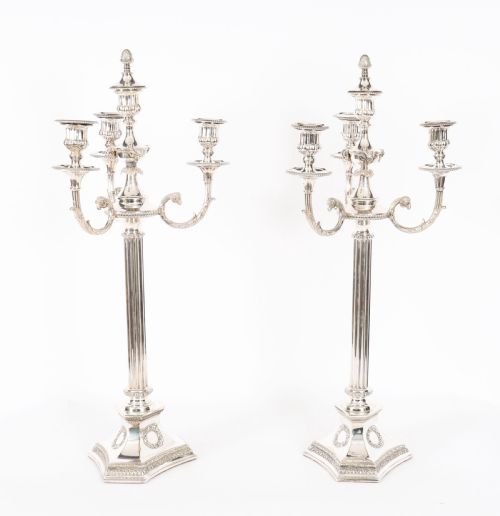
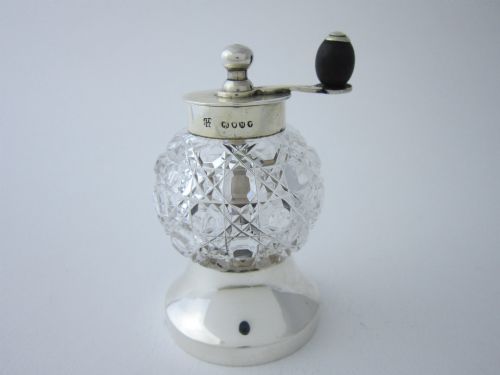
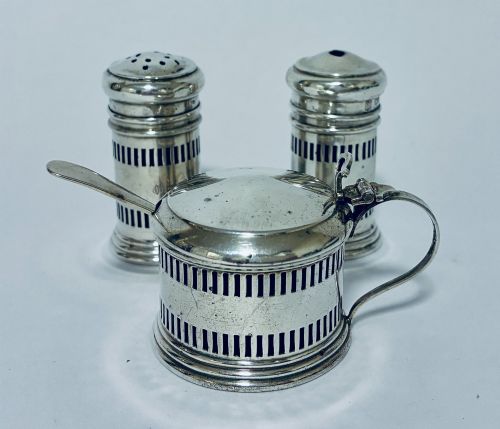
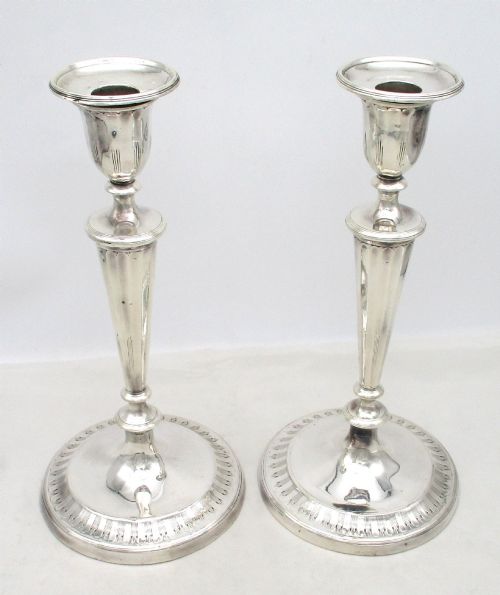
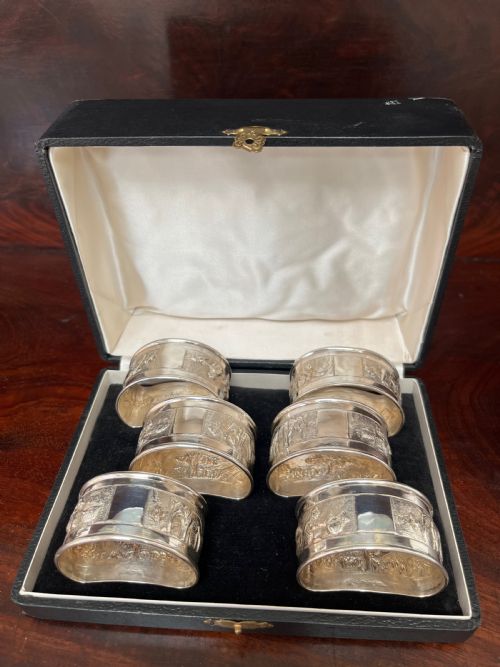
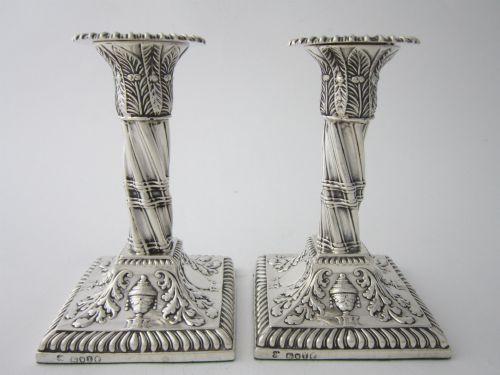
When seeking victorian dining silver, buyers encounter an array of functional table accessories spanning the middle and late nineteenth century. Candlesticks, candelabras, cruet sets, napkin rings, and serveware dominate the forms recorded in this inventory.
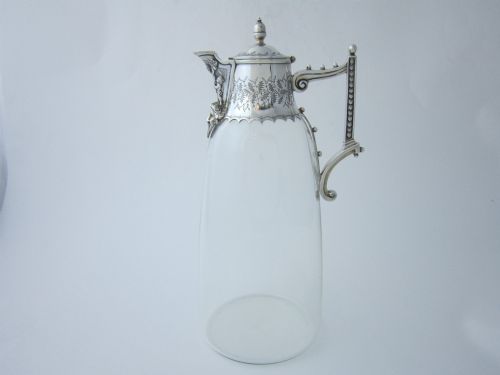
The objects reflect the formal dining rituals of the period, incorporating specialised implements such as salt cellars, knife rests, and claret jugs alongside standard cutlery and centerpieces. Most pieces date from the Victorian era proper, supplemented by related nineteenth-century styles.
How they were made
Silversmiths utilised sterling silver and silver plate, frequently combining metalwork with cut glass, wood, and velvet. Manufacturing techniques included casting, chasing, and plating base metals to achieve ornate decorative schemes.
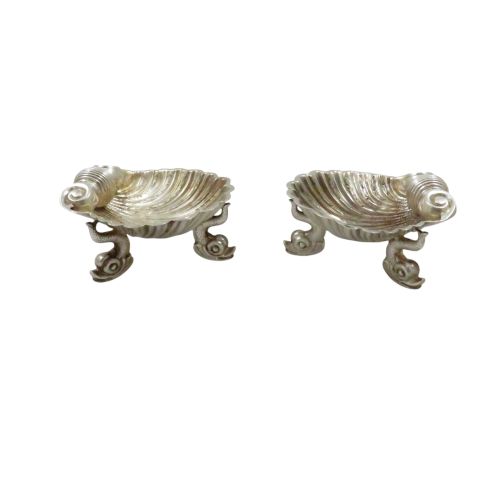
Specialised items incorporate applied ornamentation such as dolphin feet, snake handles, and sphinx motifs, reflecting contemporary revival styles.
Listings include sterling silver, silver plate, cut glass, wood, velvet, and metal across Victorian, Edwardian, and Georgian periods.
What varies in quality
Quality rests upon the crispness of the chasing, the weight of the metal, and the integrity of any applied plating or glass liners. Pieces displaying sculptural detail, such as figural knife rests or ornate candelabras, demonstrate superior craftsmanship.
Condition involves the preservation of original surfaces, hallmarks, and structural stability across complex assemblies like multi-light candelabras and cruet frames.
Garrard & Co
The Victorian Dining Silver Glossary
- Sterling silver
- A standard alloy consisting of silver and other metals, typically copper, possessing a specific millesimal fineness. It forms the primary material for high-grade nineteenth-century tableware.
- Silver plate
- A manufacturing method involving a thin layer of silver bonded to a base metal core. This technique allowed makers to produce ornate dining wares at a lower material cost.
- Cruet set
- A matched collection of glass bottles or containers held in a metal frame for holding condiments at the table. These sets often include mustard pots, pepper castors, and oil cruets.
- Candelabra
- A branched candlestick designed to hold multiple tapers simultaneously. Elaborate examples served as central table decorations during formal meals.
- Serveware
- Specialised utensils and vessels used for distributing food and drink during dining service. Examples include fish servers, sauce boats, and marrow scoops.
Victorian Dining Silver: Frequently Asked Questions
What is victorian dining silver used for?
These pieces serve as functional tableware and decorative objects for formal dining settings. They include lighting fixtures, condiment holders, and serving utensils designed for nineteenth-century meal service.
Today, collectors utilise these items to furnish traditional dining rooms or incorporate period silver into contemporary table displays.
How do I identify sterling silver from silver plate?
Examination of the metal reveals distinguishing hallmarks stamped into the surface, denoting the assay office, standard, and maker for sterling pieces. Silver plate items typically lack these specific silver standard marks and may show base metal beneath worn plating.
Weight and surface wear also provide clues to the underlying construction of each piece.
What styles appear in nineteenth-century dining silver?
The inventory records classical revival, neoclassical, and egyptian revival aesthetics applied to functional tableware. These designs draw upon historical motifs such as columns, sphinxes, and classical scrolls.
Makers integrated these decorative vocabularies into candlesticks, knife rests, and candelabras.
How should I care for antique silver and plate?
Regular dusting and careful cleaning with appropriate silver polishes maintain the surface lustre without damaging thin plating or delicate chasing. Avoiding abrasive materials preserves the original finish on both sterling and plated items.
Proper storage away from high humidity prevents excessive tarnish accumulation.