

Victorian Dining Room Set
These groupings of victorian dining room set pieces bring together matched seating and tables created to anchor period interiors.
Victorian Dining Room Set
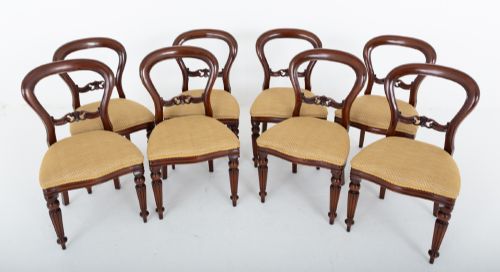
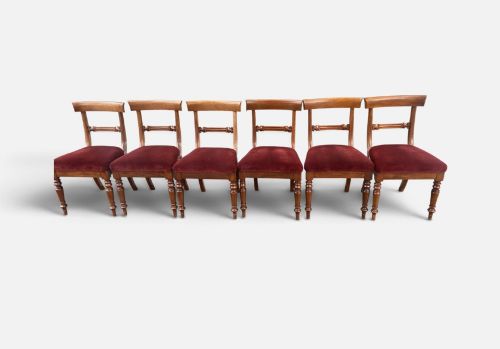
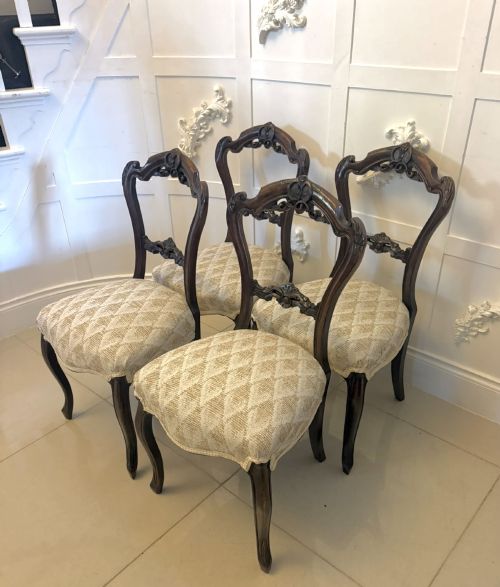
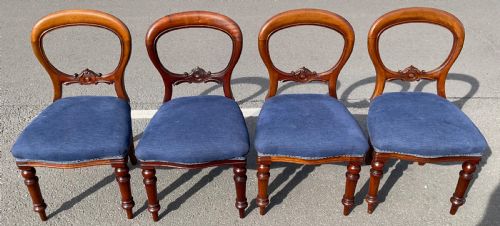
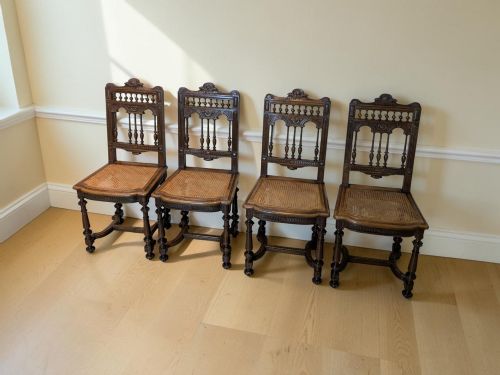
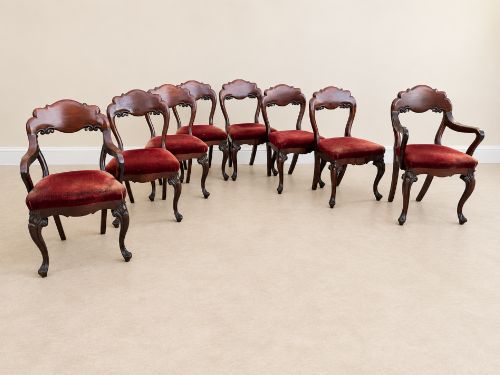
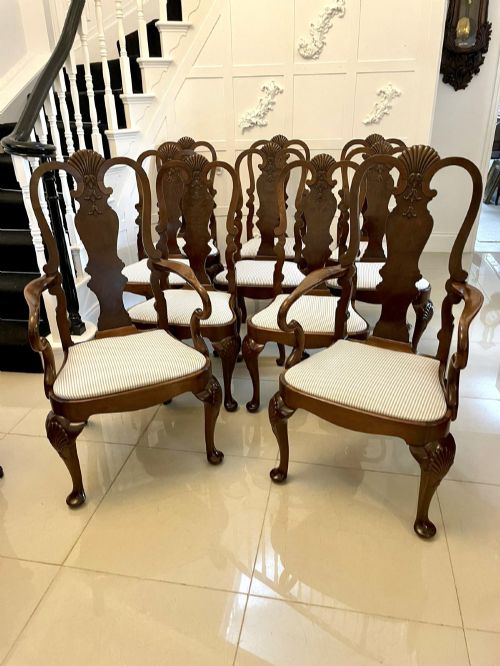
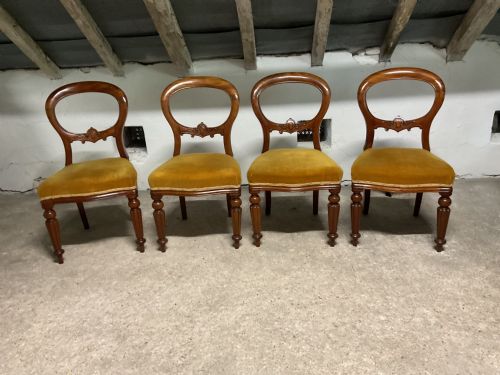
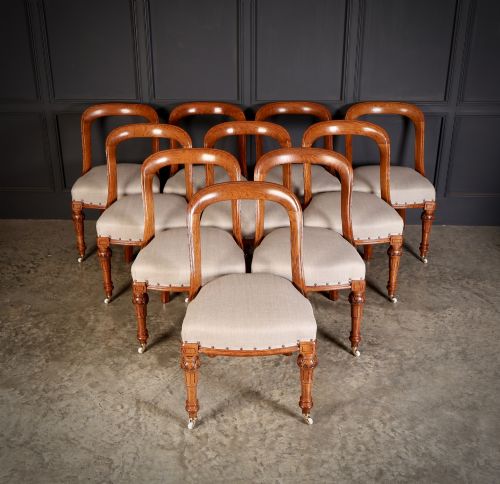
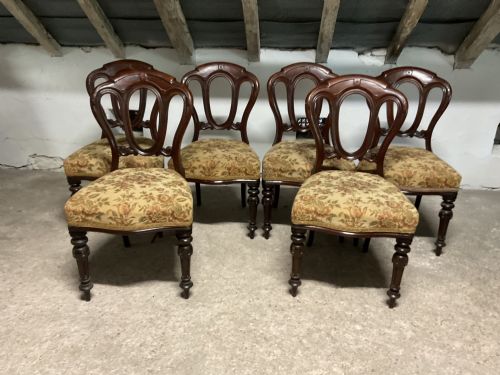
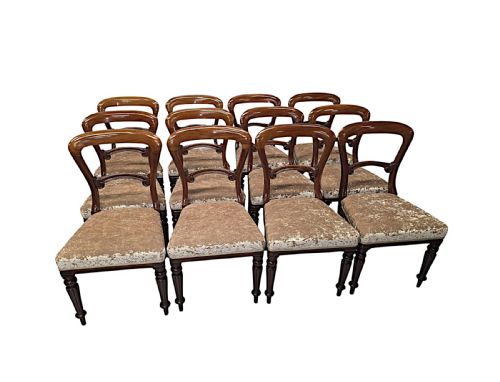
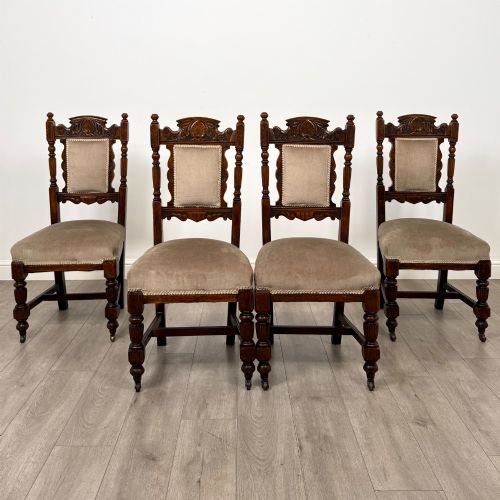
A victorian dining room set typically comprises matched suites of dining chairs and tables originating from the nineteenth century. Buyers searching this phrase encounter predominantly sets of dining chairs fashioned in mahogany, walnut, oak, and rosewood, often numbering four to twelve pieces.
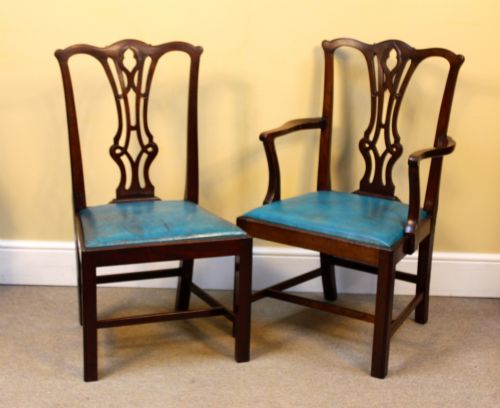
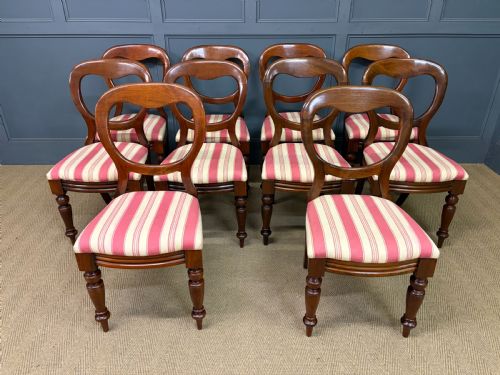
The selections span early Victorian manifestations through to later revival aesthetics, including Chippendale Revival, Gothic Revival, and William IV influences. Balloon back forms appear frequently among the mahogany and walnut iterations recorded in the evidence.
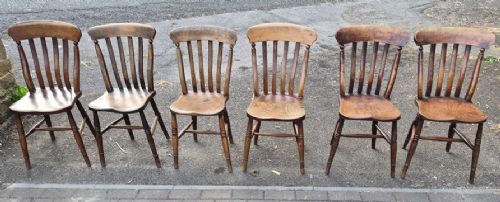
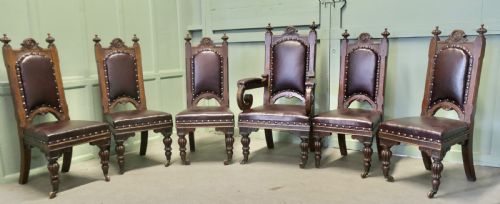
Sets frequently divide into single chairs and carvers, providing host seating alongside standard table chairs. Elm, ash, and rush seat variants also occur, reflecting regional Thames Valley traditions alongside formal timber dining furniture.
Materials and construction
Cabinet makers utilised dense hardwoods such as mahogany, walnut, rosewood, and oak for structural stability and rich grain figures. These timbers were carved, turned, and joined to construct sturdy frames capable of withstanding daily dining use.
Upholstery elements incorporate traditional textiles including fabric, leather, velvet, and needlepoint seats, sometimes paired with padded backs or brass detailing. Rush seating and spindleback construction also appear in vernacular regional chair production.
Victorian Dining Room Set Retail Price Guide 2026
Typical asking prices for victorian dining room set among the pieces listed under this phrase on Sellingantiques today, from the lower quarter to the upper quarter. They describe what is for sale here now, not the wider market.
Listings feature woods such as mahogany, rosewood, walnut, and oak paired with fabrics, leather, and rush seats.
Distinguishing quality
The refinement of the timber carving separates standard production from exceptional examples, with crisp floral or foliate motifs indicating superior workshop output. Wood selection also dictates visual depth, where well-figured mahogany or richly polished rosewood elevates the appearance of a set.
Completeness and uniformity across a larger grouping influence desirability, particularly when singles and carvers retain matching proportions. The integrity of the original timber frames and the execution of traditional joinery remain fundamental indicators of standard.
Gillows·Lamb of Manchester·Holland And Sons
The Victorian Dining Room Set Glossary
- Balloon back
- A chair back shaped in a continuous curved loop resembling an inflated balloon. This design gained immense popularity during the nineteenth century.
- Carver
- An armchair designed to sit at the head of a dining table, usually matching the smaller single chairs in a set.
- Harlequin set
- A collection of chairs that share similar regional styles or materials rather than being carved from the exact same workshop batch.
- Needlepoint
- Stitched textile worked over canvas mesh, commonly utilised for durable and decorative nineteenth century seat covers.
- Spindleback
- A chair back constructed with multiple thin, turned wooden uprights supporting the top rail.
Victorian Dining Room Set: Frequently Asked Questions
What defines a complete dining set?
A complete dining set comprises multiple matching chairs, frequently accompanied by a centre dining table for formal entertaining.
Such groupings ensure a unified visual aesthetic across the dining interior.
How do I distinguish walnut from mahogany?
Walnut typically displays a warmer, more figured grain pattern with rich brown tones.
Mahogany tends toward darker reddish-brown hues with a straight, dense grain structure.
Were carver chairs used daily?
Carvers served as principal armchairs positioned at the head and foot of the dining table.
They provided additional comfort for hosts and honoured guests during lengthy meals.