
Victorian Dining Room Cabinet
A victorian dining room cabinet brings serious presence to a room, offering heavy timber storage designed to anchor the main entertaining space.
Victorian Dining Room Cabinet
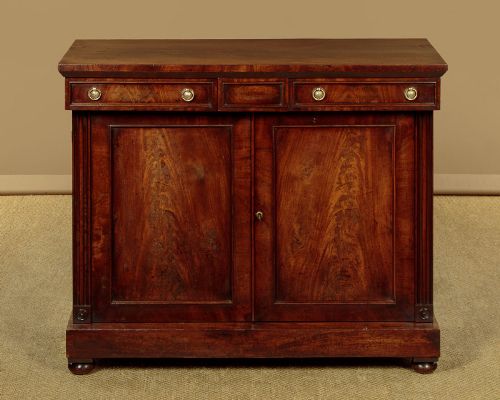
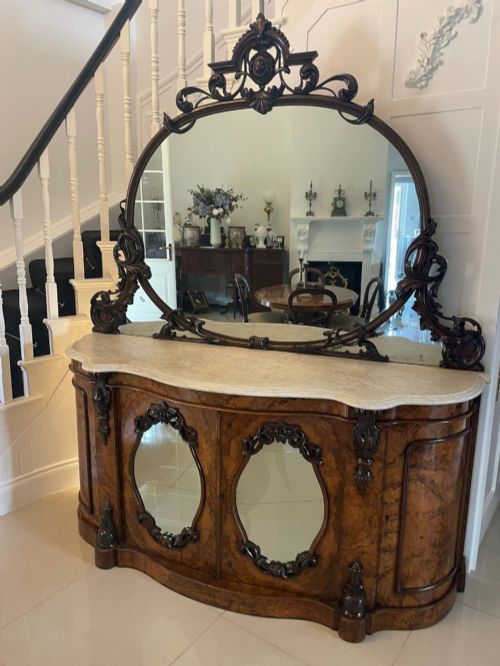
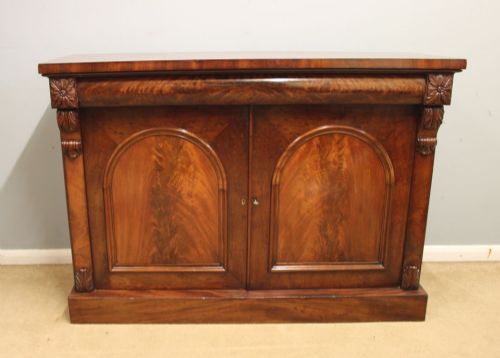
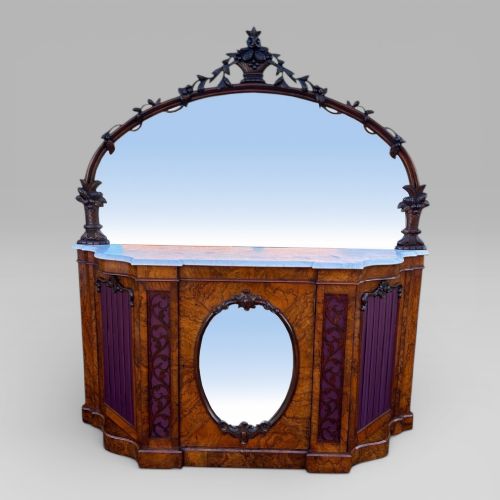
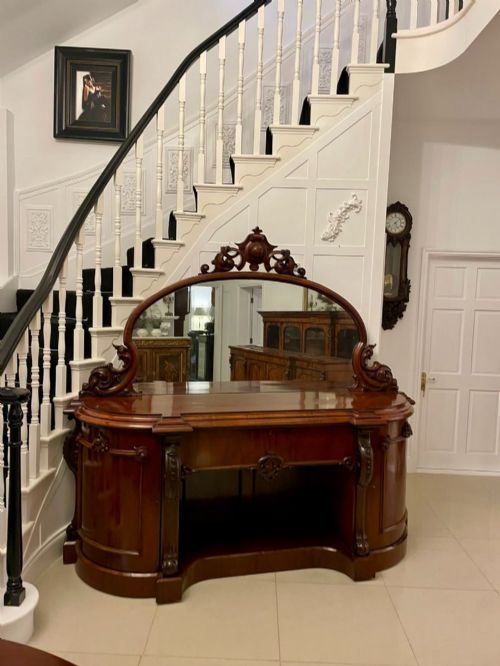
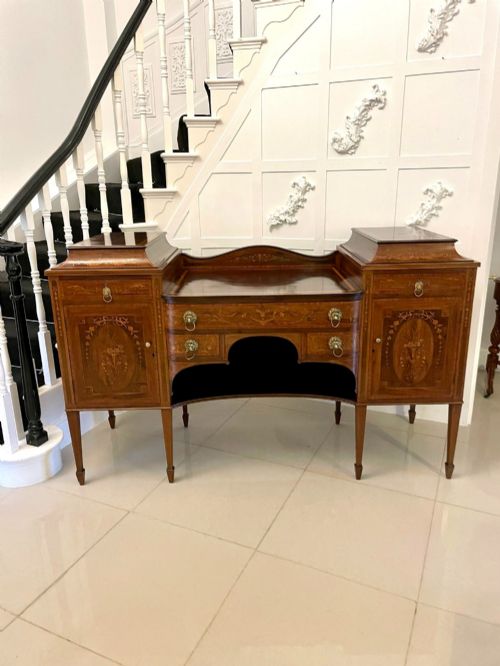
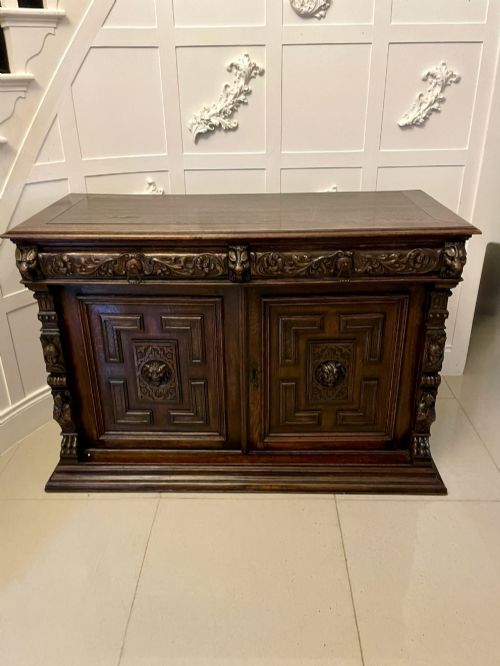
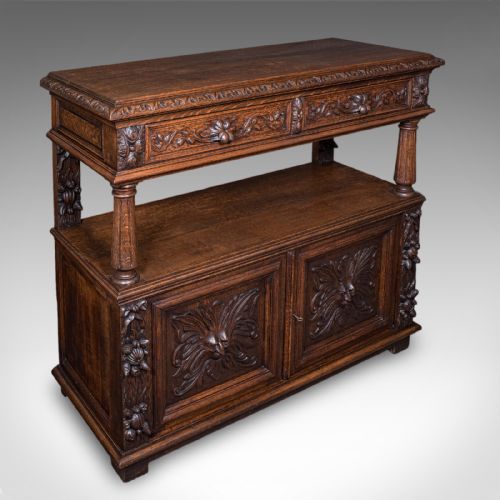
A victorian dining room cabinet encompasses substantial sideboards, credenzas, chiffoniers, and serving pieces designed for nineteenth century domestic interiors. These forms originate from the mid to late nineteenth century, spanning the Victorian era alongside influences from the William IV period.
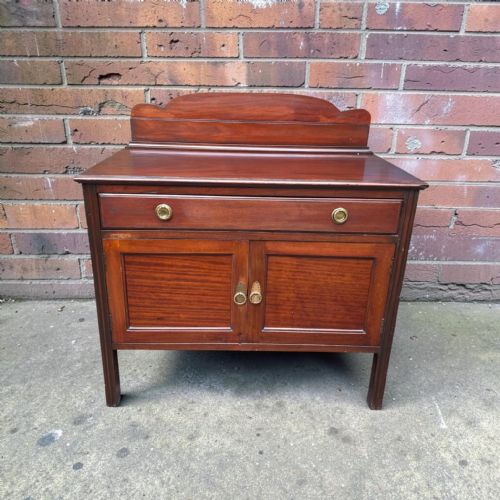
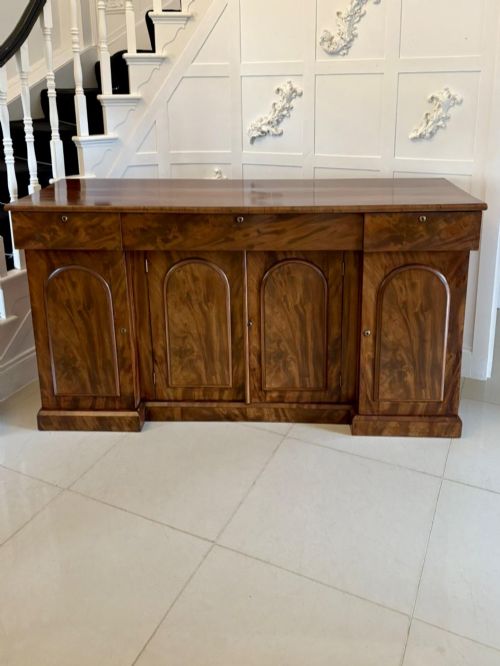
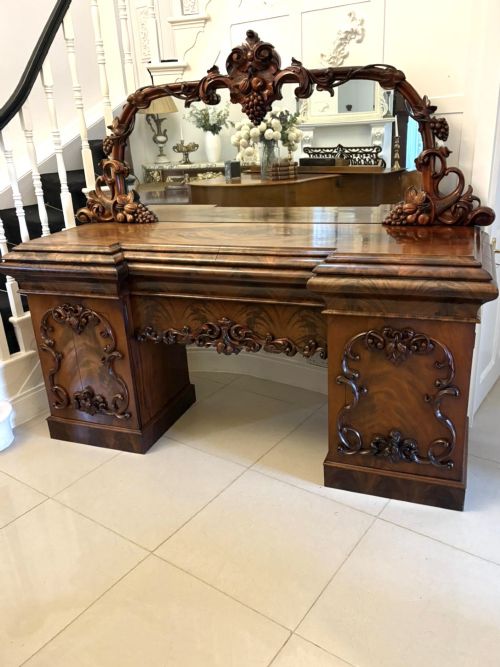
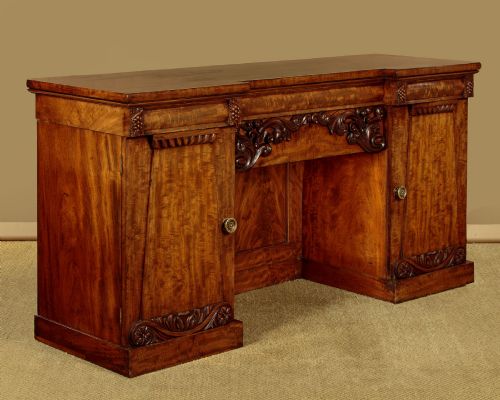
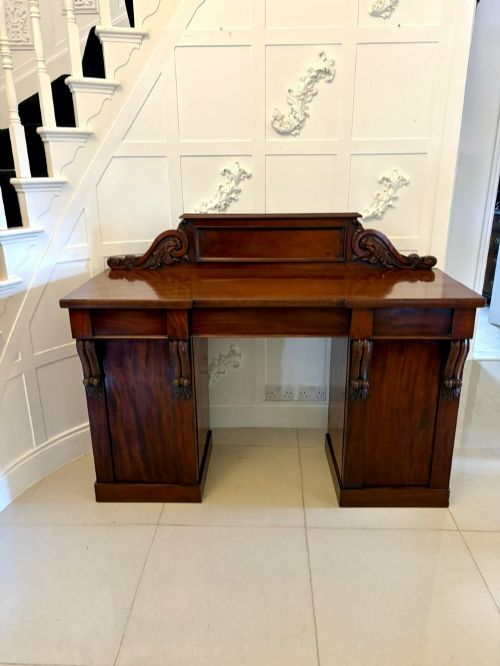
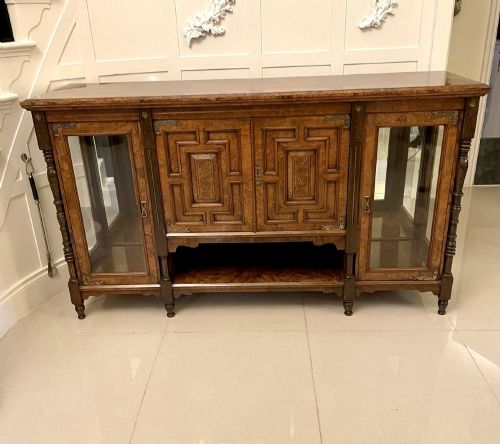
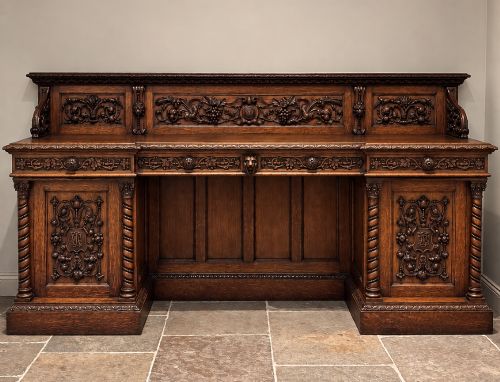
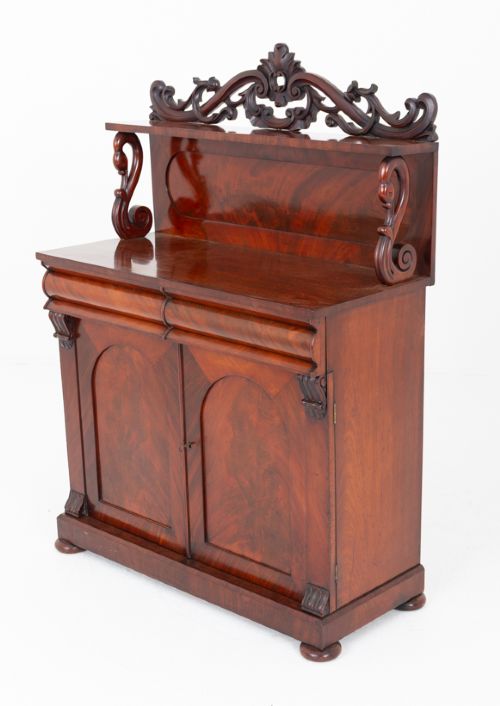
Sideboards dominate the selection, appearing as large breakfront pedestals, mirror-backed servers, and multi-door storage units. Chiffoniers offer more compact proportions with shelved backs, while credenzas provide lower profile storage fitted with glazed or panelled doors.
Materials and Construction
Makers utilised solid timbers alongside veneered surfaces, selecting mahogany, burr walnut, and oak as the primary structural materials. Flame mahogany veneer and figured mahogany add decorative grain patterns to primary display surfaces.
Brass hardware, glass panels, and inlaid marquetry provide contrasting detail against the dark wood surfaces. Carved elements, mirror backs, and marble tops appear frequently across the larger sideboard and credenza forms.
Cellarettes wait inside the dining room, designed to keep wine chilled near the table long before modern refrigeration arrived.
The Measure of Quality
The standard of a piece rests upon the selection of timber grain and the precision of the cabinetmaker's joinery. Figured mahogany, burr walnut, and pollard oak denote higher ambition in material choice.
Depth and crispness in carved ornamentation separate standard production from exceptional examples. Integrated mirrors, marquetry inlay, and architectural breakfront proportions elevate the status of the piece.
Hewetsons London·Maple and Co
The Victorian Dining Room Cabinet Glossary
- Sideboard
- A large dining room cabinet designed for storing tableware and serving food. These pieces often incorporate drawers, cupboards, and mirror backs.
- Chiffonier
- A compact sideboard featuring a lower cabinet surmounted by one or more display shelves. They suit smaller dining spaces while retaining formal nineteenth-century styling.
- Credenza
- A low cabinet originally used for displaying plate, frequently fitted with glass doors or intricate marquetry inlay. They bridge the gap between storage furniture and display pieces.
- Marquetry
- The art of applying decorative veneer pieces in wood to form geometric or pictorial designs. This technique decorates the surfaces of select nineteenth-century cabinets.
- Breakfront
- A cabinet design where the central section projects forward from the flanking outer sections. This architectural arrangement creates depth and visual rhythm across large furniture.
Victorian Dining Room Cabinet: Frequently Asked Questions
What is a victorian dining room cabinet used for?
These cabinets served primarily to store dining porcelain, cutlery, and glassware while providing a surface for serving food during meals. They acted as the central functional and decorative anchor of the nineteenth-century dining room.
Today, they perform similar storage roles in modern homes while bringing substantial period timber character to an interior space.
How do I identify a chiffonier from a sideboard?
A chiffonier is typically smaller in scale and includes an upright superstructure with one or more shelves mounted above a low base cabinet. Sideboards are much larger floor-standing pieces built with extensive cupboard and drawer space.
Sideboards also frequently incorporate large carved mirror backs, whereas chiffoniers maintain a lighter, more compact profile.
What woods were used for these cabinets?
Mahogany forms the majority of these pieces, appearing both as solid timber and as figured or flame veneers. Oak and burr walnut also feature prominently across the period selections.
Secondary woods and decorative veneers like pollard oak add textural variation to specific regional or stylistic groups.
How can I tell the period of the cabinet?
Dating relies on stylistic shifts, such as the heavier classical proportions of William IV pieces transitioning into ornate Victorian carvings and later Arts and Crafts simplicity. Inlaid marquetry and mirror-back configurations often point towards the later decades of the nineteenth century.
Construction methods, timber choices, and recorded dates on specific pieces help confirm the exact manufacturing era.