

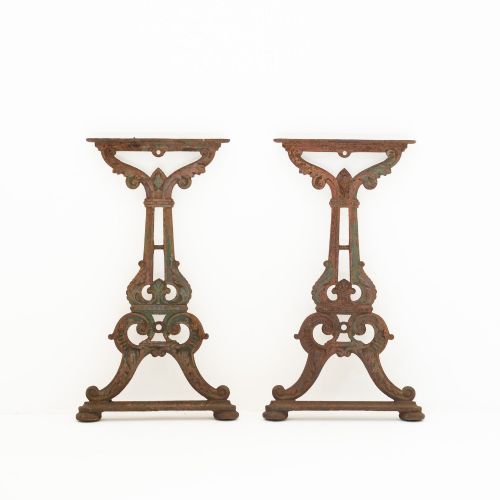
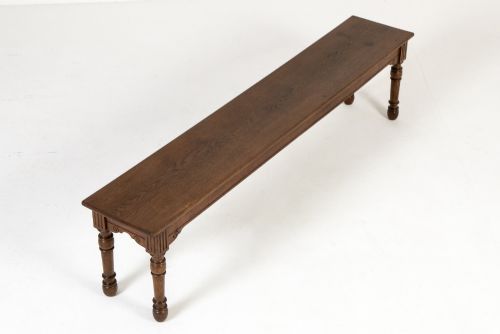


Victorian Dining Bench
These robust victorian dining bench examples offer honest seating, combining practical nineteenth-century utility with enduring country character.
Victorian Dining Bench
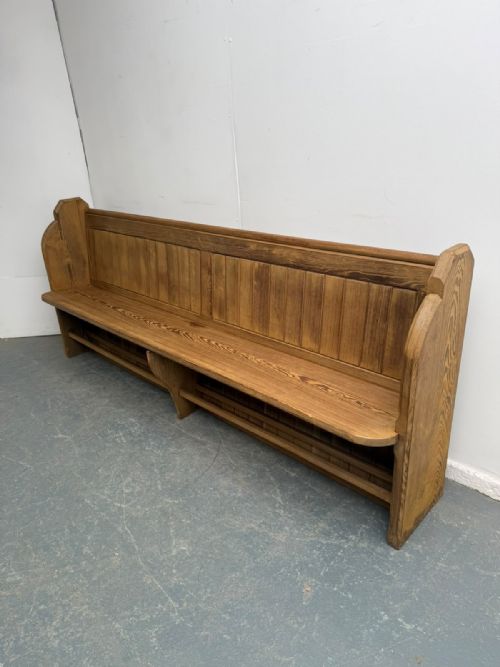
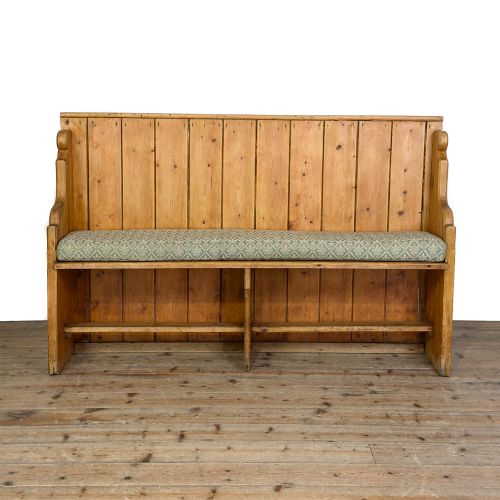
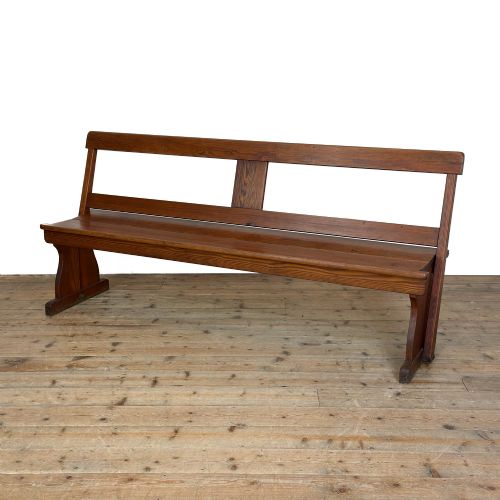
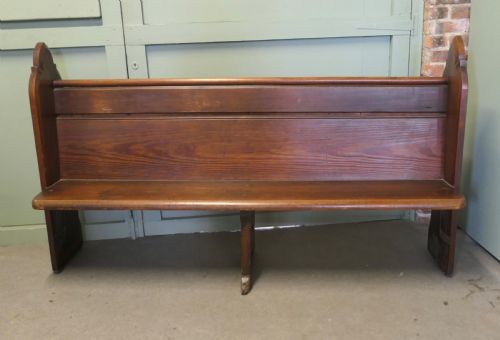
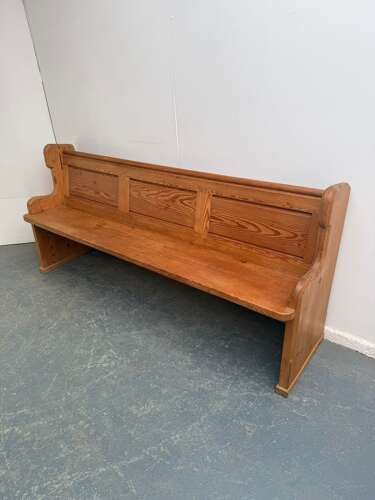
When you search for a victorian dining bench, you encounter sturdy seating drawn from institutional, ecclesiastical, and domestic spaces of the nineteenth century. The pieces recorded here span schoolrooms, churches, chapels, and country halls, adapted naturally for modern dining tables.
You are most likely to meet pine and oak formats on this page, often appearing as church pews, chapel flip-over seats, or long school benches. Styles range from plain rustic farmhouse and country versions to more decorative Arts and Crafts, Jacobean Revival, and Flemish Renaissance Revival designs.
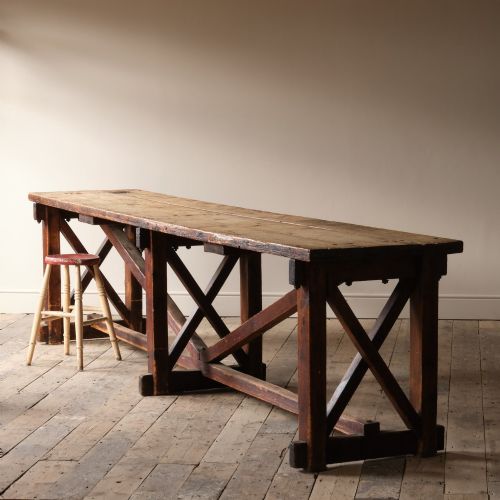
The selection includes single long benches, matched pairs, and occasional dining sets paired with matching tables or table bases. Their origins lie firmly in nineteenth-century craftsmanship, with specific dates clustering around the 1870s, 1880s, and 1890s.
How they were made
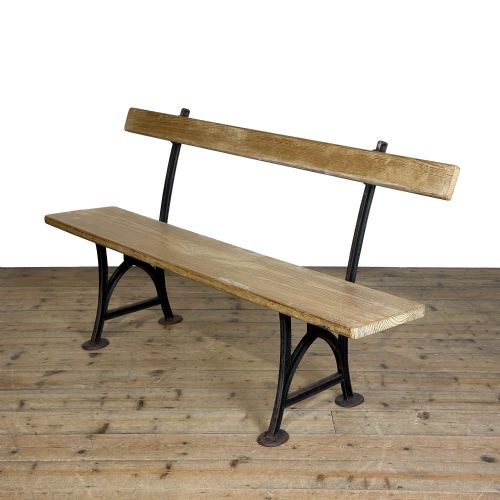
Carpenters utilised solid native timbers such as pine, pitch pine, oak, elm, and occasionally cast iron for structural bases. Pine and pitch pine provide straight-grained utility, while oak and elm offer dense, hard-wearing surfaces built to withstand heavy daily use.
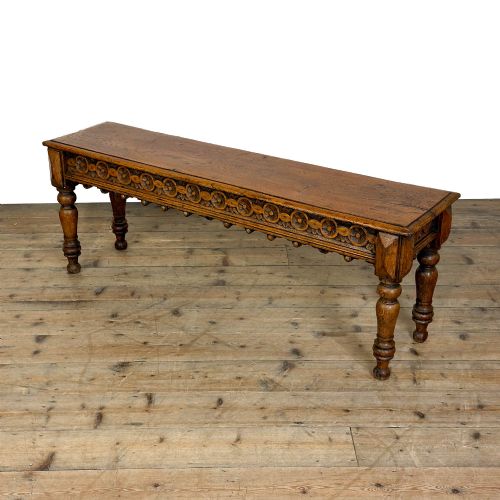
Construction methods relied on traditional joinery techniques suited to institutional furniture, supplemented by wax finishes to protect the wood while preserving its natural grain. Elaborate examples incorporate carved details like green man motifs, reflecting regional stylistic revivals.
Victorian Dining Bench Retail Price Guide 2026
Typical asking prices for victorian dining bench among the pieces listed under this phrase on Sellingantiques today, from the lower quarter to the upper quarter. They describe what is for sale here now, not the wider market.
Listings here feature nineteenth-century pieces constructed from pine, pitch pine, oak, elm, and cast iron.
What varies in quality
The distinction between standard utility seating and finer examples rests on timber selection and decorative ambition. Plain school and church pews prioritise structural endurance, whereas carved oak or pitch pine Arts and Crafts variants show greater design thought and sculptural depth.
Proportion and length also define the upper tier, particularly matched pairs of long elm or oak benches designed for communal dining. Retained original surfaces, such as aged wax patination on pine, elevate the visual merit above stripped or over-restored alternatives.
The Victorian Dining Bench Glossary
- Pitch pine
- A dense, resinous variety of pine favoured in the nineteenth century for its durability and prominent grain pattern. It was frequently utilised in church pews and institutional seating.
- Church pew
- A long wooden bench with a backrest, originally built for ecclesiastical interiors. These pieces now serve widely as dining benches due to their generous lengths.
- Flip-over bench
- A dual-purpose chapel seat featuring a reversible backrest that shifts position to face either direction. This clever mechanism allowed congregations to turn around during services.
- Green man
- A sculptural architectural motif depicting a human face entwined with foliage and vines. It appears on carved nineteenth-century revival oak furniture.
- Arts and Crafts
- A design movement valuing honest construction, visible joinery, and traditional craftsmanship over mass production. Pieces from this tradition display clean lines and quality timber.
Victorian Dining Bench: Frequently Asked Questions
Can I use a church pew for everyday dining?
Church pews and chapel benches fit modern dining tables remarkably well because nineteenth-century makers built them for communal seating.
Their fixed heights and sturdy frames provide practical, long-lasting alternatives to standard dining chairs.
How do I match a bench to my table?
Consider both the overall length and the timber type when pairing a vintage bench with an existing table. Pine and oak versions offer the most straightforward visual compatibility with rustic or farmhouse dining settings.
Measure the clear space between your table legs to ensure the bench slides underneath properly when not in use.
Are these benches comfortable for sitting long periods?
Nineteenth-century institutional benches were designed for upright posture during services or lessons rather than lounging. Adding custom fabric squabs or cushions easily increases comfort for extended dinner parties.
Many examples feature shaped wooden seats or supportive backrests designed to accommodate users over several hours.
How do I date a nineteenth-century bench?
Dating relies on observing timber characteristics, tool marks, and stylistic revivals associated with the period from 1870 to 1900. Oak and carved Flemish details point towards specific revival movements, while plain pine school benches often reflect institutional utility.
Construction methods like hand-cut joinery versus early machine assistance also help narrow down the decade of manufacture.